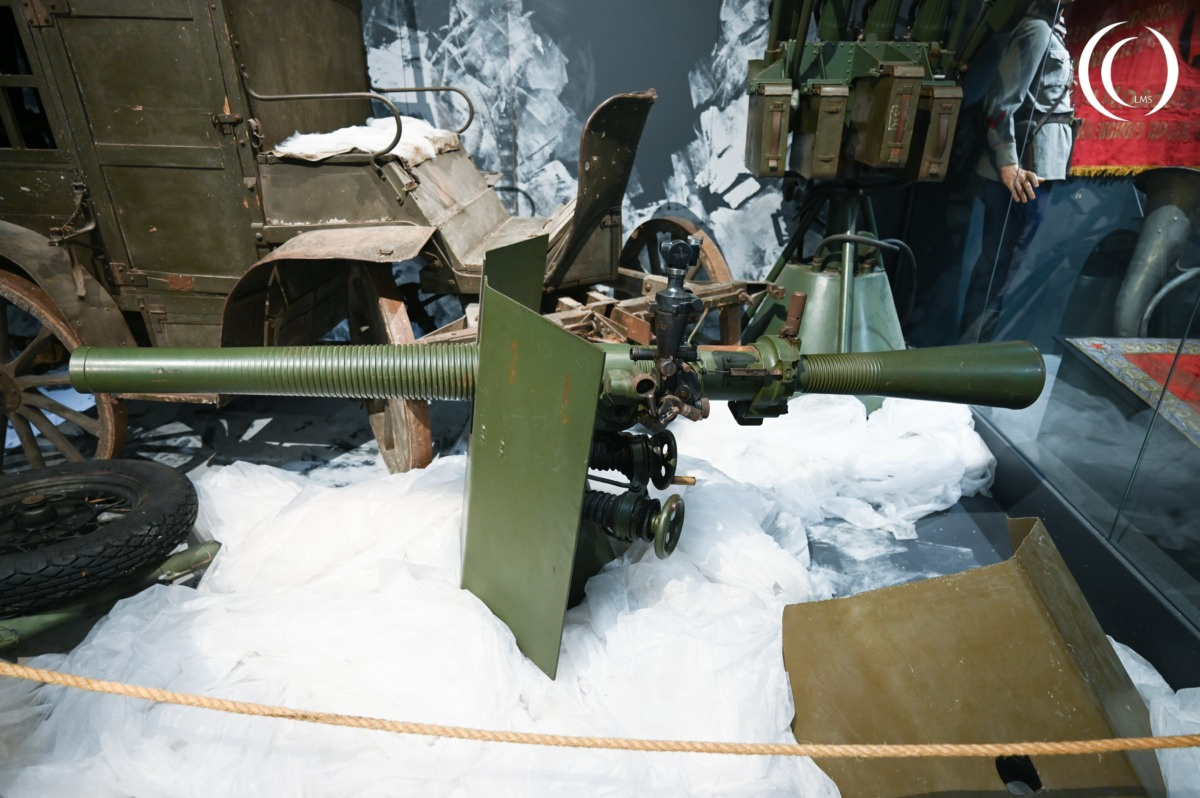
Soviet recoilless gun
The BPK-76 gun or 76 mm Kurchevsky dynamo-reactive gun is also designated as 76mm DRP recoilless gun or 76 DRP. And named different in several languages; Russian – батальонная пушка Курчевского (transcription: 76 mm Bataljonaja-Puschka Kurchevskovo) which means 76 mm Kurchevsky’s battalion gun, in German: 76 mm Bataillonsgeschütz von Kurchevski.
The BPK-76 76 mm Kurchevsky dynamo-reactive gun was an experimental Soviet recoilless artillery weapon developed during the early 1930s by Leonid Vasilyevich Kurchevsky. The Soviet term “dynamo-reactive” referred to a recoilless gun that reduced recoil by allowing propellant gases to escape through the rear of the barrel. This principle enabled a relatively large-caliber weapon to be mounted on lightweight platforms that could not support conventional artillery.
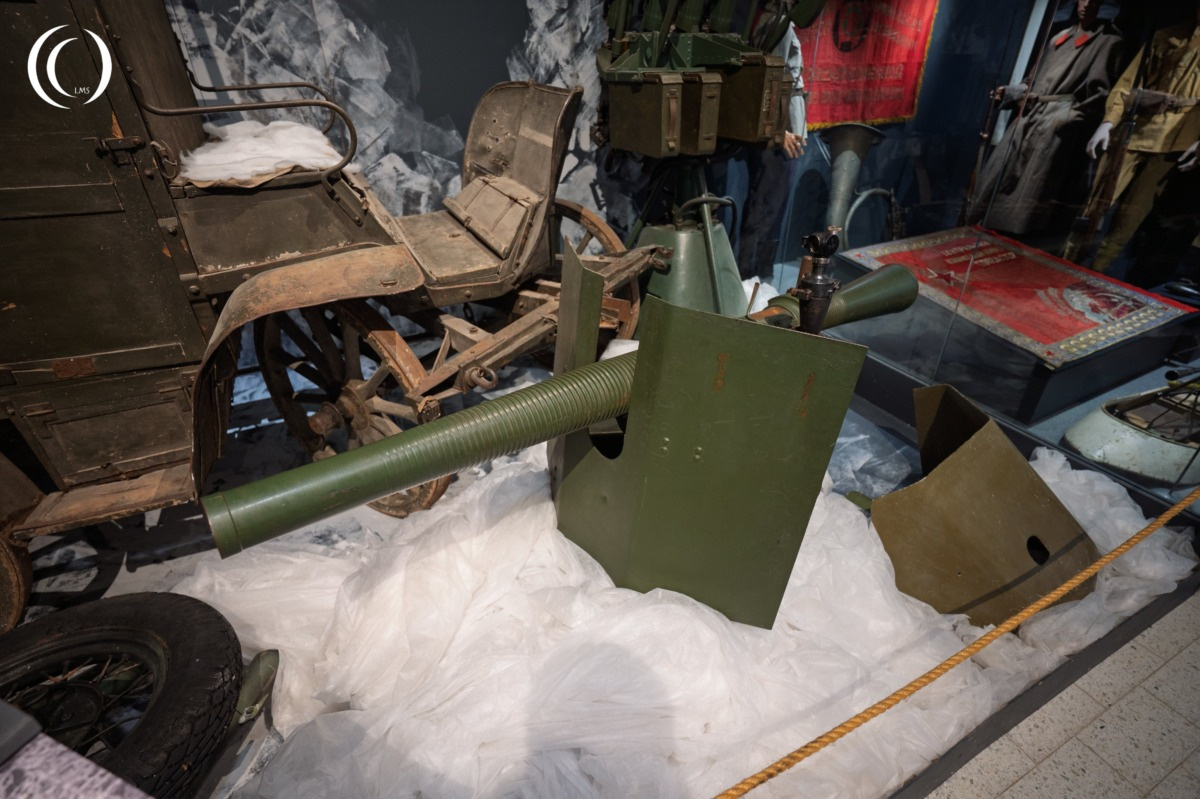
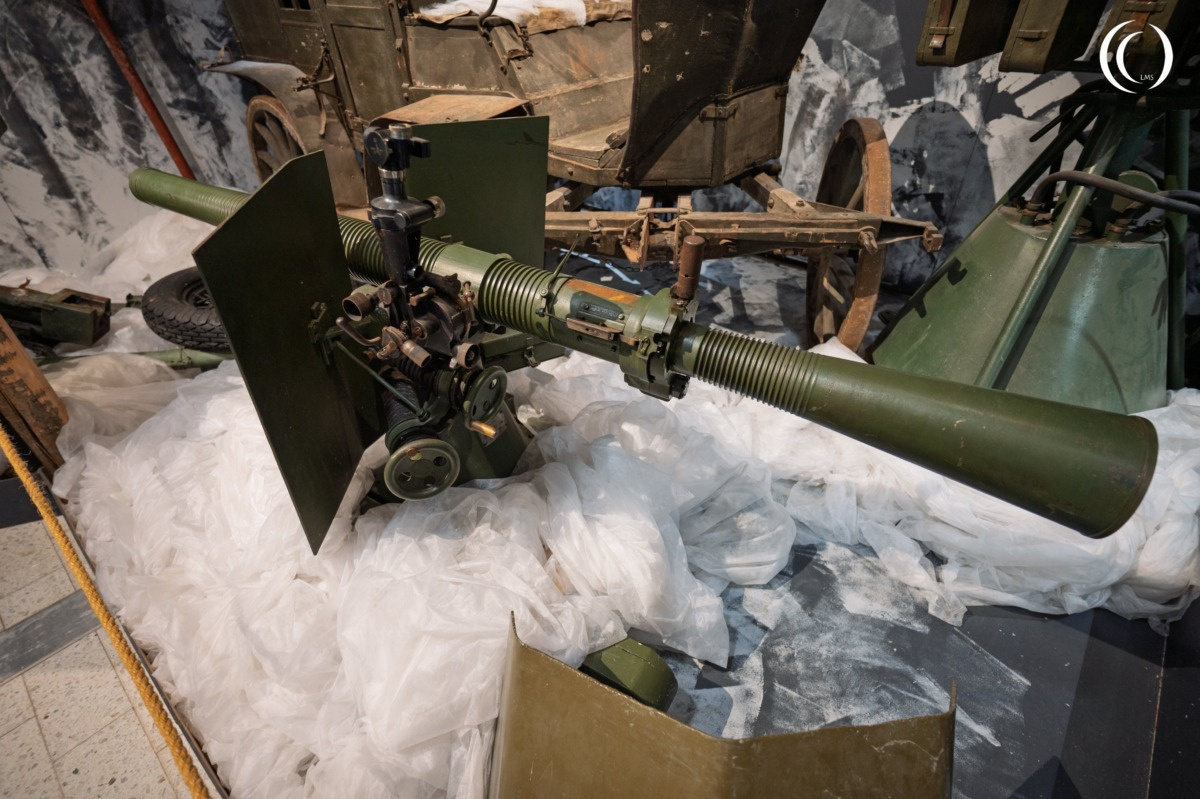
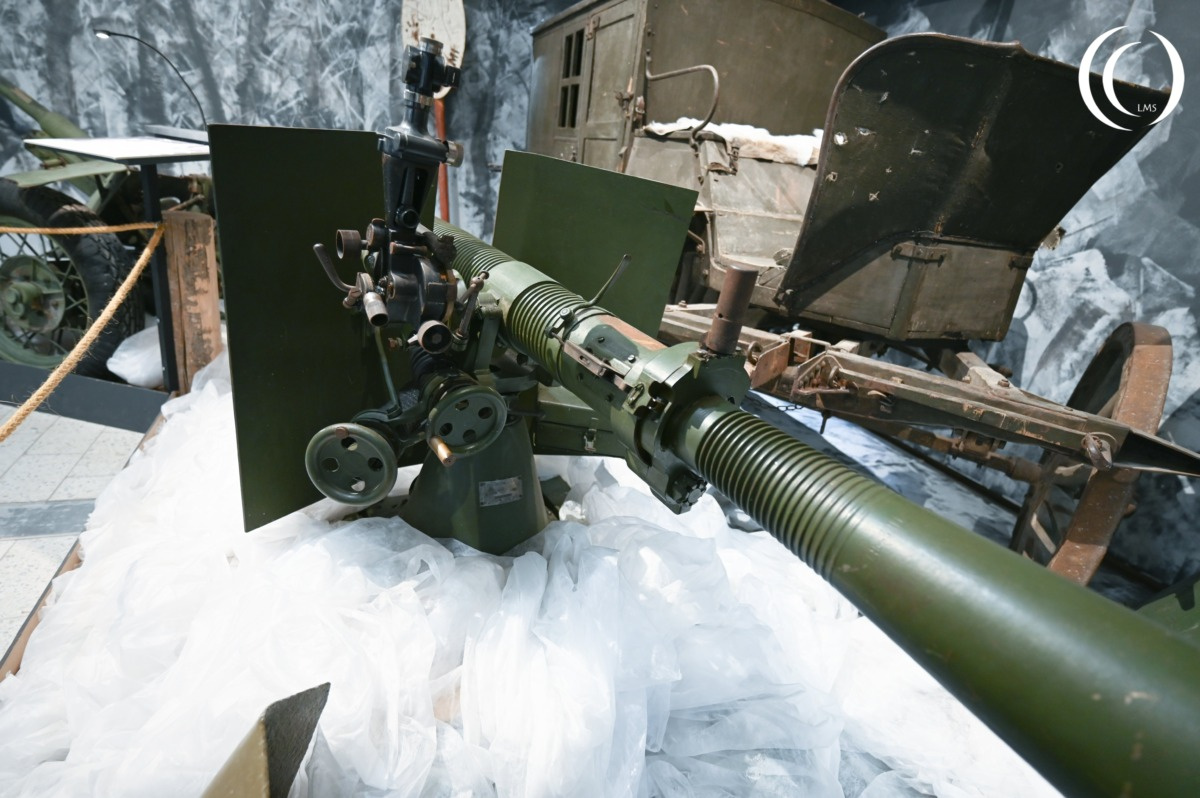
The BPK-76 fired 76.2 mm ammunition and was designed for use against enemy infantry, field fortifications, and lightly armored vehicles. Because it generated very little recoil, it was considered suitable for installation on experimental armored vehicles, aircraft, and railway platforms. Soviet military planners believed recoilless guns could provide mobile firepower while reducing the weight and complexity of traditional artillery systems.
Despite these advantages, the BPK-76 experienced significant technical problems. It lacked the accuracy and range of conventional field guns, while its large rearward blast created a hazardous area behind the weapon. Reliability issues, inconsistent ammunition performance, and manufacturing difficulties further limited its usefulness in military service.
As the shortcomings of Kurchevsky’s recoilless artillery became increasingly apparent, Soviet support for the program declined. Most dynamo-reactive weapons were withdrawn from service before World War II. Following Kurchevsky’s arrest and execution during the Great Purge in 1937, development of the BPK-76 and related designs ended. Although unsuccessful in combat, the BPK-76 remains an important example of early recoilless artillery development and influenced later generations of recoilless weapons used after World War II.
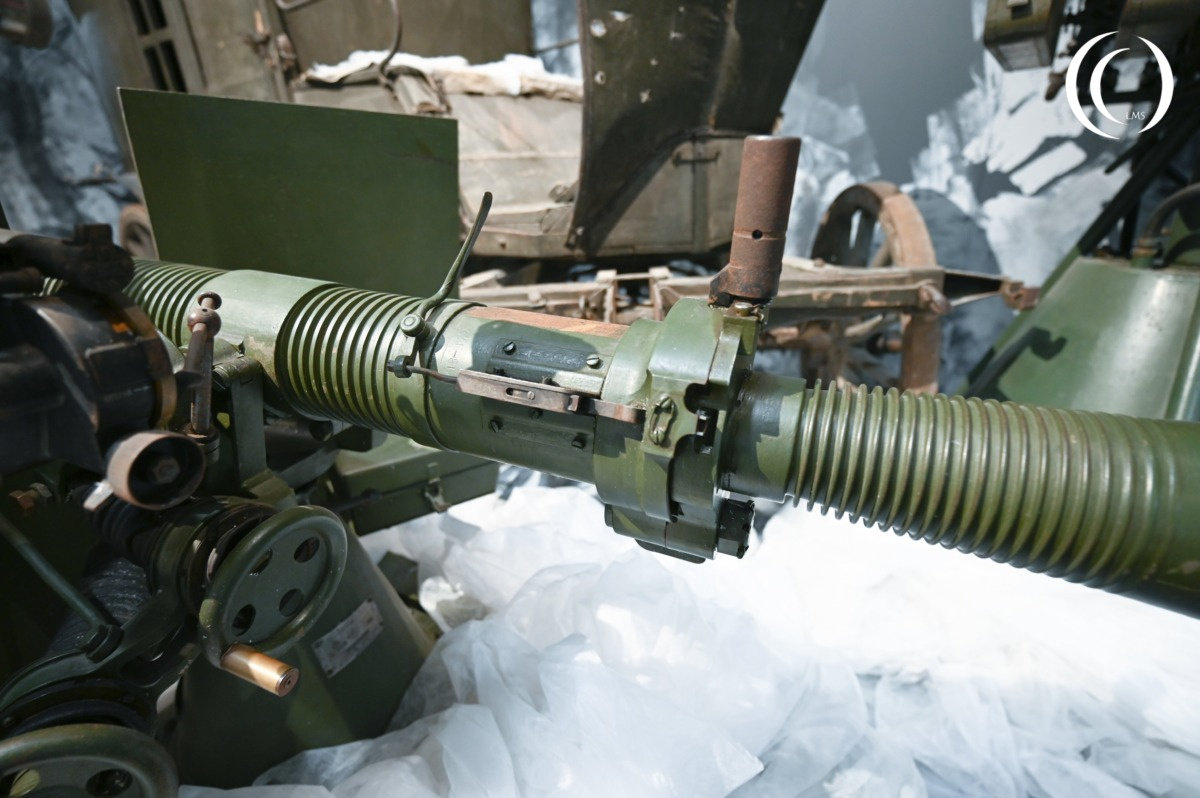
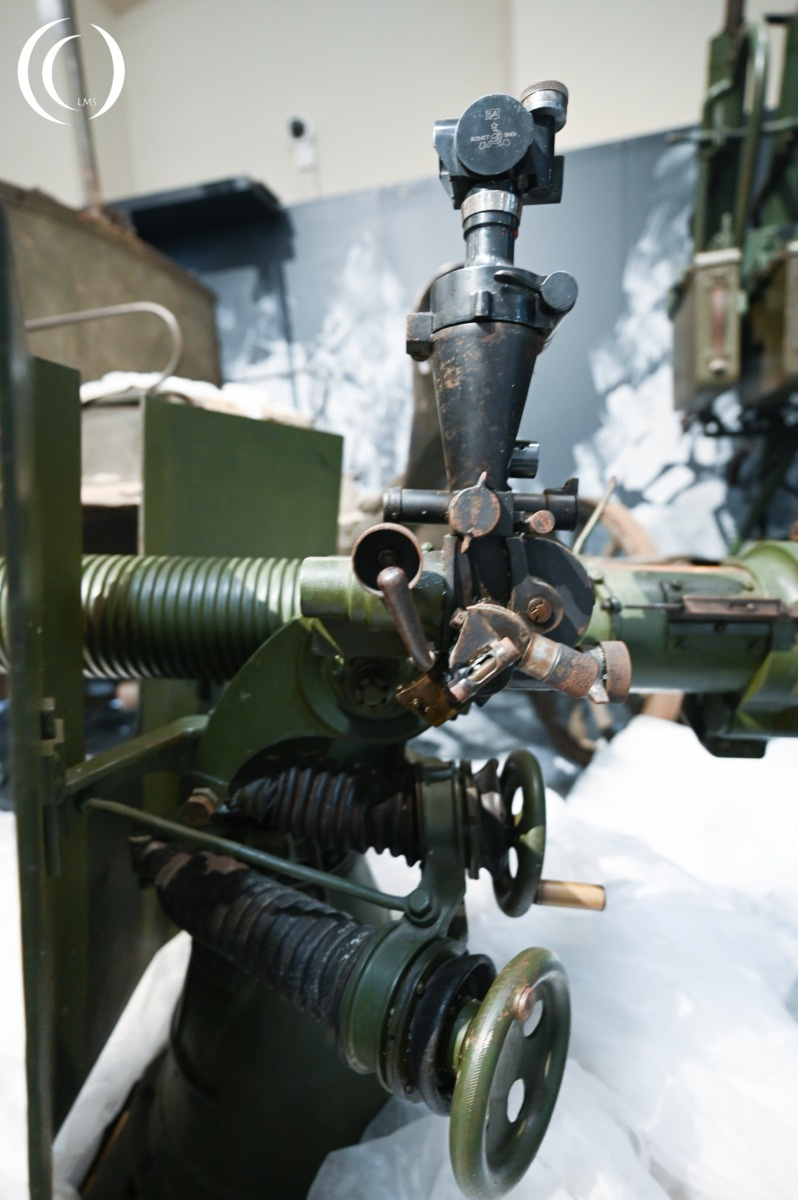
The BPK-76 (76 mm Kurchevsky Dynamo-Reactive Gun) entered production in 1932 as one of the first large-caliber recoilless guns to be adopted by the Red Army. Its main advantage was its very low weight compared with conventional 76 mm field guns, allowing a four-man crew to move it by hand. Despite this, technical shortcomings led to its withdrawal from service before World War II.
Engineer Kurchevsky
Leonid Vasilyevich Kurchevsky (1890–1937) was a Soviet engineer and weapons designer best known for pioneering the development of recoilless artillery during the 1920s and 1930s. His work focused on creating lightweight guns that could fire powerful shells without producing the heavy recoil associated with conventional artillery. This was achieved by allowing propellant gases to escape through the rear of the weapon, reducing the force transferred to the gun carriage.
Kurchevsky’s innovative ideas gained strong support from senior Soviet military leaders, leading to the production of recoilless guns in calibers ranging from 37 mm to over 300 mm. These weapons were tested on aircraft, tanks, armored cars, naval vessels, and field mounts. The Soviet Union hoped they would provide mobile, powerful firepower for a wide range of military roles.
Despite the ambitious program, many of the weapons suffered from poor accuracy, limited range, mechanical unreliability, and dangerous backblast. As testing continued, confidence in the designs declined, and many projects were canceled.
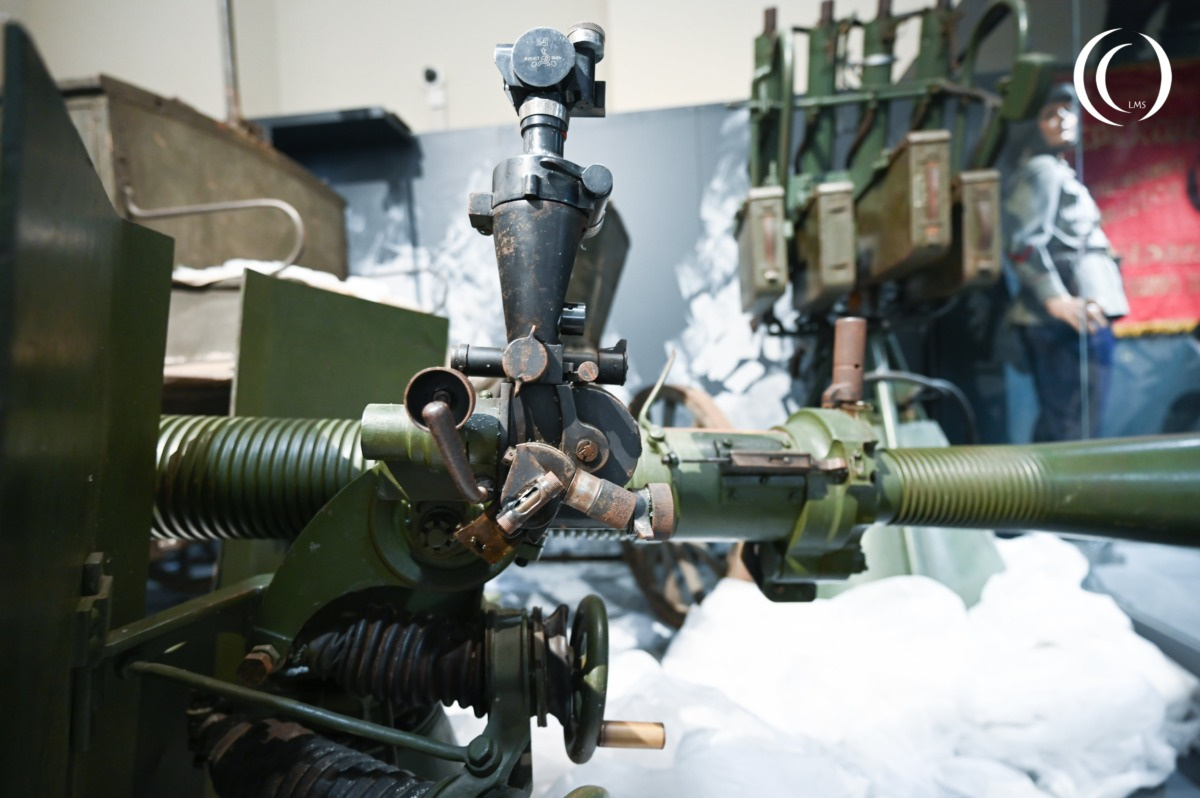
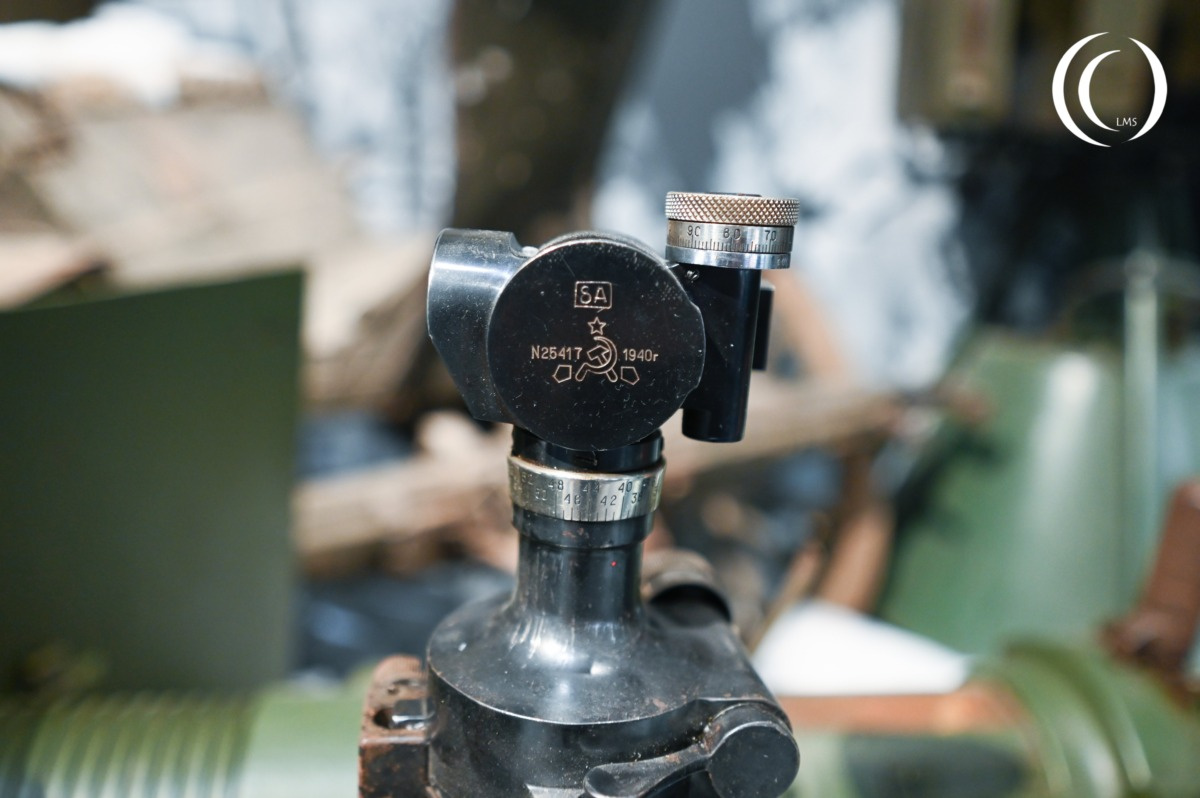
In 1924, he was sentenced to 10 years for embezzlement of state property and funds (allegedly used to build a helicopter ). While imprisoned in the Solovetsky Special Purpose Camp , he continued his inventive work and built a prototype of a dynamo-jet cannon. He was released early in early 1929. From January 1930 he was the chief designer of OKB-1 GAU. The Main Missile and Artillery Directorate of the Ministry of Defense of the Russian Federation (abbr. GRAU MO RF).
During the political repression of the late 1930s, Kurchevsky was arrested in 1937 during the Great Purge. He was accused of sabotage and anti-Soviet activities, convicted, and executed the same year. Although his career ended tragically, Kurchevsky’s early work influenced later developments in recoilless weapon technology, which became widely used after World War II with improved engineering and reliability.
Technical Specifications BPK-76
Type: Recoilless (dynamo-reactive) battalion gun
Country of origin: Soviet Union
Designer: Leonid V. Kurchevsky
Development year: 1930
Production: 1932–1935
Numbers: 487 units produced
Caliber: 76.2 mm
Barrel length: 2.79 m (L/36 approximately)
Weight (combat): 180–200 kg
Projectile weight: 4.7–6.5 kg (depending on ammunition type)
Muzzle velocity: Approximately 280–470 m/s (280 m/s shrapnel, 380 m/s fragmentation, 470 m/s armor-piercing)
Maximum range: 7,000 m
Rate of fire: About 6 rounds per minute
Crew: 4
Elevation: −17° to +45°
Traverse: 6°
Carriage: Two-wheel light carriage with split ski’s or truck.
Operating principle: Recoilless, venting propellant gases through a rear nozzle
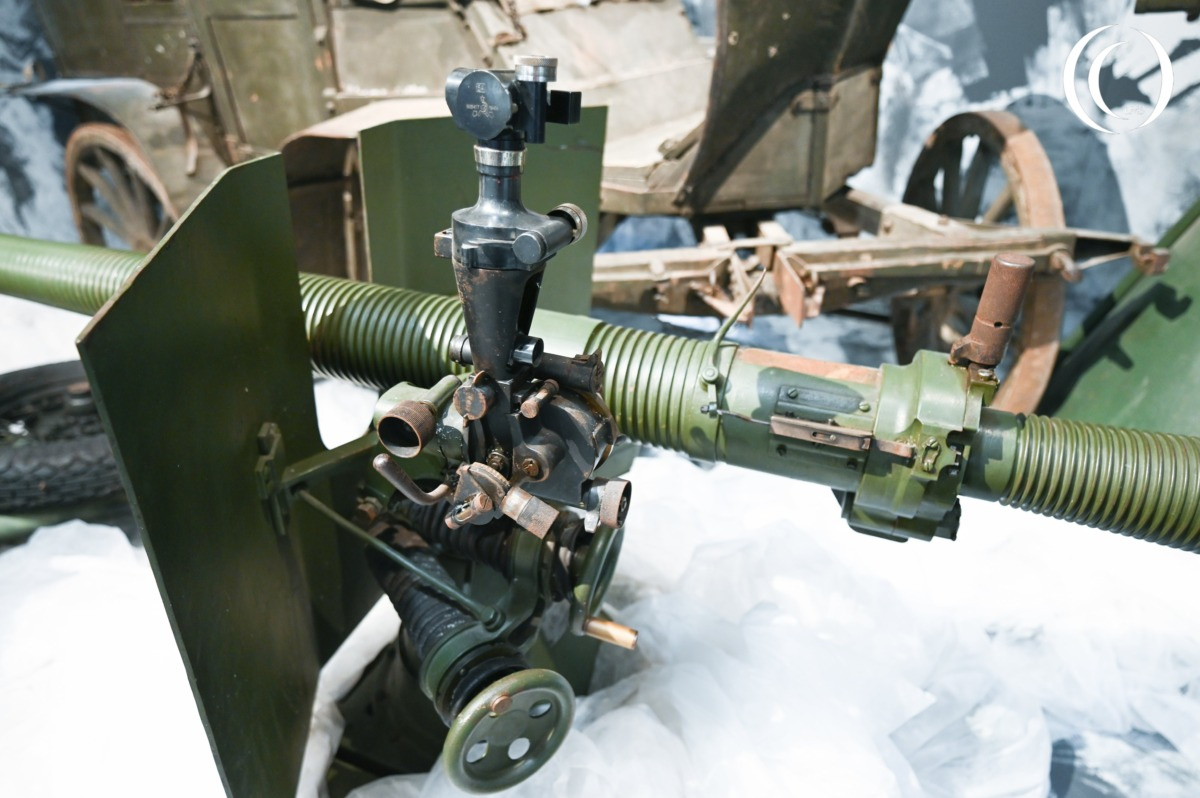
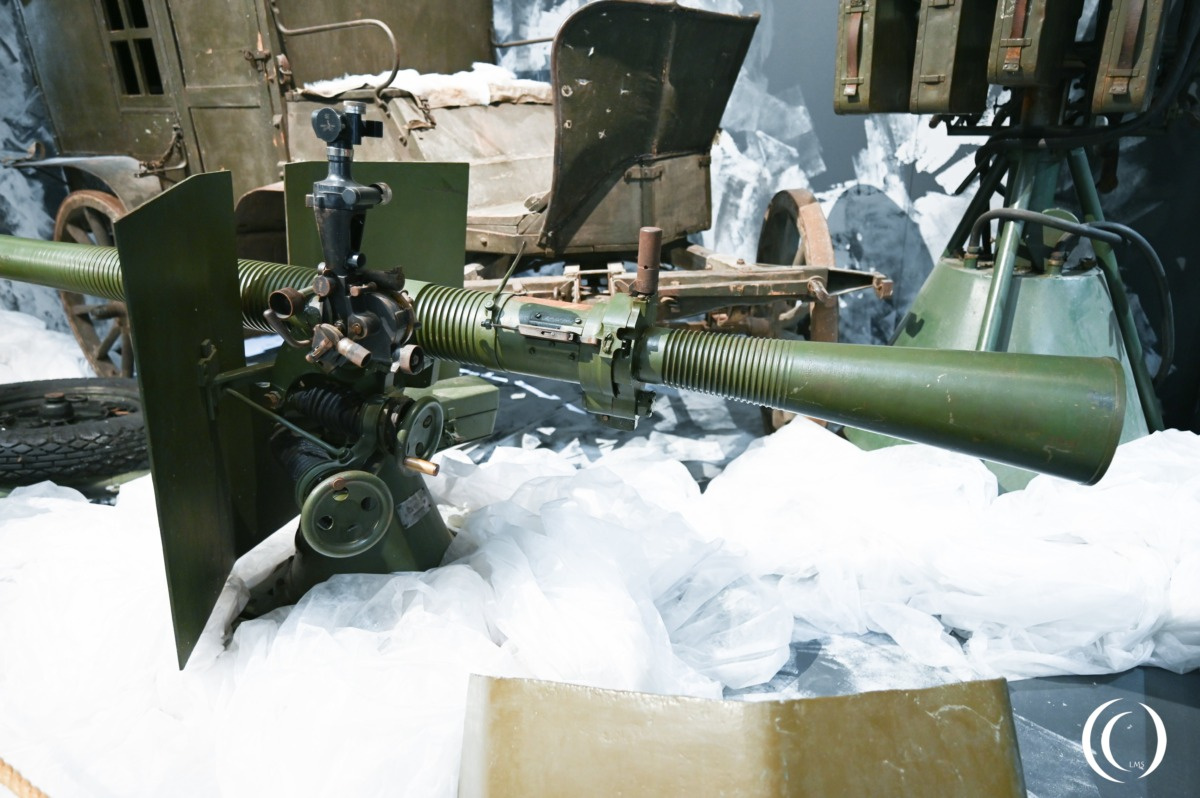
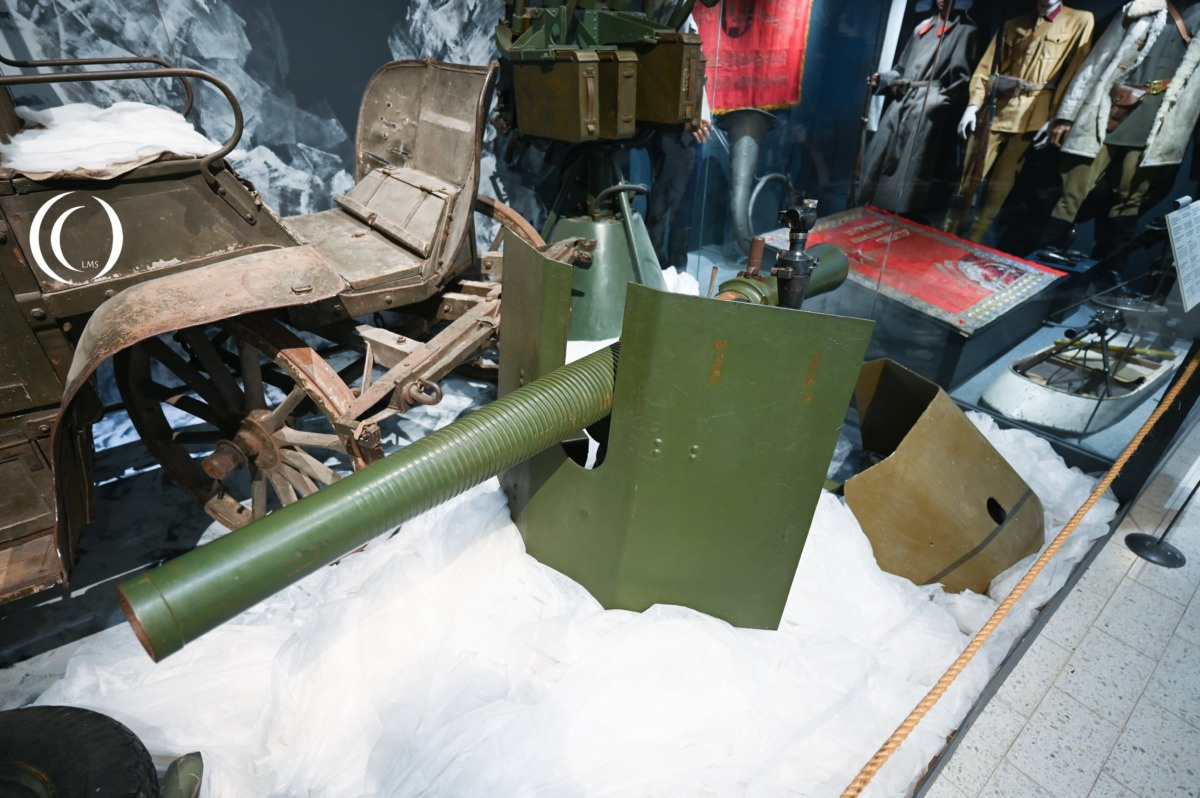
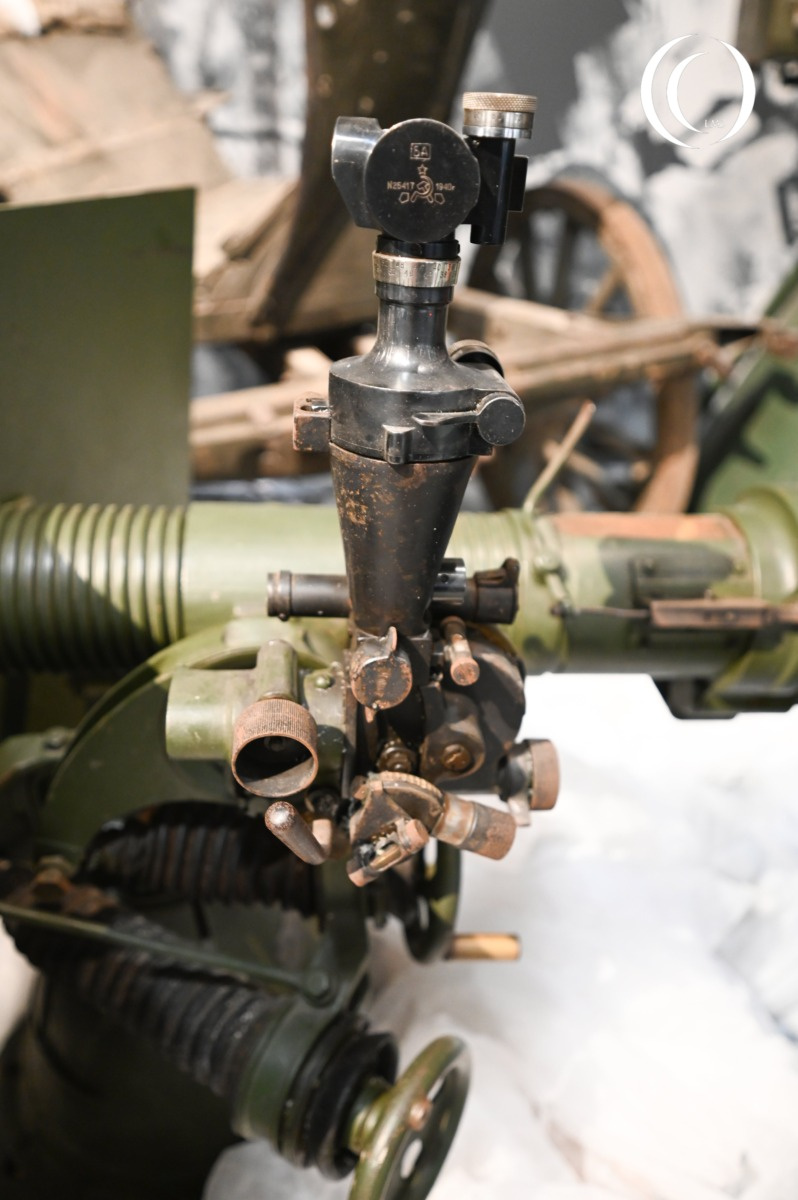
Features
- Weighed only about one-eighth as much as the standard Soviet 76 mm Model 1902/30 field gun.
- Could be rapidly deployed and repositioned by its crew.
- Mounted experimentally on trucks, boats, armored vehicles, and aircraft.
- Fired conventional high-explosive projectiles with specially adapted propellant charges for recoilless, schrapnell and armor piercing shells.
- The barrel was ribbed to improve heat transfer during firing.
Limitations
- Although lightweight and innovative, the BPK-76 suffered from poor accuracy compared with conventional artillery.
- Lower muzzle velocity.
- A dangerous rear blast area.
- Reliability and manufacturing problems.
- Reduced effectiveness against fortified targets.
These shortcomings caused the Red Army to lose confidence in Kurchevsky’s recoilless artillery program, and the BPK-76 was withdrawn from service by 1939.
BPK-76 in Finnish possession
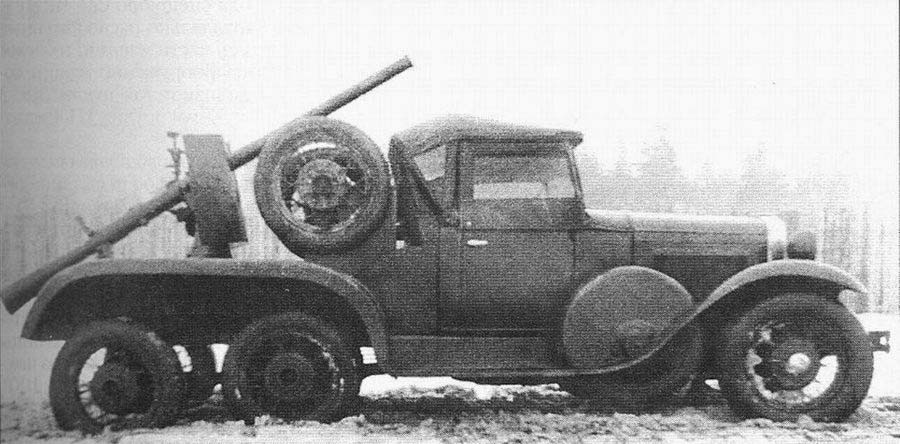
During the Winter War, two of these guns were captured by Finnish troops at the Battle of Suomussalmi near Raate. In the Raate Road area, the 4th Separate Reconnaissance Battalion attached to the Soviet 44th Rifle Division operated two recoilless guns mounted on GAZ-TK vehicle chassis. Both guns were captured by Finnish forces as war trophies in January 1940.
One was handed over to the German Reich and, according to Bellamy, influenced German development. British experts were also interested in the weapon but initially did not understand its principle. A report on the gun appeared in the Illustrated London News on April 6, 1940. By mid-1941, all recoilless rifles had been decommissioned by the Soviet armed forces and most had been scrapped.
The design shows how advanced the Soviet Union was in the field of developing such weapons at that time. Captured weapons were designated by the Wehrmacht as 7.62 cm Recoilless Gun 299 (r).
Sources
- globalsecurity.org
- nashi-avto.ru
- wikipedia.org (de, en, ru)
