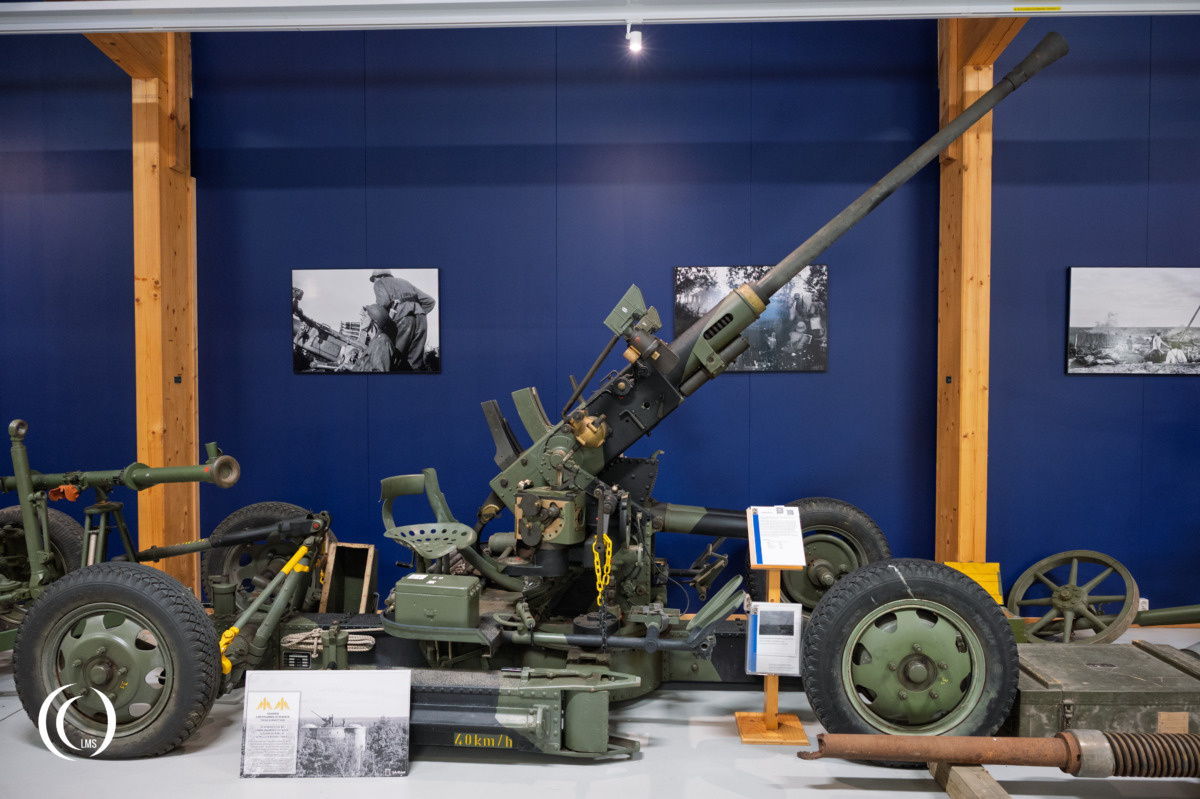
The Swedish developed 40 mm Bofors anti-aircraft gun became internationally renowned during the 1930s as an anti-aircraft weapon for both naval and land forces. Before the outbreak of World War Two, Swedish arms manufacturer AB Bofors had already sold the weapon system to 17 countries, including Finland.
During the war it was adopted by numerous Allied and Axis-aligned nations and became renowned for its reliability, versatility, and effectiveness against low-flying aircraft, while it was also succesfully employed against ground targets, including lightly armoured vehicles and infantry positions.
Development
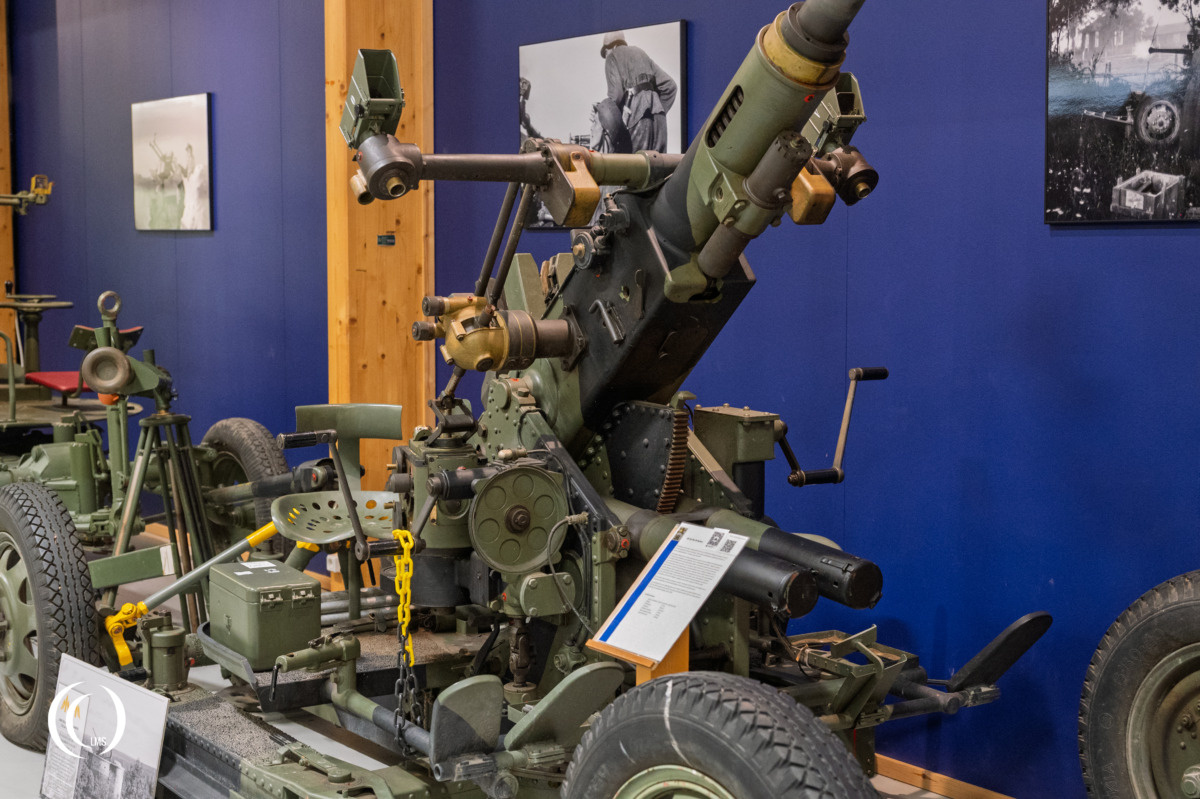
The 40 mm Bofors anti-aircraft gun was designed to bridge the gap between heavy anti-aircraft artillery and lighter machine guns. After trials and refinements, the weapon entered service with the Swedish military in 1934, from where its effectiveness attracted international interest. Many countries adopted or licensed its production.
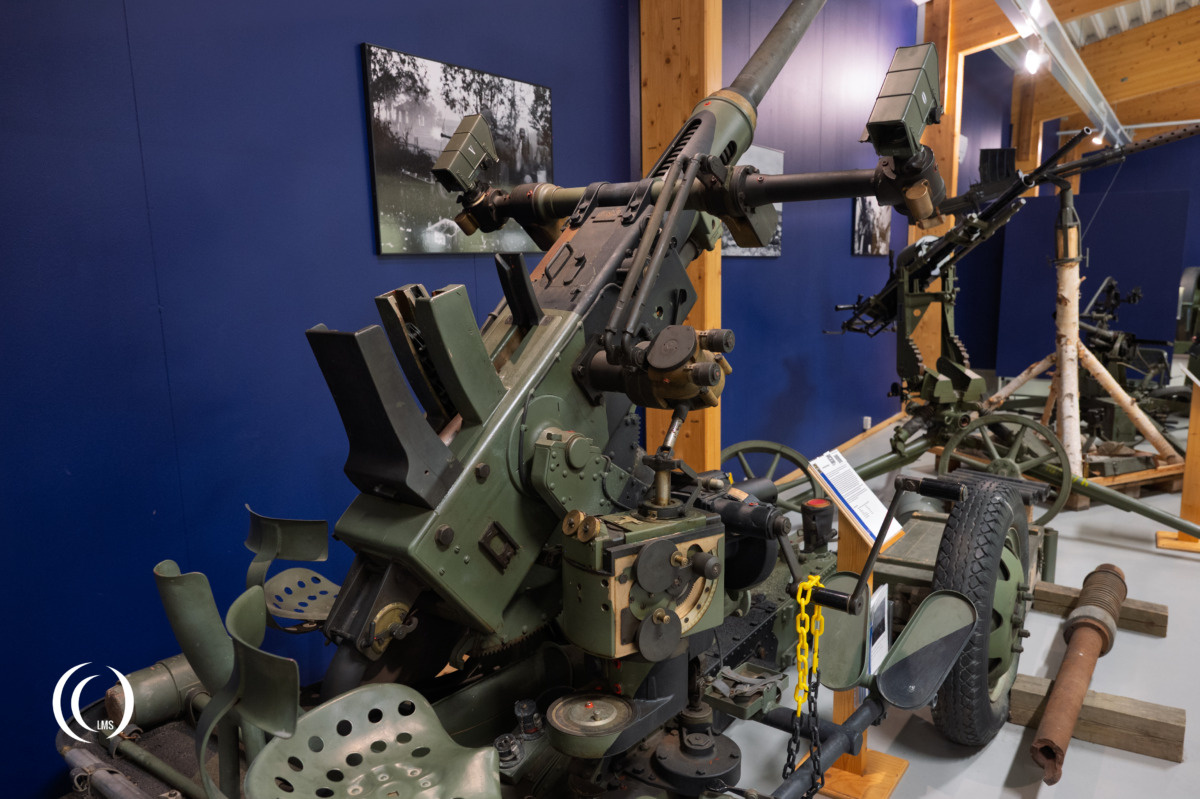
During the Second World War, Britain, the United States, and other Allied nations manufactured the gun in large numbers. Continuous improvements to its mounting, sights, and fire-control systems enhanced its effectiveness, establishing the Bofors as one of the war’s most successful and widely used anti-aircraft weapons.
Features
The gun’s principal features included its 40 mm calibre, high rate of fire, and excellent mobility. Depending on the model and ammunition, it could fire approximately 120 rounds per minute, with a practical rate of around 80–100 rounds per minute. Its effective ceiling was approximately 3,800 metres, making it particularly effective against dive-bombers, attack aircraft, and other low- to medium-altitude targets. Its maximum attainable ceiling was approximately 7,200 m.
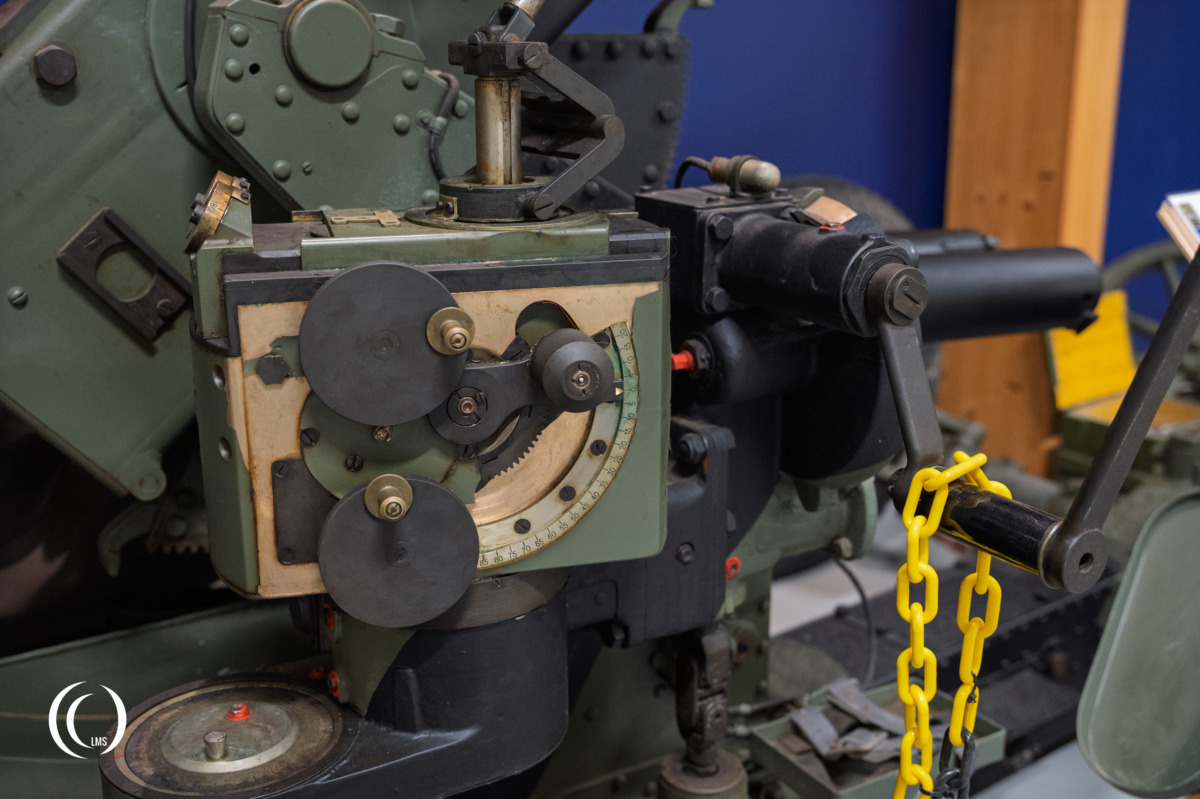
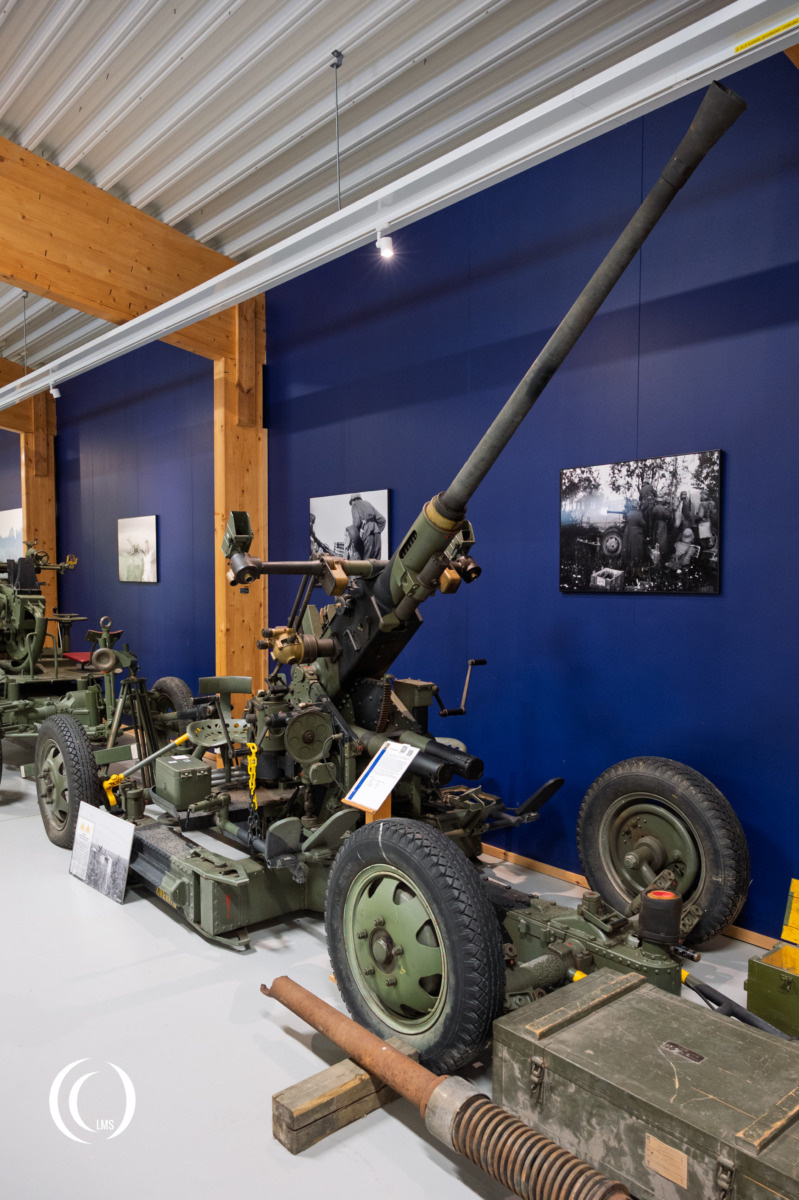
The Bofors typically used a four-round ammunition clip loaded into the weapon’s automatic feeding mechanism. Its recoil-operated system provided a reliable performance, while its relatively lightweight construction allowed it to be mounted on mobile trailers, naval vessels, and fixed defensive positions. Depending on the configuration, the gun could be operated by a crew of four to six men.
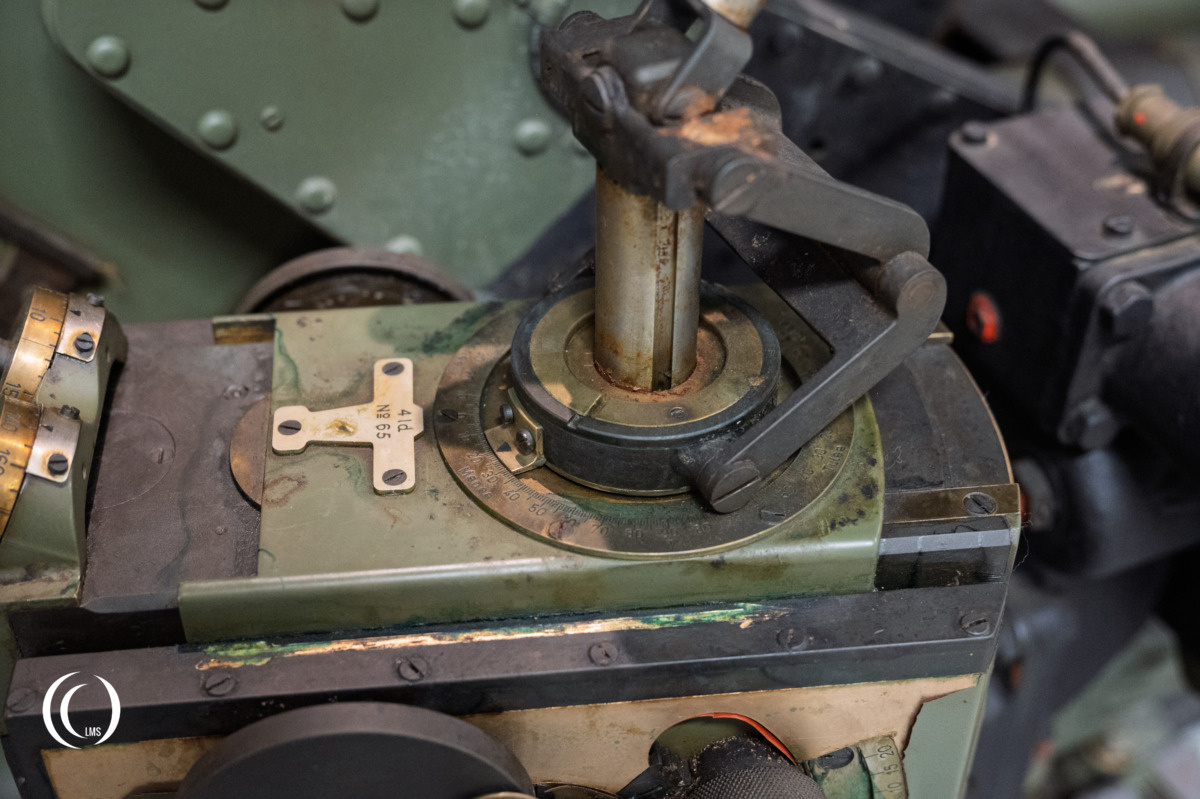
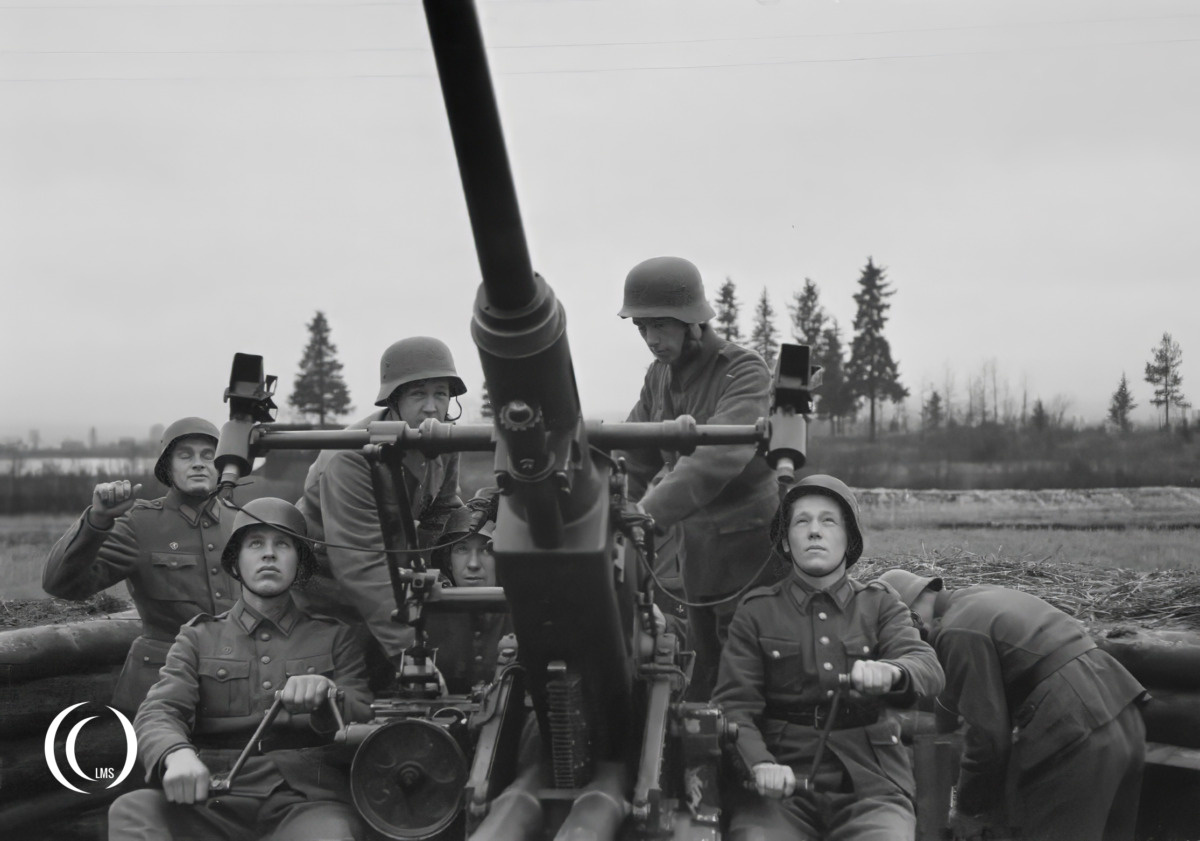
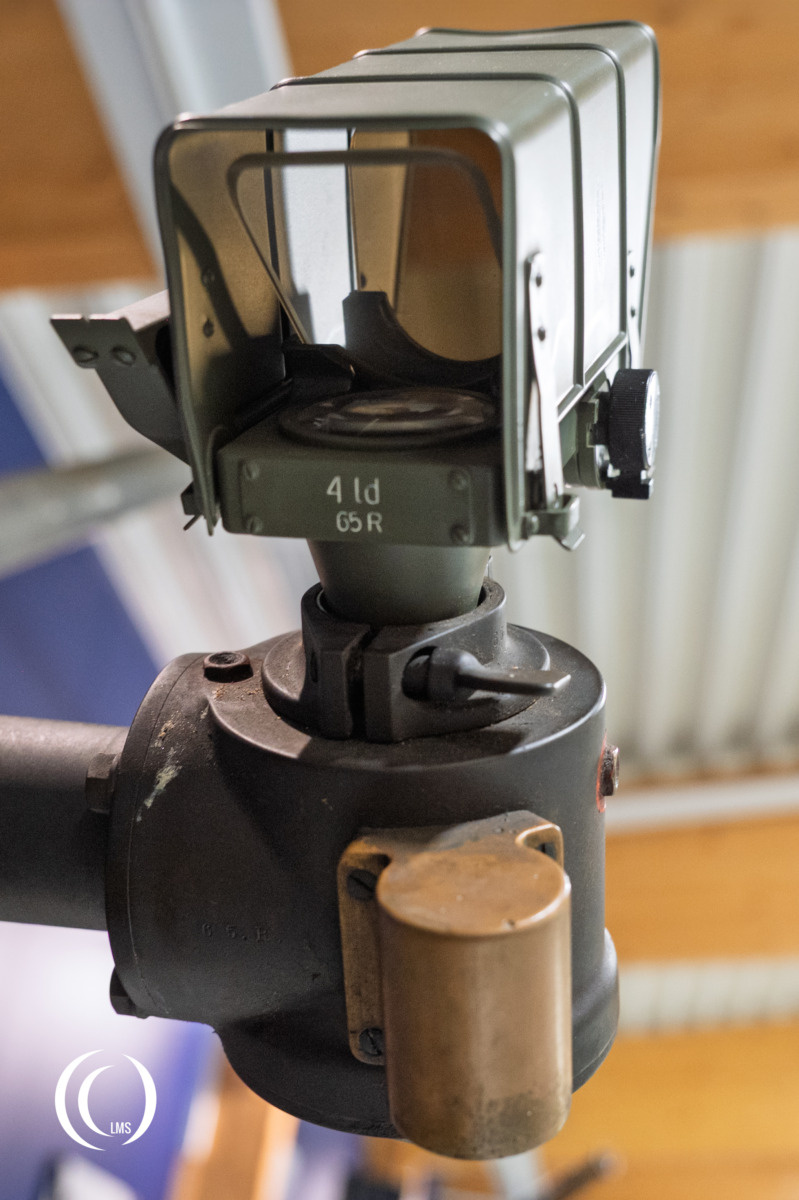
Although early versions relied on optical sights and manual aiming, later installations could be equipped with advanced fire-control systems and radar-assisted targeting, which significantly improved accuracy against fast-moving aircraft. The trainer and layer were both provided with reflector sights for aiming, while a third crew-member, standing behind them, “adjusted” for lead using a simple mechanical computer. Power for the sights was supplied from a 6V battery.
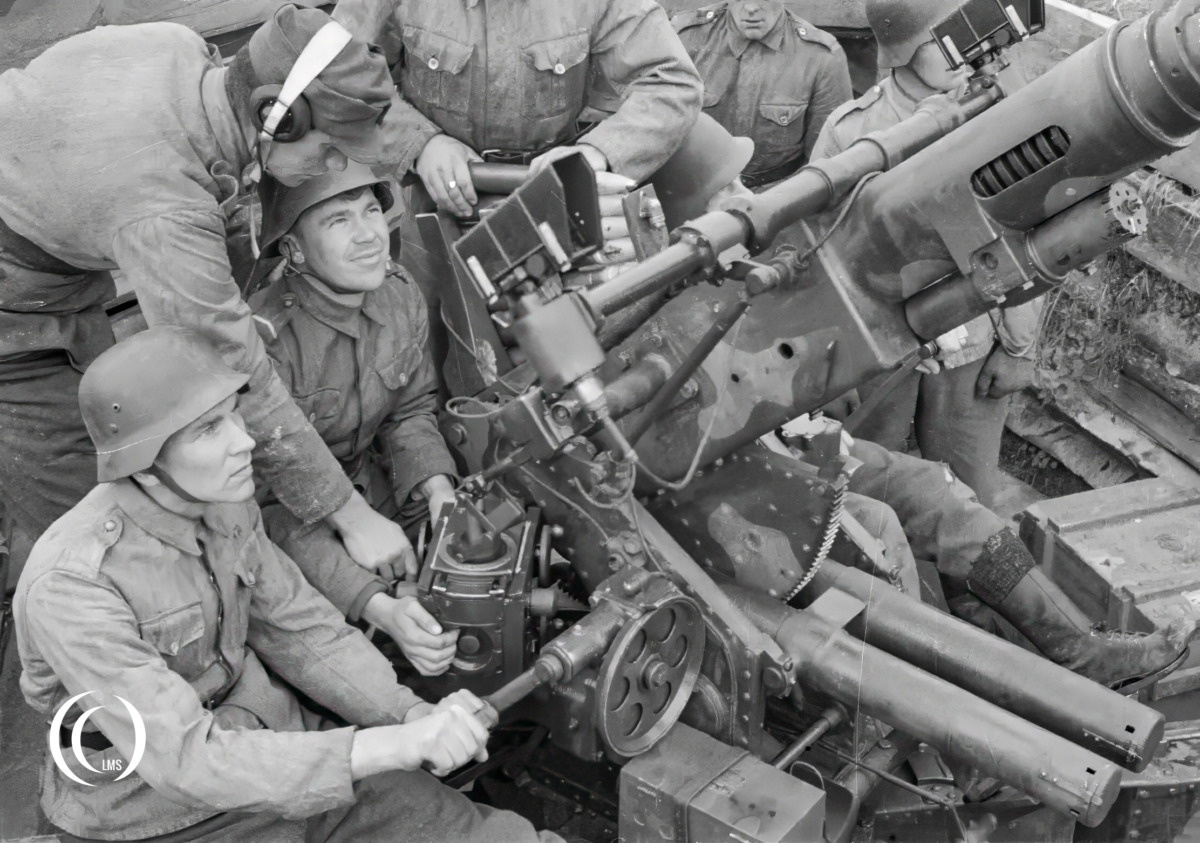
In Finnish service
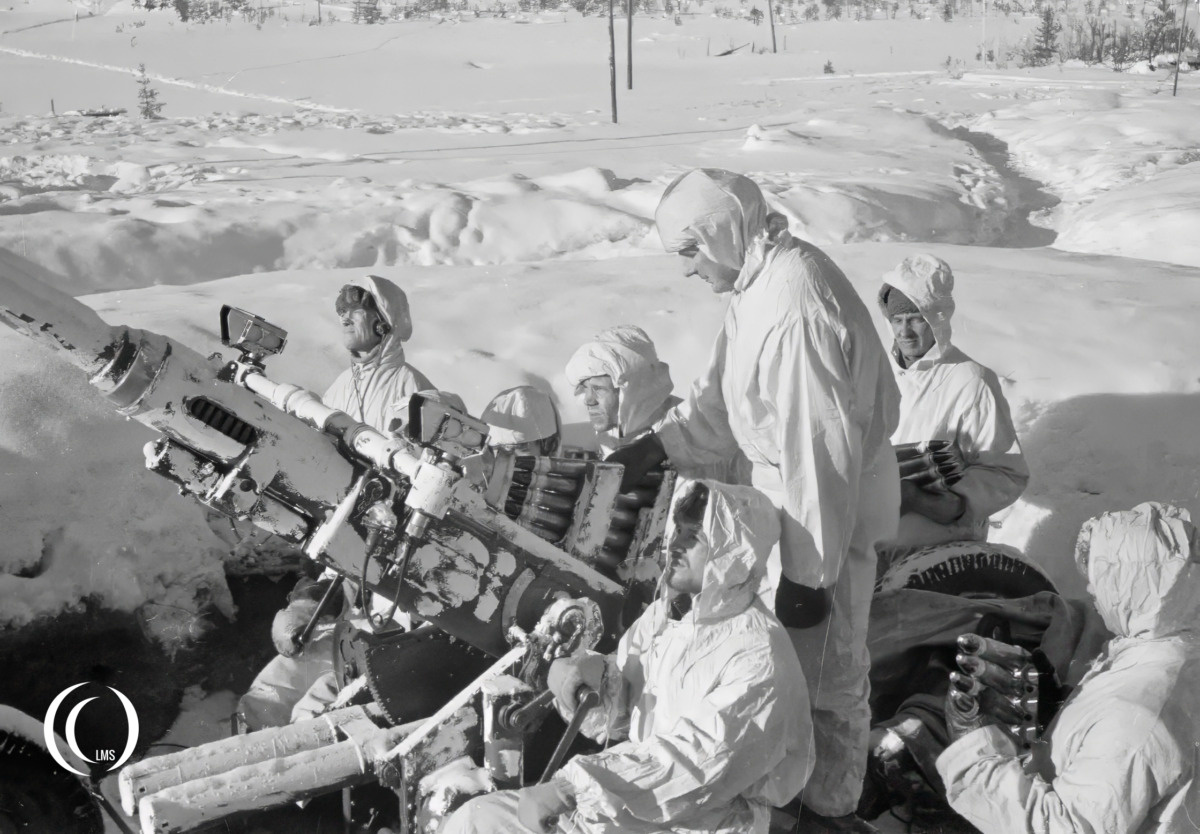
The first nine 40 mm anti-aircraft guns arrived in Finland in the spring of 1939. Eight were assigned to anti-aircraft units, while one was delivered to the State Artillery Factory (Valtion Tykkitehdas or VTT) in Jyväskylä for manufacturing purposes. In the summer of 1939, personnel training was carried out using the guns, after which the first combat exercises were conducted with live ammunition on the Karelian Isthmus.
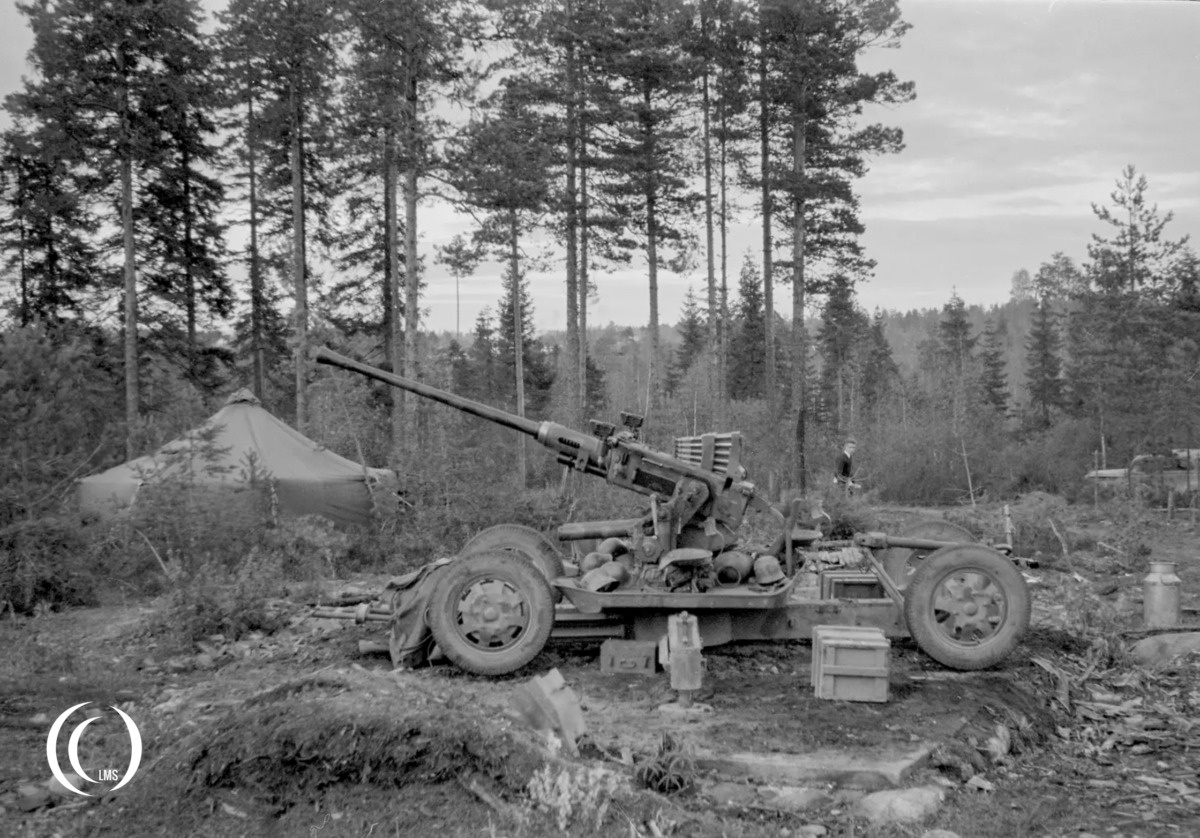
Between October and November 1939, Finland purchased another 56 guns from AB Bofors. As a result, by the beginning of the Winter War, Finland had managed to establish eight batteries equipped with 40 mm Bofors guns, providing light anti-aircraft protection. During the Winter War, Finland also purchased 36 guns from Bofors, followed by another 130 guns from Germany during the Interim Peace.
Licensed production in Finland
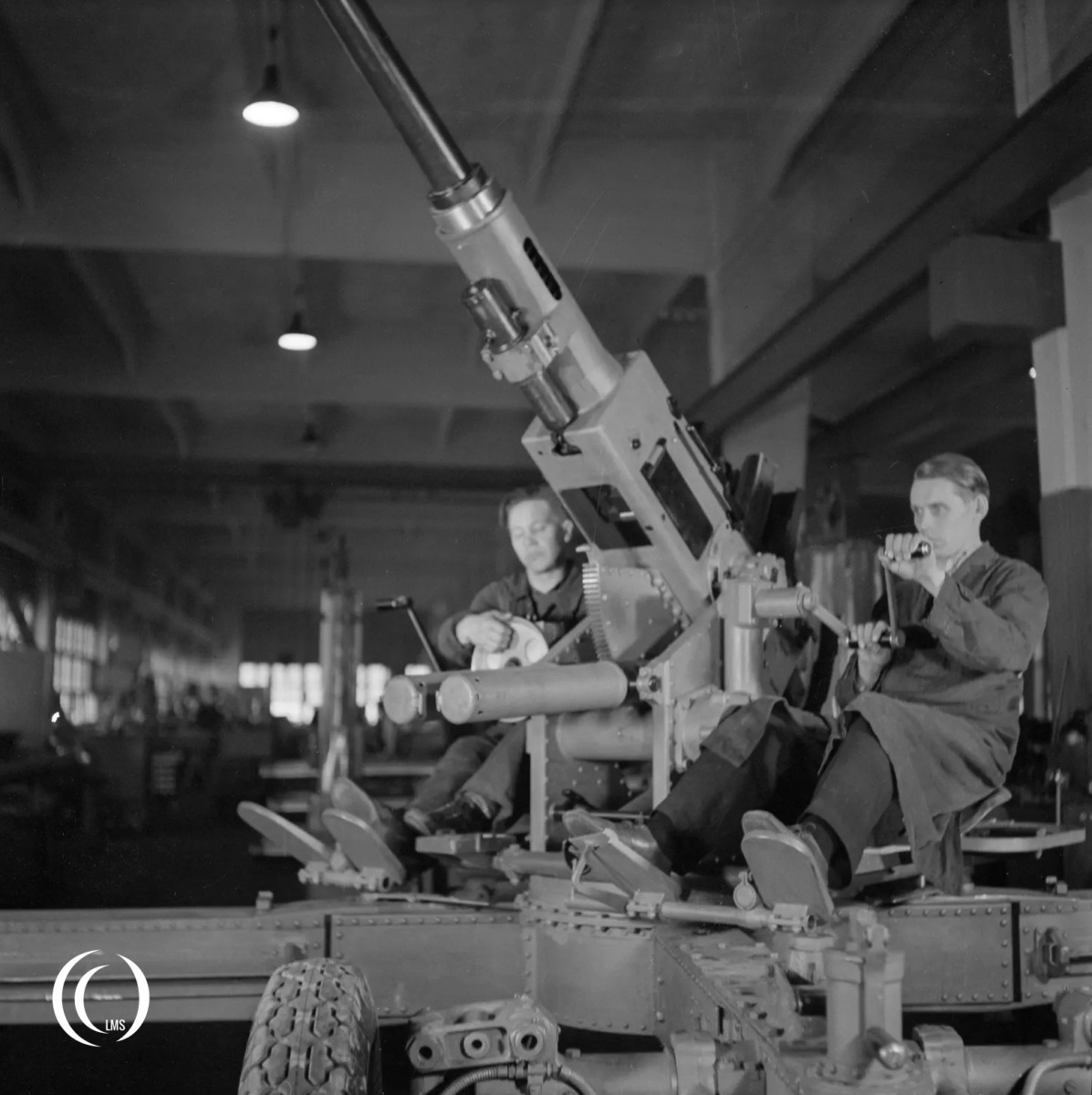
At the beginning of the Continuation War in 1941, the first 20 guns manufactured at the State Artillery Factory (VTT) entered service. A further 35 were delivered in 1942, followed by another 16 in 1944. In 1942, Finland also acquired 40 mm Bofors guns from Russia, captured as war booty. In total, 278 Bofors guns were in service with Finnish forces during the wars.
Proven reputation
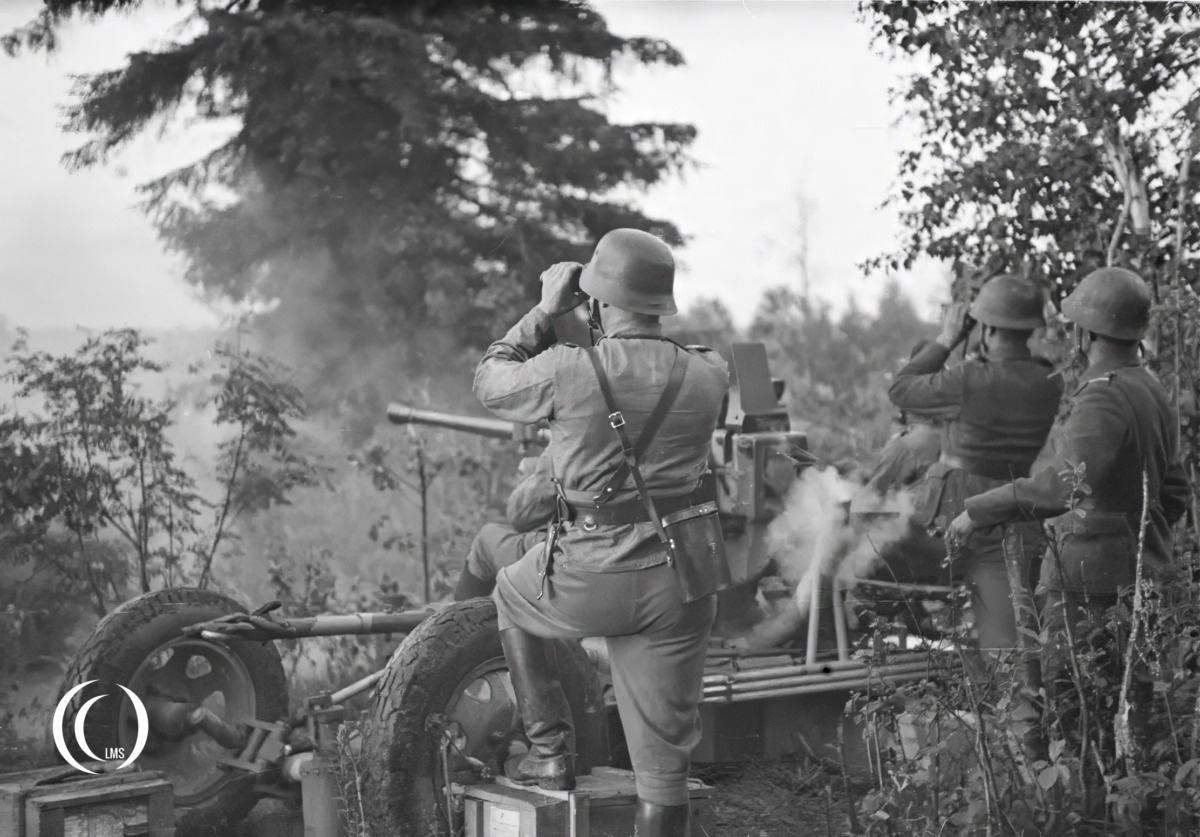
The 40 mm Bofors gun proved worthy of its reputation. During the Winter War, these guns shot down 128 enemy aircraft. During the Continuation War, the number of enemy aircraft destroyed by Finnish forces using these guns rose to more than 500.
Post war
Its enduring design continued to serve in military forces worldwide long after 1945. In the Finnish Army, training conscripts to operate the 40 mm gun ended in 1986, and the weapon system was withdrawn from service in 1992. Some Bofors guns were modernised in the early 1960s with motorised traverse mechanisms (designated 40 ItK/36-59). These modernised guns were withdrawn from service in 2000.
Technical specifications
- Manufacturer (under licence)
State Artillery Factory (Valtion Tykkitehdas or VTT) - Calibre
40 mm - Crew
4 to 6 men - Muzzle velocity
800 m/s - Rate of fire
80-120 rounds per minute - Effective range
2,500 m - Weight in transport configuration
2,100 kg - Weight in firing configuration
2,000 kg
Sources
- ilmatorjuntamuseo.fi
- jaegerplatoon.net
- saab.com
- sa-kuva.fi
- wikipedia.org
