History
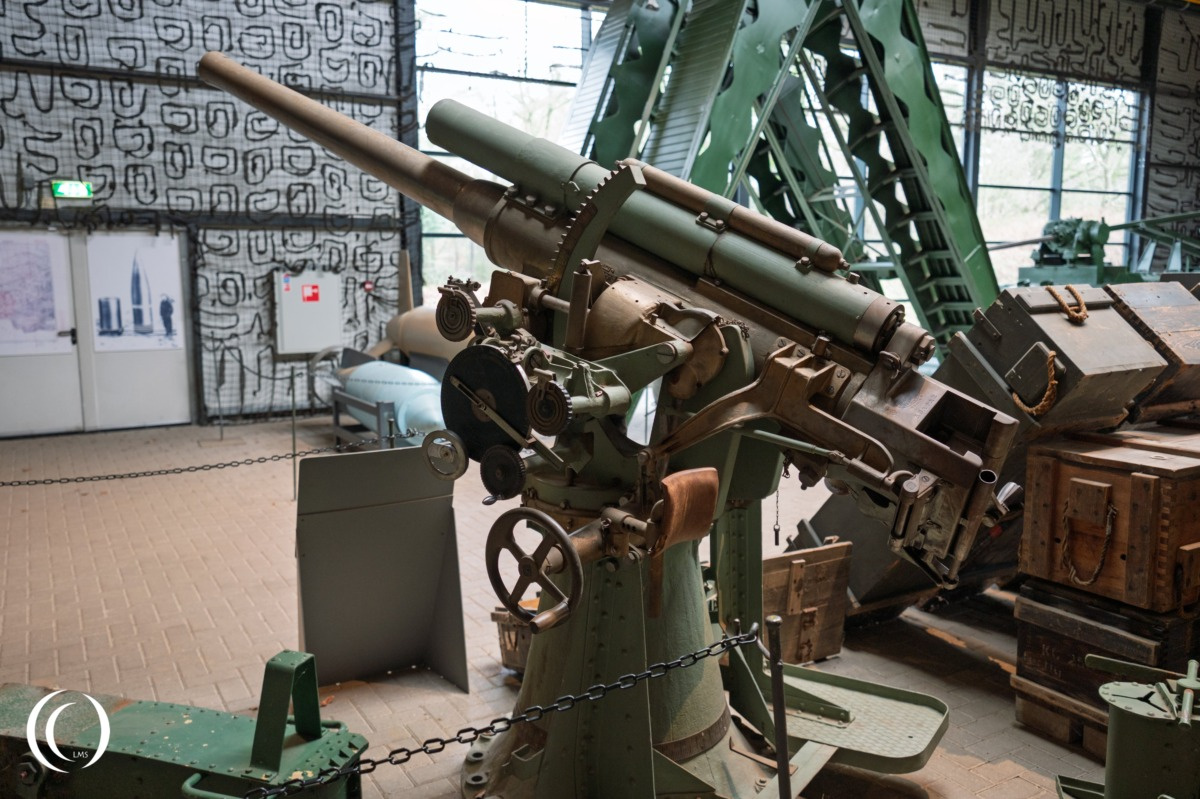
The 8 cm/40 3rd Year Type naval gun was a Japanese naval artillery piece introduced in 1914 (the 3rd year of the Taishō era). It was one of the Imperial Japanese Navy’s earliest standardized medium-caliber guns and reflected Japan’s rapid naval modernization in the early 20th century, influenced by British naval technology.
The 8 cm/40 3rd Year Type naval gun, originally designated the 3-inch/40 Type 41 in 1908 and redesignated in 1917 as the 8 cm/40 3rd Year Type during Japan’s conversion to the metric system, was a Japanese license-built copy of the British QF 12-pounder 12 cwt naval gun, manufactured under licence primarily by the Kure Naval Arsenal and Japan Steel Works, Ltd. (Nihon Seiko Sho). Initially purchased from Armstrong Whitworth and Vickers in the UK, production was later moved to Japan.
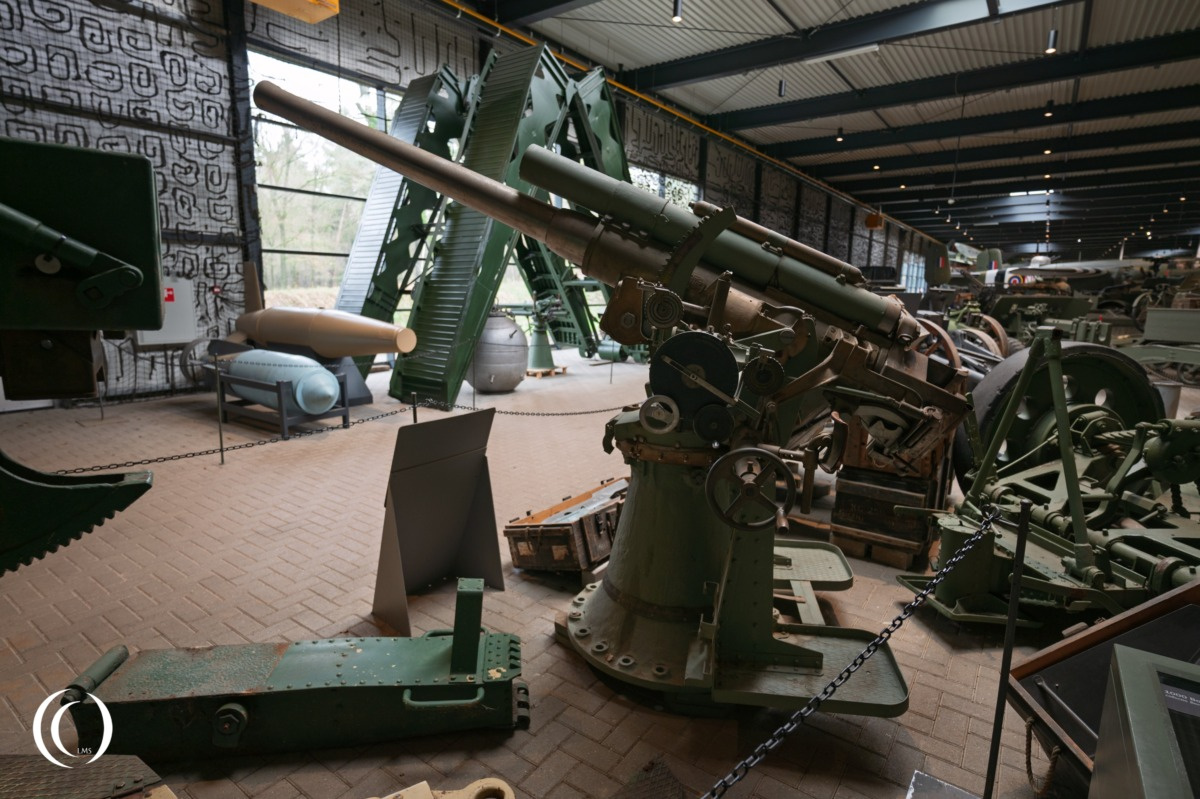
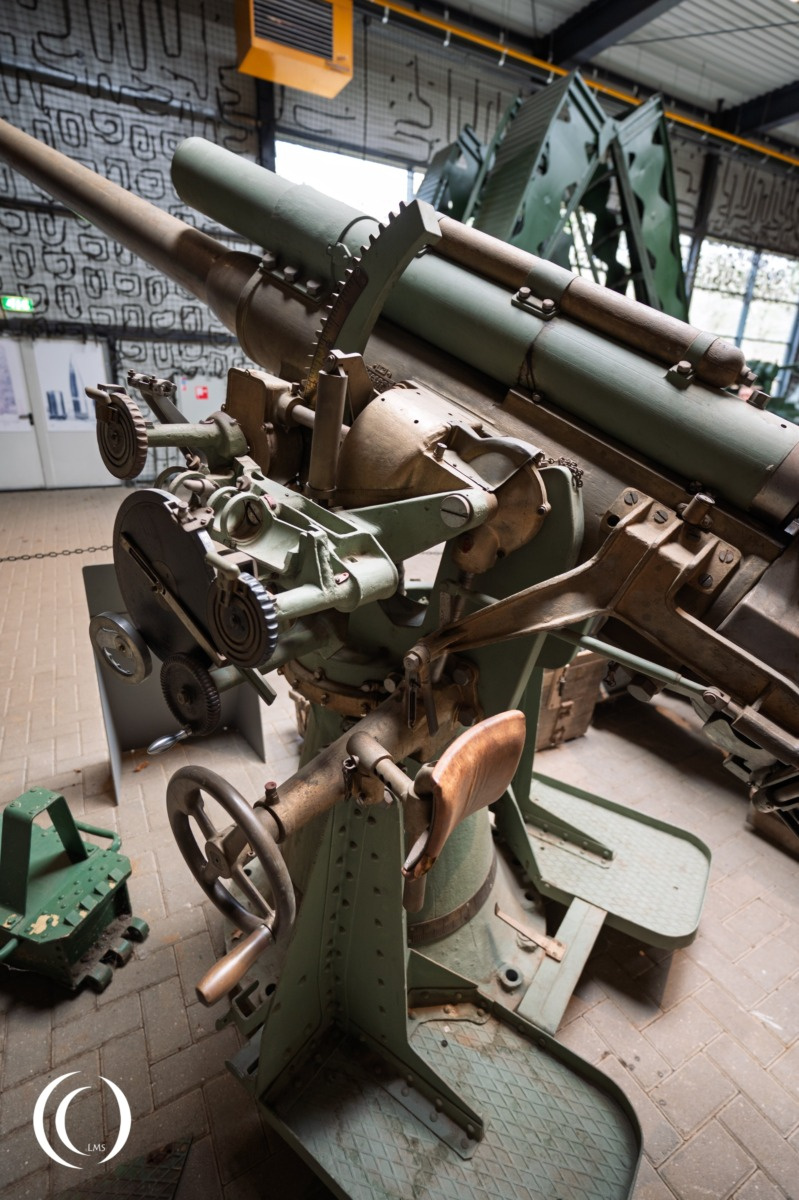
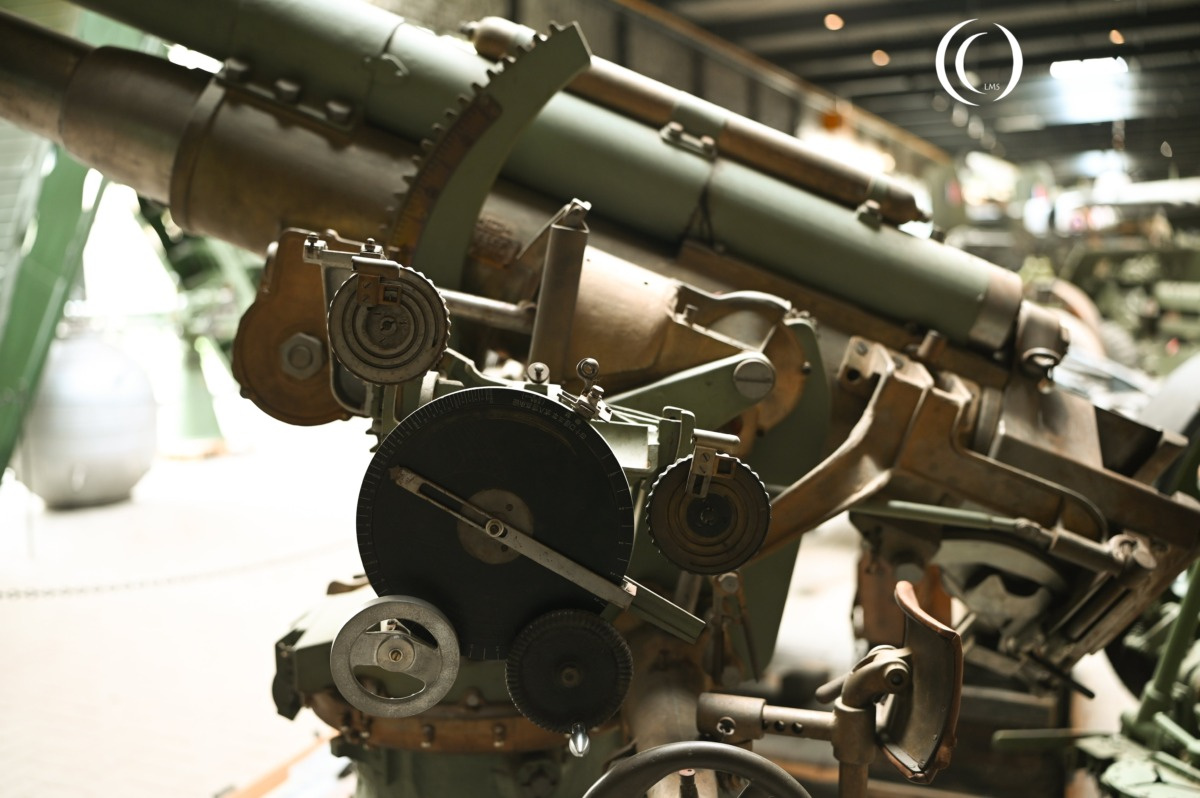
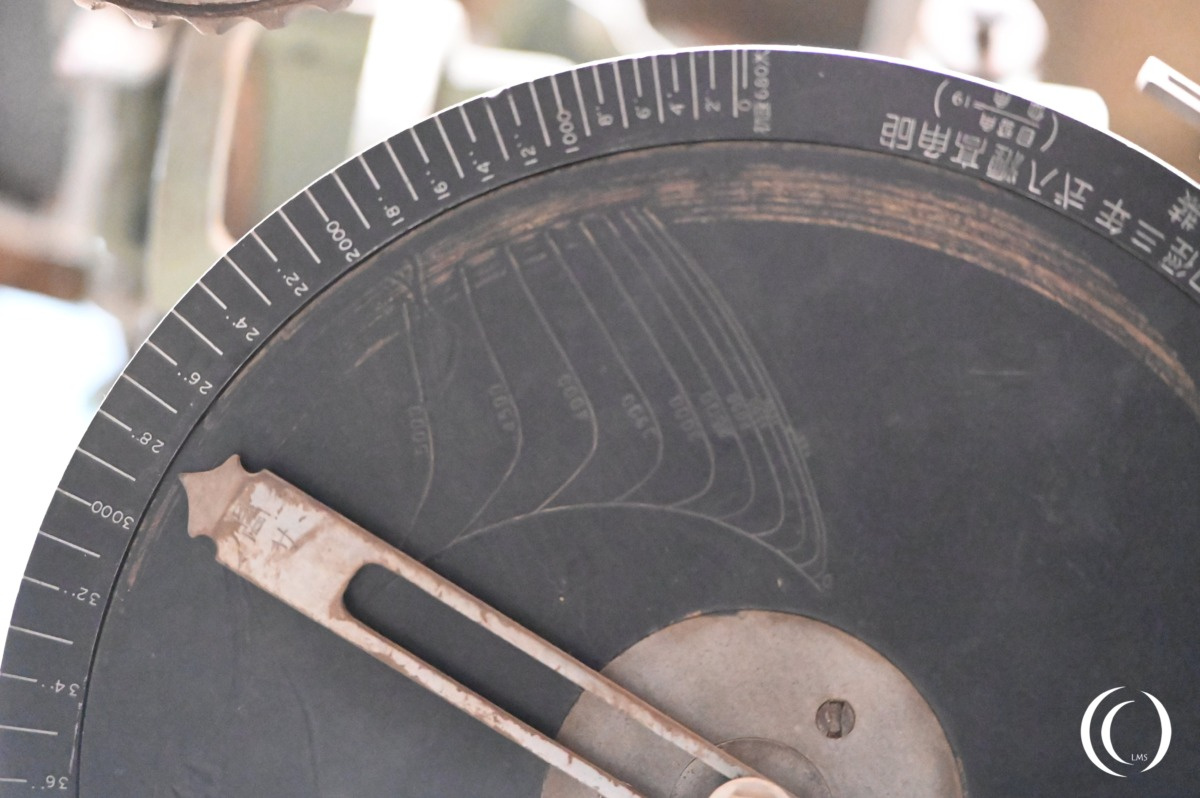
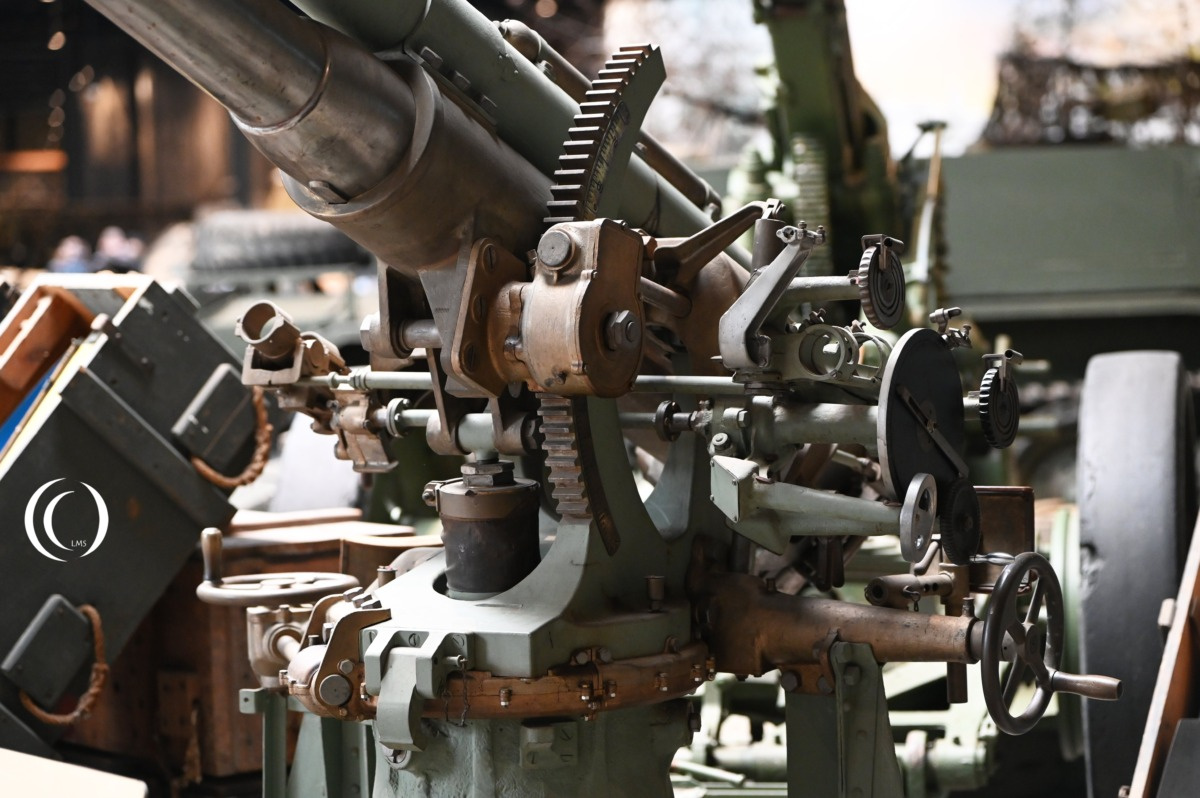
the 8 cm/40 3rd Year Type in the Japanese army
With a caliber of 80 mm and a barrel length of 40 calibers, the gun offered a good balance between range, accuracy, and rate of fire for its time. It was primarily designed for use on small warships such as destroyers, torpedo boats, patrol vessels, and auxiliaries. In addition to shipboard use, the gun was also installed in coastal defense positions and later adapted for limited anti-aircraft roles as aircraft became a growing threat.
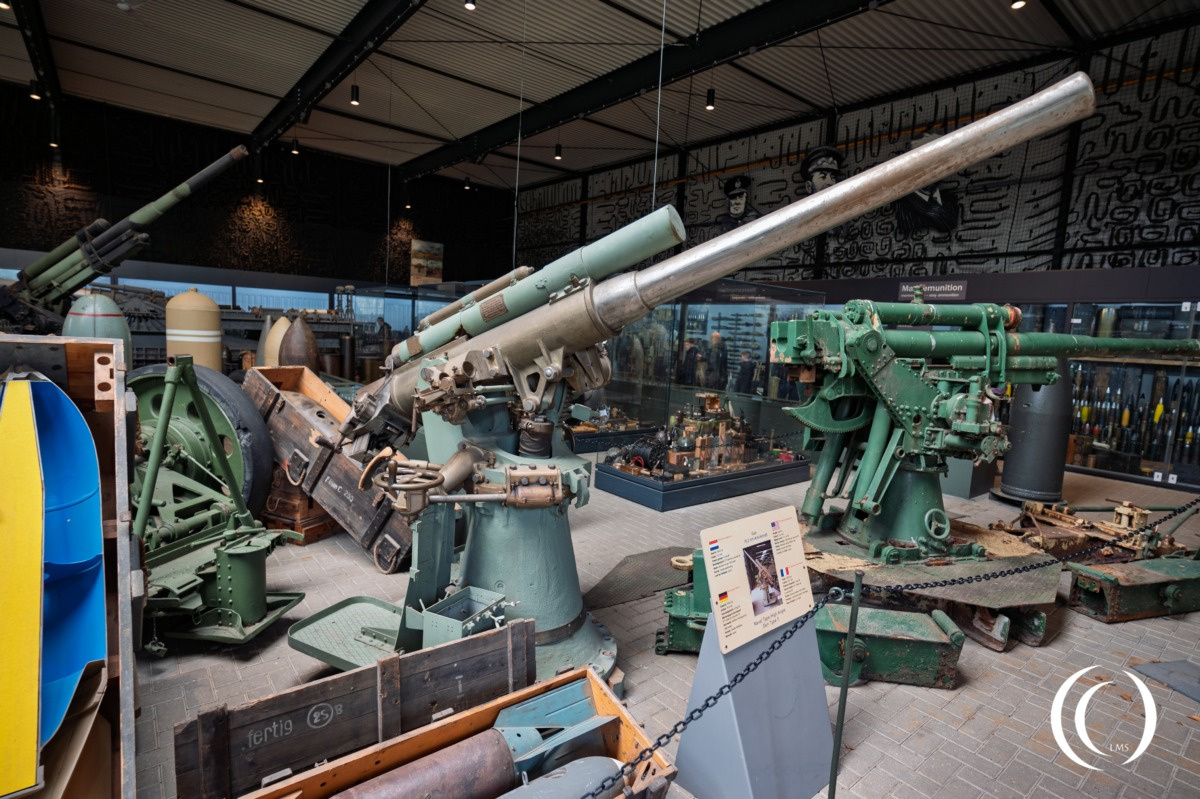
The 8 cm/40 fired fixed or semi-fixed ammunition, allowing relatively rapid handling by the gun crew. Its maximum range was sufficient for surface engagements against lightly armored targets, making it effective against enemy torpedo boats and small craft. While not intended to penetrate heavy armor, it was well suited for defensive and secondary roles.
As naval technology advanced during the 1920s and 1930s, the 8 cm/40 3rd Year Type became increasingly obsolete. It was gradually replaced by more powerful dual-purpose guns, such as the 12 cm and later 10 cm classes, which offered better performance against both surface and aerial targets. However, many 8 cm/40 guns remained in service throughout the Second World War, particularly in secondary roles, training installations, and static coastal defenses.
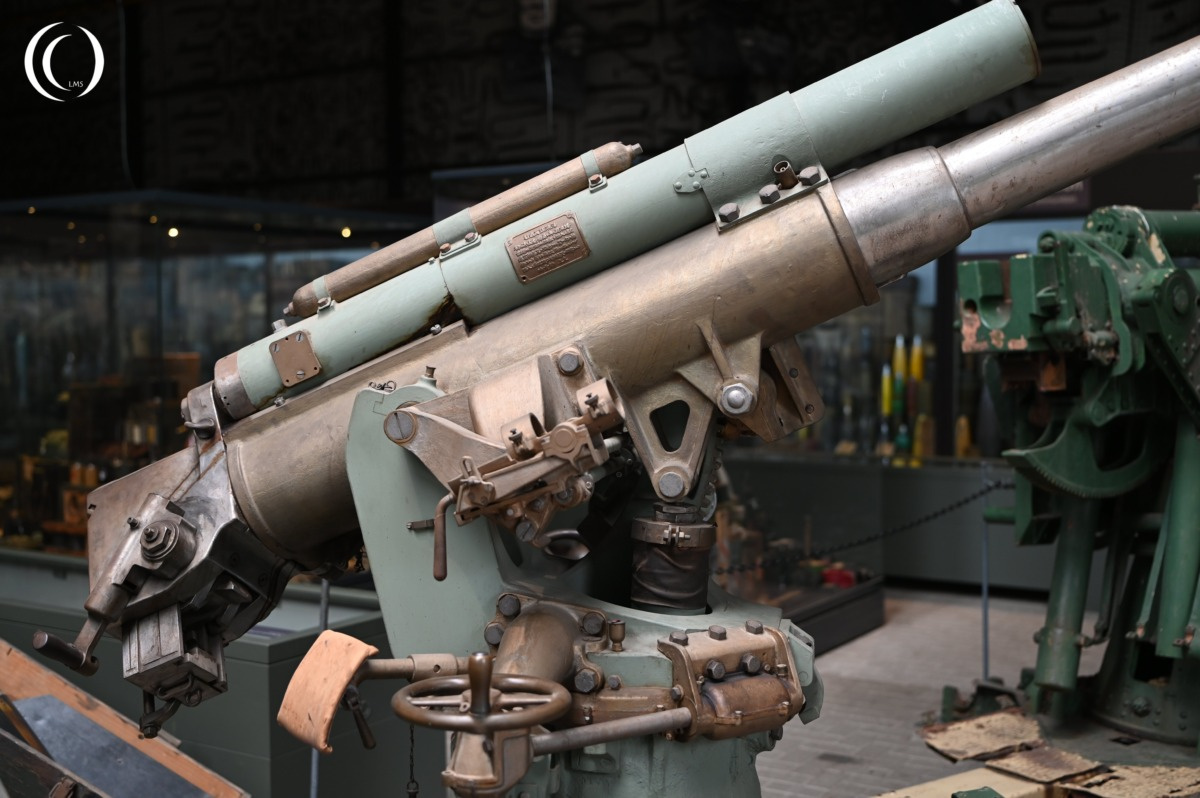
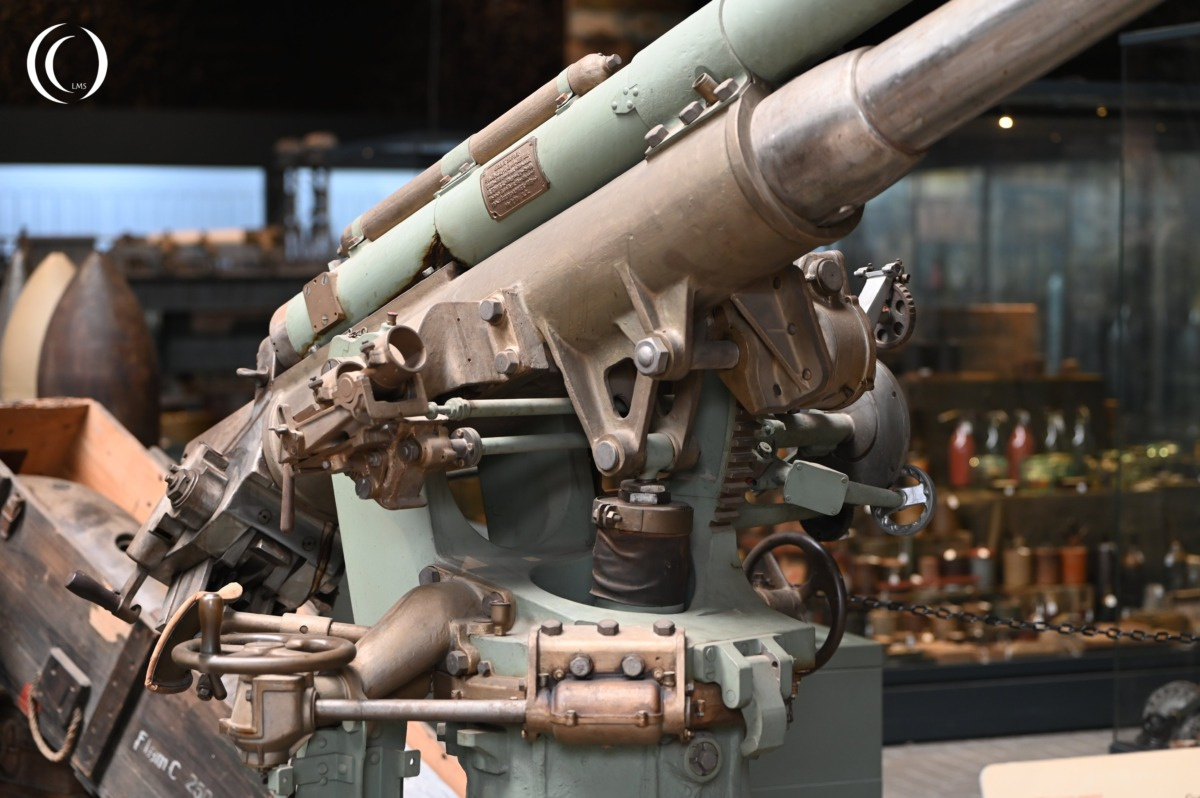
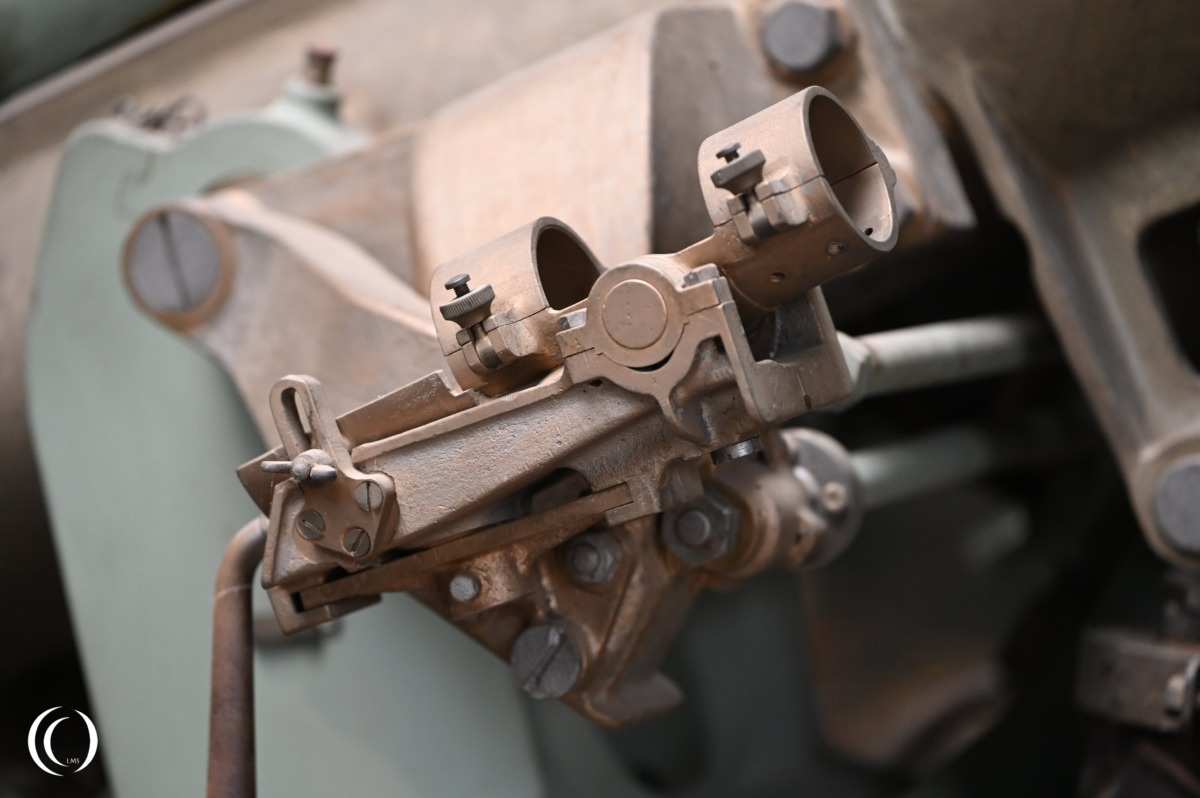
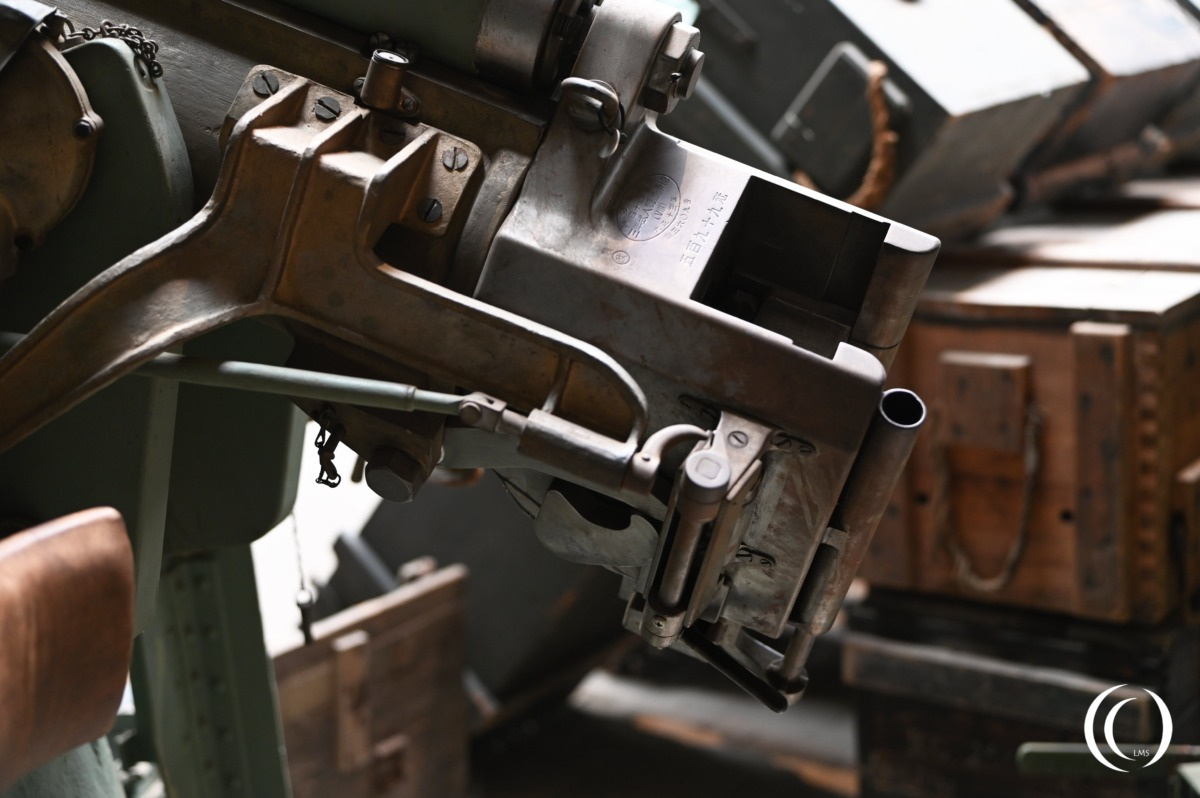
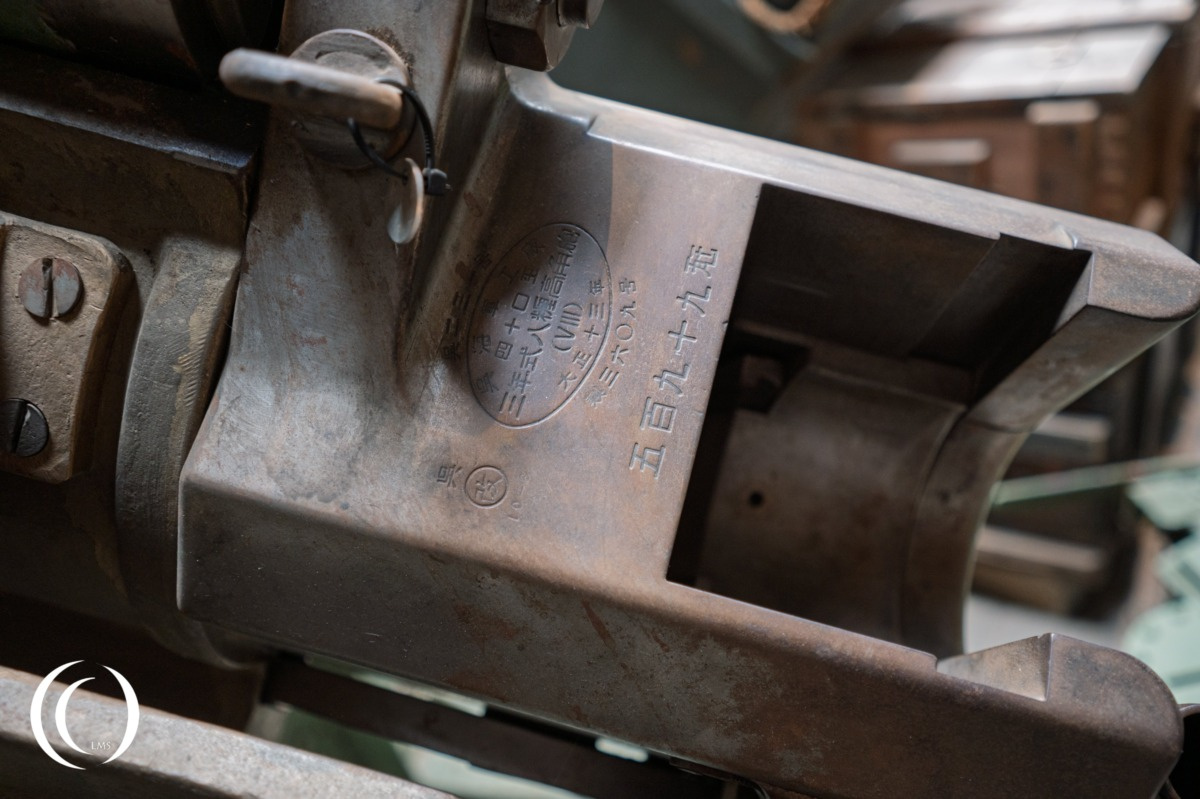
8 cm/40 3rd Year Type Naval Gun – Technical Specifications
The Japanese designation was “8 cm,” the actual bore diameter of all these weapons was 7.62 cm (3.0″).
Service entry: 1914 (Taishō 3)
Caliber: 80 mm (8 cm)
Barrel length:40 calibers – 3.2 m
Weight (gun only): approximately. 700–800 kg
Shell weight was approximately 5.7–6.0 kg
Ammunition type: Fixed or semi-fixed
Projectile types: High-explosive and practice
Crew; typically 5 to 7 personnel
Muzzle velocity: approx. 670–700 m/s
Maximum range: approx. 12,000–13,000 m
Rate of fire: up to 12–15 rounds per minute (crew-dependent)
Elevation & traverse (varied by mount)
Elevation: typically up to +20° to +30°
Traverse: usually manual, mount-dependent
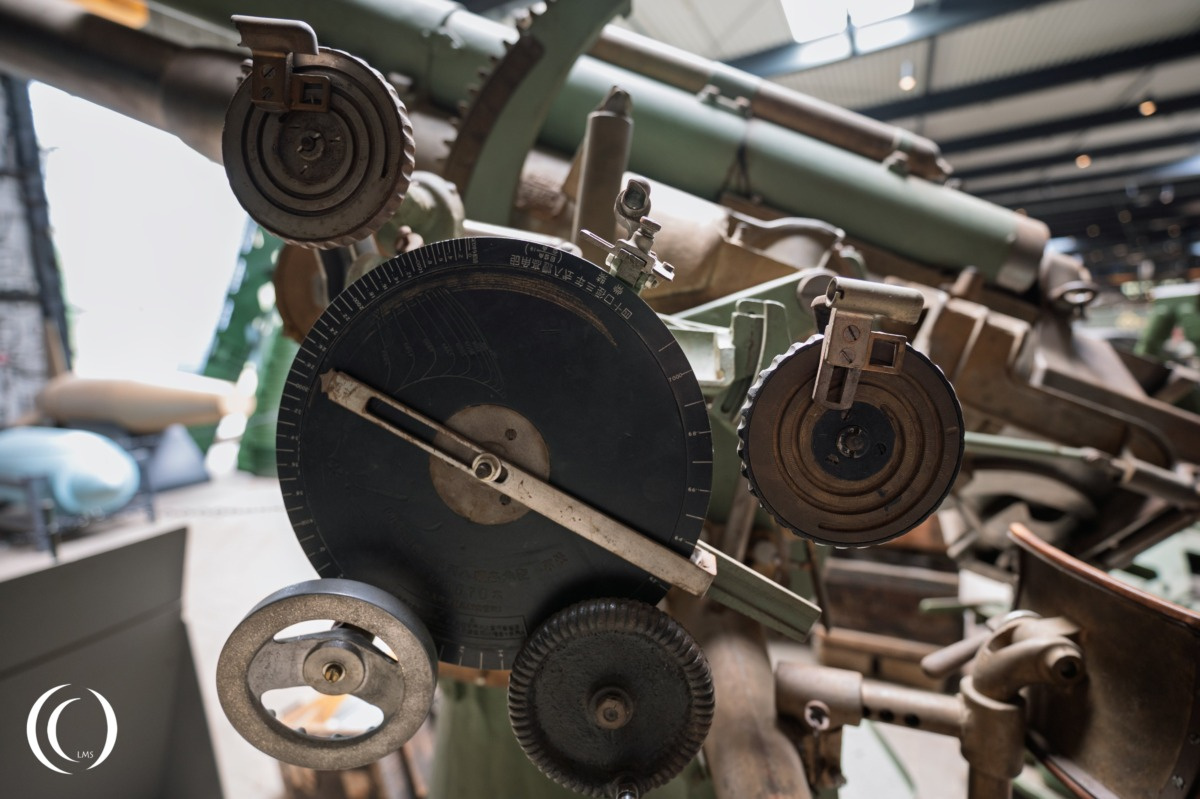
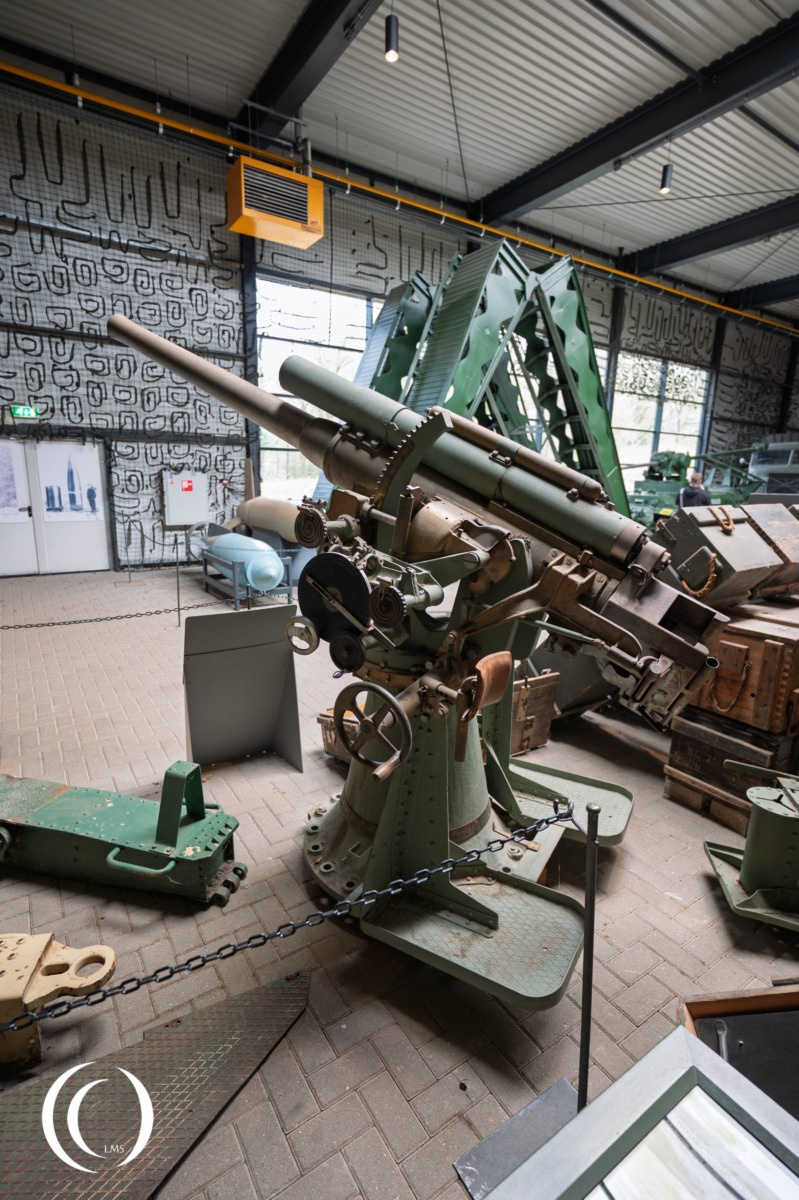
Although the gun was not originally designed as an anti-aircraft weapon, some were later adapted for limited AA use.
By the 1930s it was considered obsolete, but many remained in service during World War II in secondary and static roles.
