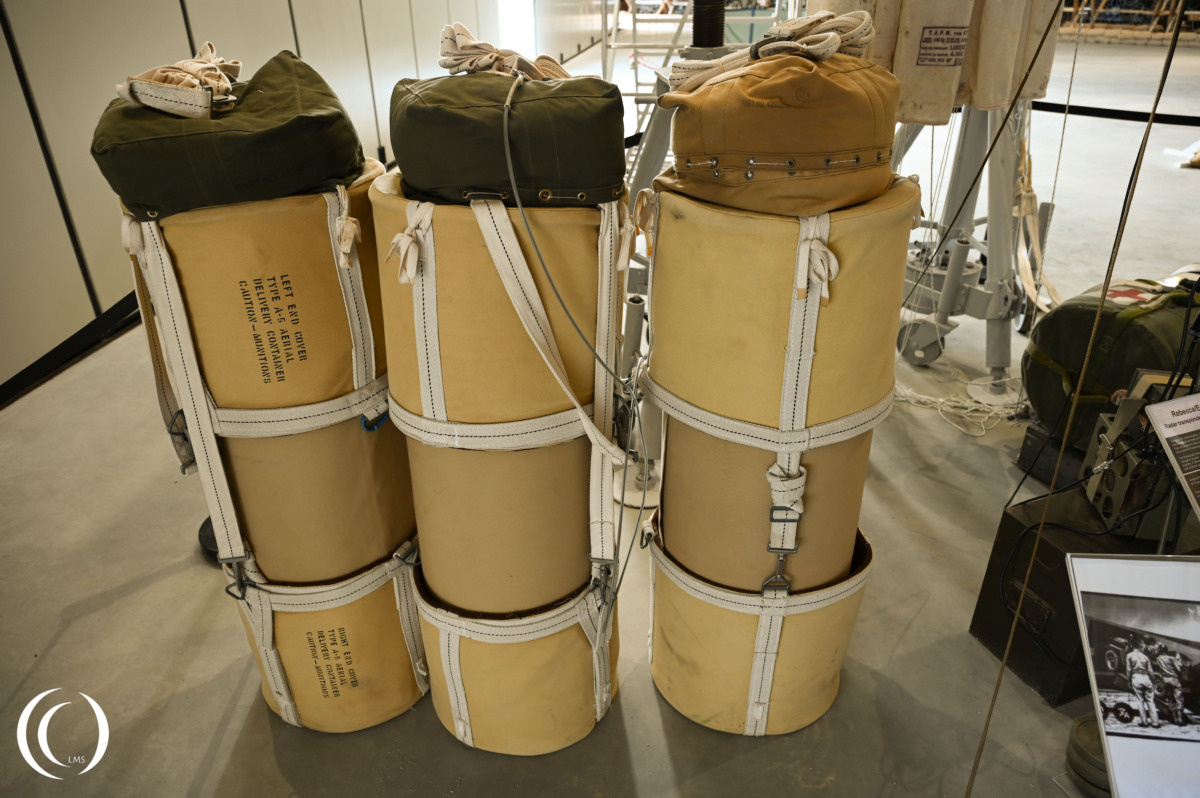
Parapacks and paracaissons are also known as parapods or aerial delivery containers and refer to the exact same concept. These are the specialized, cylindrical supply containers (caissons) and canvas bundles (packs) that were used by the Allies during the Second World War. They were employed to drop heavy equipment, weapons, ammunition, and medical supplies alongside paratroopers.
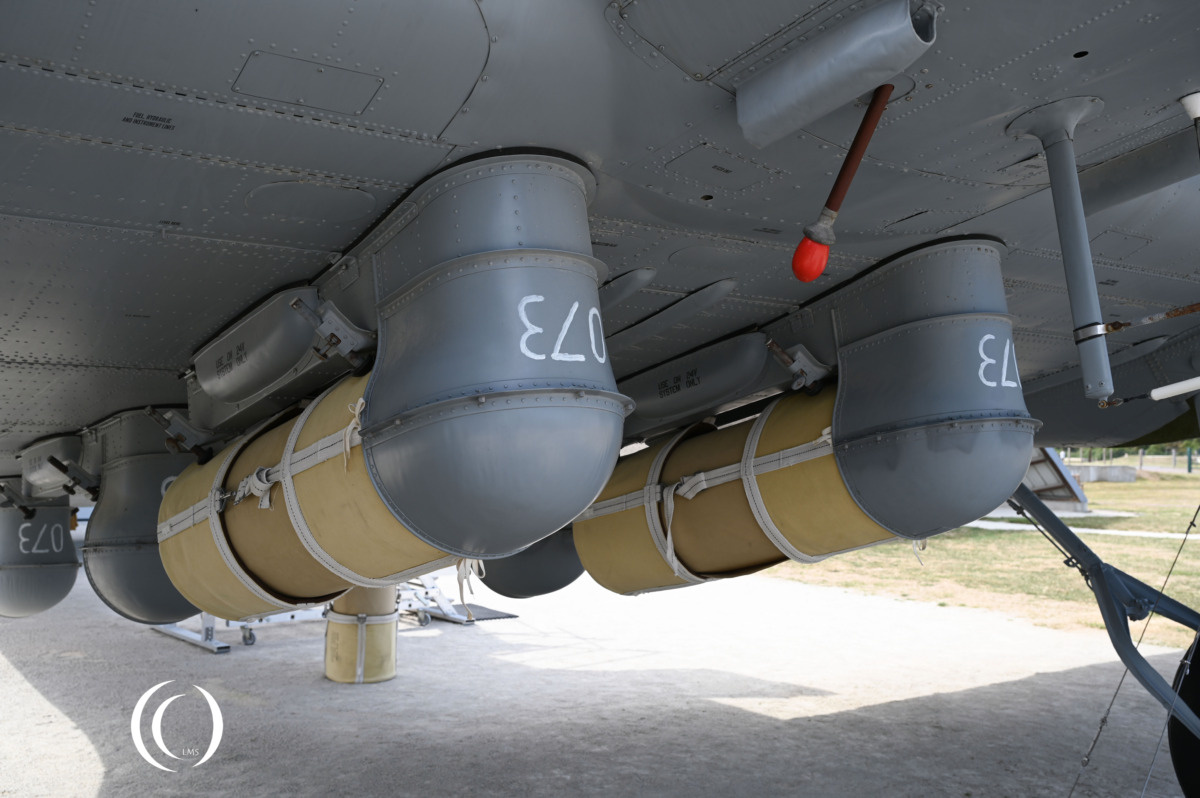
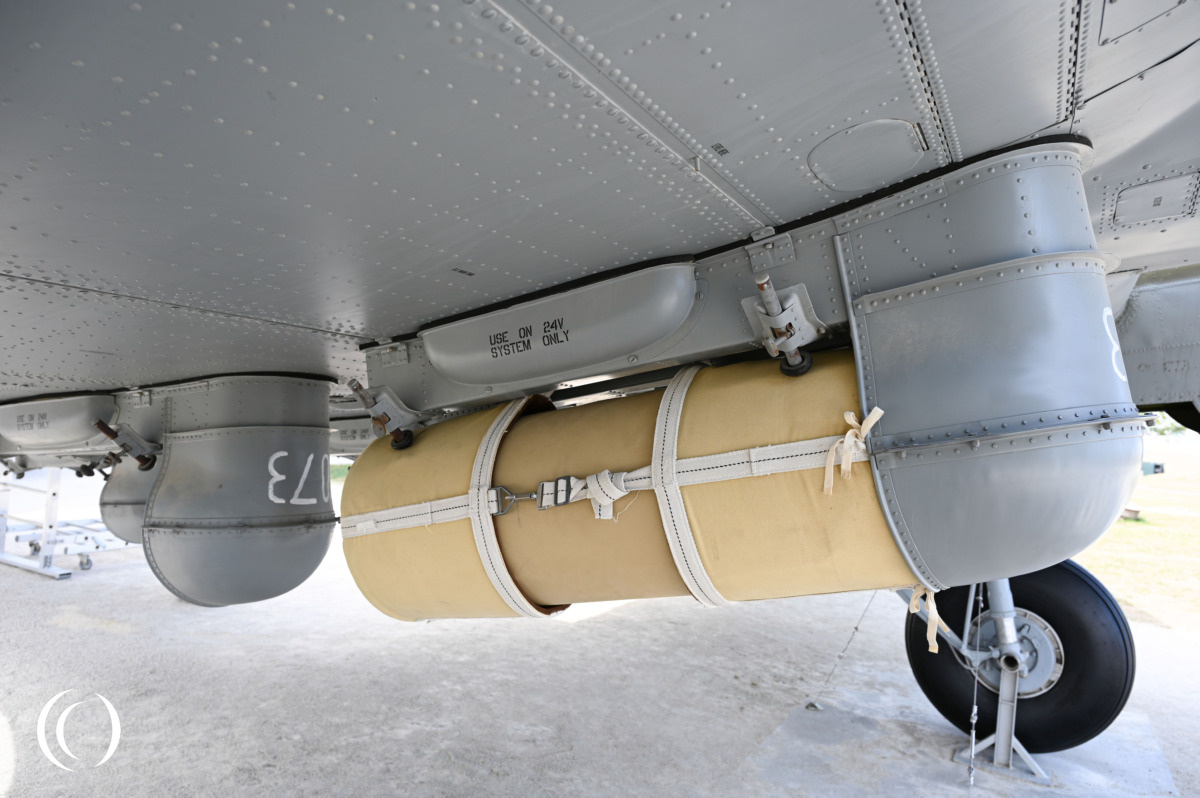
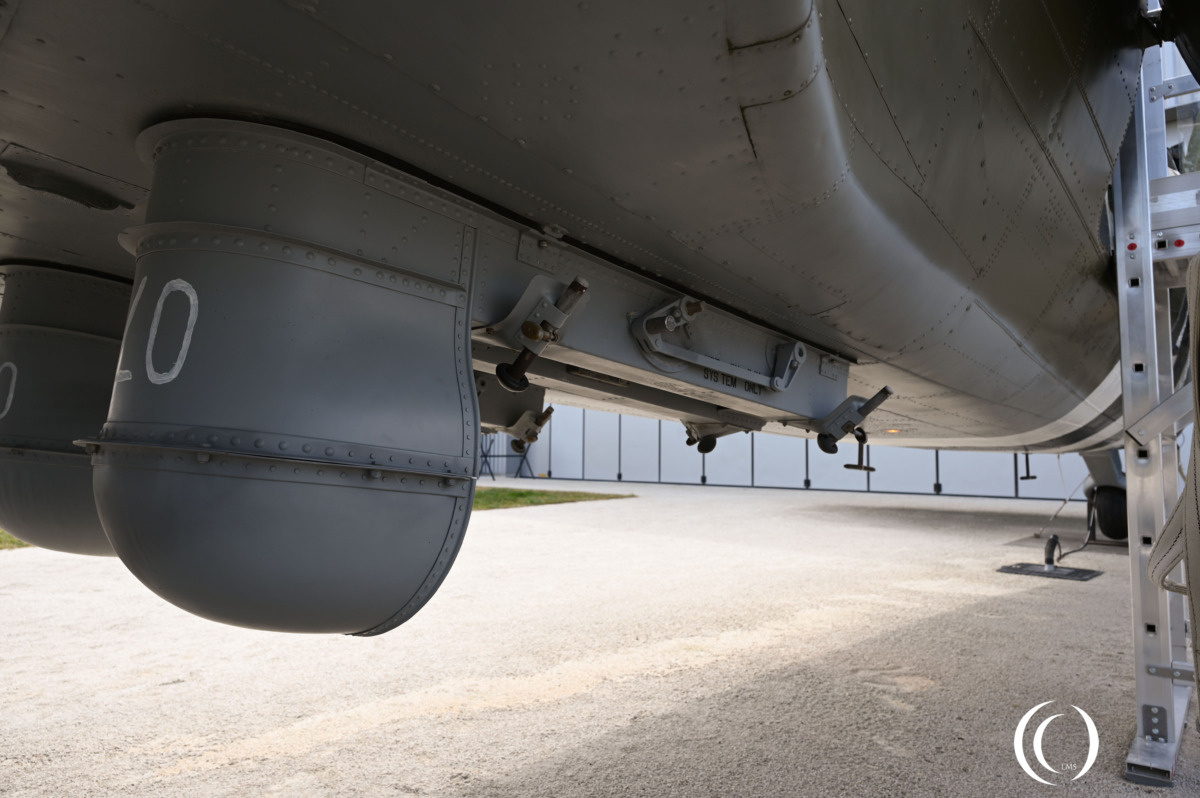
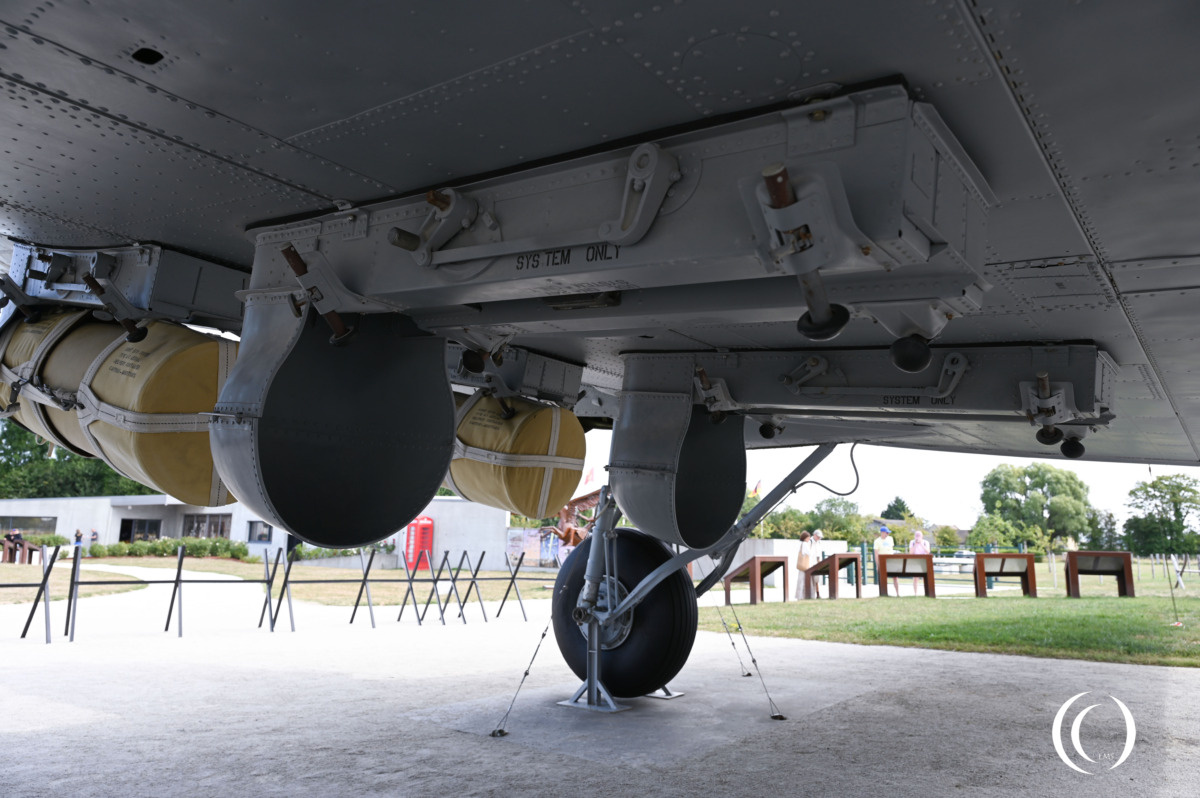
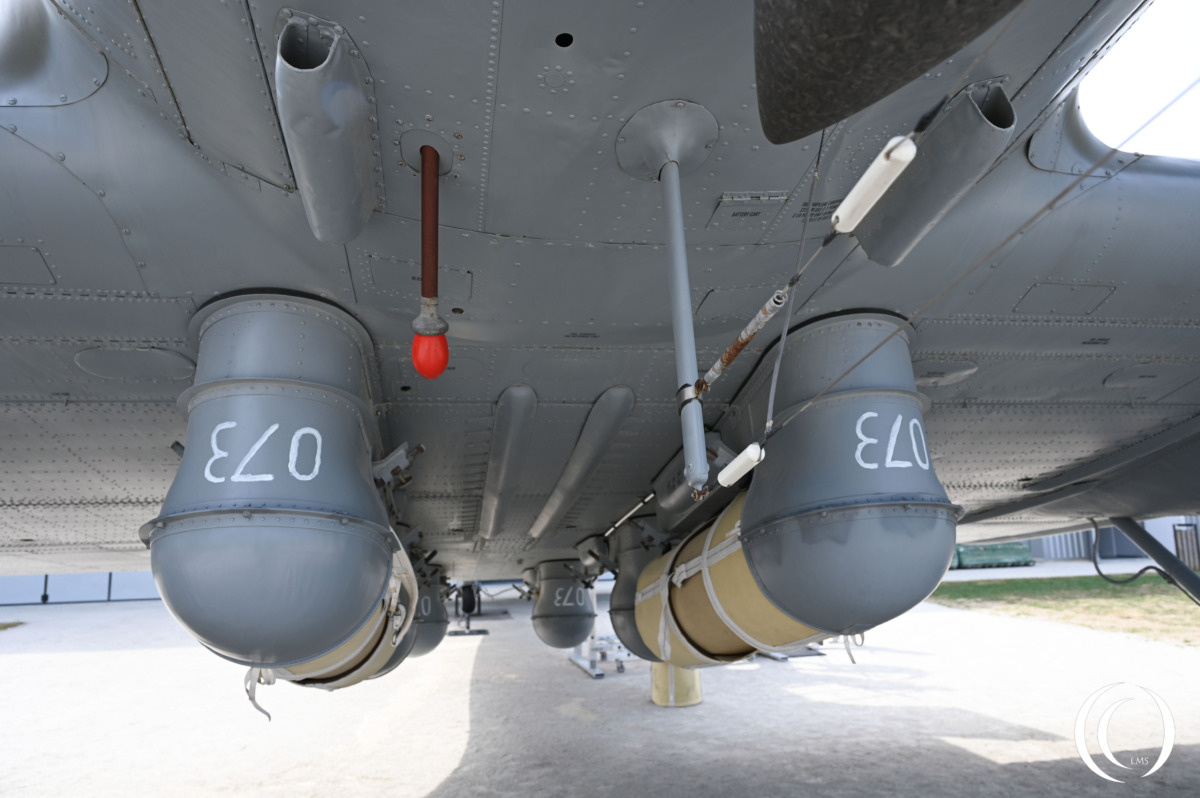
Since paratroopers could only carry a limited amount of gear themselves, these containers held the firepower necessary for operations after landing. Transport aircraft, such as the Douglas C-47 Skytrain, were equipped with special racks, known as “pararacks”, on their underside, which could hold up to six supply containers (paracaissons) or parapacks per flight. A fully loaded container typically weighed between 100 and 125 kg and could, for instance, contain heavy machine guns, mortars, or crates of ammunition.
These supply containers were equipped with their own parachutes, such as the G-1 cargo parachute, as well as colored marker lights or colored parachutes. This allowed troops on the ground, even in the dark, to immediately identify the contents: rations (green), ammunition/weapons (amber), or engineering equipment (red).
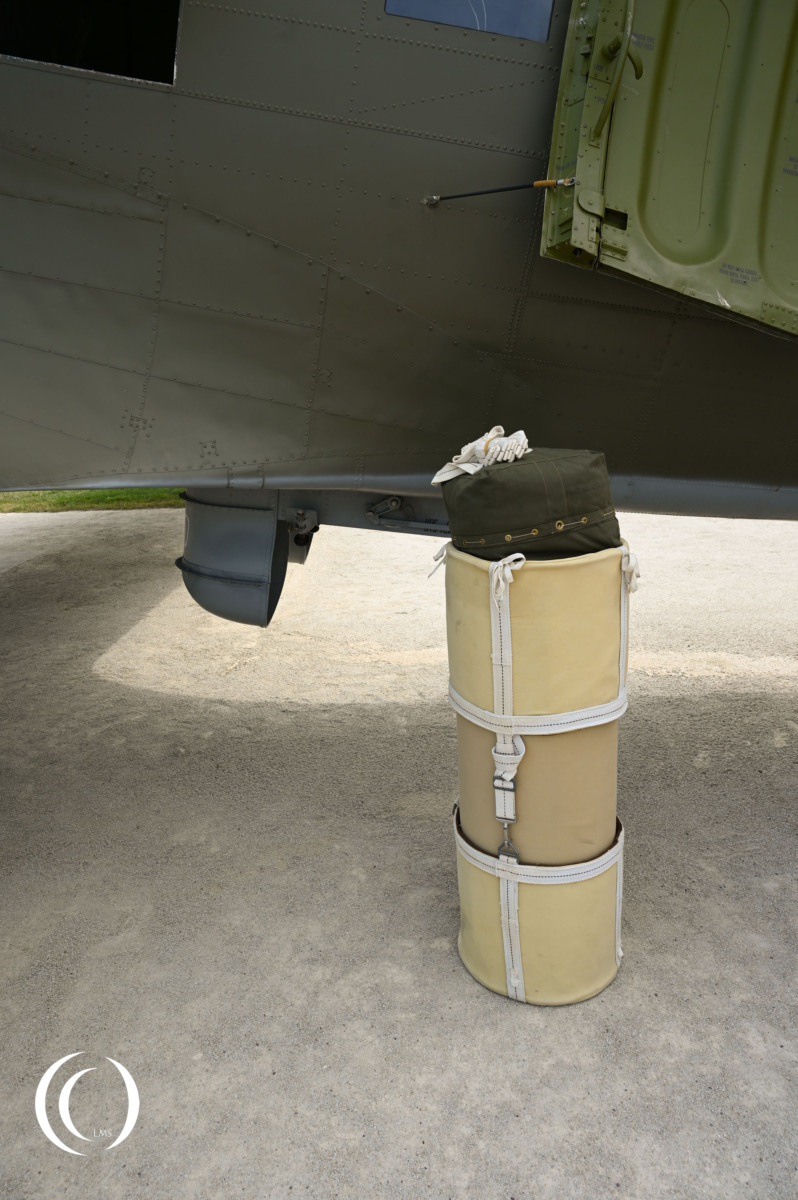
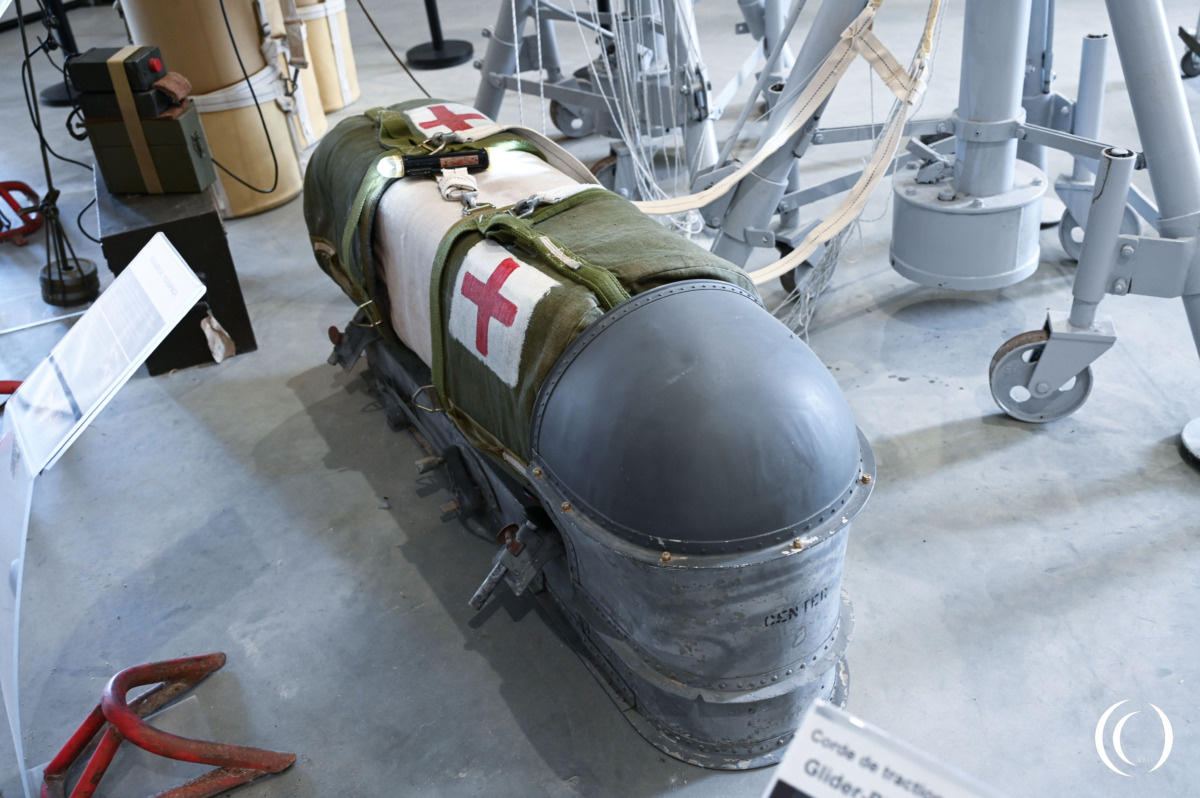
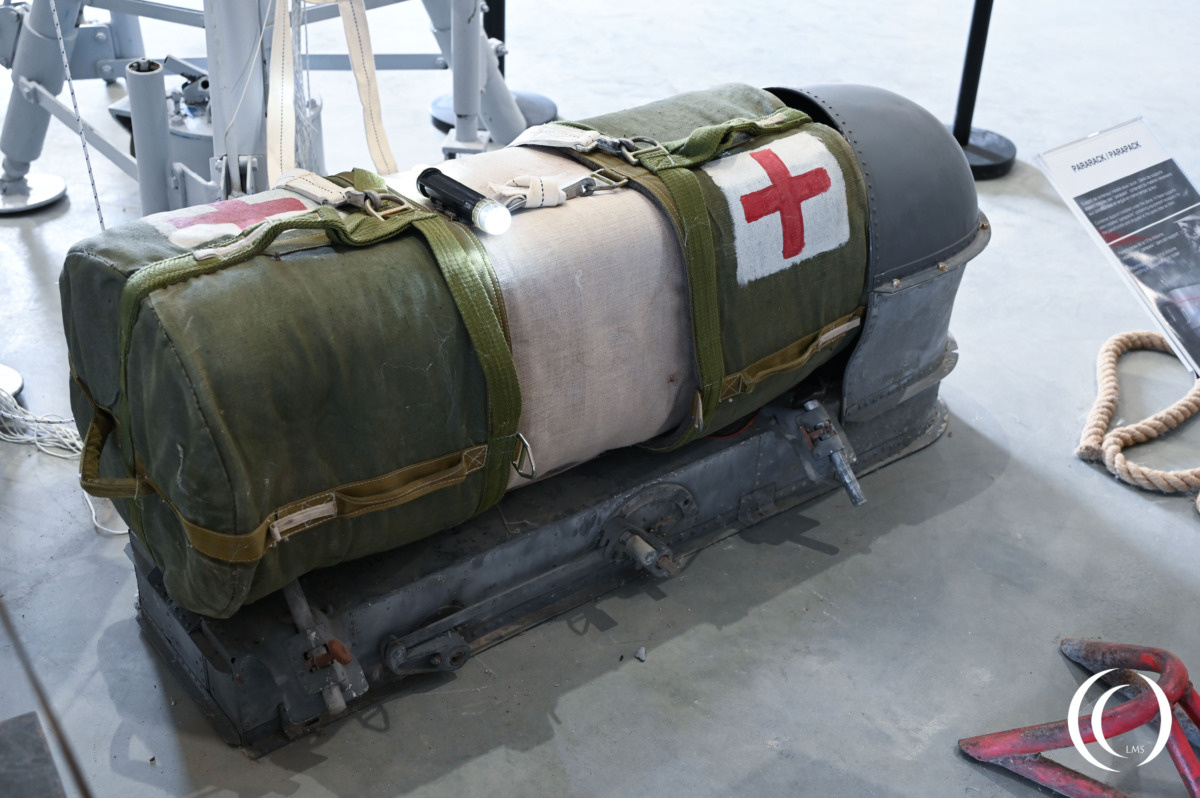
Next to canvas sealed rolls, the Parapacks there were “Paracaissons”. Paracaissons, a portmanteau of “parachute” and “caisson”, are specially designed, mobile ammunition crates that were used by American airborne units during the Second World War. The ingenious aspect of the “paracaisson” was that the transport container itself transformed into a functional handcart after landing. The detachable top served as a protective cover during the drop, while the wheels, handles, and tow bars were stowed inside the crate. Once on the ground, paratroopers could quickly assemble the cart to maneuver heavy ammunition across the battlefield.
These two-wheeled carts were filled with ammunition, for example 8 to 18 shells, and attached upside down to the underside of transport aircraft, such as the Douglas C-47 Skytrain. Along with the paratroopers and the components of the 75mm M8 Airborne Pack Howitzer, they were dropped by parachute.
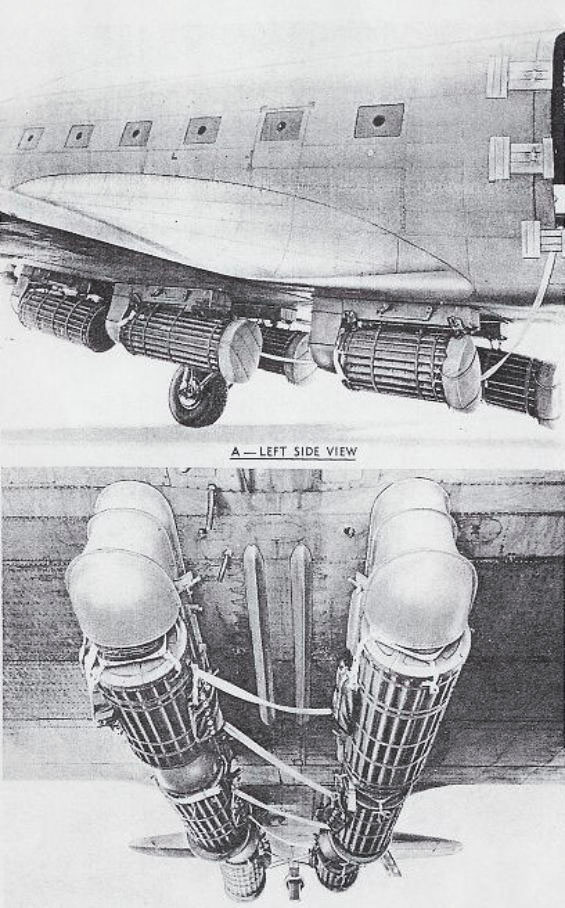
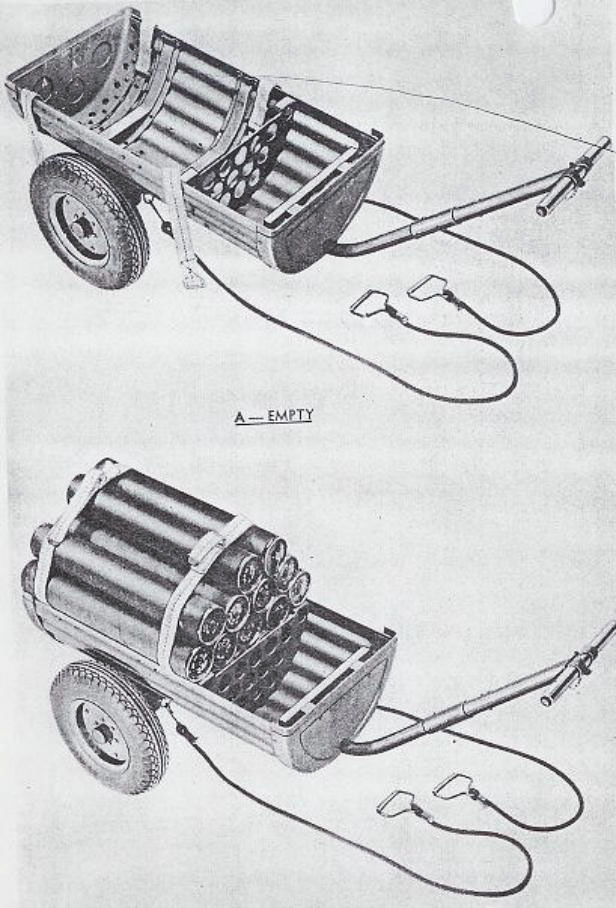
Three main types of paracaissons were produced during the war:
M9: The early version, constructed primarily of wood.
M9A2: An improved and more robust version made of steel.
M18: A later, lighter version made from an aluminum alloy.
Sources
- questmasters.us
- twinbeech.com
- theriggerdepot.com
- companyleader.themilitaryleader.com
