History and Development
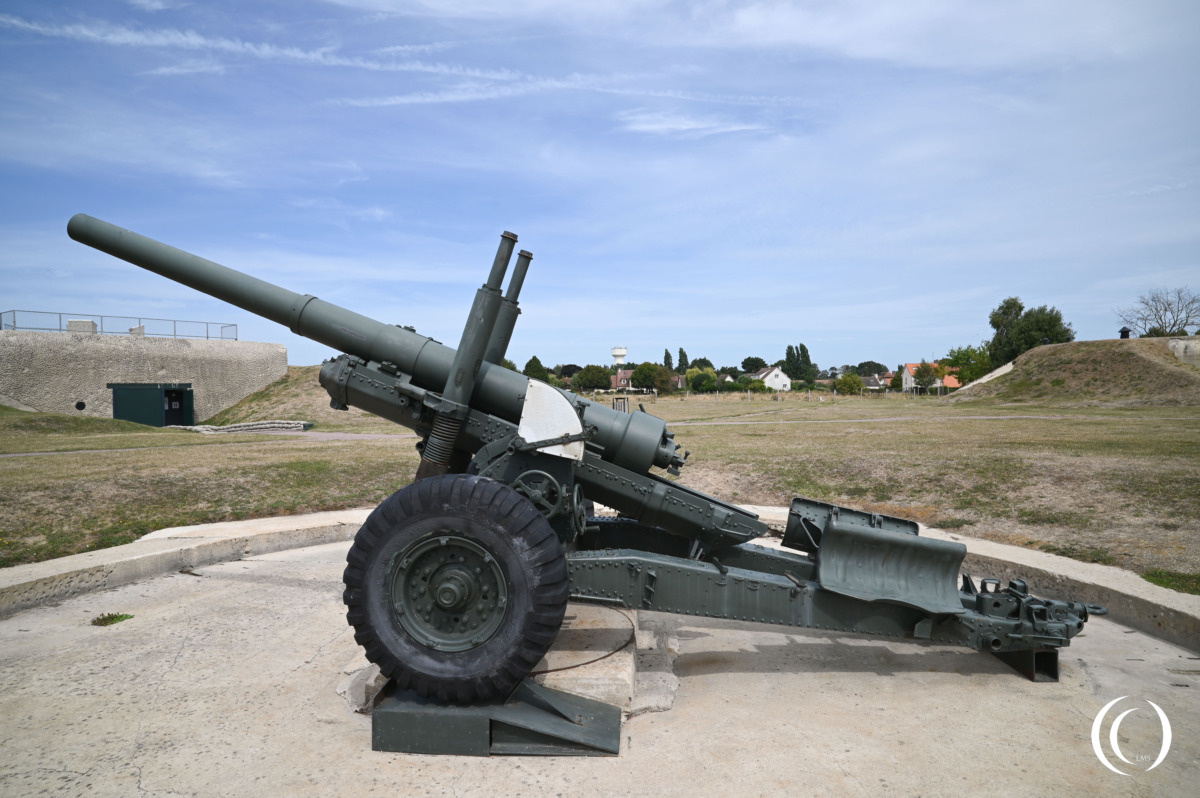
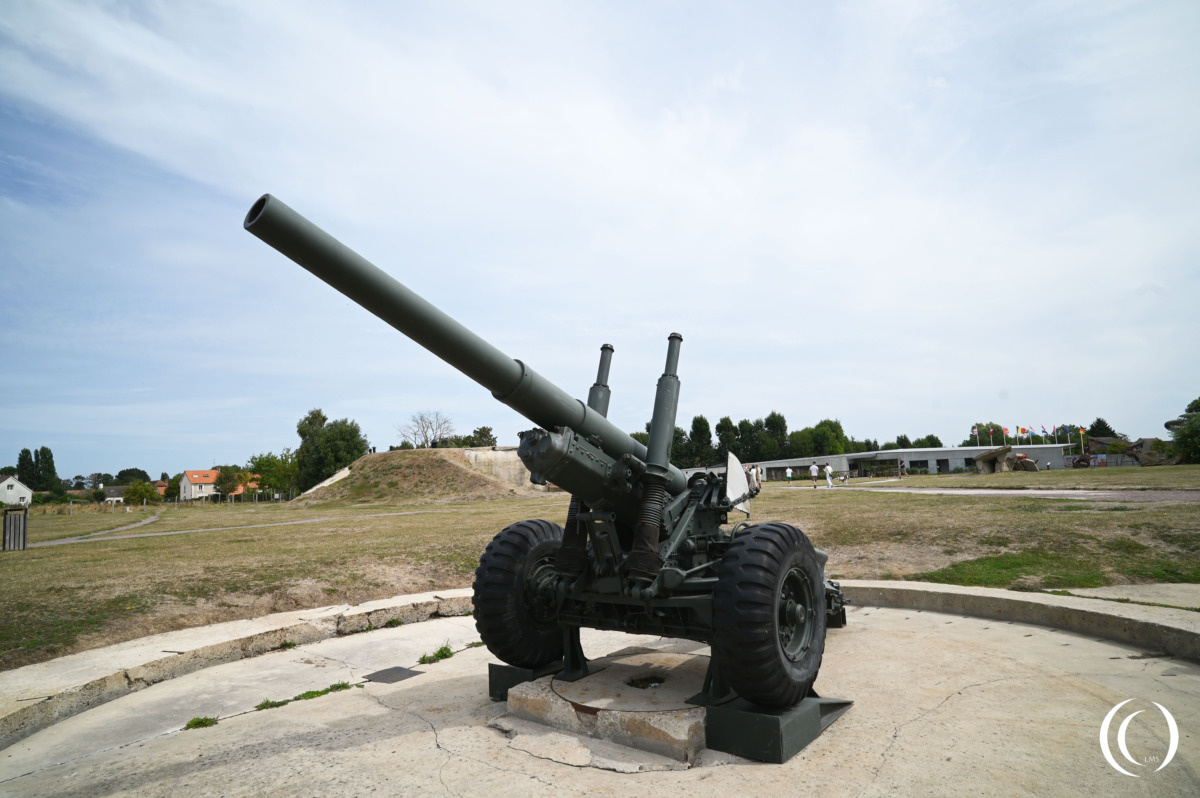
The BL 5.5-inch Medium Gun was a British artillery weapon developed in 1939 to replace older medium artillery pieces, particularly the 6-inch howitzer used by the British Army. It was designed to provide greater range, improved mobility and effective firepower against enemy troops, artillery batteries, fortifications and defensive positions. Development started in 1939, production began in 1941, and the gun entered operational service in 1942 during the Second World War. It saw extensive action in North Africa, Italy and north-western Europe. British and Commonwealth artillery units used it to deliver indirect fire in support of infantry and armoured formations.
The gun was also operated by forces from Australia, Canada, South Africa, India and Poland. After the war, it continued to serve in several countries, including during the Korean War. The British Army retained the weapon into the late 1970s, with service ending around 1980. South Africa also developed and operated an improved version known as the G2.
Technical Specifications
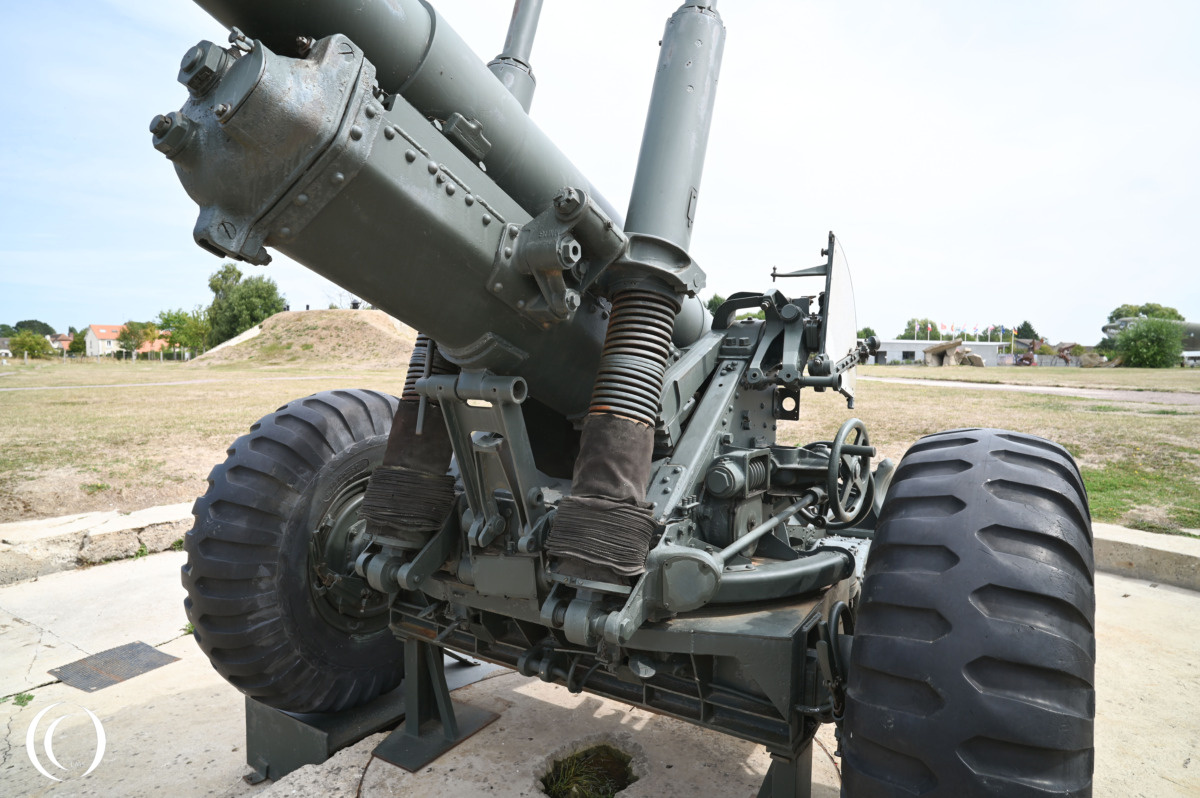
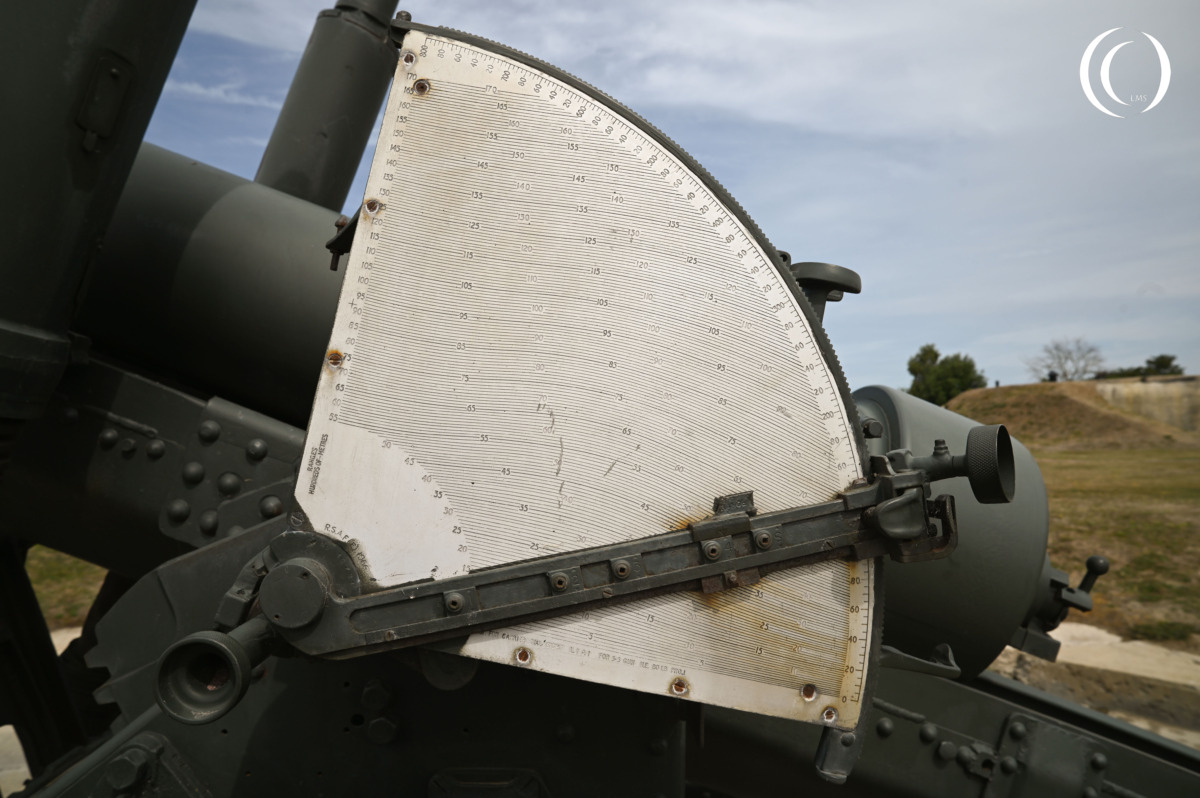
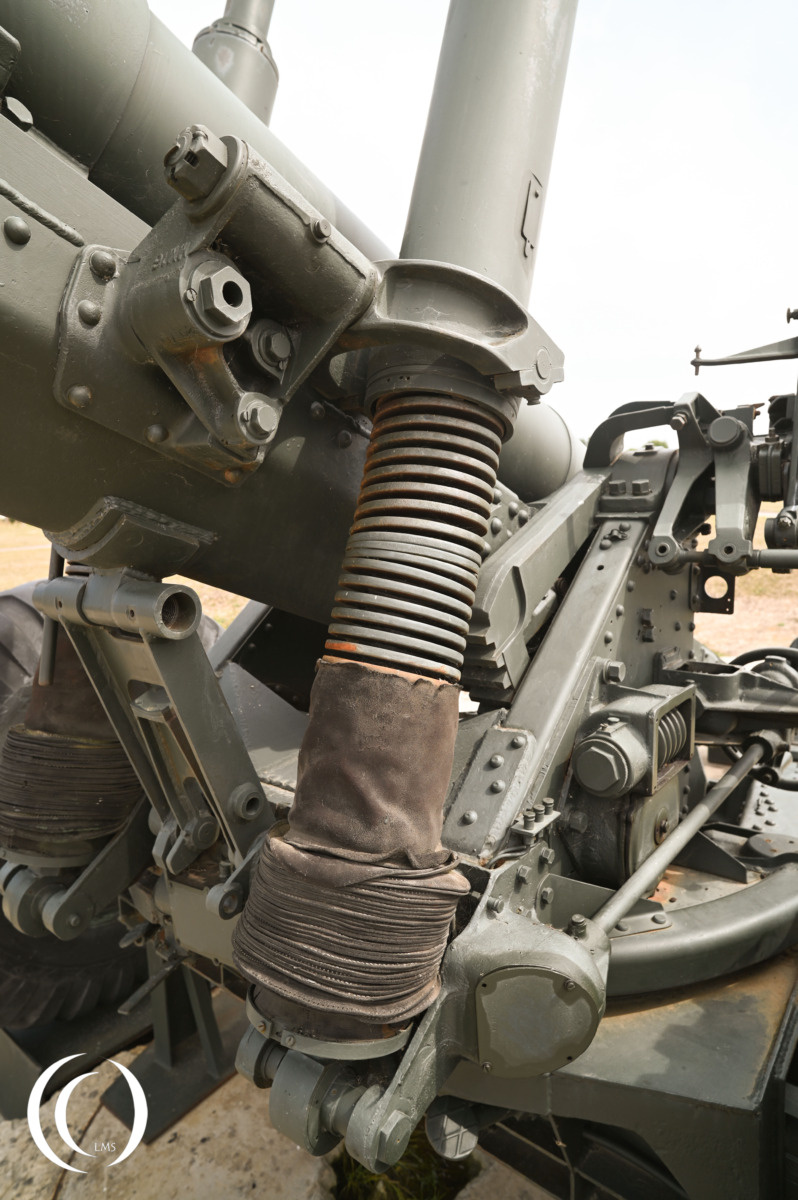
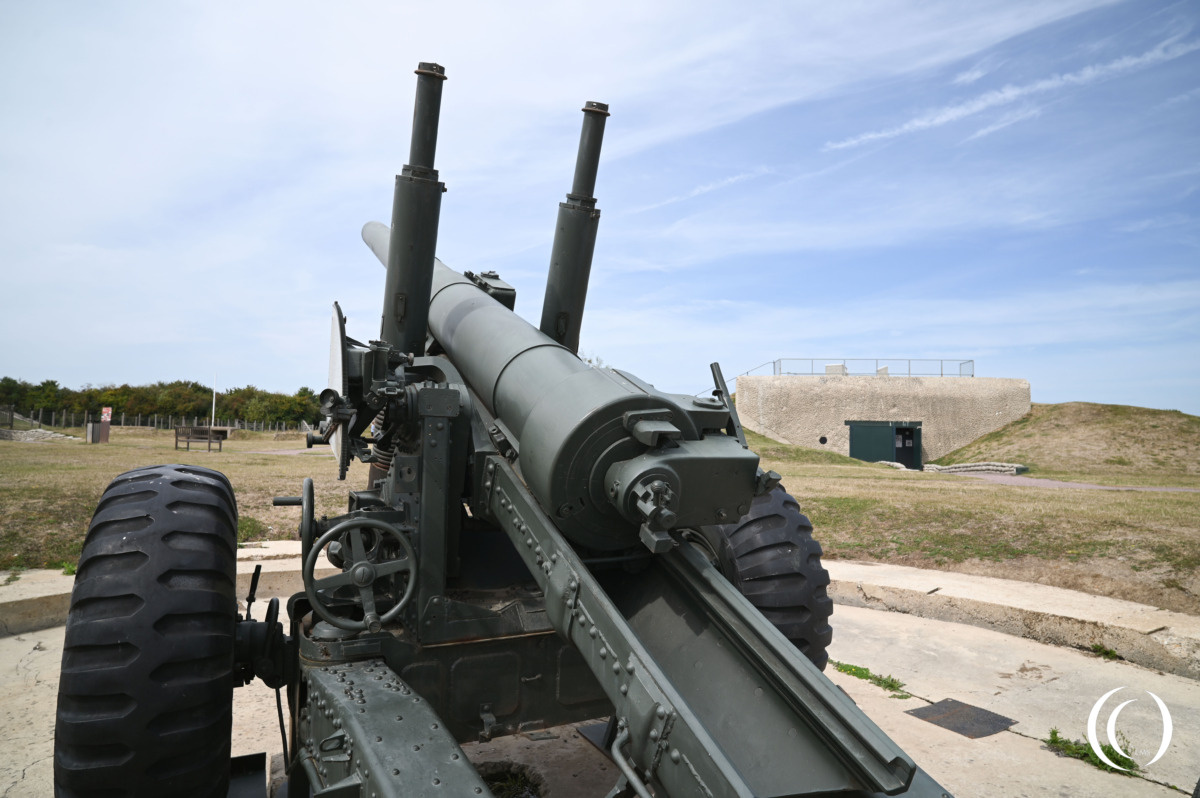
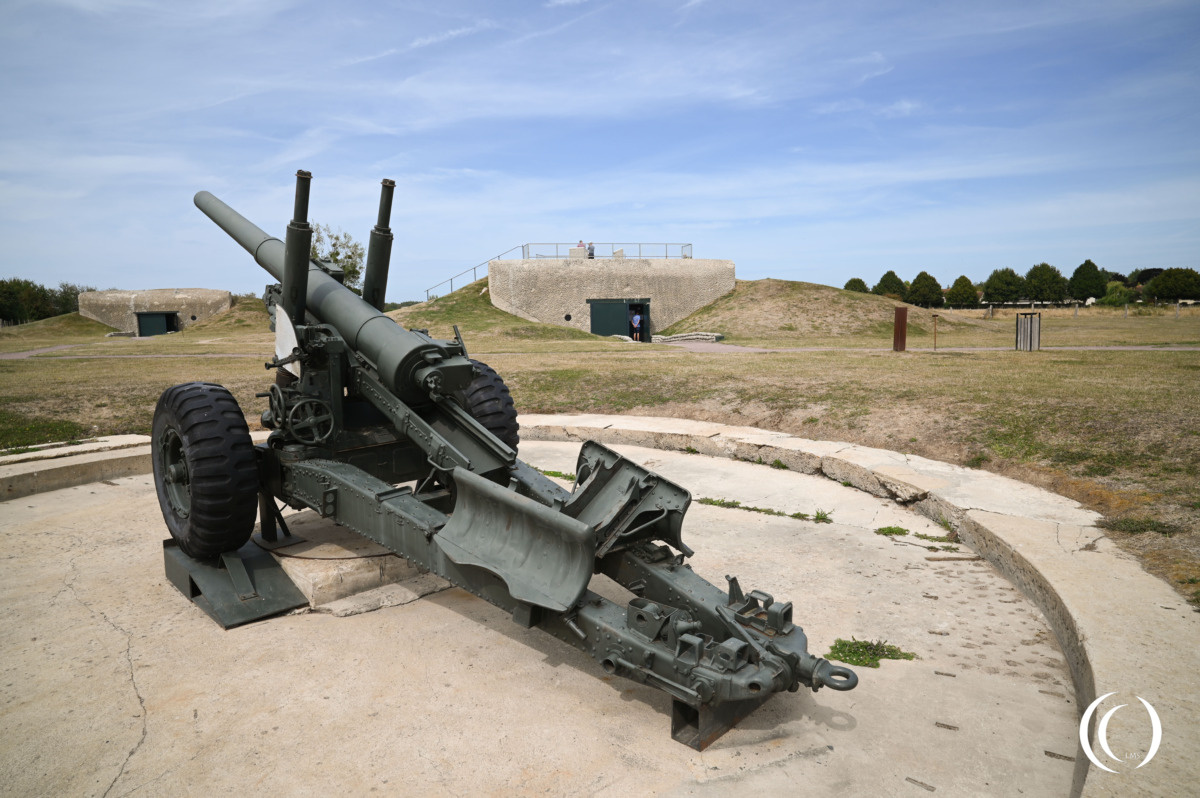
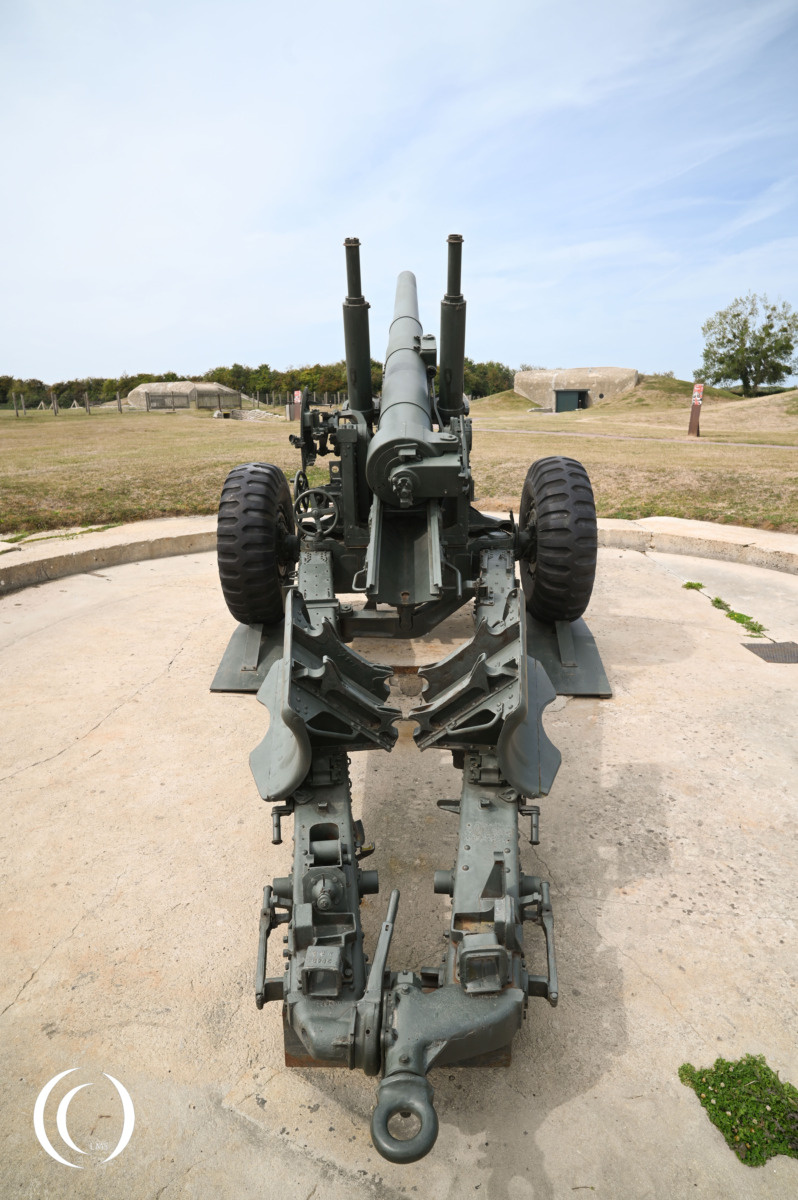
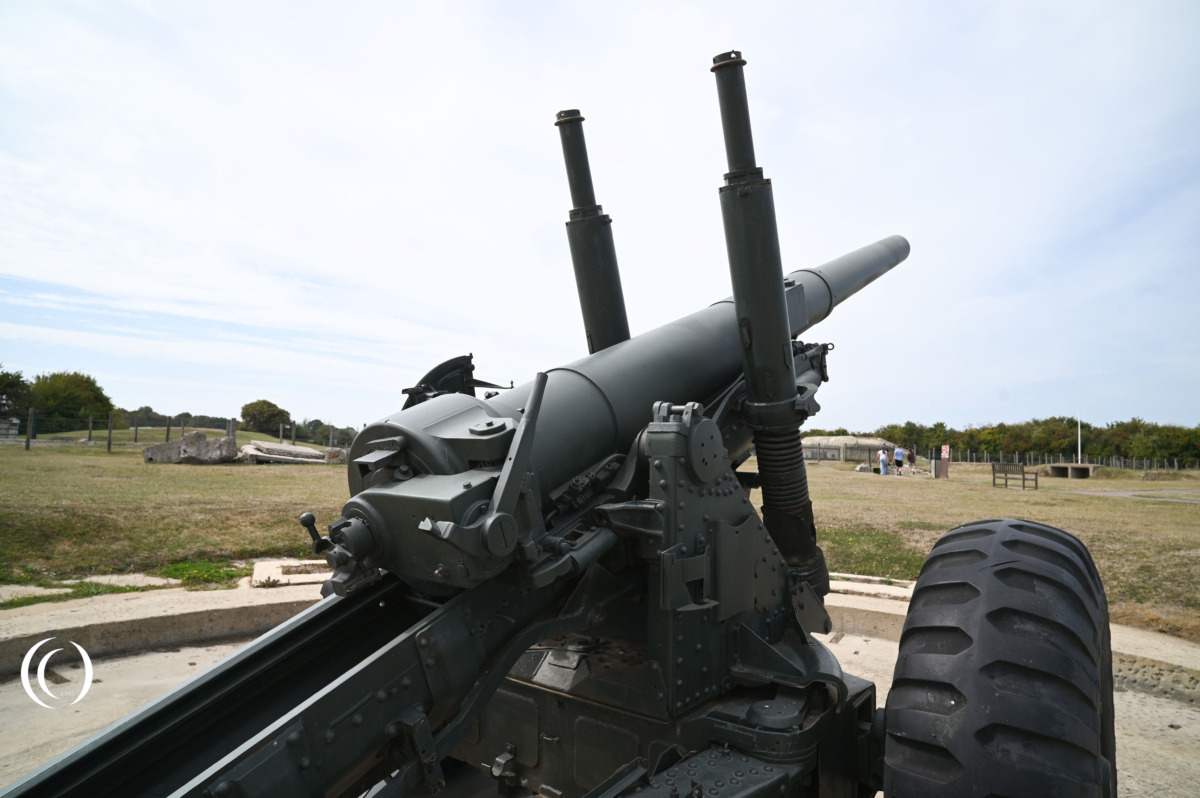
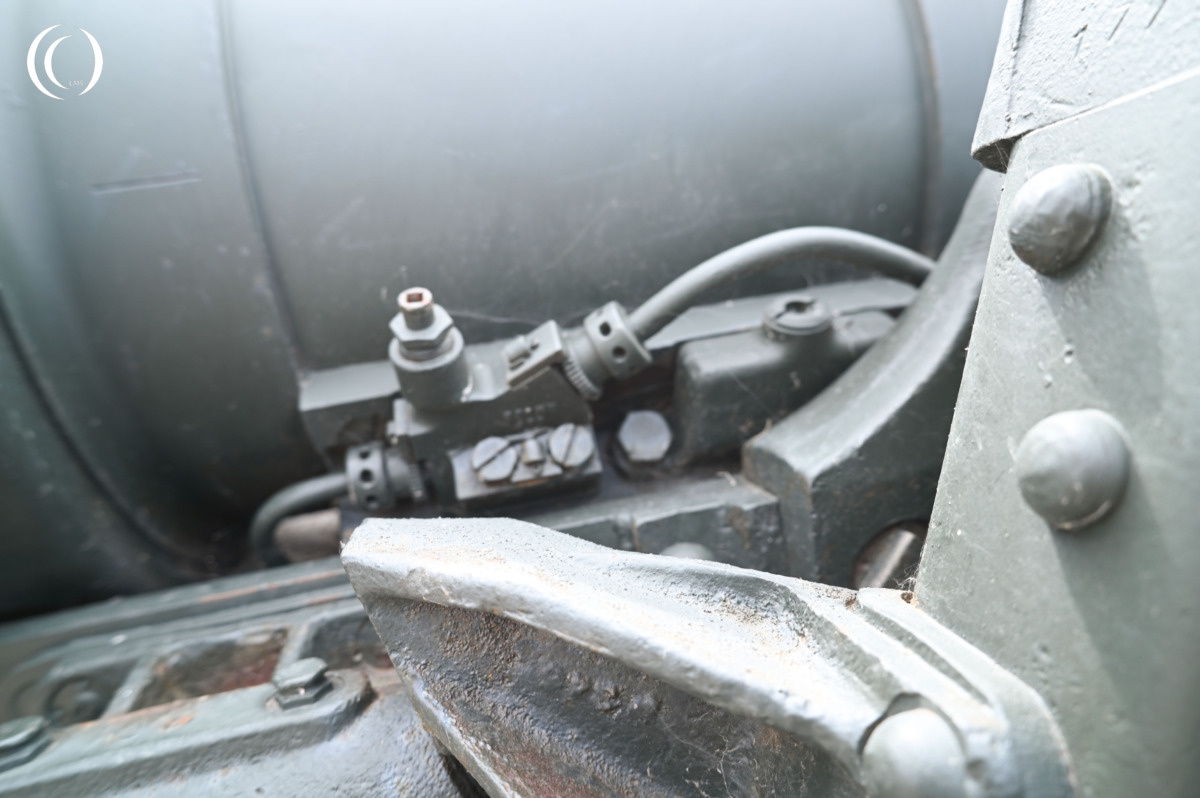
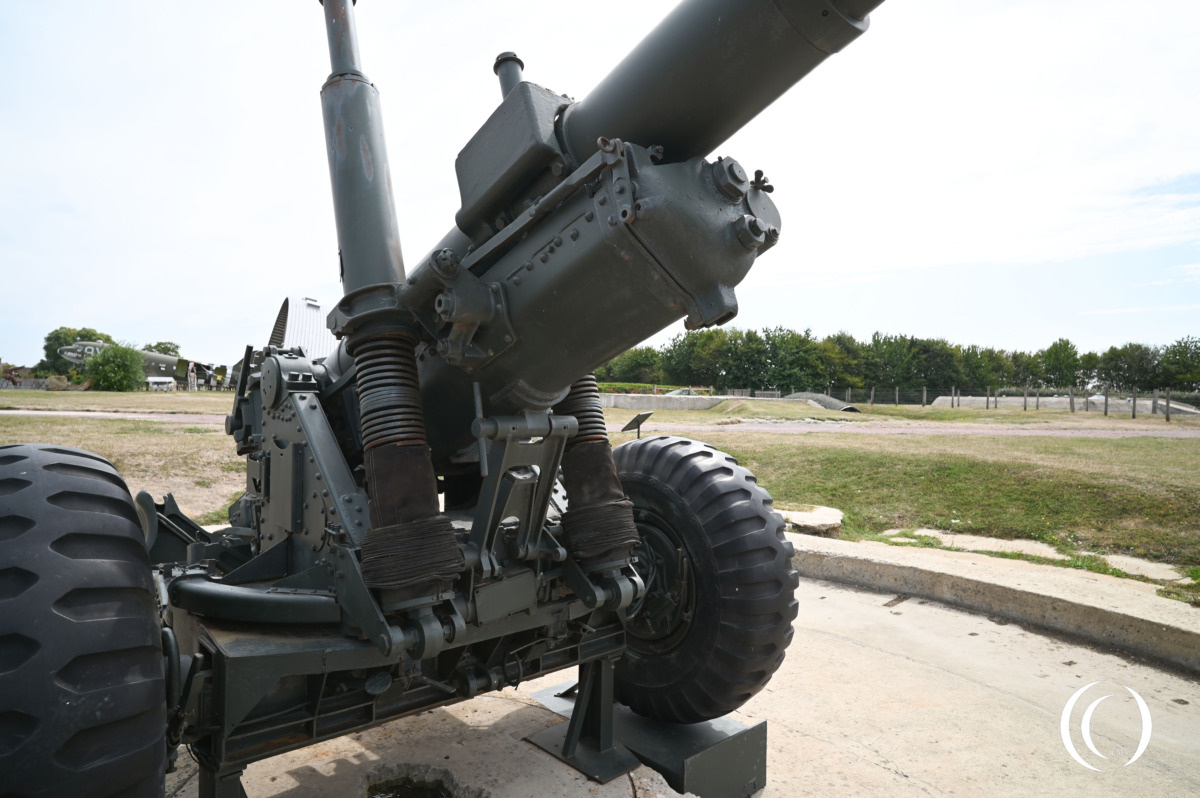
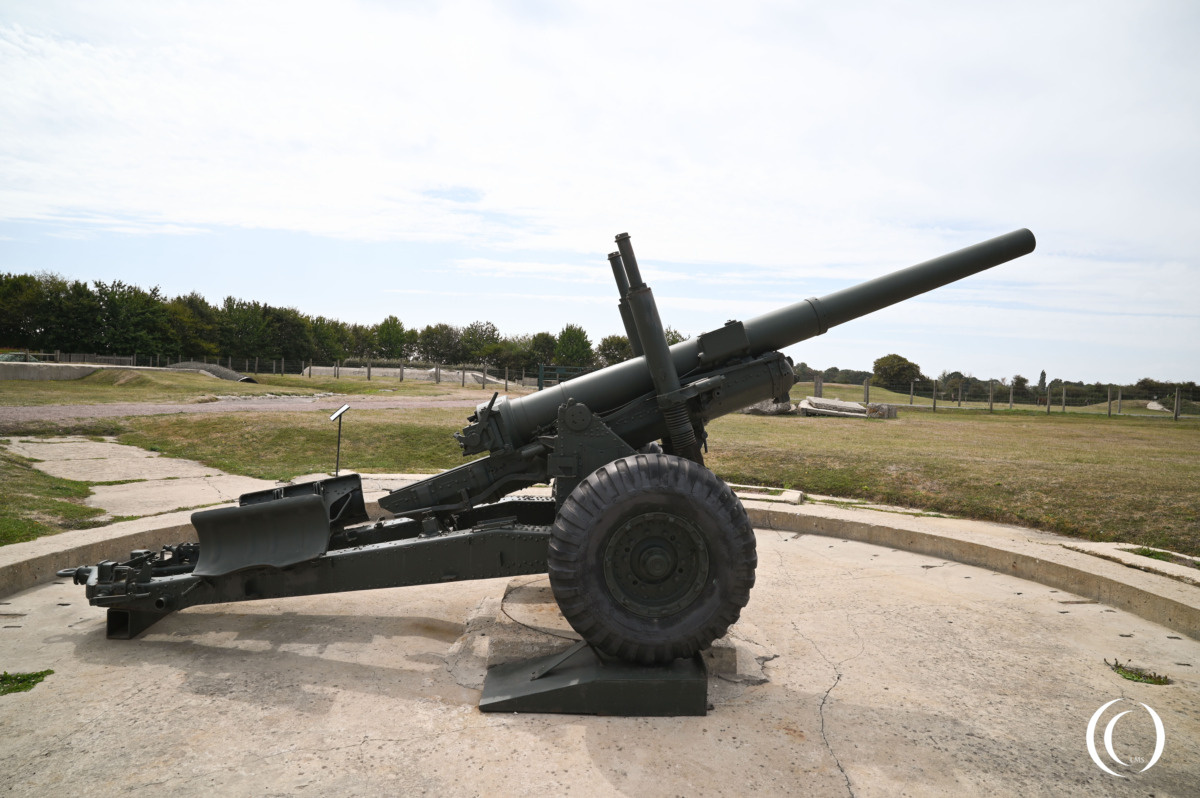
The BL 5.5-inch Medium Gun had a calibre of 140 mm (5.5 inches) and weighed approximately 6,190 kg in firing position. Its barrel was approximately 4.2 metres long. The weapon used a breech-loading mechanism and a split-trail carriage that provided stability during firing. The gun required a crew of approximately ten personnel and was normally transported by a heavy artillery tractor. Its elevation and traverse mechanisms allowed the crew to adjust the gun for indirect-fire missions.
Development: 1939.
Introduction into service: 1942.
Calibre: 140 mm (5.5 inches).
Weight in firing position: approximately 6,190 kg.
Barrel length: approximately 4.2 metres.
Crew : ten personnel.
Rate of fire: around two rounds per minute.
Maximum range: approximately 14.8 km with the original projectile and up to 16.6 km with a lighter projectile.
Ammunition: high-explosive, smoke and specialised shells.
Carriage: two-wheel, split-trail design.
Recoil system: hydropneumatic.
The original ammunition included a 100-pound (45.4 kg) high-explosive shell. A lighter 82-pound (37.2 kg) projectile was introduced in 1944 to increase the gun’s maximum range. Separate loading of the projectile and propellant charge allowed the crew to select suitable firing charges for different targets and distances.
Use in Vehicles
The BL 5.5-inch Medium Gun was primarily designed as a towed artillery weapon rather than a gun permanently installed inside a tank or armoured vehicle. Because of its considerable weight, it required a powerful tractor to move it between firing positions.
During the Second World War, one of its principal towing vehicles was the AEC Matador artillery tractor. This vehicle was capable of transporting the gun, its crew and associated equipment over roads and suitable terrain.
In the postwar period, heavier military vehicles, including the AEC Militant and Leyland Martian artillery tractors, were used to tow the gun. These vehicles provided improved mobility and supported the movement of artillery units and ammunition. British engineers also investigated mounting the 5.5-inch gun on tracked chassis to create self-propelled artillery. Several experimental and proposed projects explored this possibility.
One project involved a Crusader-based artillery vehicle. Another was the FV305, a proposed self-propelled gun based on the planned FV300-series chassis. The FV305 project was cancelled in 1948.
The FV3805 was a later experimental project that used a Centurion tank chassis. It was intended to combine the gun’s firepower with the mobility and protection of a tracked vehicle. A prototype was constructed, but the project was eventually cancelled around 1958. None of these self-propelled projects entered operational service with the British Army. Consequently, the BL 5.5-inch Medium Gun remained principally a towed artillery weapon throughout its service life.
Operational Role and Significance
The BL 5.5-inch Medium Gun played an important role in British and Commonwealth artillery operations during and after the Second World War. Its heavy projectiles and substantial range made it effective against enemy artillery, troop concentrations, defensive positions and fortified targets.
Although the British Army investigated self-propelled versions, the conventional towed gun proved useful for delivering sustained artillery support. Its long service life reflected its effectiveness, adaptability and value to medium artillery units.
Sources
- Chris Bishop – Illustrated Encyclopedia of Weapons of World War II
- The Royal Artillery 1939-1945
- Australian war memorial
- Wikipedia
