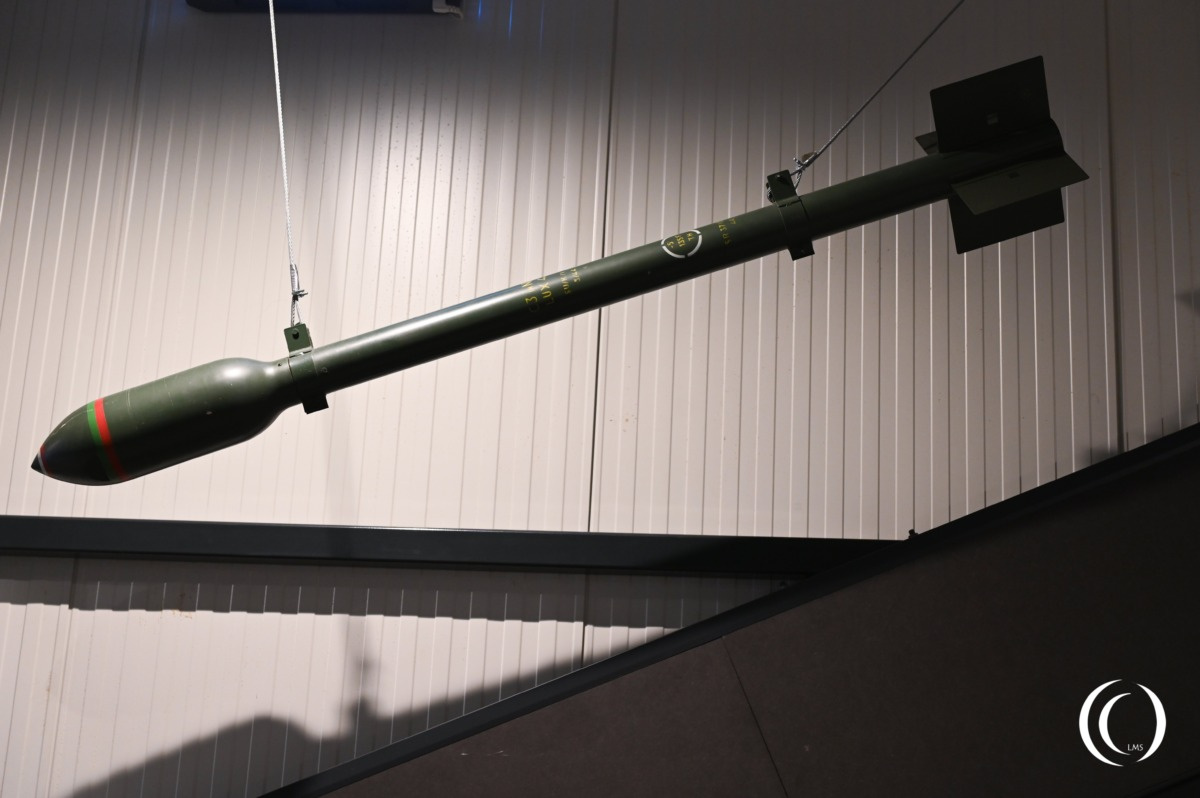
History and development of the RP-3 Rocket
The British RP-3, or “Rocket Projectile 3-inch,” was one of the most important air-launched rocket weapons developed and used by Britain during the Second World War. It was designed to give military aircraft a powerful weapon for attacking ground and naval targets without relying solely on conventional bombs or machine guns. The RP-3 became particularly famous for its use by the Hawker Typhoon during the Normandy campaign and the subsequent Allied advance through Northwest Europe.
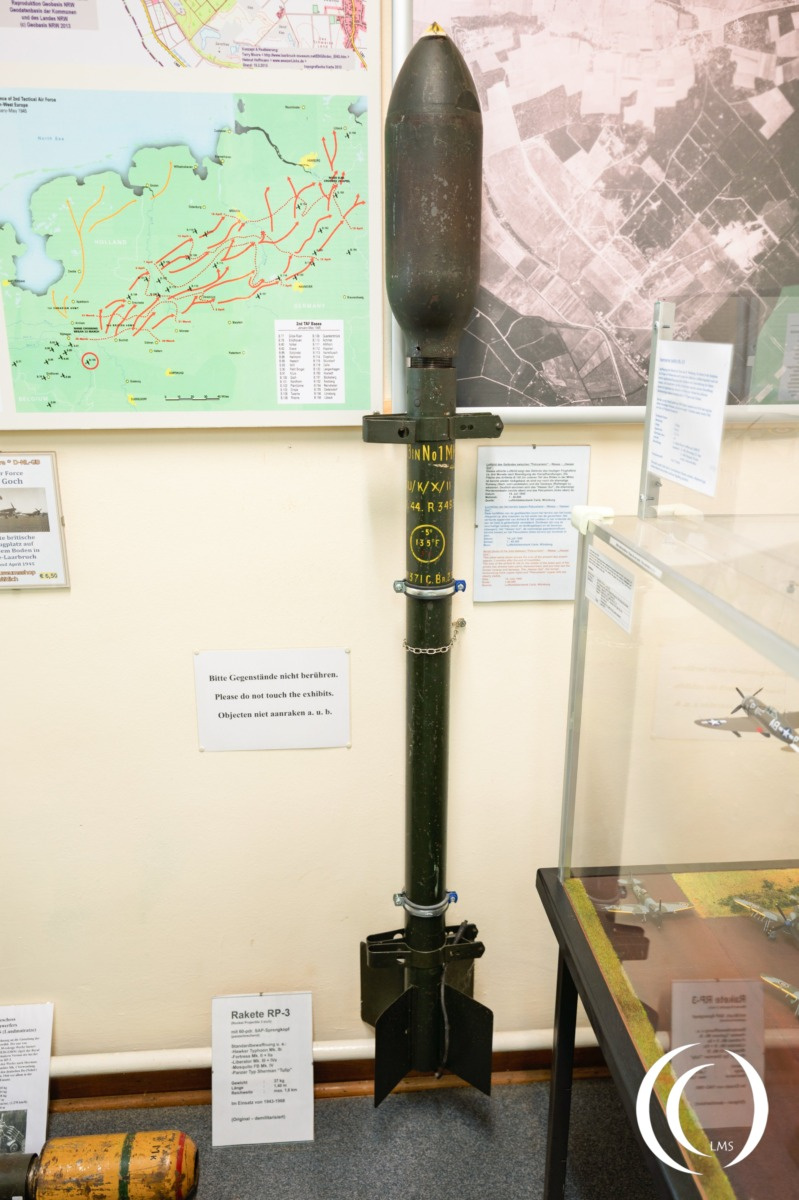
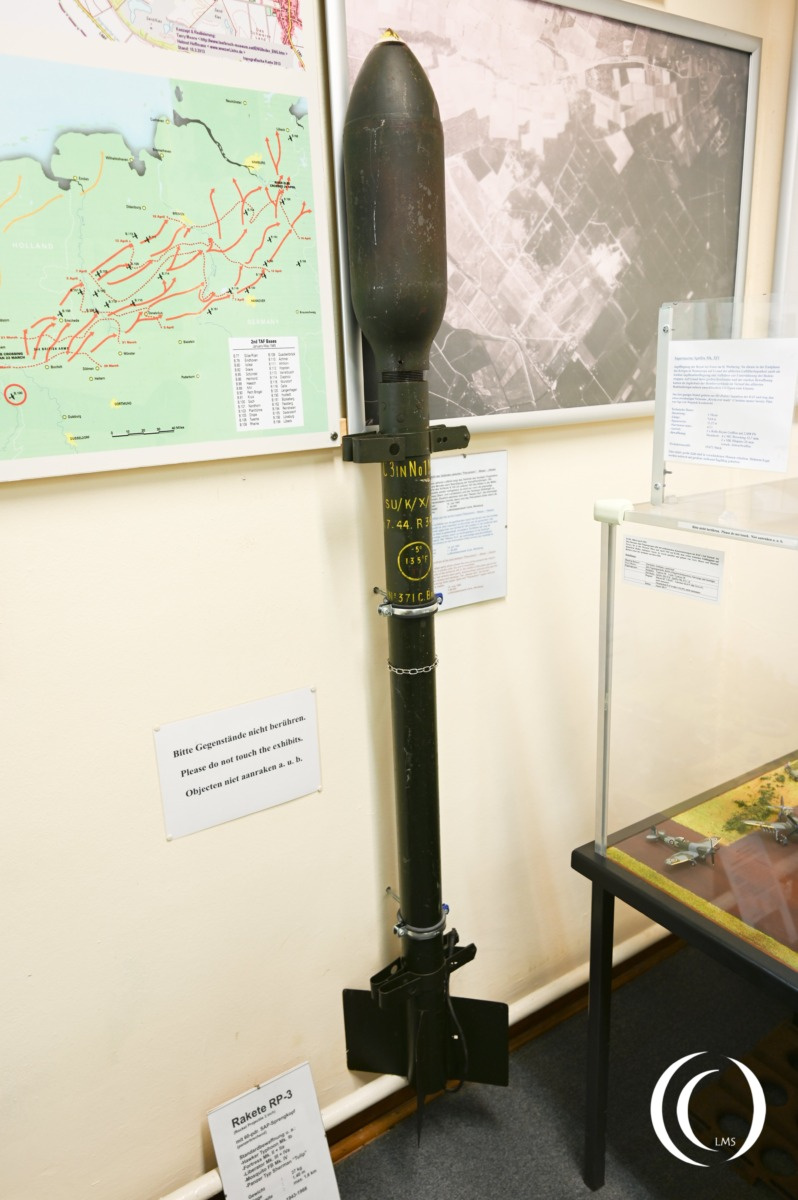
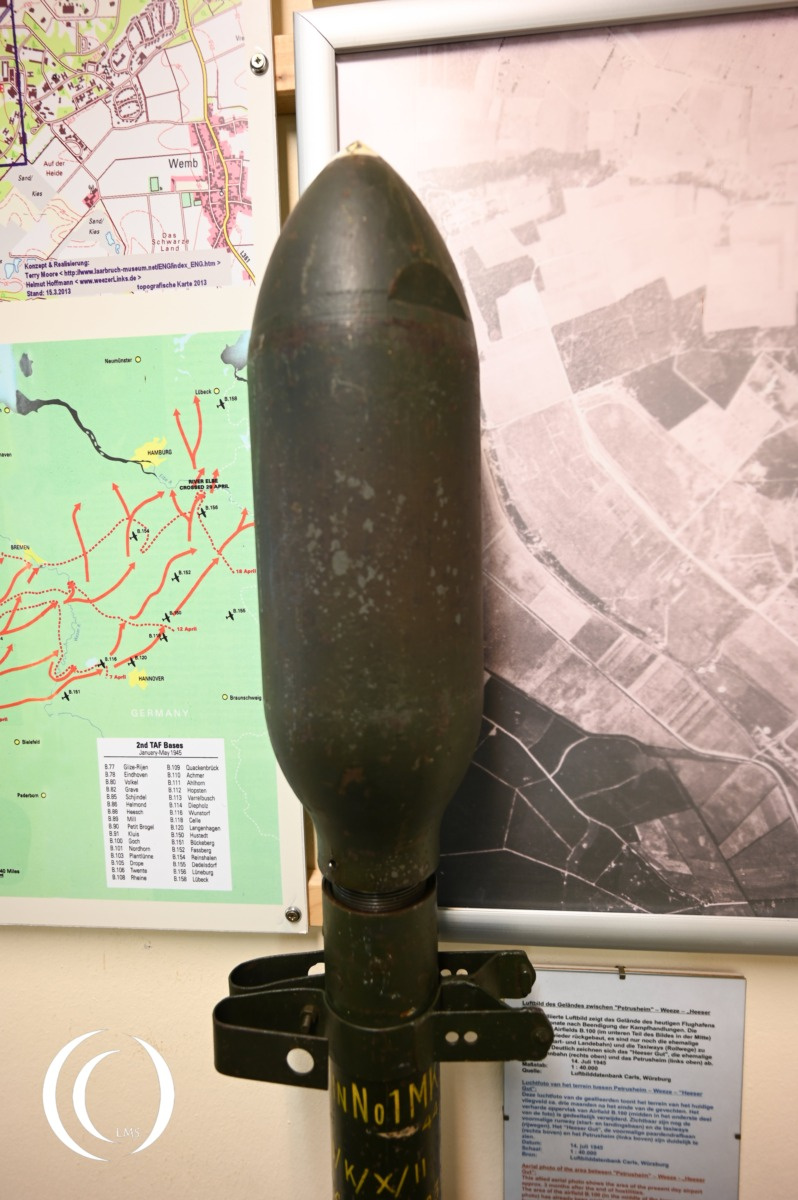
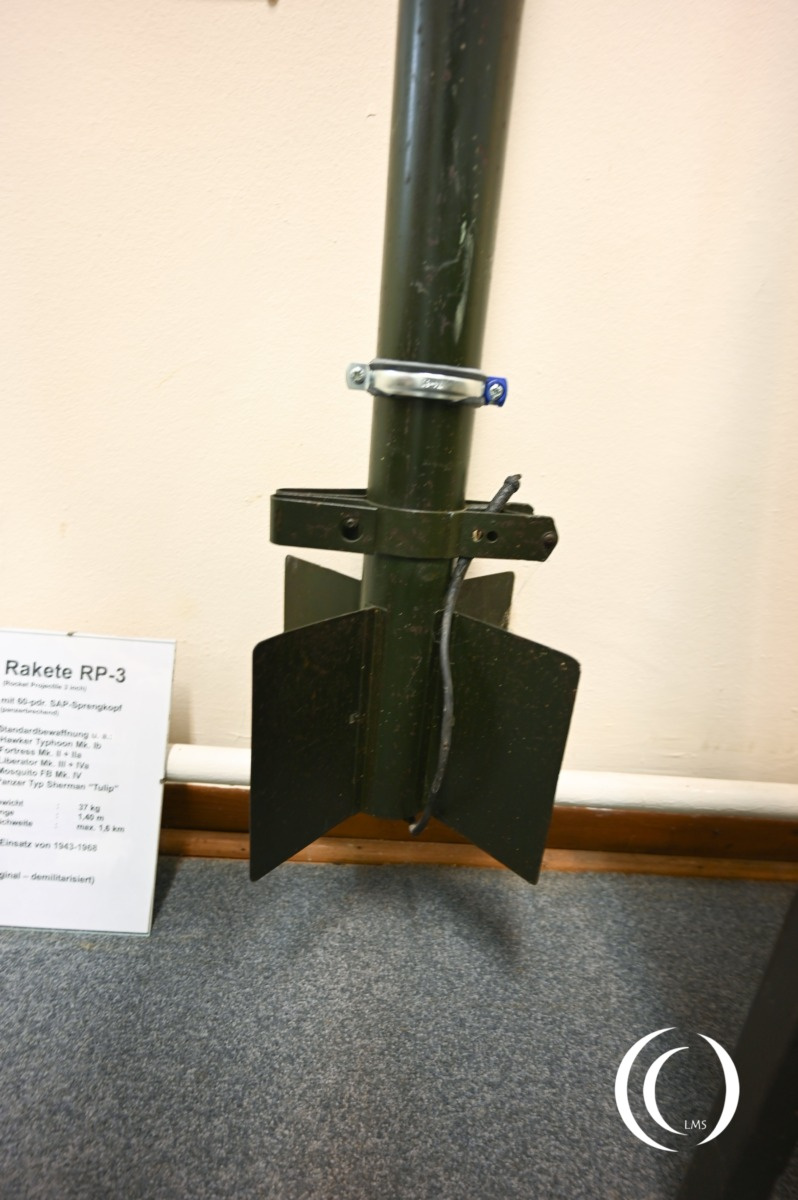
Development of the RP-3 took place during the early years of the Second World War (1940), when Britain was looking for practical ways to equip aircraft with rockets. The weapon consisted of a solid-fuel rocket motor at the rear and a detachable warhead at the front. The “3-inch” designation referred primarily to the diameter of the rocket motor. The motor used a solid propellant based on cordite, which generated hot gases and thrust when ignited. Fins at the rear helped stabilize the rocket during flight, while an electrical firing system allowed the aircraft pilot to launch the weapon.
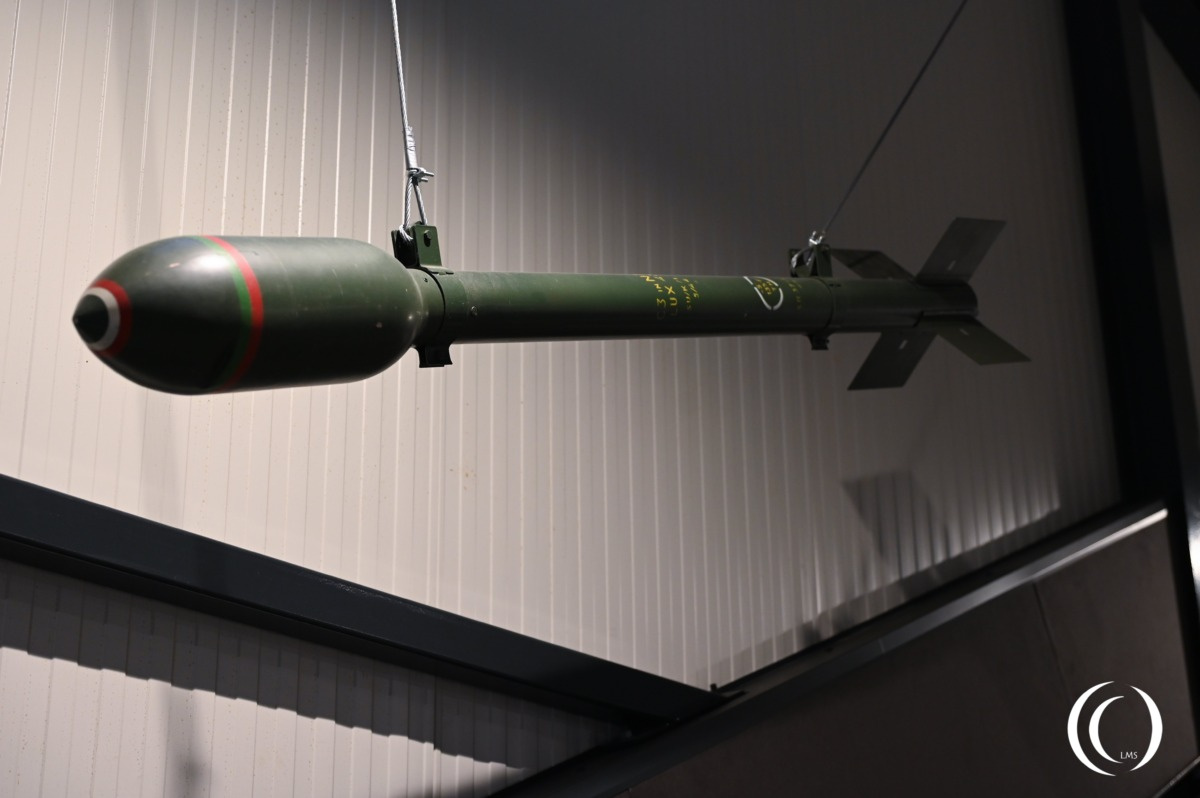
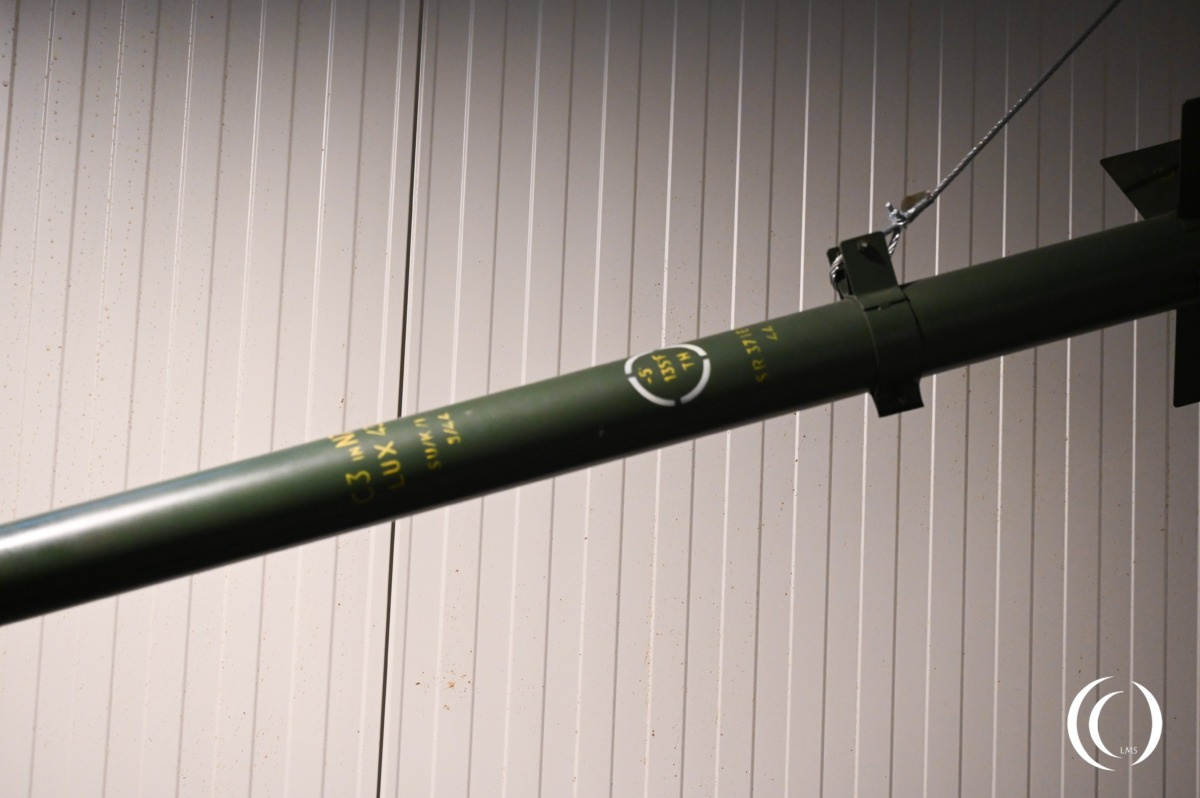
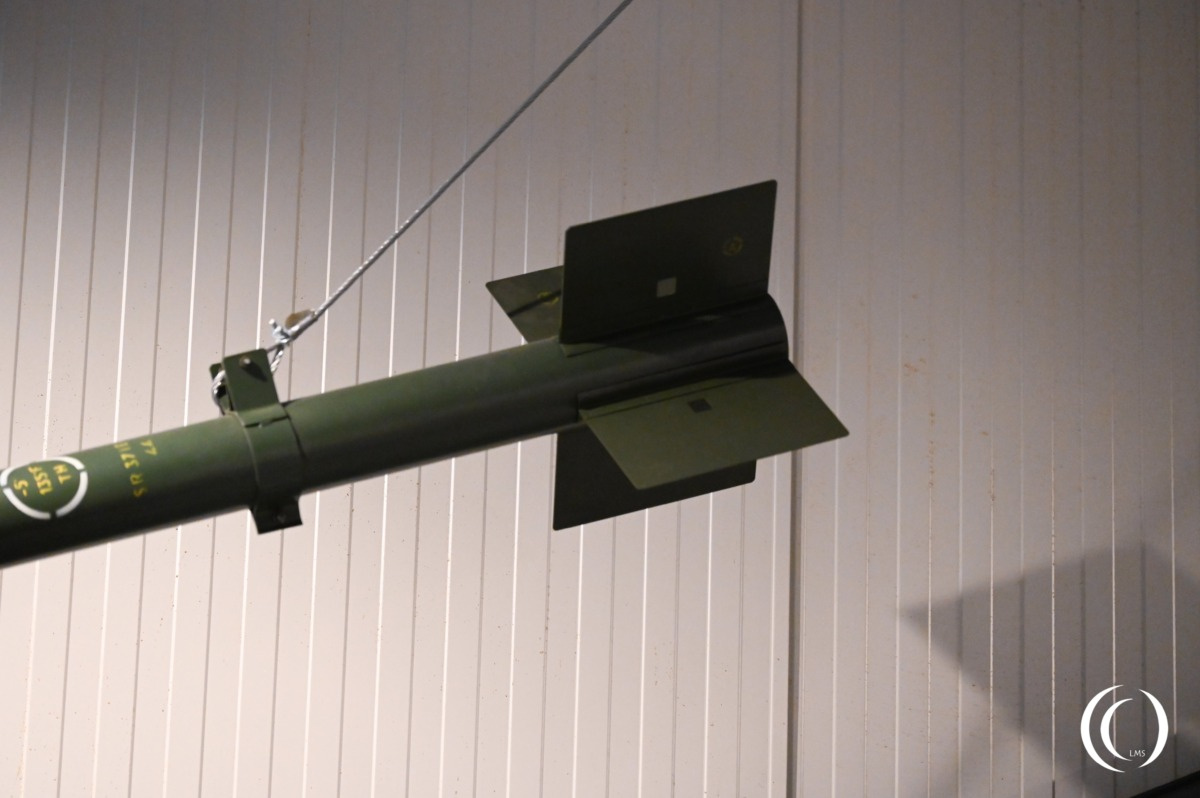
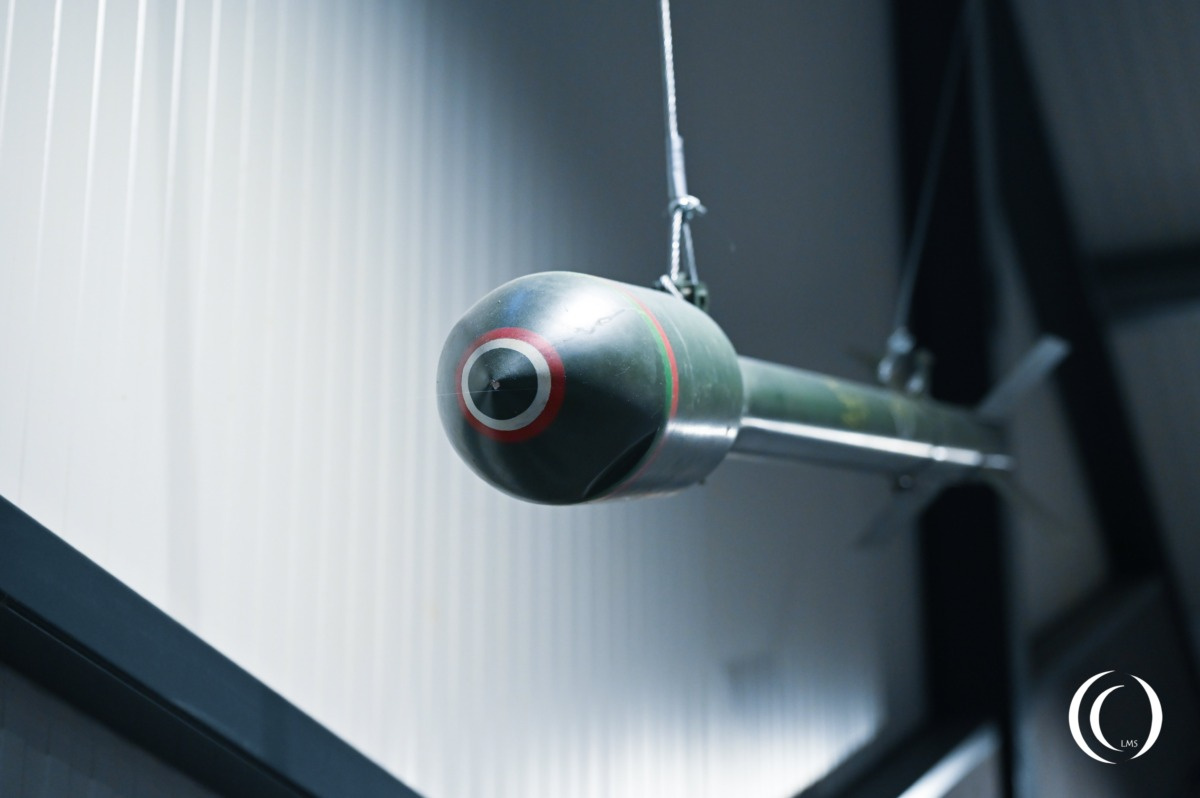
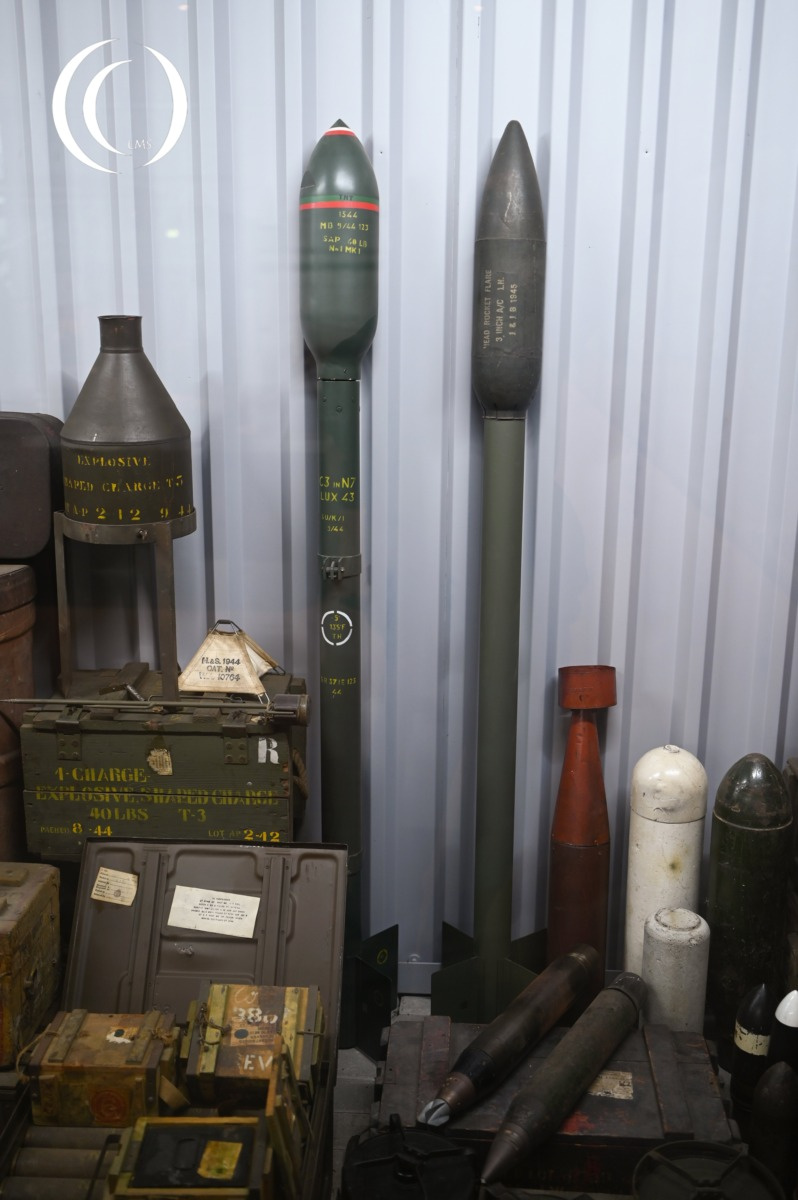
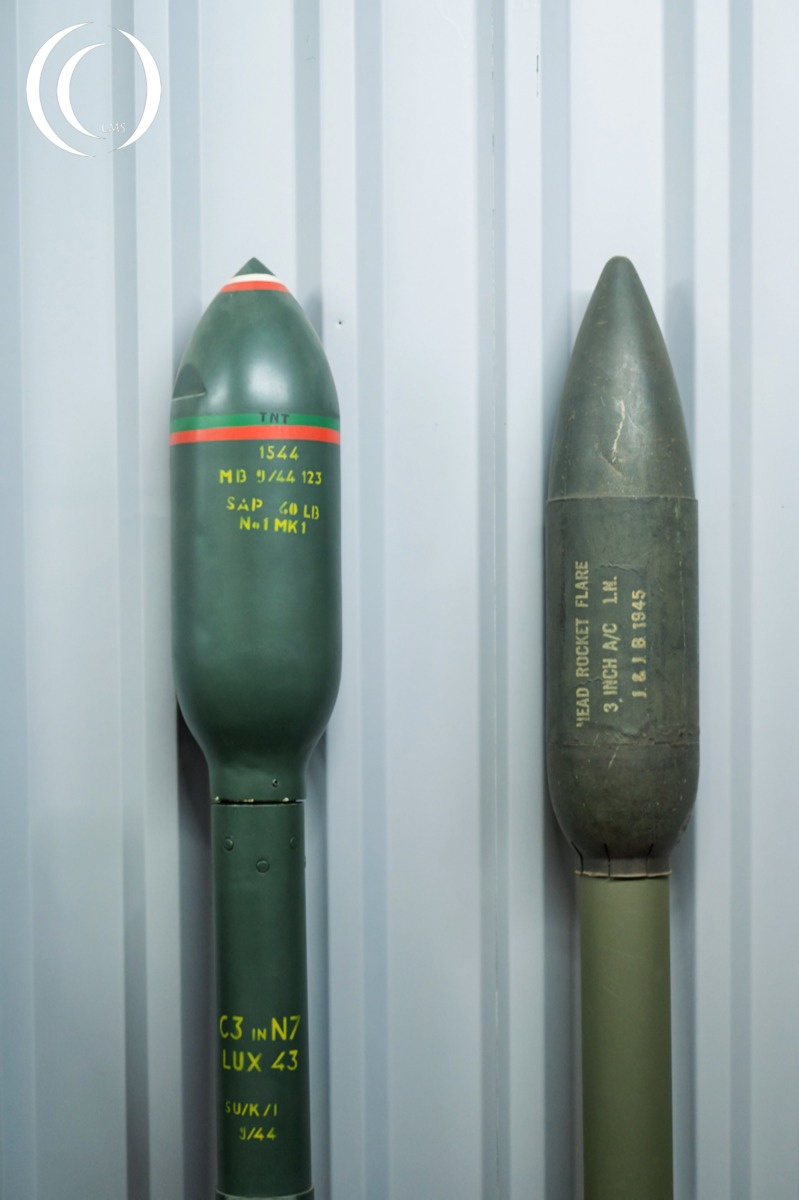
One of the important characteristics of the RP-3 was its flexibility. Different warheads could be fitted to the same basic rocket motor, allowing the weapon to be used against different types of targets. Among the best-known versions were the 60-pound semi-armour-piercing (SAP) warhead and the 25-pound high-explosive (HE) warhead. The SAP version was intended for hard targets, including armoured vehicles, while high-explosive versions were useful against buildings, vehicles, defensive positions, and other relatively soft targets. Other specialized versions were also developed for particular applications.
Operational use
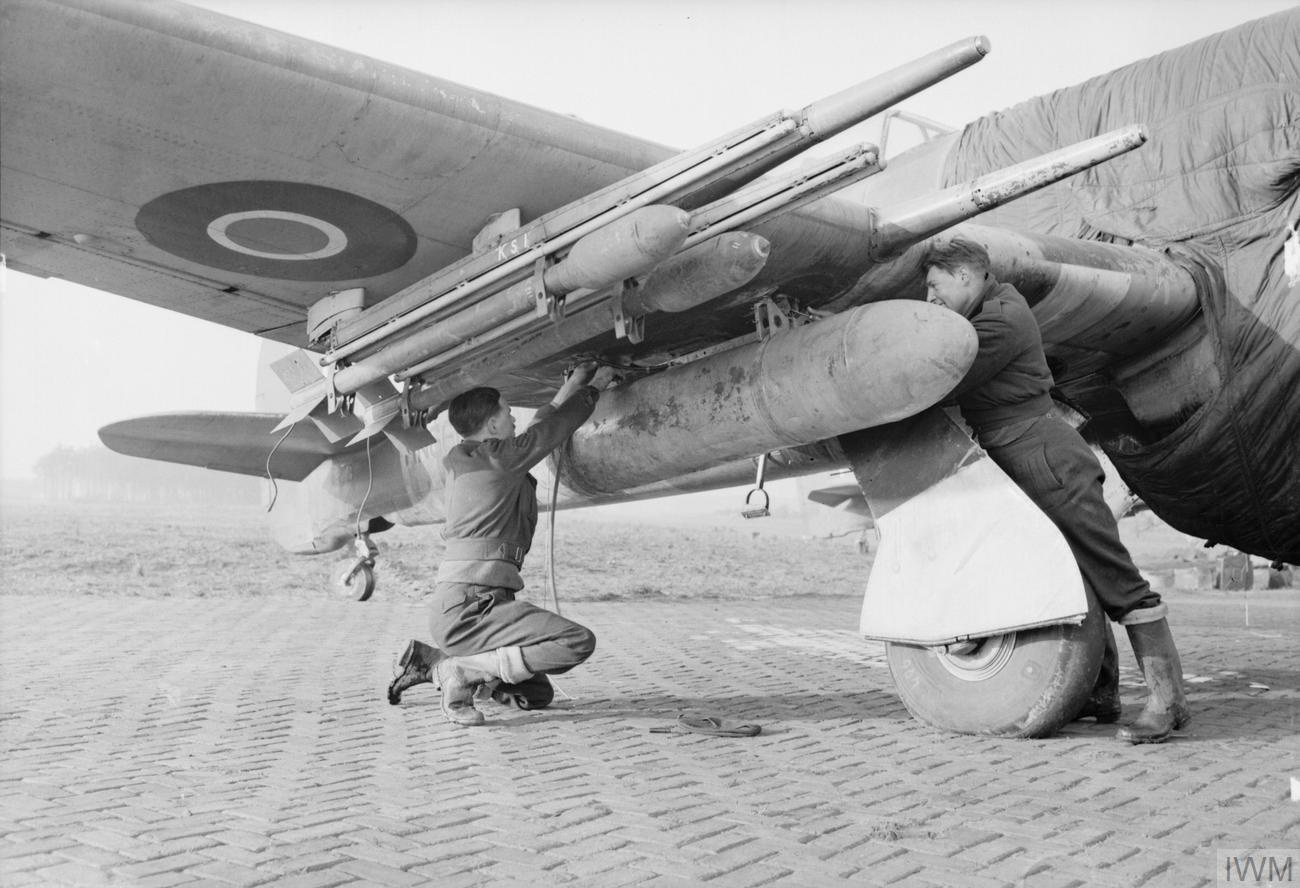
The RP-3 became operational in 1943 and was carried by several British aircraft. The Hawker Hurricane and Bristol Beaufighter were among the aircraft capable of using rockets, but the Hawker Typhoon became especially associated with the weapon. A typical Typhoon carried eight RP-3 rockets, four under each wing, mounted on rails. The pilot could fire the rockets in a salvo during a low-level or shallow-diving attack. Because the RP-3 was unguided, accuracy depended heavily on the pilot’s aim, aircraft speed, range, attack angle, and the effects of launch and flight conditions.
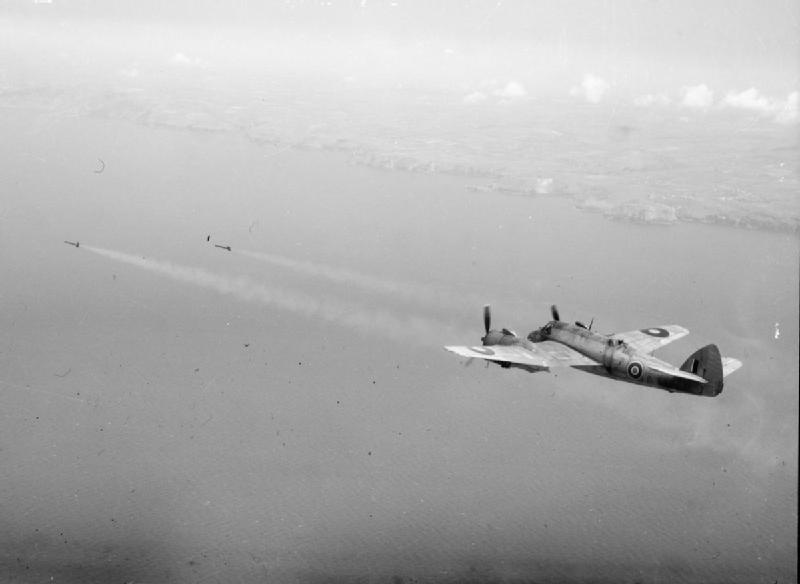
The rockets saw extensive use during the Normandy campaign following the Allied landings in June 1944. Typhoon squadrons belonging to the RAF’s 2nd Tactical Air Force used RP-3s against a wide variety of German targets. These included armoured vehicles, trucks, artillery, railway trains and locomotives, buildings, defensive positions, and other ground targets. The weapon provided the Allied tactical air forces with a means of delivering explosive power against targets that could be difficult to attack effectively with machine guns or conventional bombing.
The RP-3 developed a particularly strong reputation as a “tank-killing” weapon. However, its actual effectiveness against German tanks was more complicated than wartime propaganda sometimes suggested. An unguided rocket was difficult to place accurately against a relatively small, moving armoured vehicle. Although the 60-pound SAP warhead could penetrate armour under favourable circumstances, achieving a direct and effective hit was not guaranteed. Later historical research questioned some wartime claims concerning the number of German tanks destroyed by rocket-firing Typhoons. Nevertheless, RP-3 attacks could damage vehicles, suppress enemy positions, disrupt movement, and force German forces to disperse or take cover.
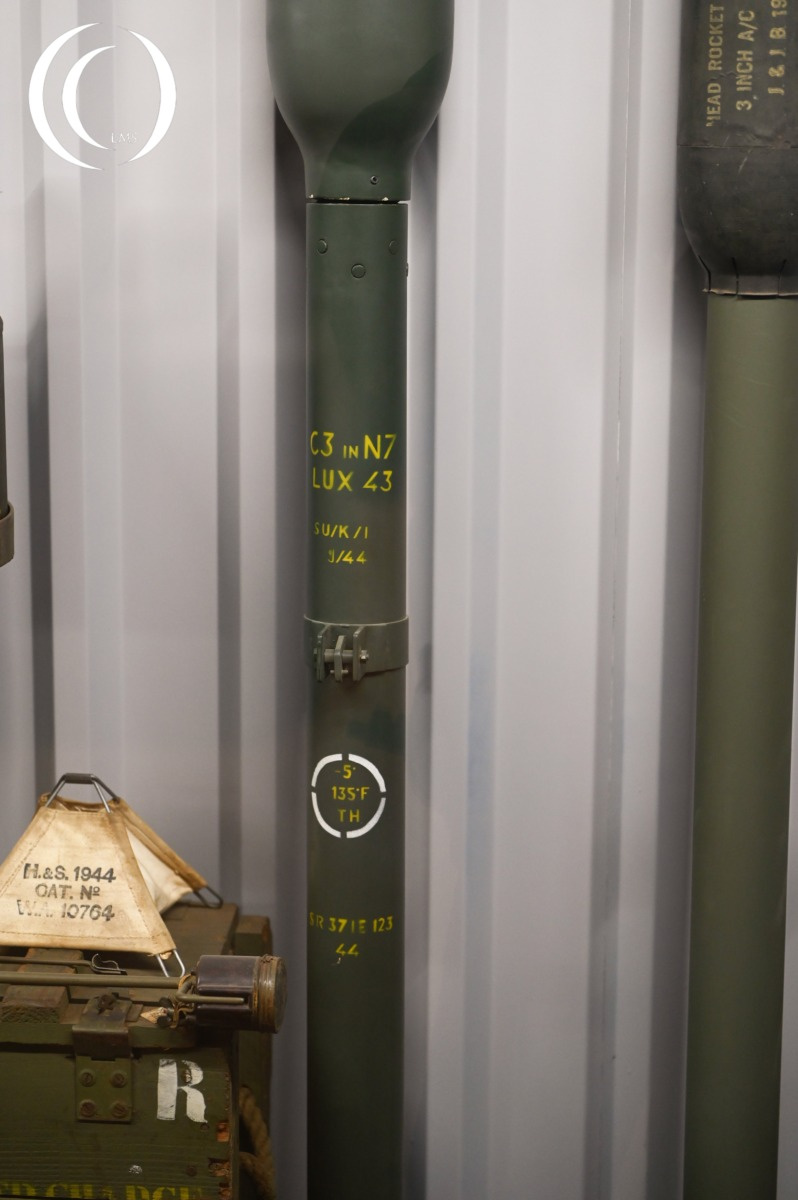
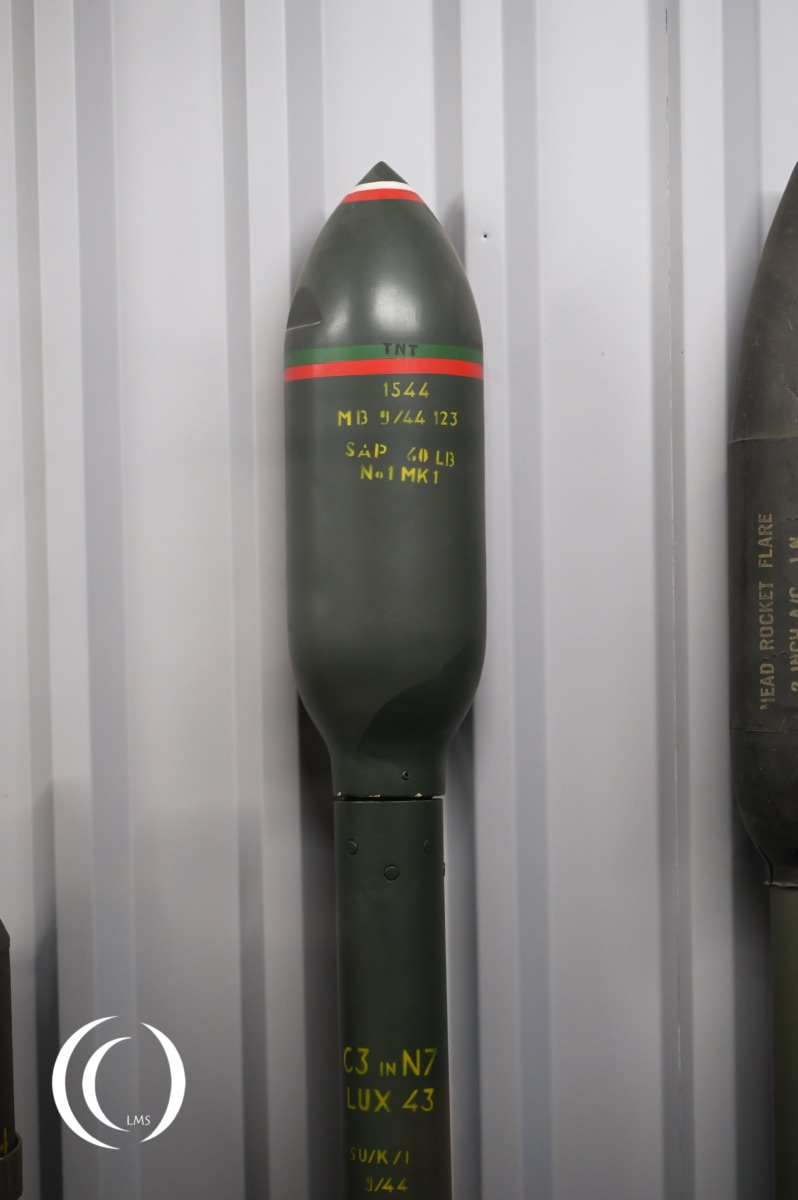
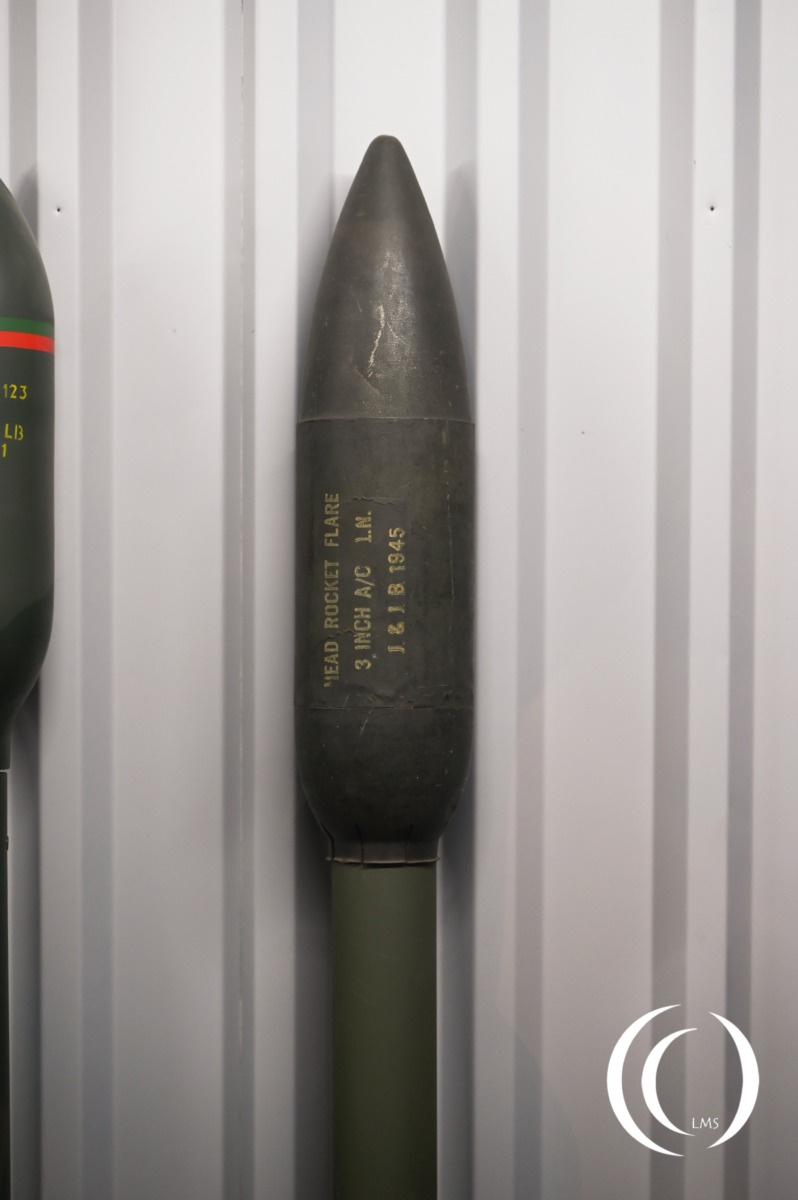
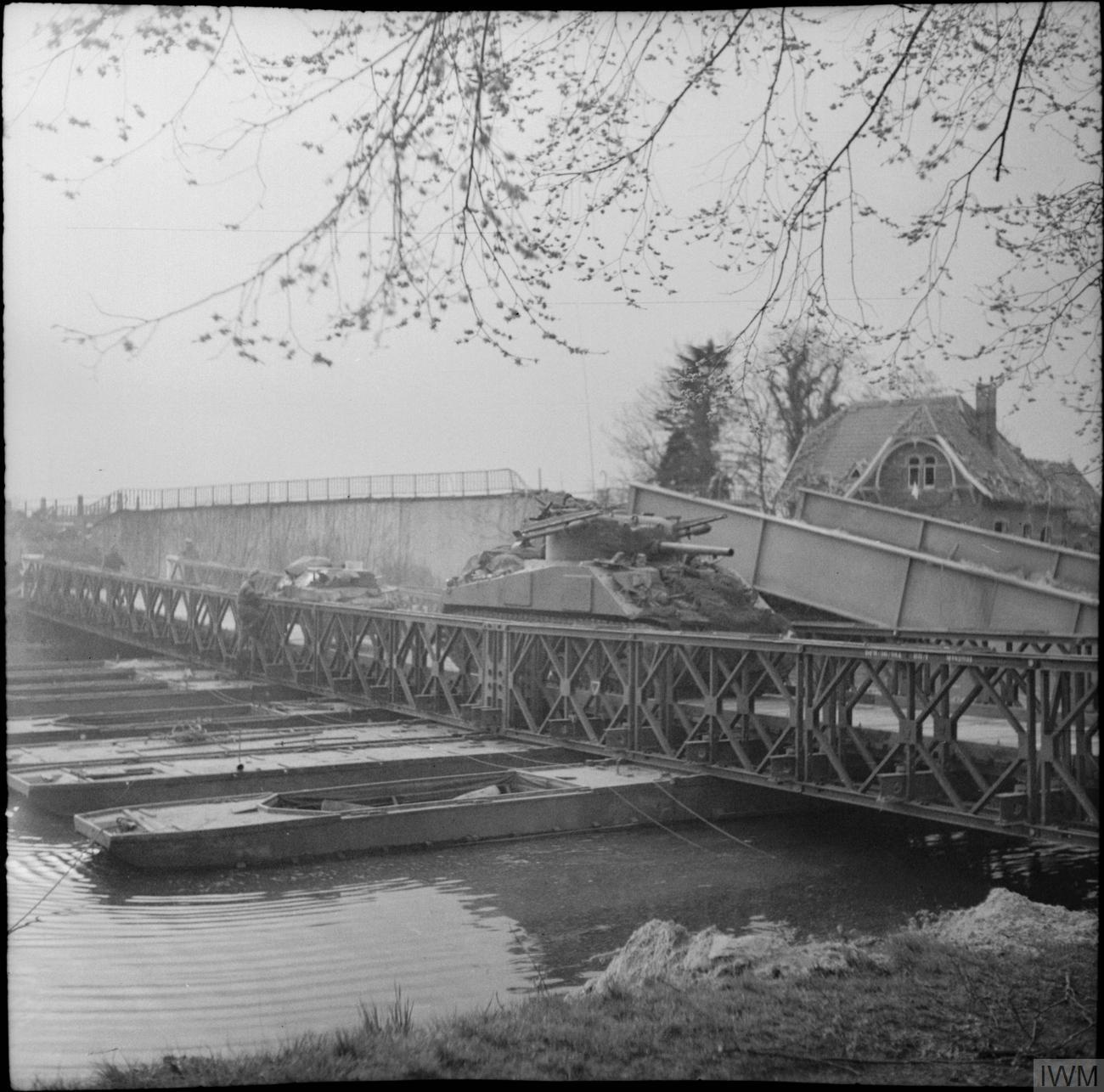
In 1945, the 1st Battalion Coldstream Guards at the Rhine crossing fitted Sherman turrets with two “60 lb” RP-3 air-to-ground rockets on rails to create the Sherman Tulip. There are examples of attacks on U-boats by Fairey Swordfish aircraft equipped with RP-3 rockets; the rocket was also used on the Sea Mattres—specialized naval vessels carrying about a 1,000 RP-3 rockets that fired salvos of 30 at a time, including at the Normandy landing beaches (and the Landing Craft Tank (Rocket) vessel). Furthermore, the RP-3 formed the basis for the “Land Mattress” artillery system, which was comparable to the German Nebelwerfer, the Henschel Hs 297 Föhn rocket launchers and the Russian Katyusha rocket launchers.
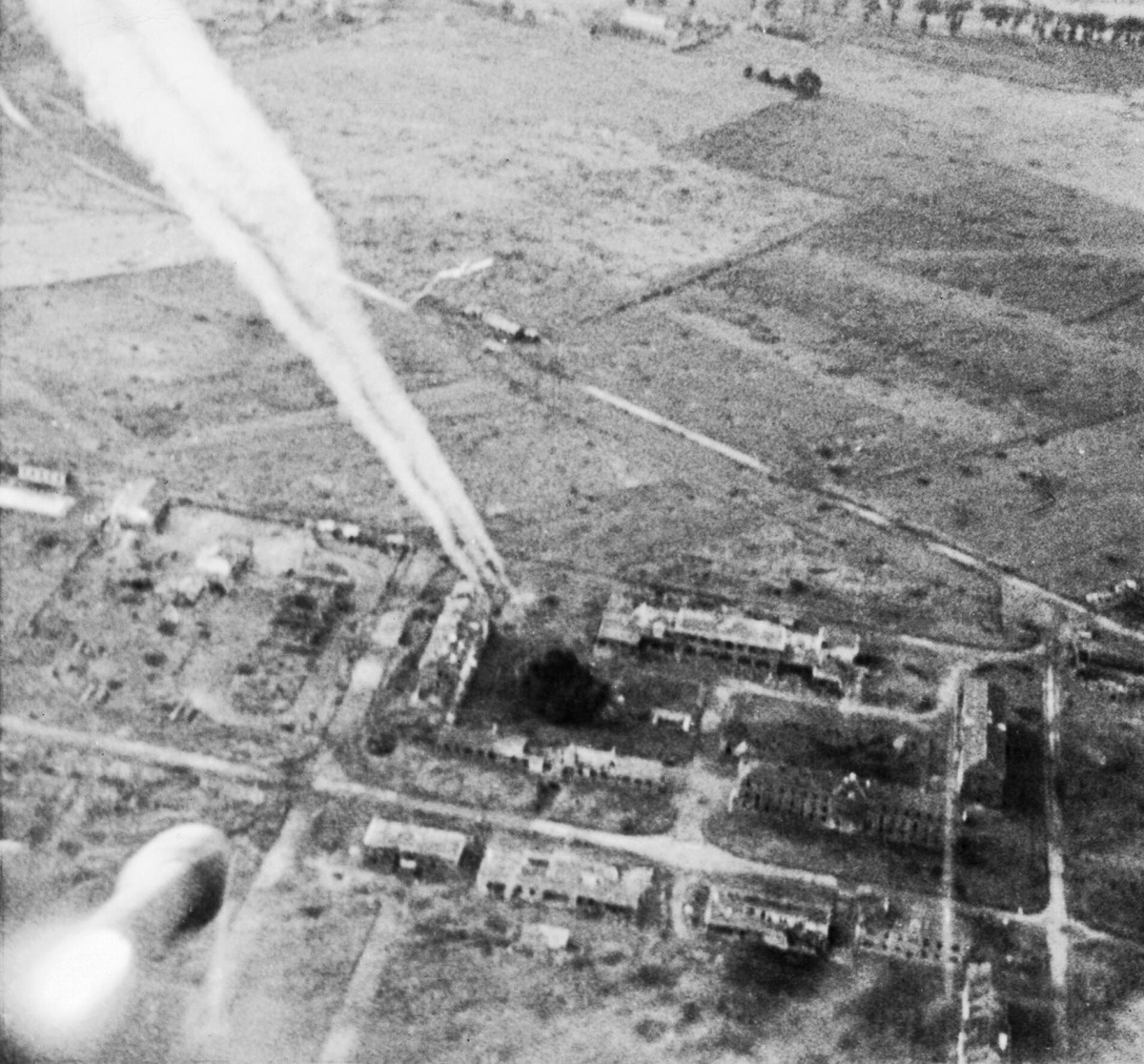
The RAF and Commonwealth air forces together with the Royal Navy Fleet Air Arm used the RP-3 rocket on:
Coastal Command and other RAF departments (Desert Air Force, RAF Second Tactical Air Force, SEAC etc.) for example installed the rockets on: Bristol Beaufighter, Boeing Fortress, Consolidated Liberator, Vickers Wellington, de Havilland Mosquito, Hawker Hurricane, Hawker Tempest, Hawker Typhoon, Republic P-47 Thunderbolt and the Supermarine Spitfire.
The Royal Navy Fleet Air Arm used the Grumman Tarpon/Avenger, Fairey Firefly, Fairey Swordfish, Hawker Sea Hurricane and the Hawker Sea Fury.
There are photos with Tanks and armor and the RP-3 installed like the Sherman medium tank and the British Cromwell tank.
The psychological and tactical effects of the rockets were also important. A formation of Typhoons approaching at low altitude and firing multiple rockets could place considerable pressure on troops and vehicle crews. Even when individual rockets missed their intended target, the attack could interfere with enemy operations and contribute to the broader Allied close-air-support effort.
Calibre: 3 inches (76.2 mm)
Introduced: 1943
Typical use: Fired from RAF and Fleet Air Arm aircraft against tanks, ships, locomotives, and other ground targets.
Warhead: Commonly a 25-lb (11.3 kg) SAP/AP head, although other warheads were developed.
Propulsion: Solid-fuel rocket motor.
Launch platform: Aircraft-mounted rails, particularly on aircraft such as the Hawker Typhoon and Hawker Tempest.
Nickname: Often called the “60-pounder rocket” when fitted with the 60-lb warhead, despite retaining the 3-inch motor diameter.
After ’45
After the Second World War, the RP-3 did not immediately disappear from service. It continued to be used by Britain and Commonwealth air forces and was adapted for use on later aircraft. Versions of the weapon saw further service after 1945, including during the Korean War. Its continued use demonstrated the usefulness of the basic concept of an aircraft-launched, solid-fuel, unguided rocket with interchangeable warheads.
Historically, the RP-3 represents an important stage in the development of air-to-ground weaponry. It bridged the gap between aircraft machine guns, conventional bombs, and the guided air-to-ground missiles that became increasingly important after the war. Its combination of a relatively simple rocket motor, interchangeable warheads, and aircraft-mounted launch rails made it adaptable and comparatively straightforward to operate.
Overall, the RP-3 was a versatile British air-launched weapon that played a significant role in Allied tactical air operations during the Second World War. Although its reputation as a highly reliable tank destroyer has been overstated, its ability to attack a wide range of ground targets made it an important weapon for aircraft such as the Hawker Typhoon. Its wartime service in Normandy and Northwest Europe, followed by postwar use including Korea, established the RP-3 as one of the best-known British aircraft rockets of its era.
