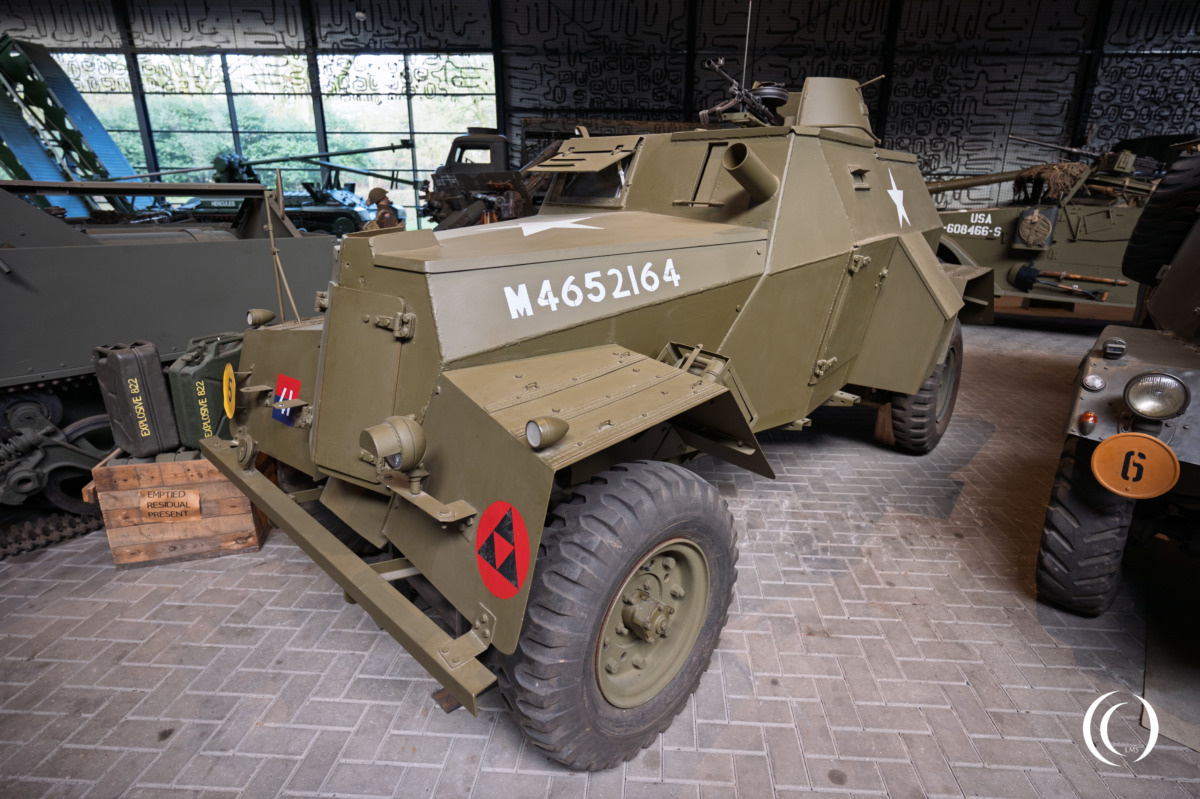
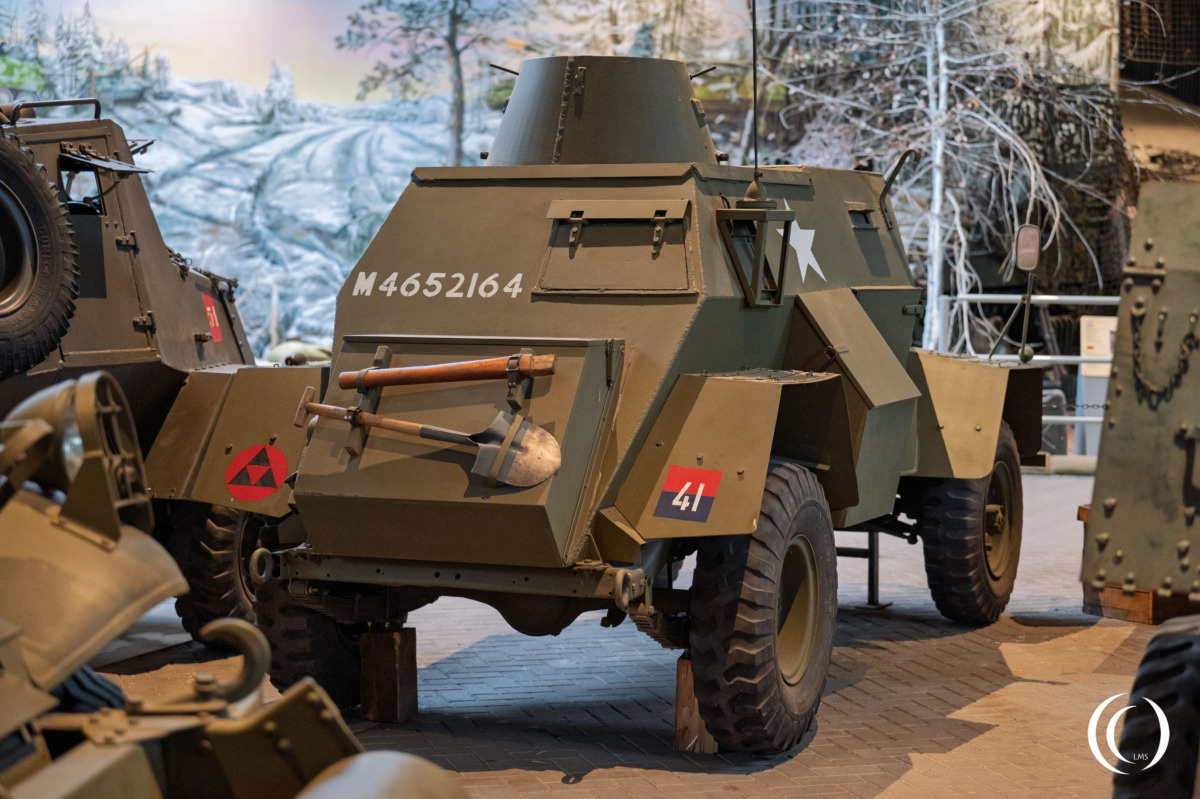
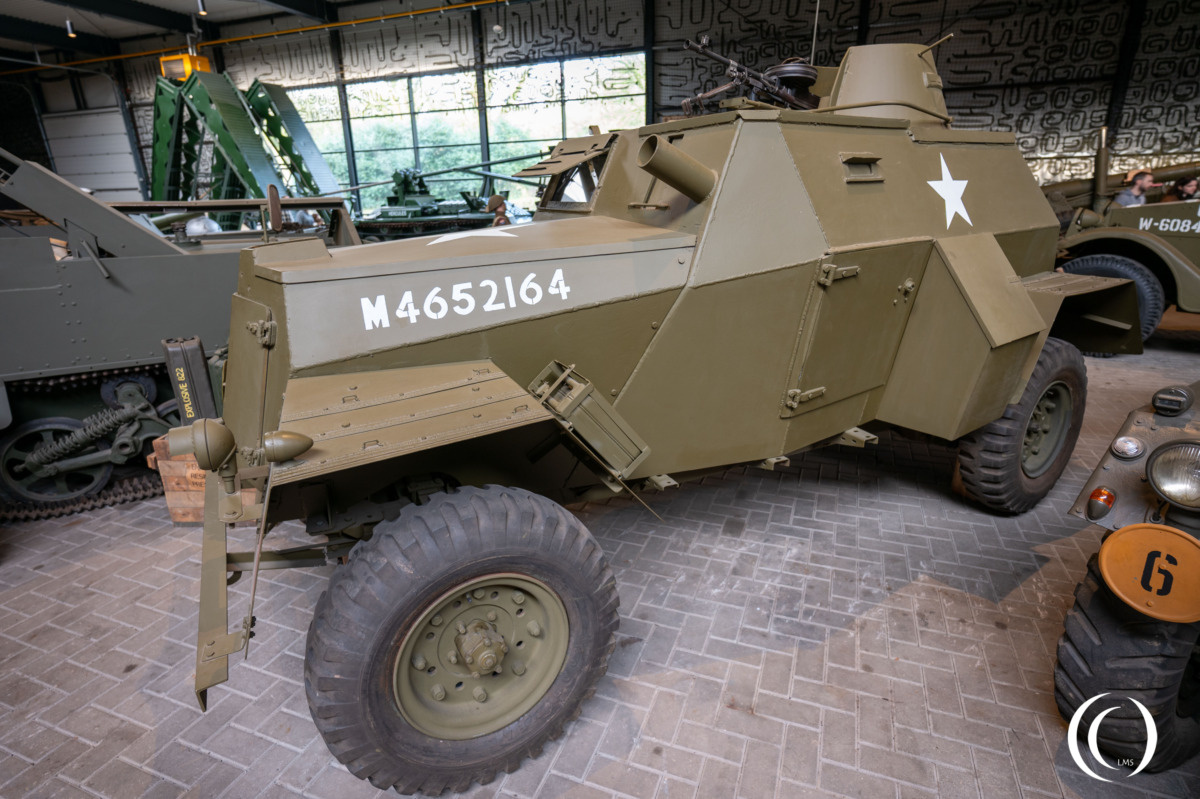
The Humber Light Reconnaissance Car (LRC) was a British armored military vehicle used during the Second World War. It was designed to provide reconnaissance, communication and light support for British and Commonwealth forces. The vehicle was valued for its speed, mobility and ability to operate in difficult conditions.
The Humber LRC was developed in 1940 by the Rootes Group (Humber), a British vehicle manufacturer. It was based on the chassis of the Humber Super Snipe, a civilian car. The British Army needed a fast and reliable armored vehicle that could scout enemy positions and gather important information without engaging in major battles.
The vehicle was fitted with armor to protect its crew from small-arms fire and shell fragments. Depending on the model, its armor was approximately 10 (Mk.I) to 12 mm (Mk. III) thick. It was usually equipped with a Boys anti-tank rifle and a Bren light machine gun.
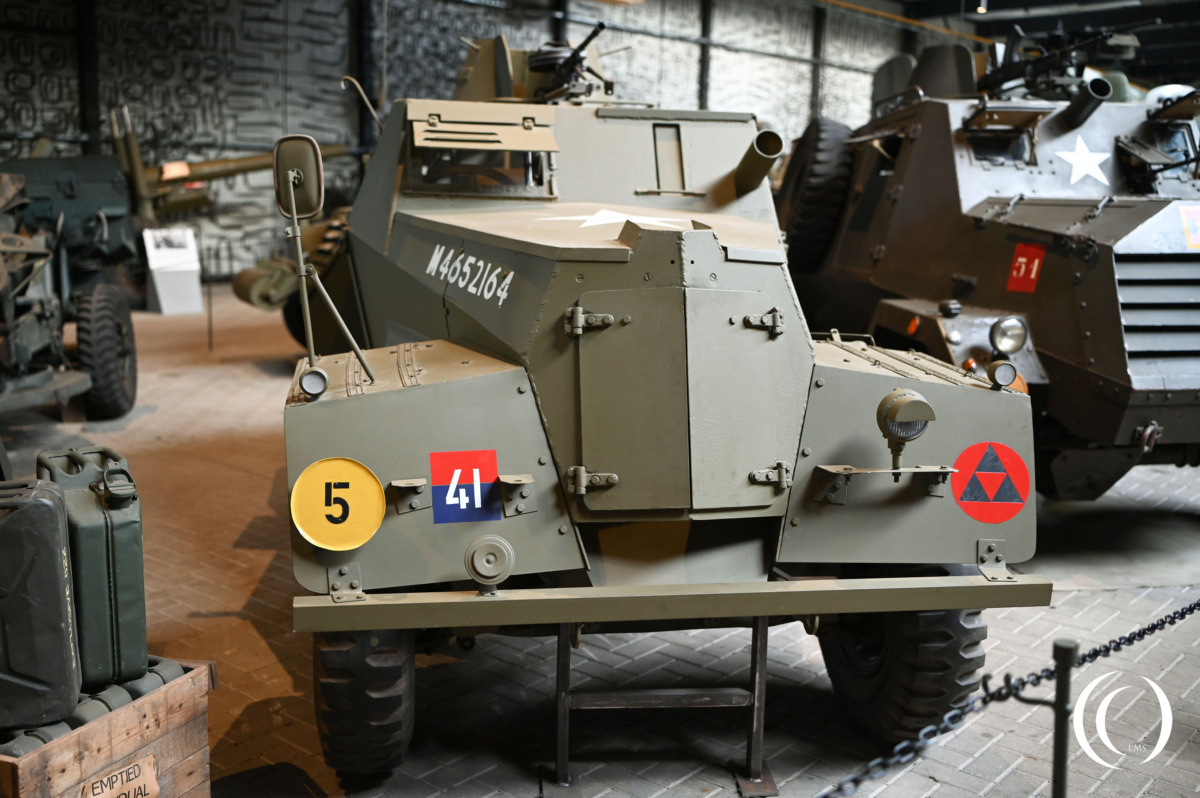
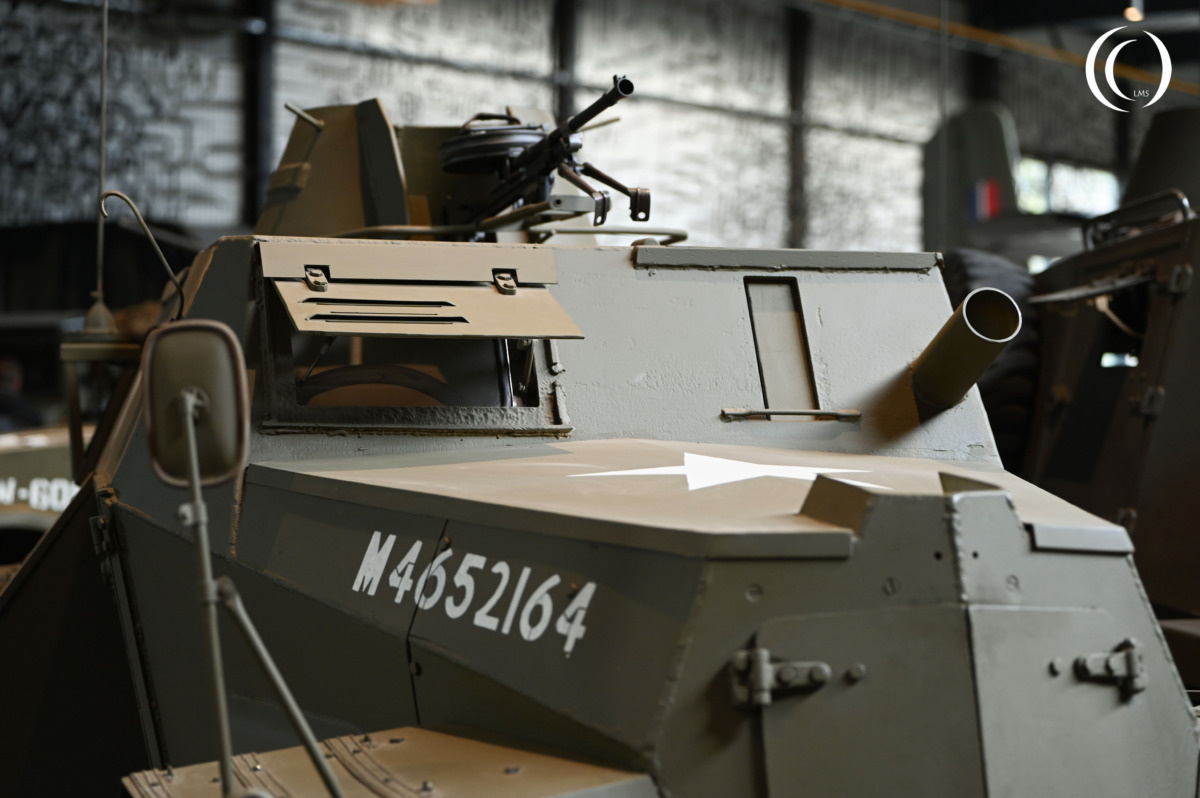
The Humber Light Reconnaissance Car generally carried a crew of three: a driver, commander and gunner. It was powered by a six-cylinder petrol engine, producing approximately 87 horsepower. Its maximum road speed was around 72 km/h, making it suitable for reconnaissance missions and rapid movement across the battlefield.
Several versions of the Humber LRC were produced, including the Mark I, Mark II, Mark III and the Ironside Special Saloon. Each version introduced improvements to the vehicle’s design, protection or equipment. Later versions received improved armament and other technical modifications.
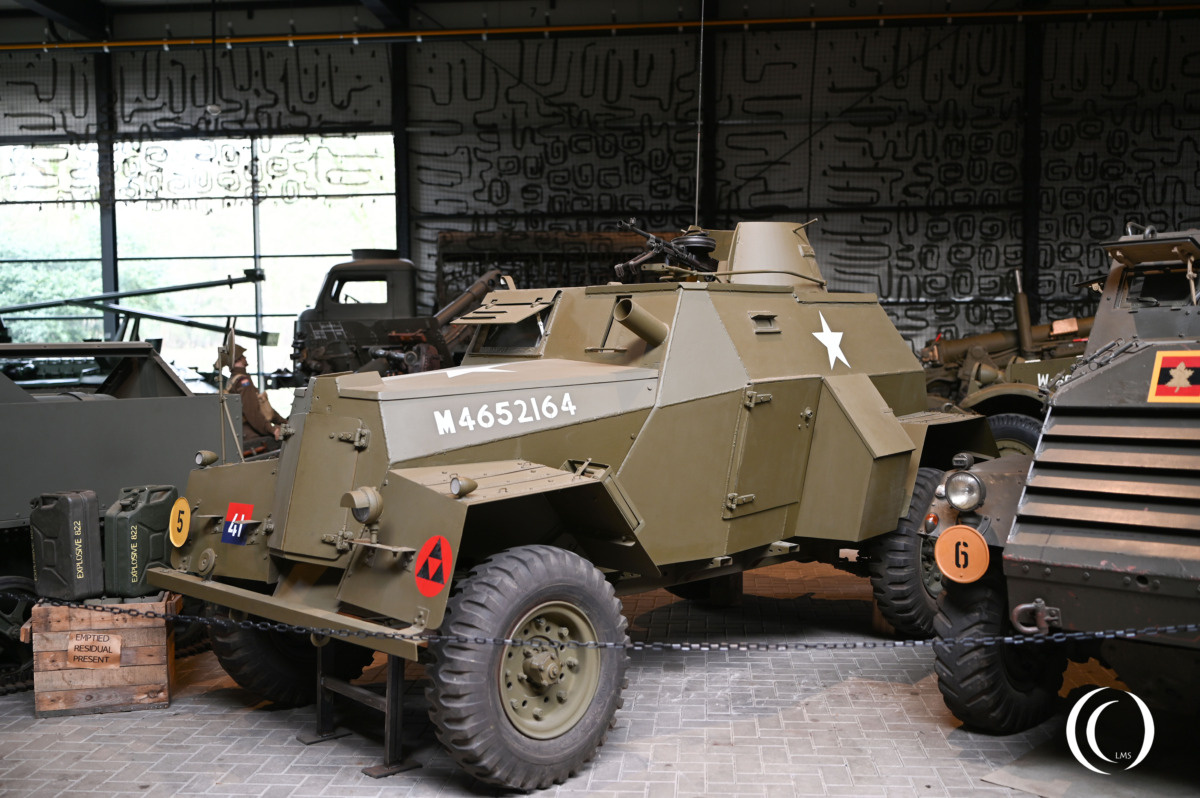
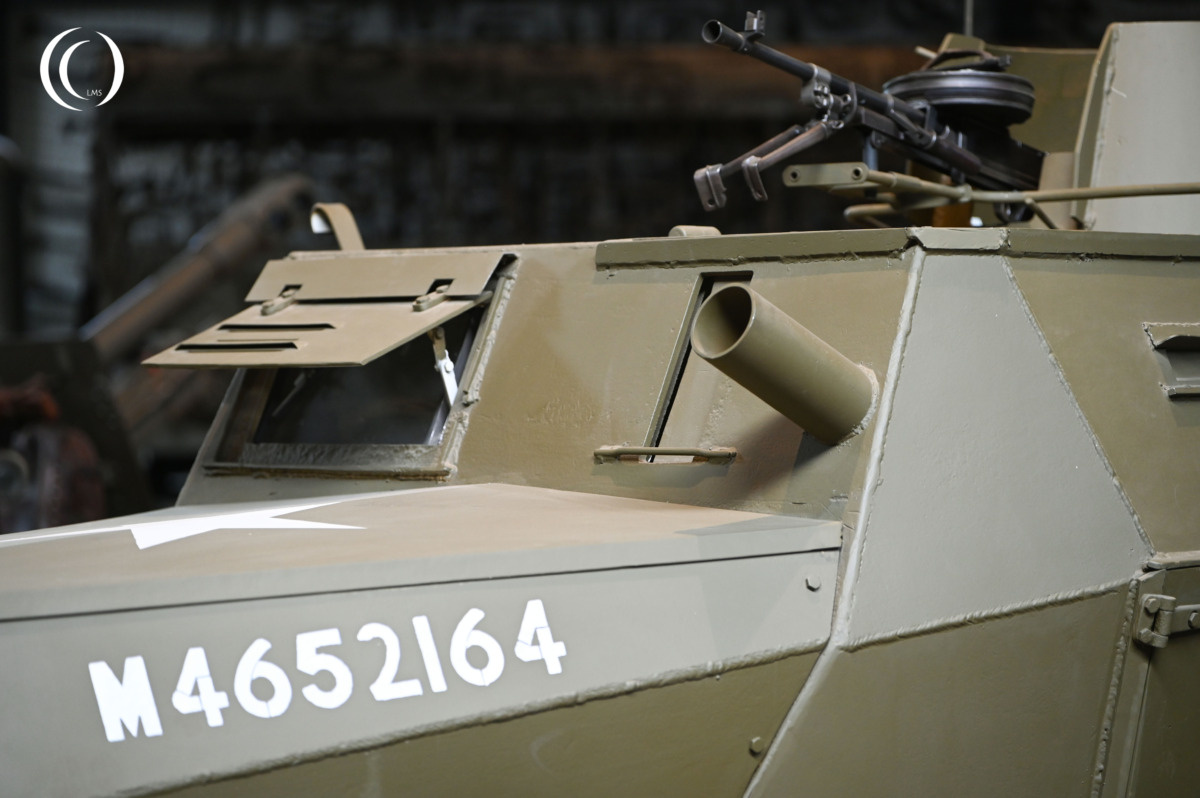
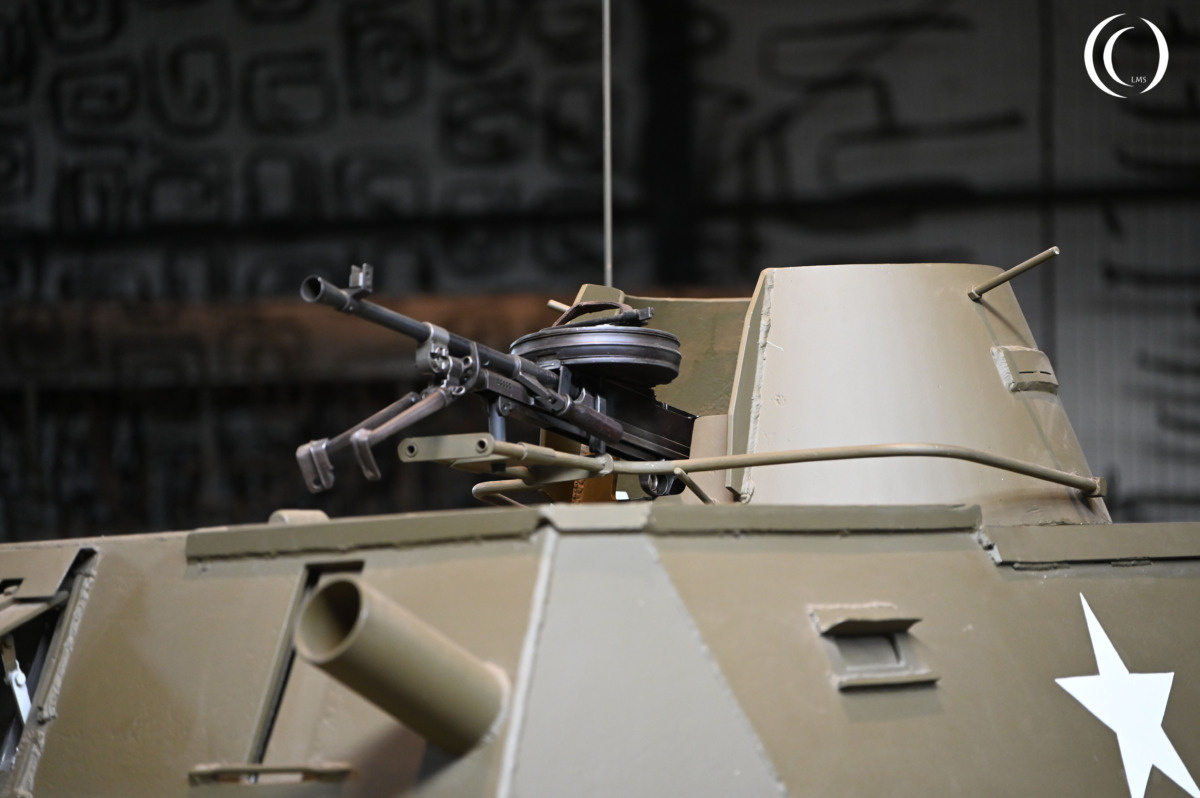
Modification on the different variants:
Mk. I was open topped and had 10 mm frontal armor, 7 to 9 mm on its side and was a Boys anti-tank rifle and a Bren light machine gun and had a 4×2 drive. It was produced in small numbers.
Mk. II was outfitted with an enclosed roof and a turret for the Bren light machine gun and was exactly armored as the Mk. The added roof was 7 mm thick and the turret had 6 mm armor. It had a 4×2 drive.
Mk. III was the same vehicle as the Mk. II but had a 4×4 drive installed, it was produced from late 1941.
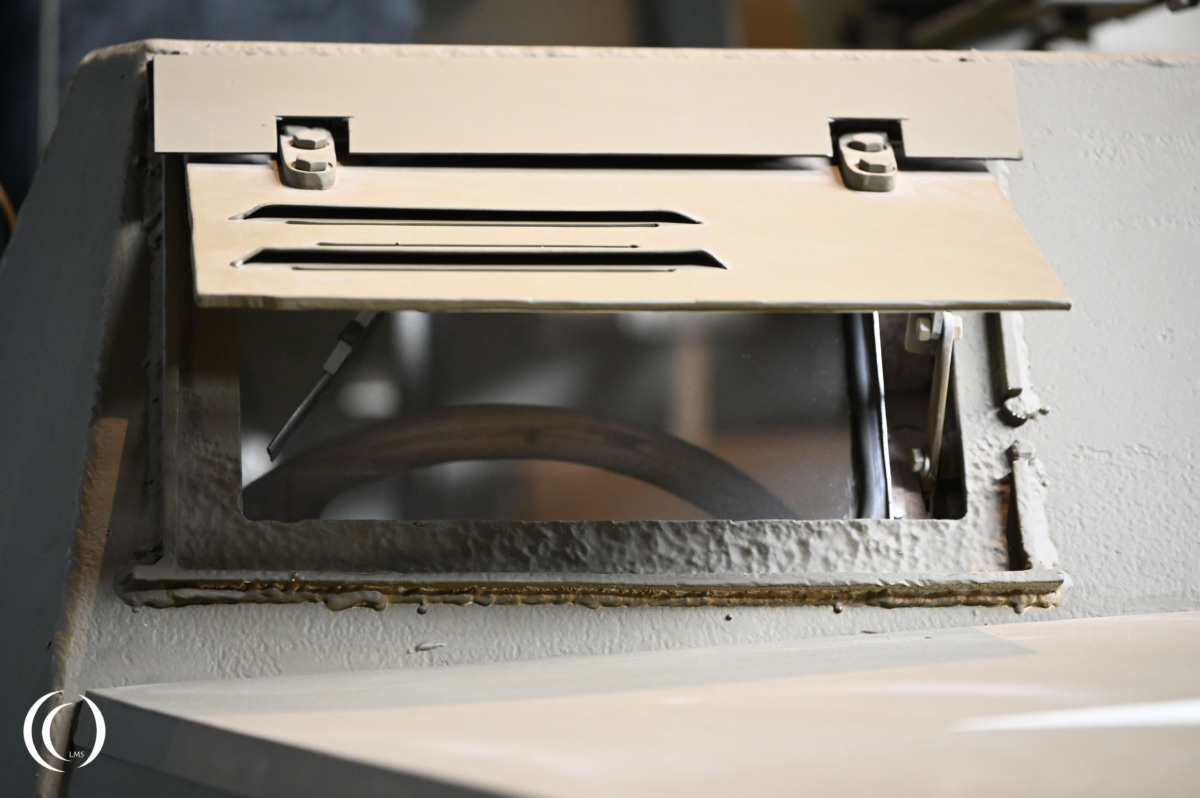
Mk. IIIA was produced from 1943 and had a frontal armor of 12 mm and 8 mm on its sides, 7 mm on the roof and rear and a 6mm thickness on its turrets. It has additional vision ports at the front angles of the hull.
Ironside Special Saloon was a version specially built for VIP’s. It had a luxurious interior (for an armored car) which was split by a perspex screen. An extra door was added for easy entry. It was used by cabinet ministers and members of the royal family. Or as staff cars but without the dividing screen.
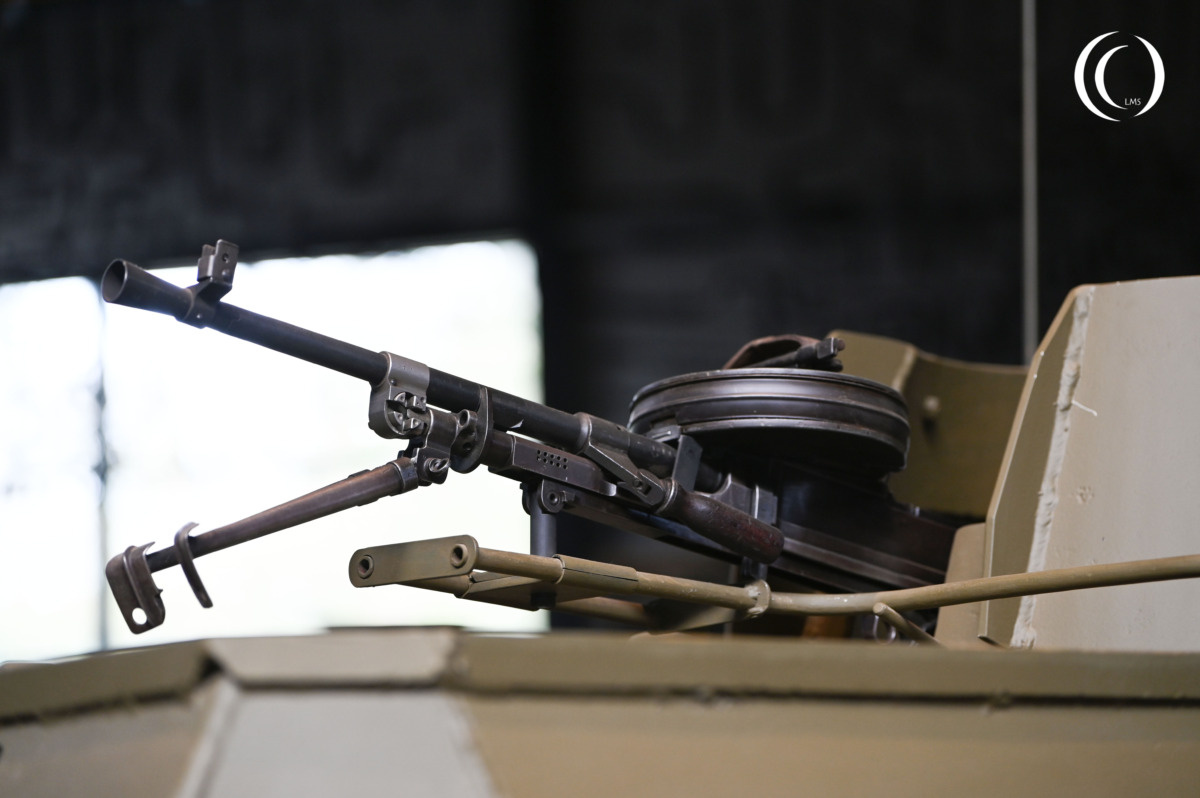
The Wireless Set No. 19 mobile radio transceiver was installed in the Humber Light Reconnaissance Car for communications.
Technical Specifications Mk. III
Drive Configuration: 4×4, a four-wheel drive
Crew: 3, a commander, driver and a wireless/radio operator
Weight: 3.17 to 3.2 tons
Dimensions:Length: 4.37 m (14 ft 4 in)
Width: 1.88 m (6 ft 2 in)
Height: 2.11 m (6 ft 11 in)
Engine, a 4.1L (or 6-cylinder) petrol engine producing around 90 horsepower
Maximum Speed: 121 km/h (60 to 75 mph) road speed
Operational range 180 km (110 mi)
Radio Equipment: Fitted with a No. 19 wireless radio set
Armour
Frontal armor thickness 12 mm
Sides & Rear / Roof: 7 to 8 mm (with an armored roof and small rotating turret carried over from the Mk. II)
Armament
One Boys .55-caliber anti-tank rifle (13.9mm)
One Bren .303 light machine gun (LMG)
One Smoke discharger (e.g., 4-inch or single reloadable smoke projector)
The Humber LRC saw service in several theatres of the Second World War, including North Africa, Italy and North-West Europe. It was used by British, Canadian and other Allied forces. Its main task was to patrol roads, observe enemy movements, carry messages and provide information about enemy positions. The Humber light reconnaissance car was manufactured by Humber (Rootes Group) and produced from 1940 until 1943. In total, all versions combined, 3,600 Humber Light Reconnaissance Cars were built, the 200 Ironside Special Saloon included.
Sources
- Chris Bishop – The Illustrated Encyclopedia of Weapons of World War II
- Nevington War Museum
- Warwheels.net
- Wikipedia.org
