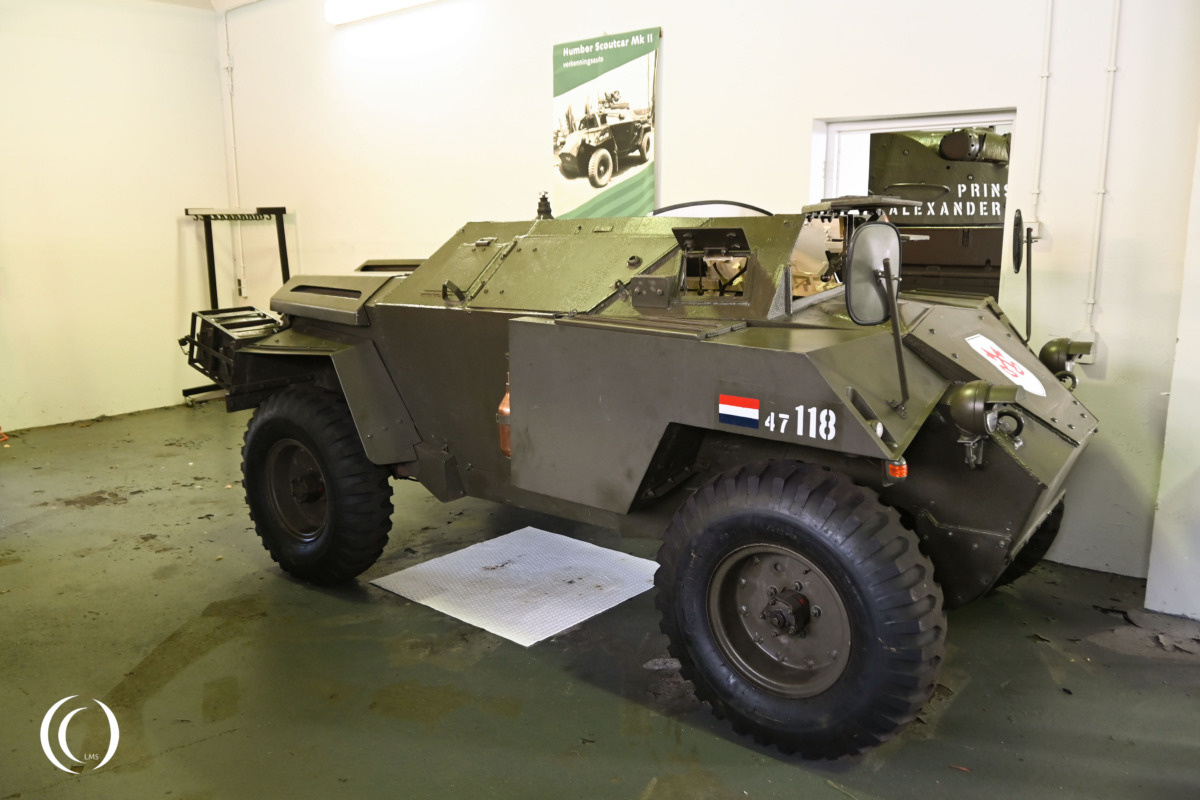
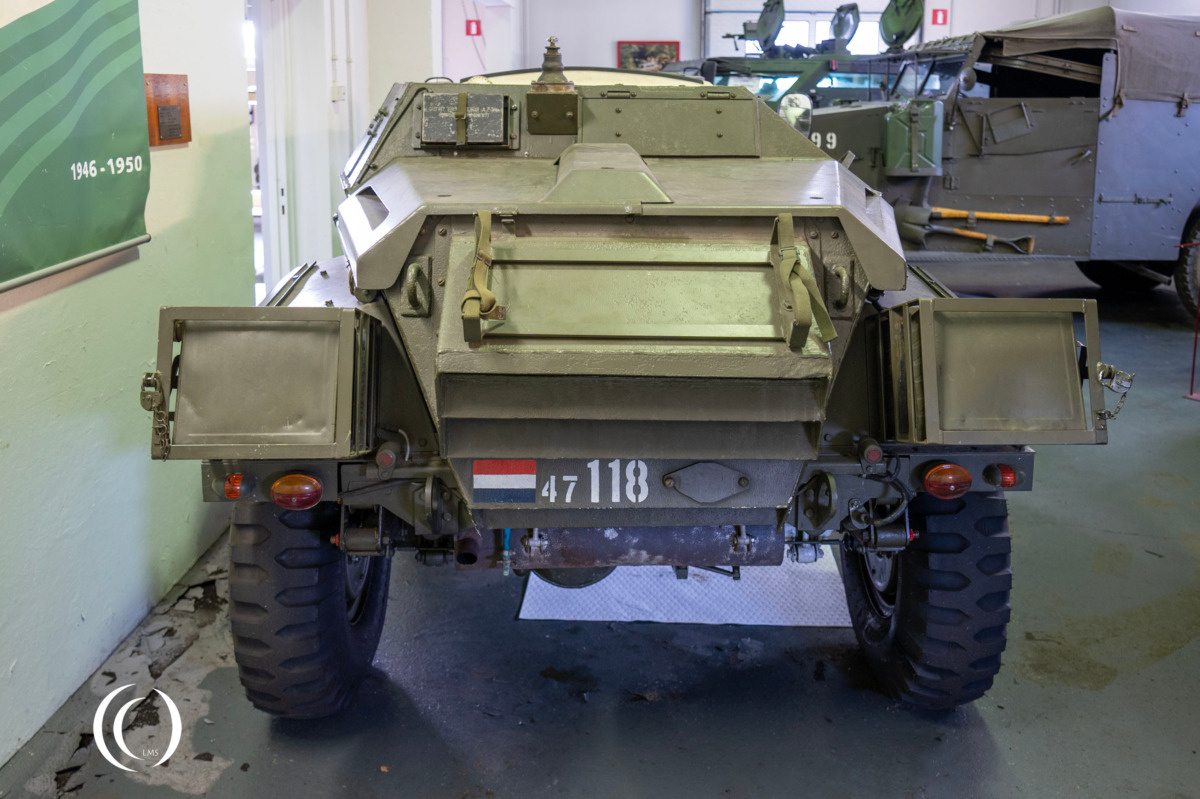
During the Second World War, the British had an effective scout car: the Daimler Dingo. It was stable and robust, but demand for it exceeded manufacturing capacity, prompting a search for an alternative solution to the problem. Humber, which—along with other companies in the Rootes Group—was already producing armoured cars and the ‘Humber Light Reconnaissance Car’, built a vehicle in 1942 that was similar in layout to the Dingo, this was the Humber Scout Car.
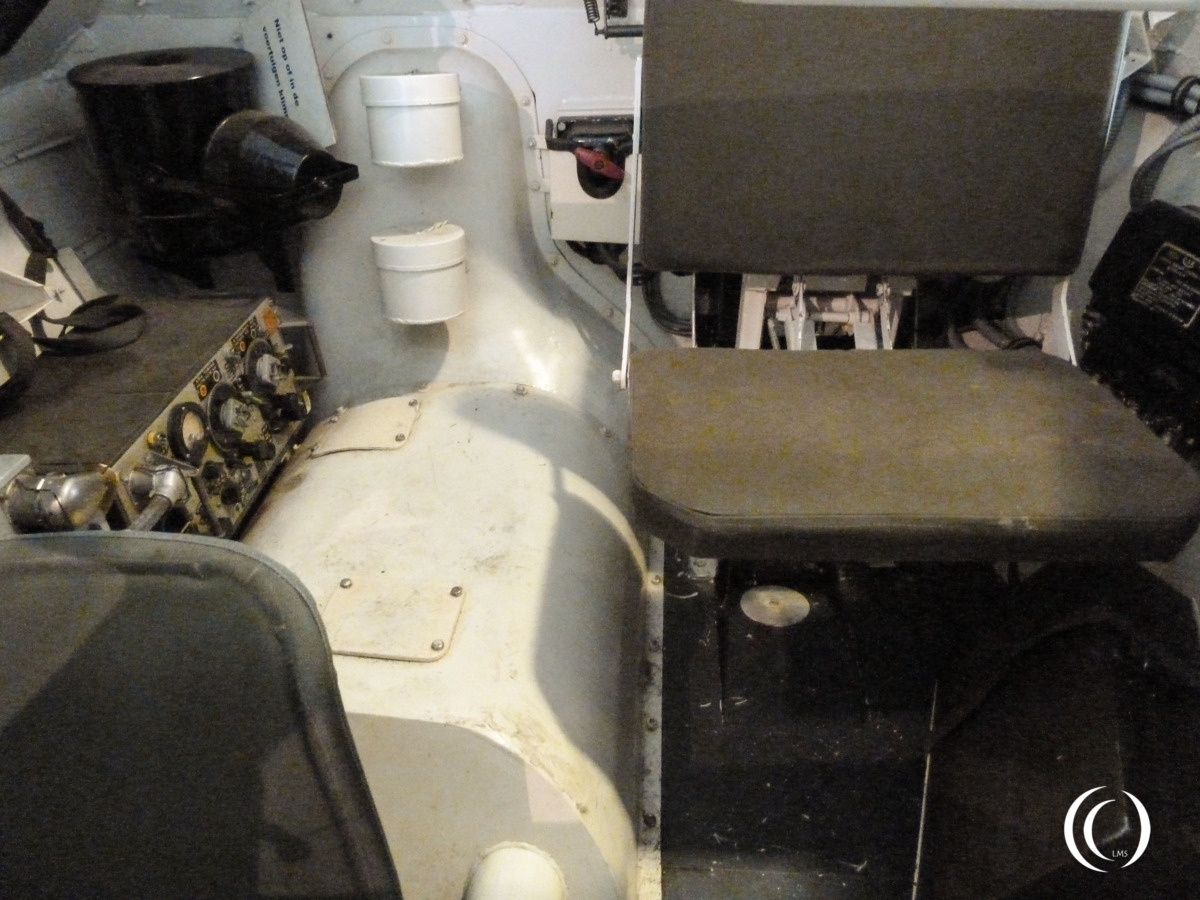
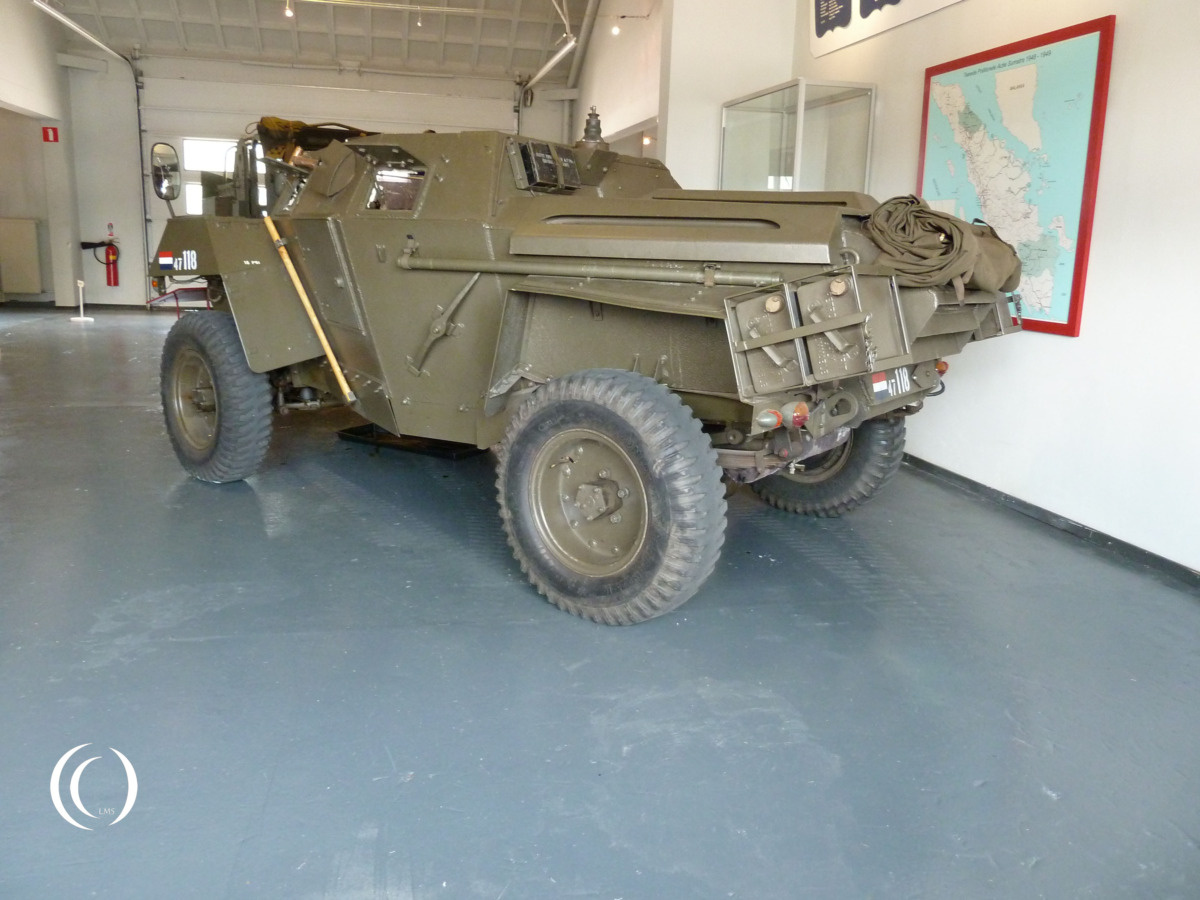
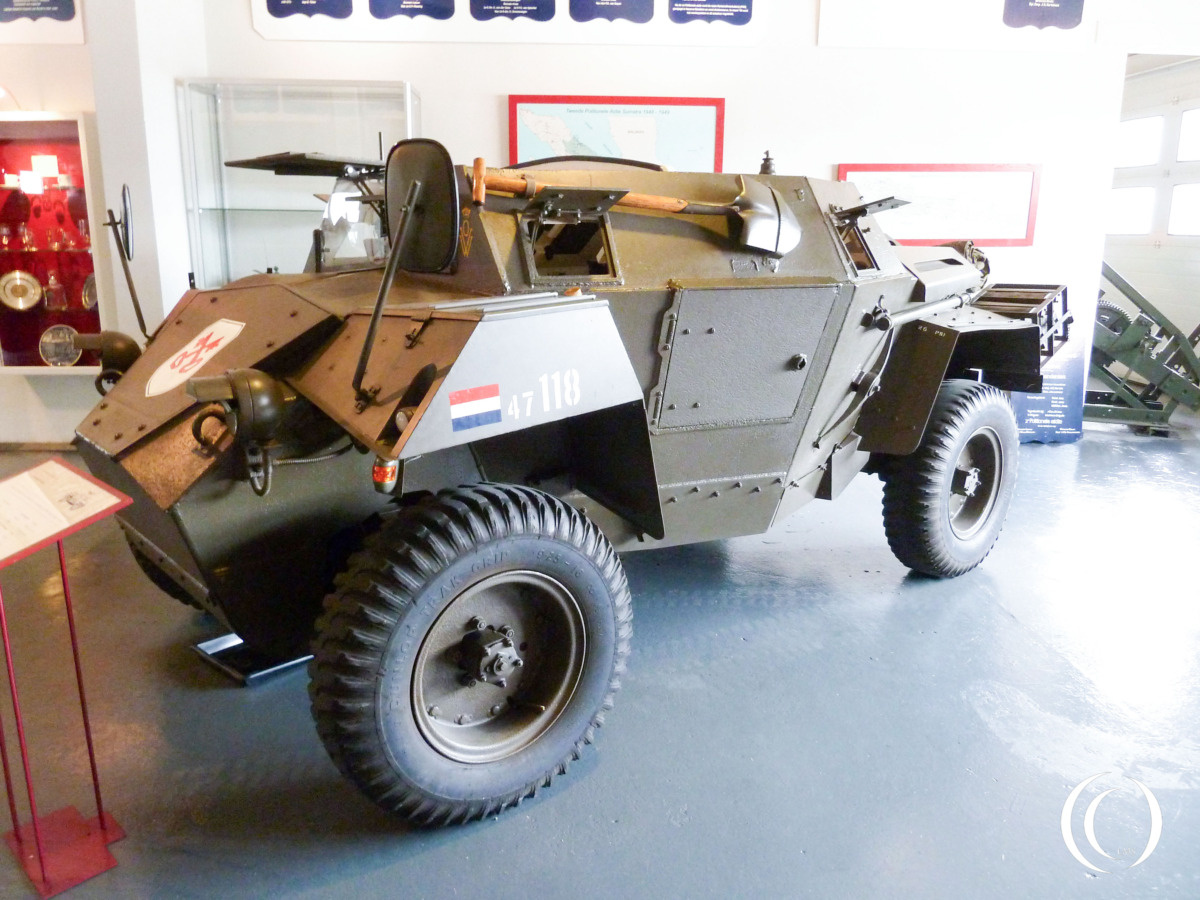
To meet a specific weight requirement, the vehicle was designed with an open top and an unarmored floor. Although the opening at the top could be covered using metal plates, these were not included as standard equipment for the Scout Car. A No. 19 radio set was installed for radio communications. The vehicle had space for two permanent crew members: a driver and a commander/radio operator/machine gunner, positioned a little further back relative to the driver. There was also a seat for a third crew member, but this was an emergency seat with less space than those provided for the permanent crew.
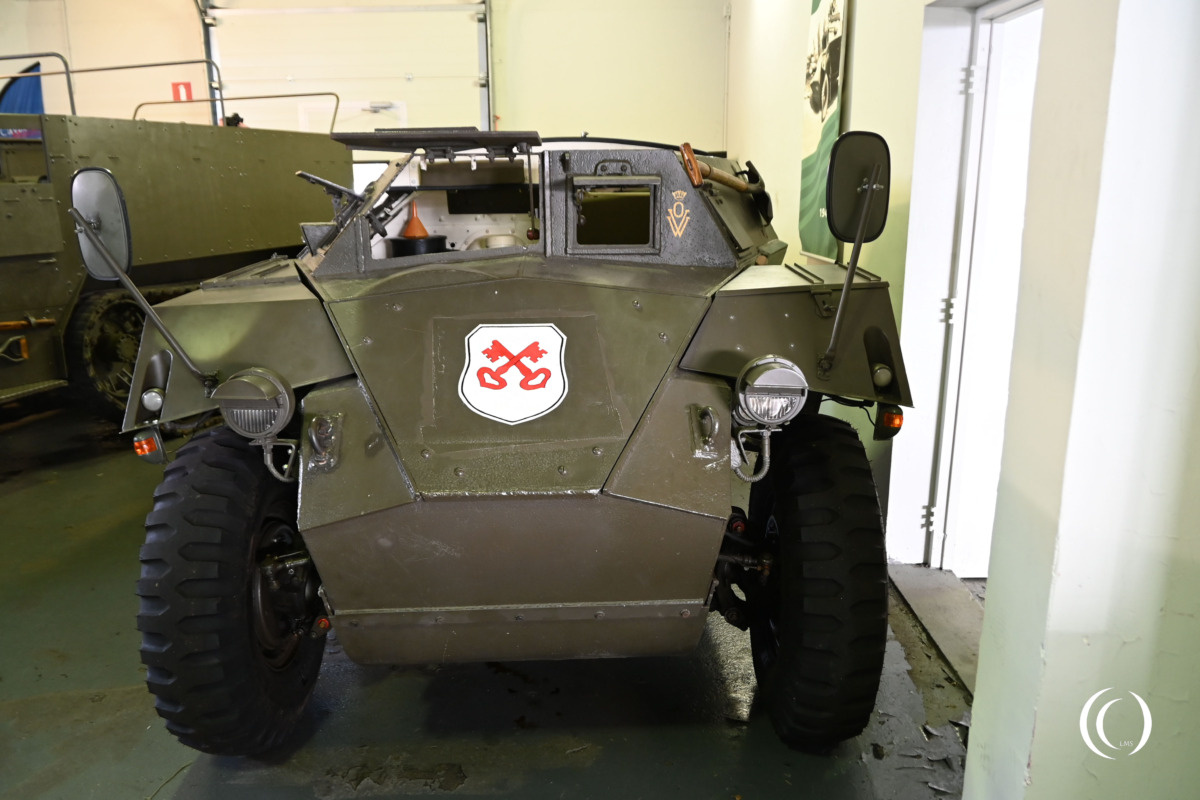
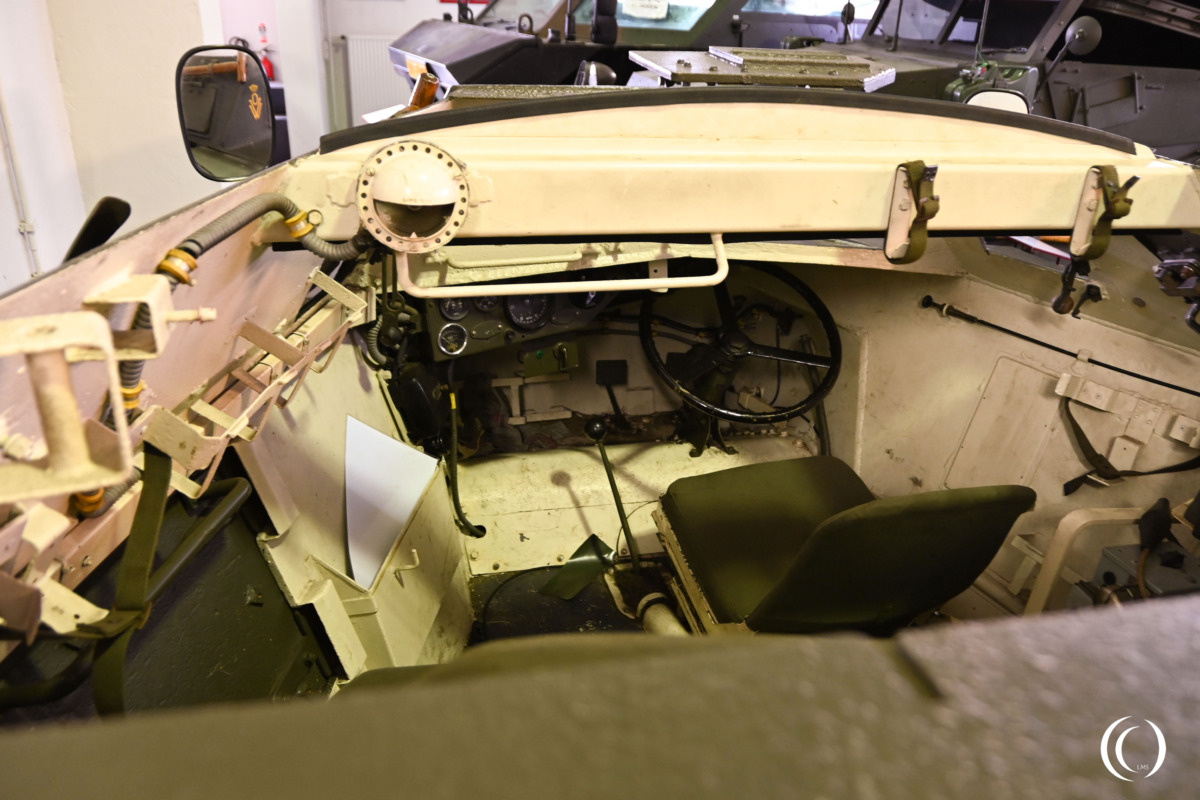
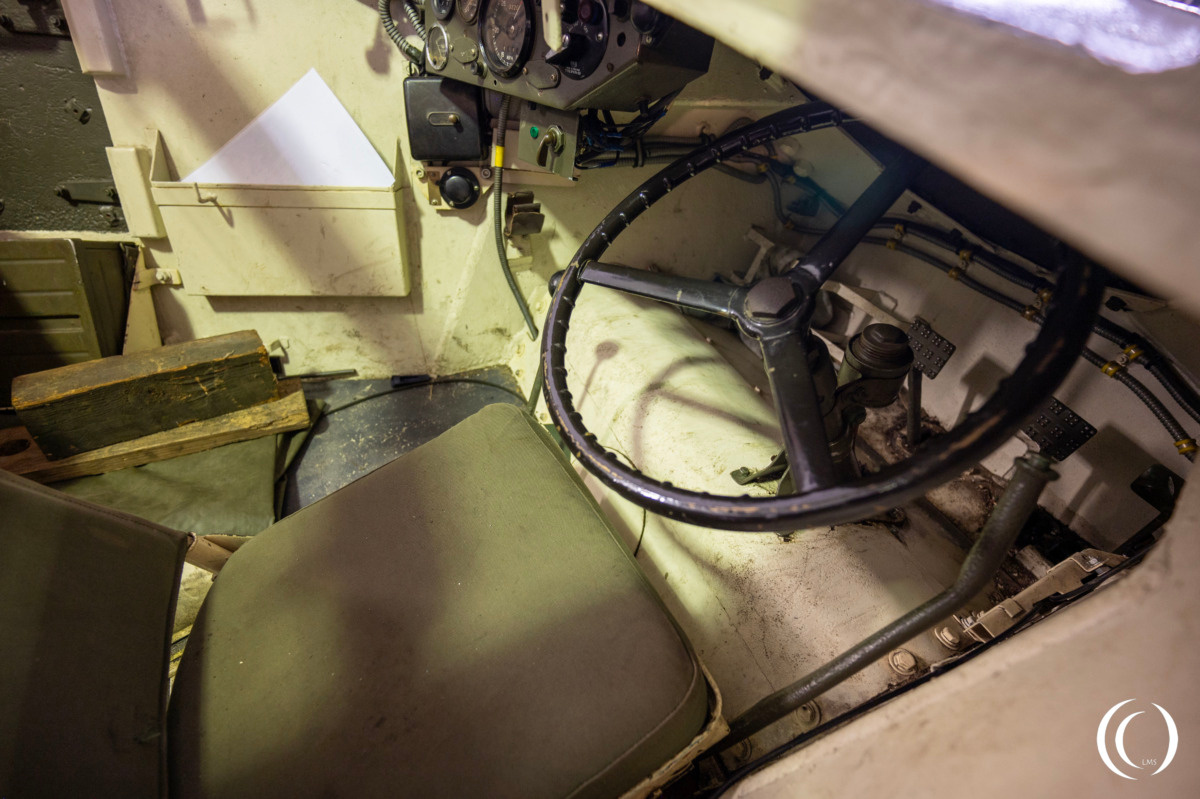
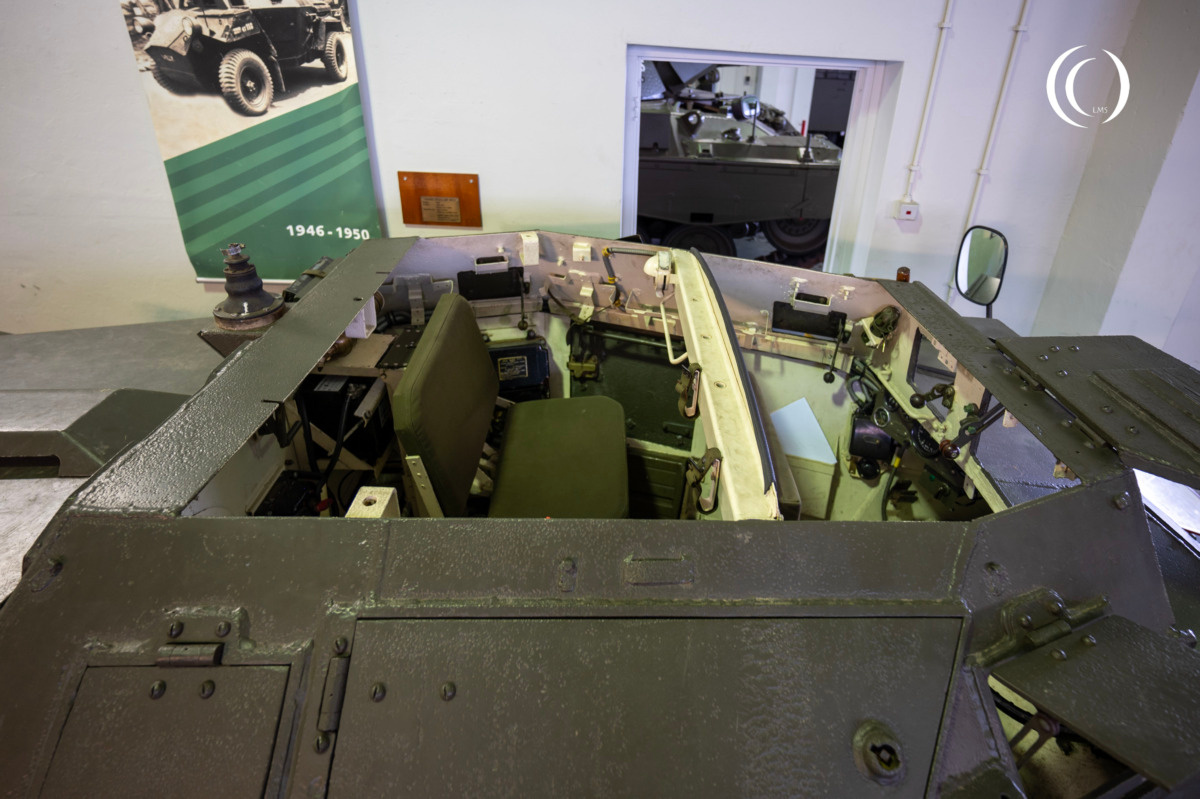
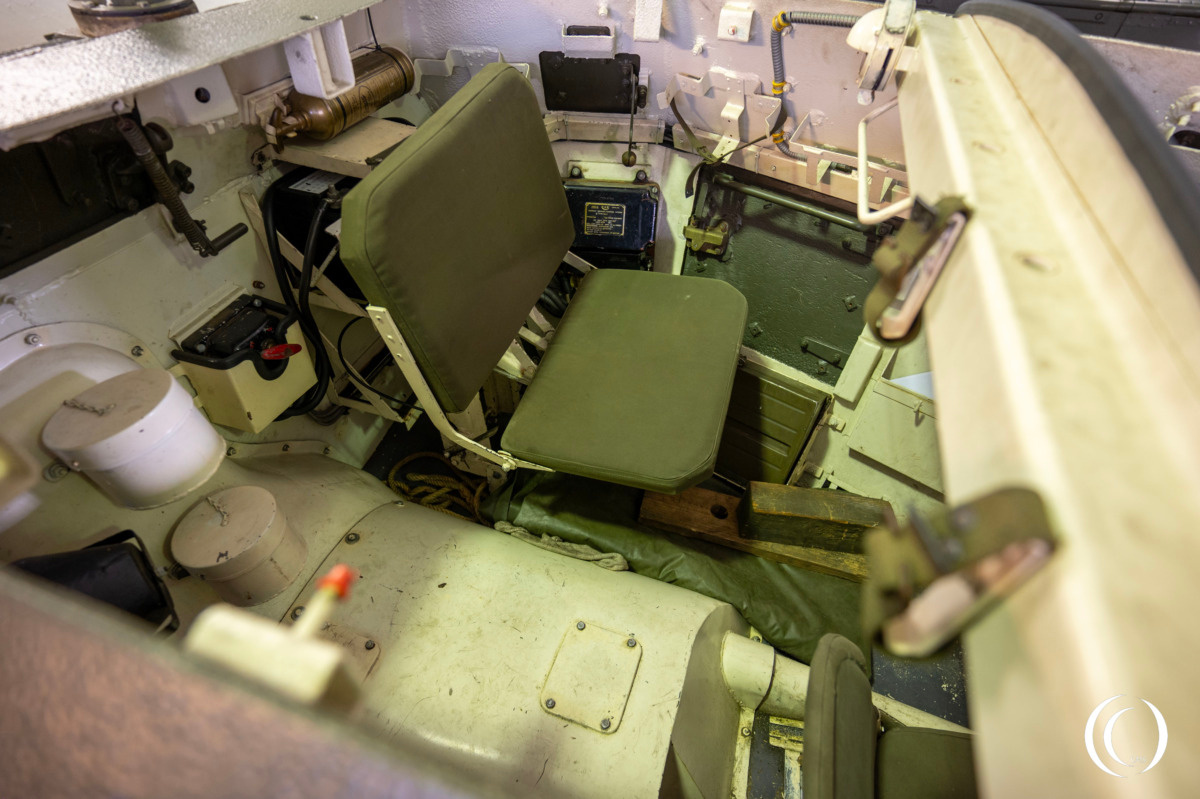
The Humber Scout Car featured light armour up to 14 mm (0.55 in) thick and was equipped with one or two machine guns—specifically, 7.7 mm (0.303 in) Bren machine guns.
There was a mounting point for a machine gun on the roof, which could be operated from inside the vehicle.
There were two versions of the Humber Scout Car: the Mk I and the Mk II. The differences between the two were minor; the Mk II featured an improved transmission and several other small enhancements.
The Humber Scout Car remained in production until 1945, with 4,102 vehicles built (1,698 of which were Mk I versions). The scout car was used by units including the 11th Armoured Division and the Guards Armoured Division—the latter of which included the Coldstream Guards.
Following the war, the Humber Scout Car saw service in several European countries, such as Poland, Norway, Belgium, the Netherlands, and France. They also found their way to Indonesia and South Africa.
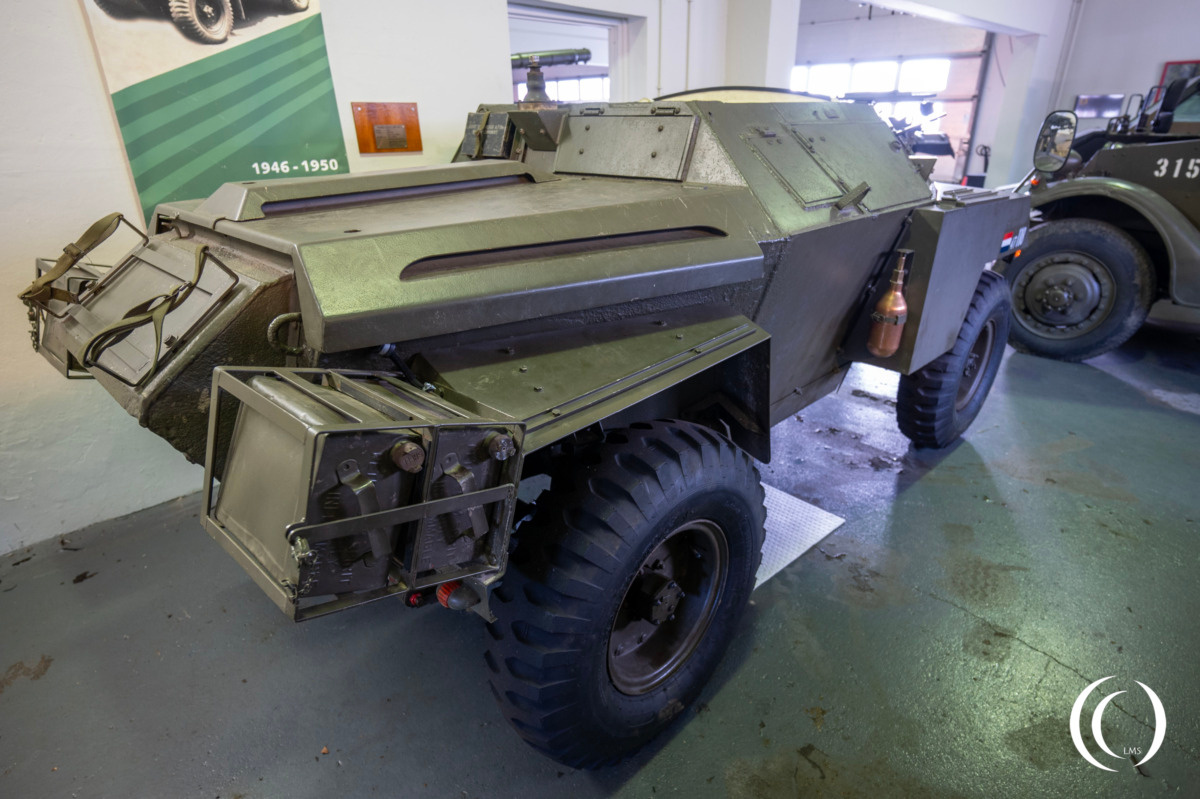
Technical specifications:
Mass 2.4 tonnes (2.4 long tons)
Length 3.83 m (12 ft 7 in)
Width 1.87 m (6 ft 2 in)
Height 2.13 m (7 ft 0 in)
Crew 2
Armor 12 to 14 mm
Armament
Engine 6 cylinder petrol engine with 87 hp
Suspension on all wheels 4×4
range 320 km (200 mi)
maximum speed 100 km/h (62 mph)
Sources
- WWII British Armoured Cars
- Humber Scout Car – Quartermaster Section
- Humber Light Reconnaissance Car
- Humber Armoured Car Family
- Militaryfactory.com
- Wikipedia
