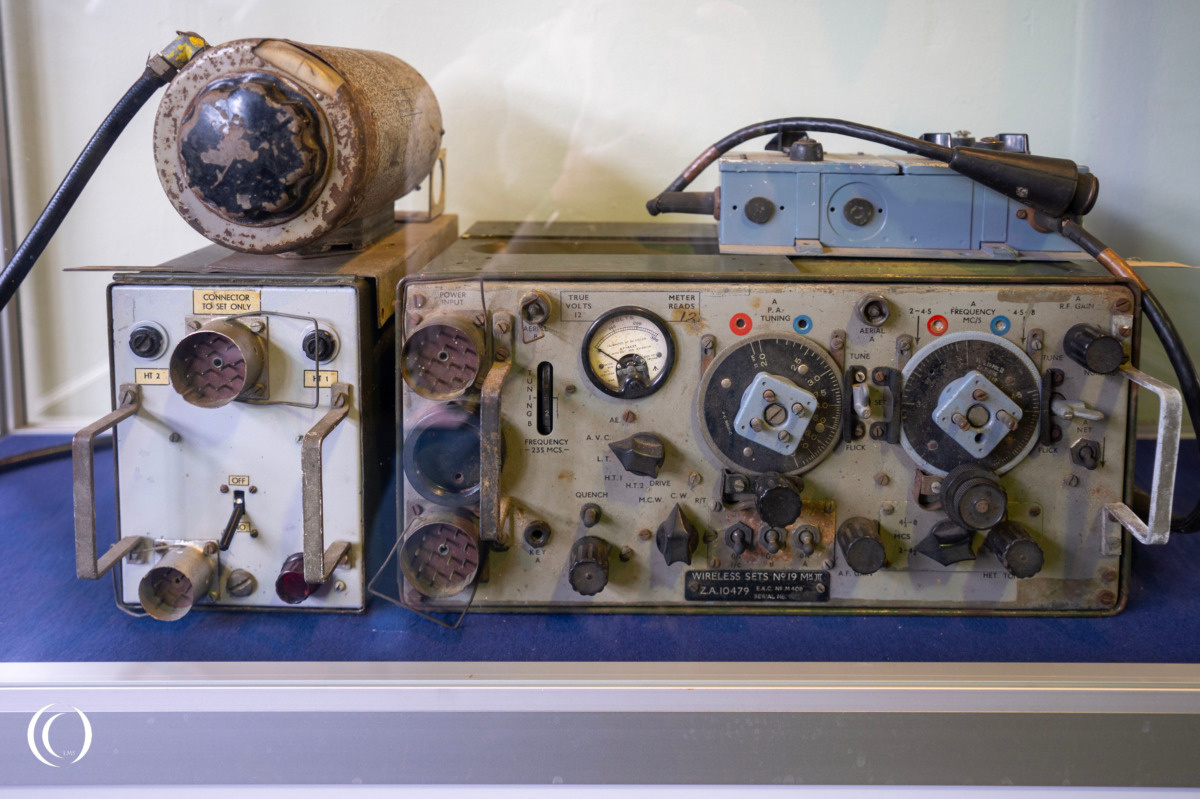
The British Wireless Set No. 19 was one of the most important military radio systems used by the British Army during the Second World War. Introduced in 1941, it was specifically designed to meet the communication requirements of armoured fighting vehicles, particularly tanks and armoured cars. It enabled commanders, tank crews and other military units to maintain contact while moving across the battlefield.
Before radio introduction, communication between armoured vehicles was often difficult. Early tanks relied heavily on visual signals, flags and messengers, making coordination during combat extremely challenging. The Wireless Set No. 19 represented a major improvement in battlefield communications and played an important role in the development of modern armoured warfare.
It was designed by Pye Ltd, the Wireless Set No. 19 combined three communication systems within one equipment installation:
A Set: A high-frequency (HF) transmitter and receiver providing medium- and longer-range communication between tanks, squadrons and regimental headquarters.
B Set: A very-high-frequency (VHF) radio designed for short-range communication between tanks operating within the same troop.
Intercom: An internal communication system allowing crew members to speak to one another through their headsets.
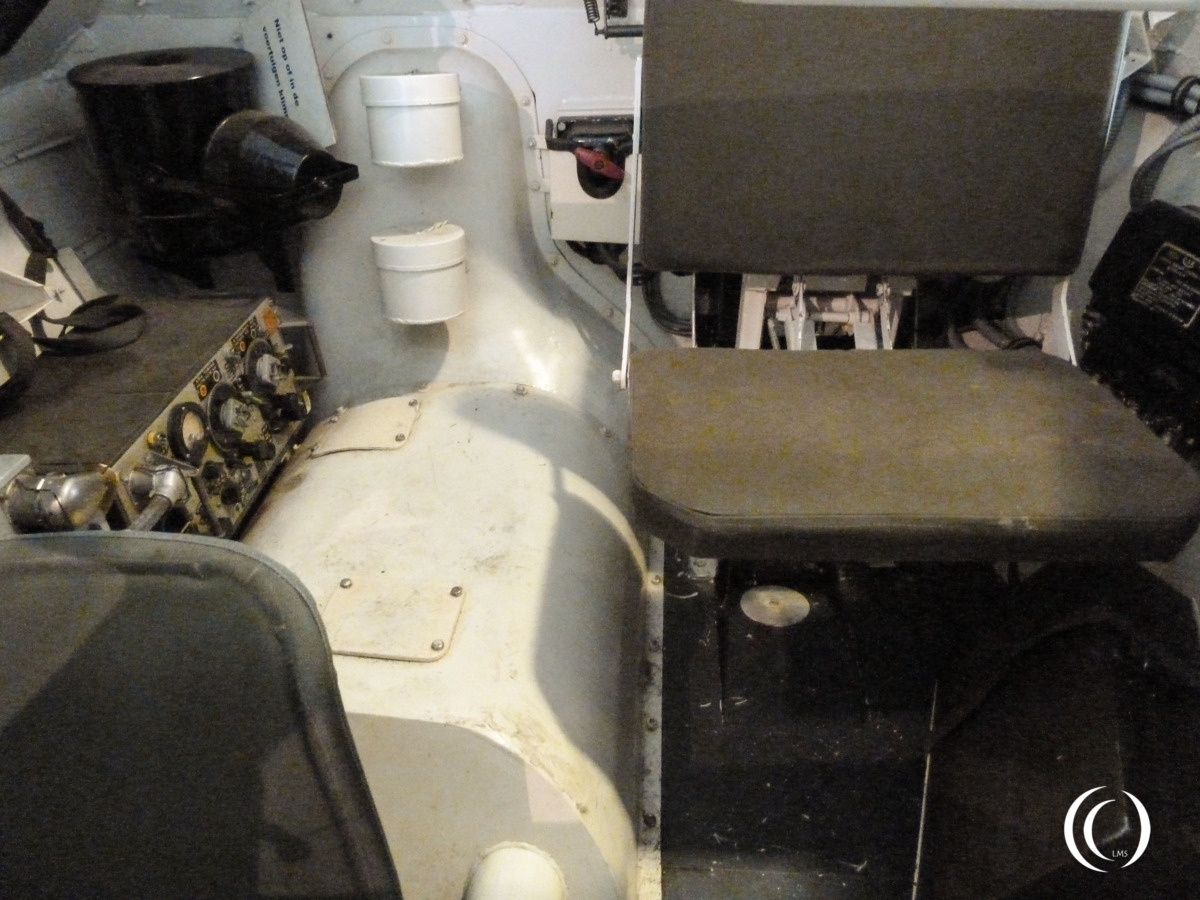
The Mk I operated on a single A-set frequency range of 2.5–6.25 MHz. Later Mk II and Mk III versions offered an improved range of 2–8 MHz, divided into two bands. The B Set operated between approximately 229 and 241 MHz.
Wartime service
The Wireless Set No. 19 saw extensive service in British armoured vehicles throughout the war, including tanks, armoured cars and reconnaissance vehicles. It was particularly valuable during the campaigns in North Africa, Italy and North-West Europe.
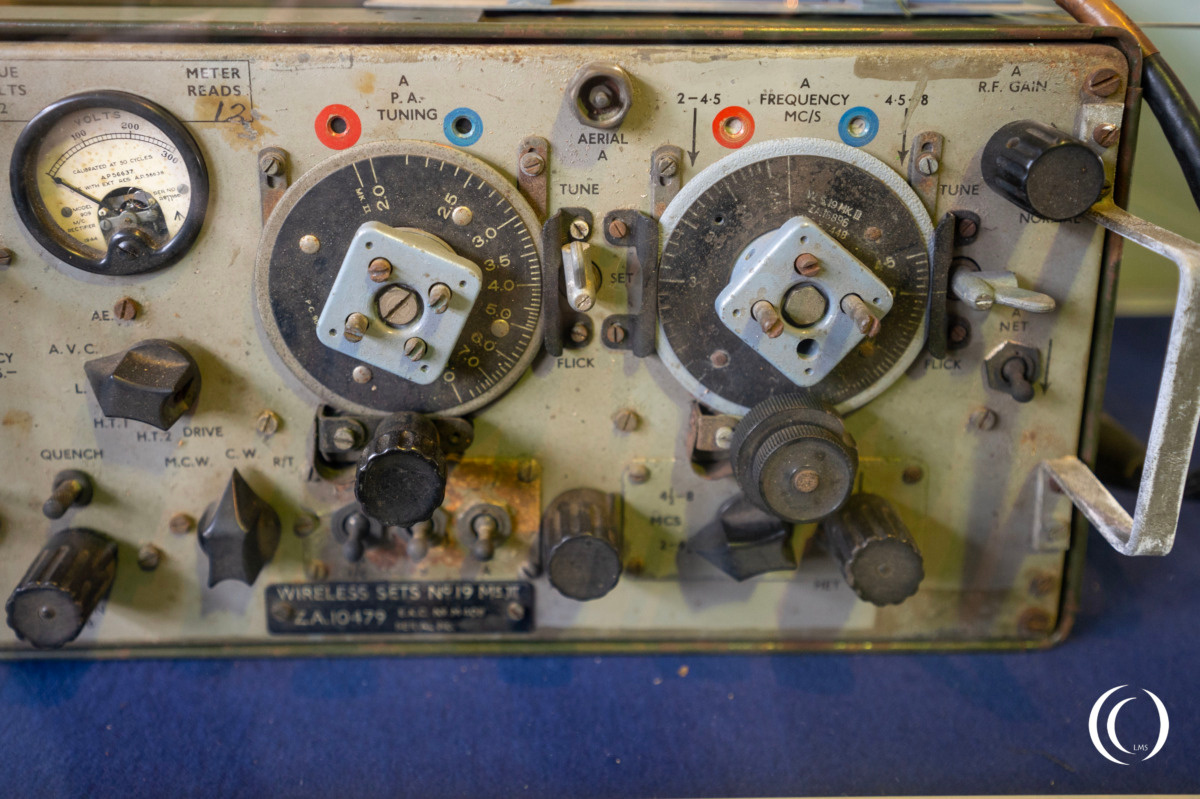
Its introduction helped British armoured formations coordinate movements, exchange battlefield information and respond more effectively to changing situations. The equipment was also manufactured in Canada, the United States and Australia to meet wartime demand. Canadian-built examples were supplied to the Soviet Union under the Lend-Lease programme, some featuring English and Cyrillic markings.
Sources
- Military Wireless
- CSS Museum
- Radiomuseum.org
- Wikipedia
