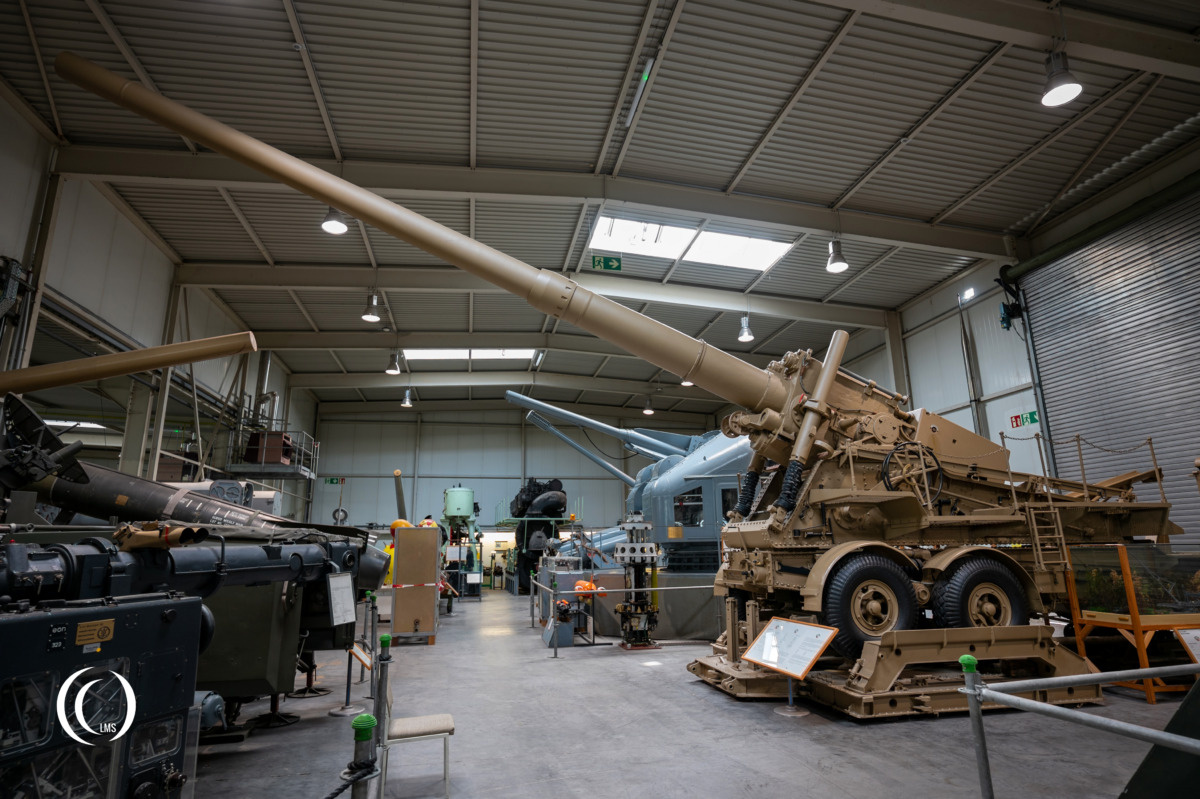
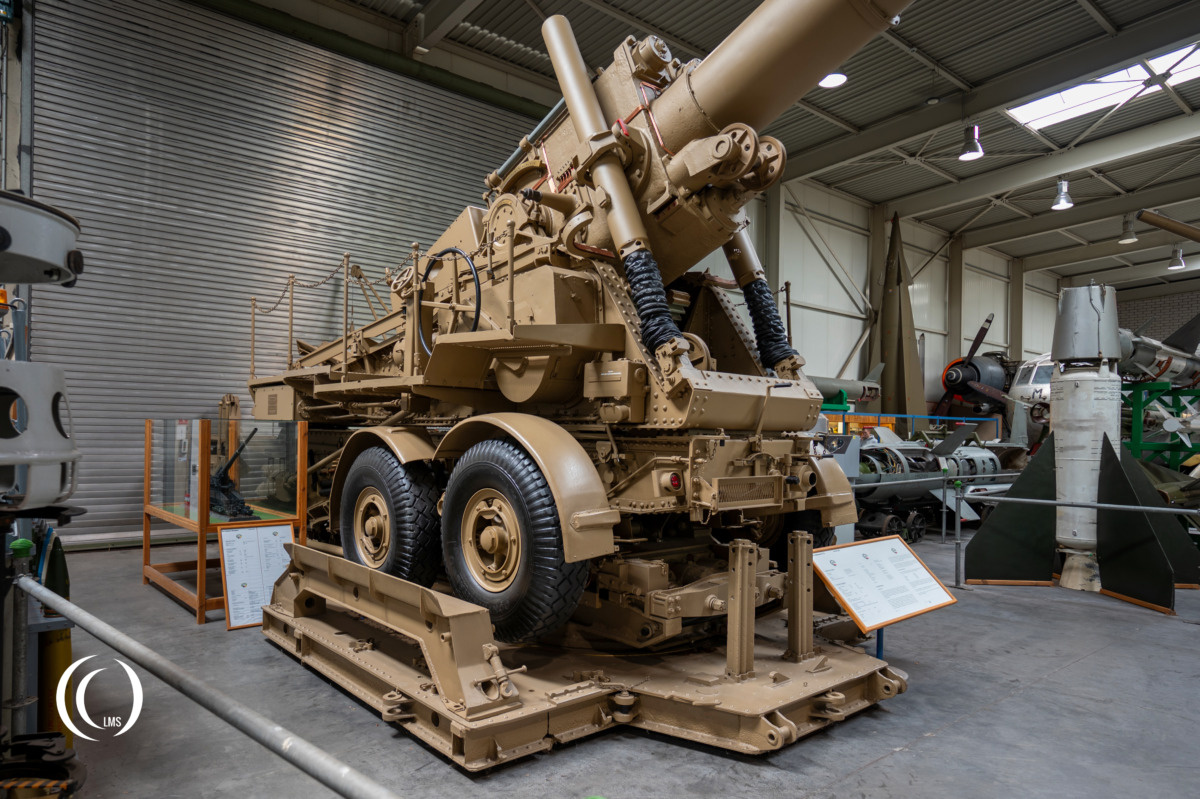
The 24 cm Feldkanone K-3 was a German super-heavy field gun used by the 1st Battalion of Artillerie-Regiment 84 of the Wehrmacht during World War Two. The first four 24 cm K-3 guns were fielded at the start of the war during the Invasion of Poland in 1939, while another four were delivered in 1941. These guns were all produced by the company Rheinmetall-Borsig AG.
In 1944 six more 24 cm K-3 guns were delivered, bringing the total to fourteen, this time manufactured by Friedrich Krupp AG, Essen.
1st Battalion of Artillery Regiment 84
The 1st Battalion was formed in October 1937 in Zeitz (Military District IV) using personnel and equipment from Artillery Regiments 58 and 60. Equipped with three batteries of super-heavy 24 cm K-3 guns, the battalion transitioned from a corps-level unit under the IV Army Corps to an independent army-level unit (Heerestruppe) in November 1939.
During the Western Campaign, the battalion was deployed with the 6th Army. Starting in mid-1941, it participated in the invasion of Russia, shifting between various commands, including the VIII Army Corps, the 18th Army, and the I Army Corps. Throughout 1942, it served under Army Group von Weichs and the III Panzer Corps. By early 1944, the 2nd Battery was recorded with the III Panzer Corps, and by January 1945, the battalion was stationed near Kraków in the General Government. Ultimately, the battalion concluded its service with two batteries of 24 cm K-3 guns, stationed in Saxony, Germany.
Development & production
Development of the K-3 gun began as early as 1934, and the first firing tests were conducted just one year later. In 1936 the first prototype was constructed and tested, on which the German Wehrmacht put in an order to deliver 40 pcs of the 24 cm K-3 gun. The first guns were produced by Rheinmetall-Borsig AG in Dusseldorf, while later during the war Fried. Krupp AG took over its production. Between 1936 and 1945, a total of fourteen 24 cm K-3 guns were produced.
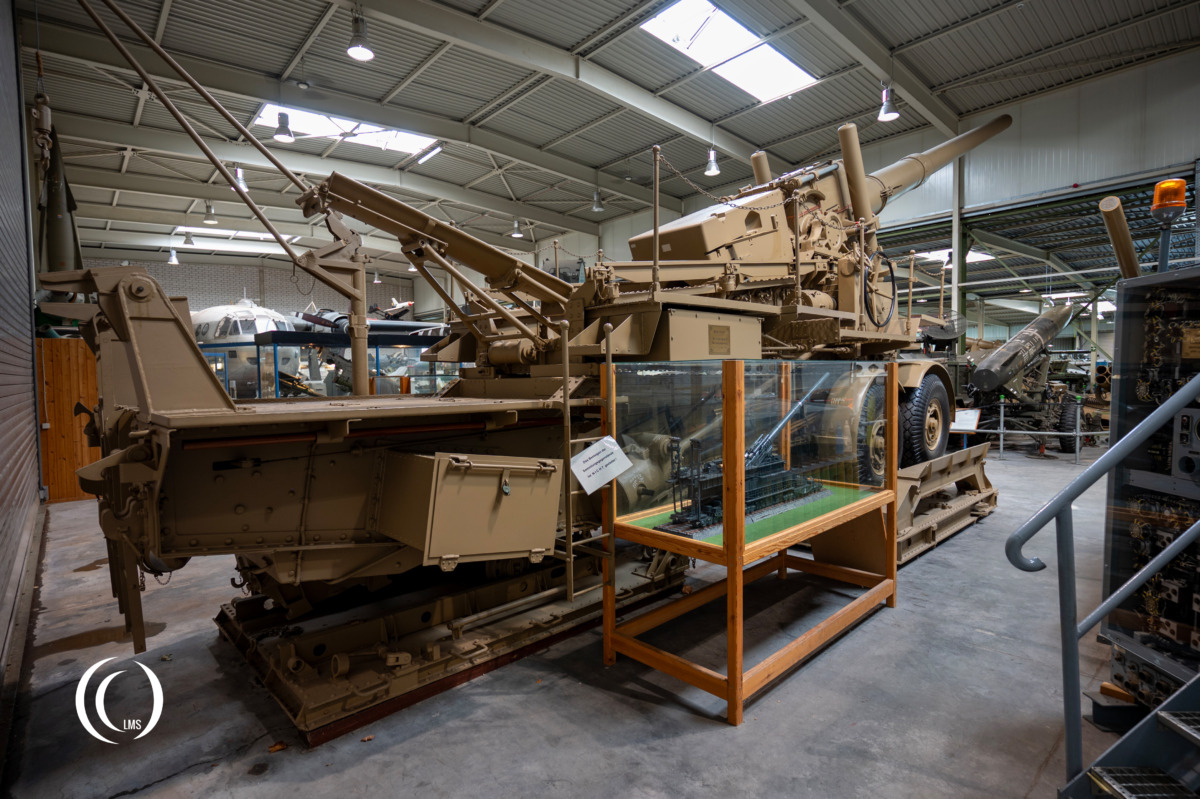
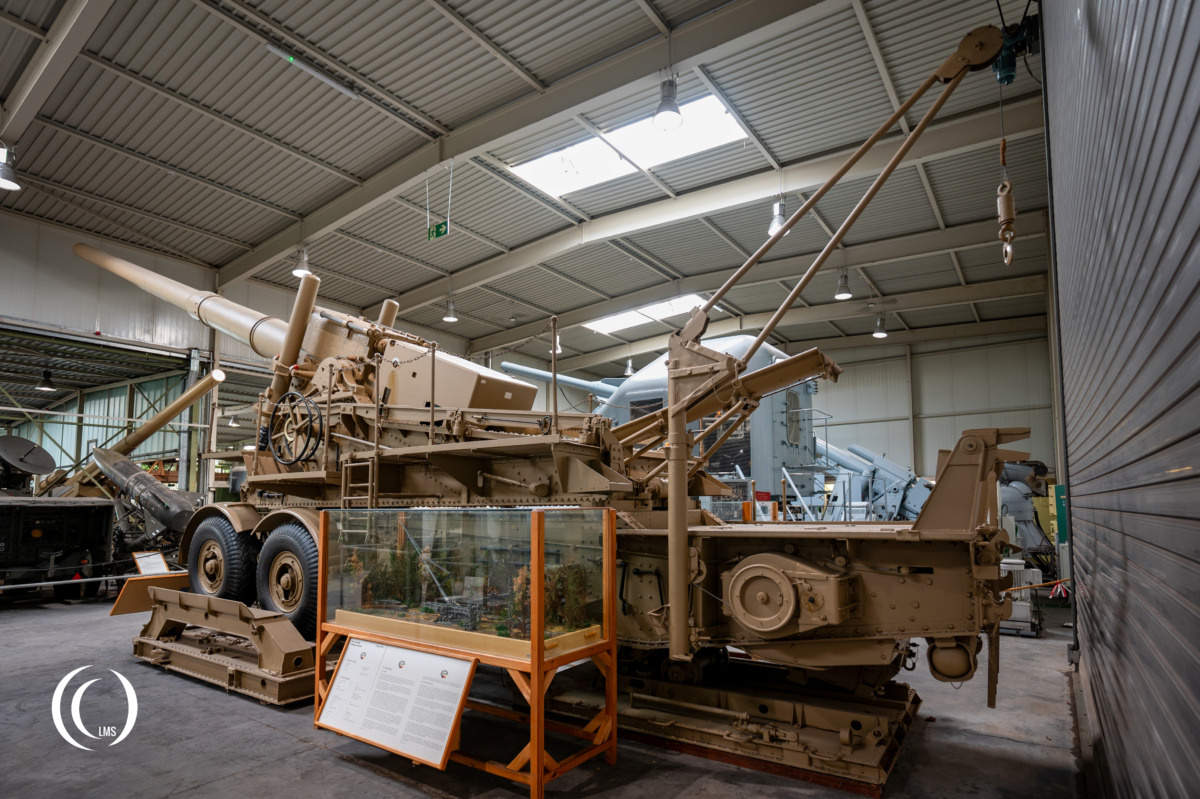
Modified versions
Surprisingly, although only 14 of the 40 requested guns ever reached the troops, there were six different variants, with modifications primarily concerning the barrel. The original version of the K-3 featured a barrel with eight rifling grooves, designed for ammunition equipped with soft-iron driving bands. The specific model on display at the Wehrtechnische Studiensammlung, or Defense Technology Museum, in Koblenz utilizes a barrel with 72 rifling grooves, which required a new type of ammunition with dedicated driving bands.
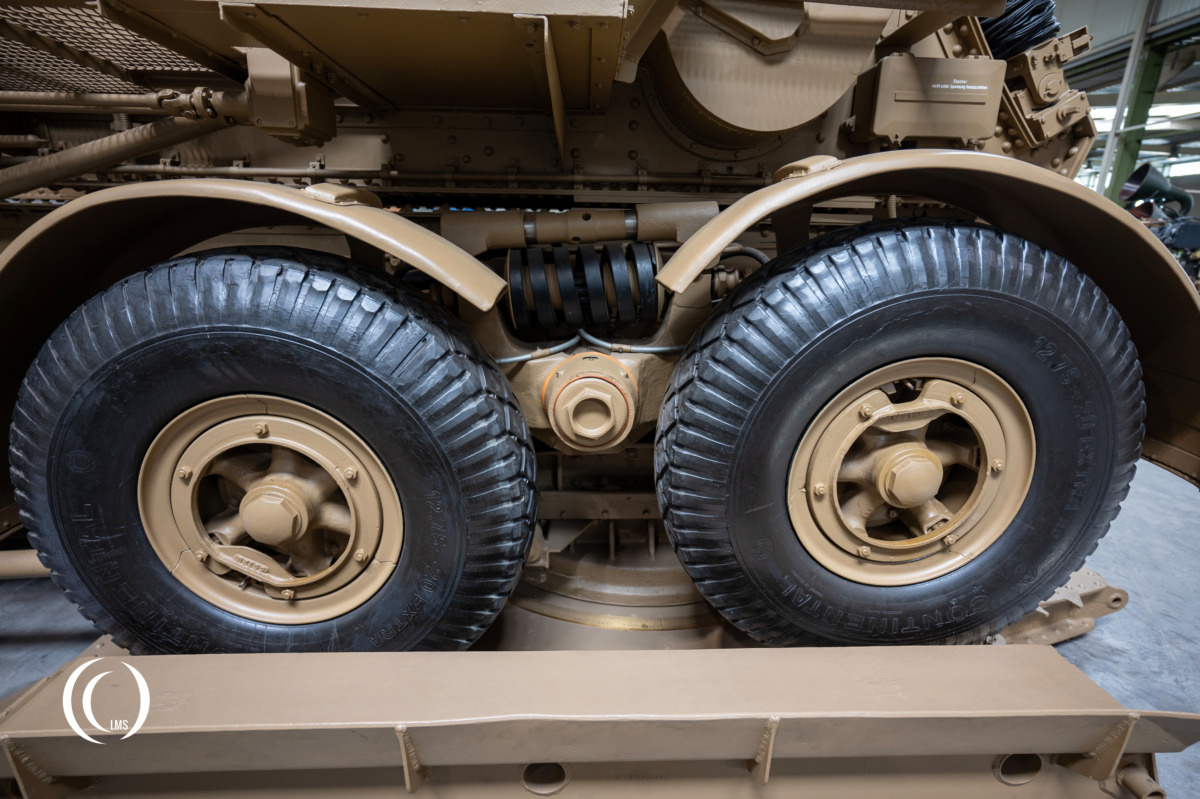
Furthermore, there was a variant designated K-3/1, which featured a slightly larger combustion chamber for the propellant charge compared to the standard model. Toward the end of the war, experiments were also conducted with a smoothbore version (K-3 gl) and a version with a conical barrel (K-3 K), the latter of which enabled ranges exceeding 50 km using fin-stabilized projectiles.
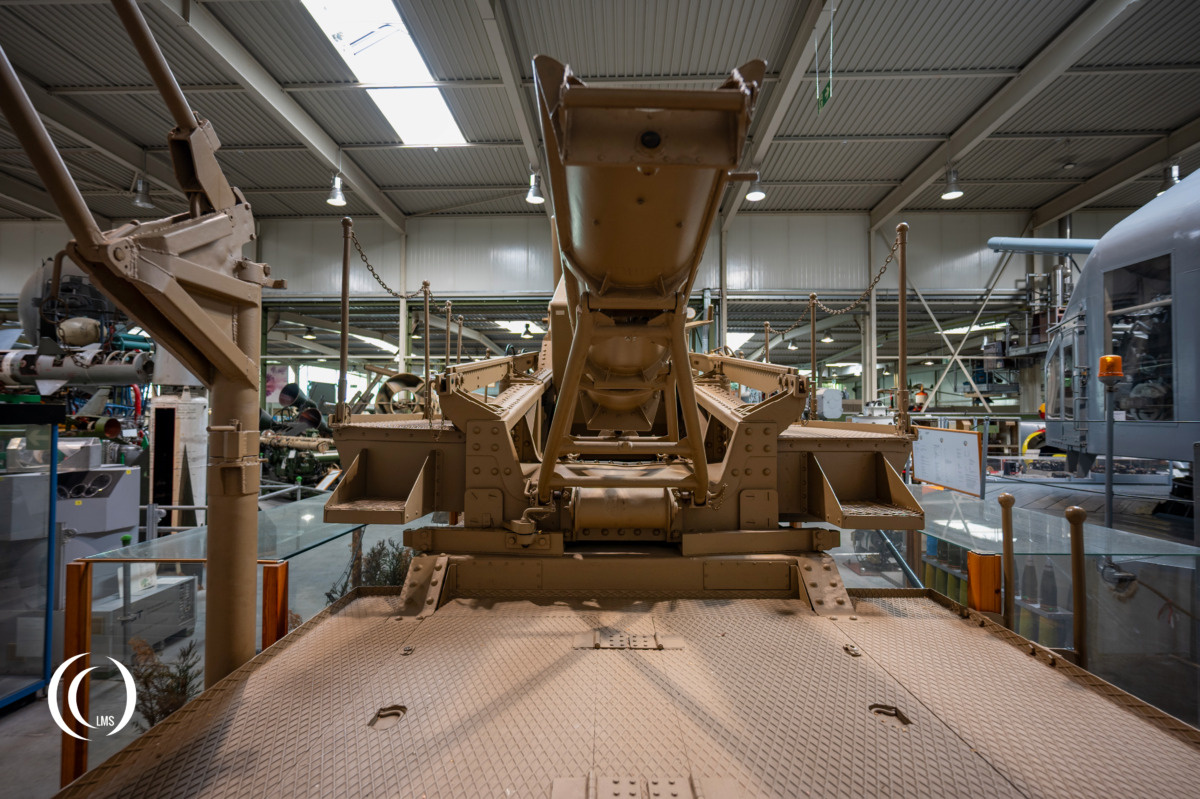
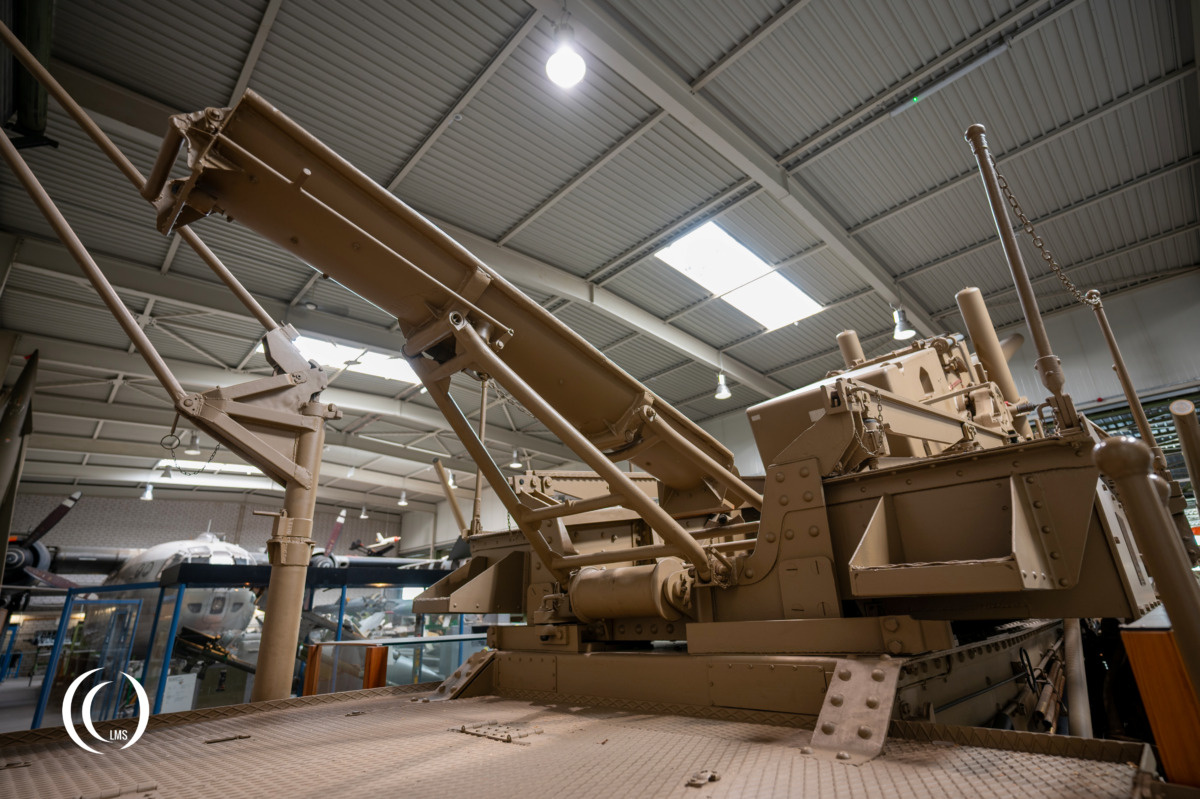
Finally, there were trials involving the fixed installation of the K-3 to reinforce the Siegfried Line (Westwall), but this project lost its priority as the situation on the Eastern Front became increasingly critical.
Operation
Despite its interesting technical innovations, the German Wehrmacht was not content with its operation and performance, as it consumed lots of effort and manpower. To transport it, a 24 cm K-3 gun required at least five prime movers and special trailers, which placed an excessive strain on available resources. This was especially hard felt towards the end of the war.
Archive pictures of the 24cm K-3 Feldkanone special trailers:
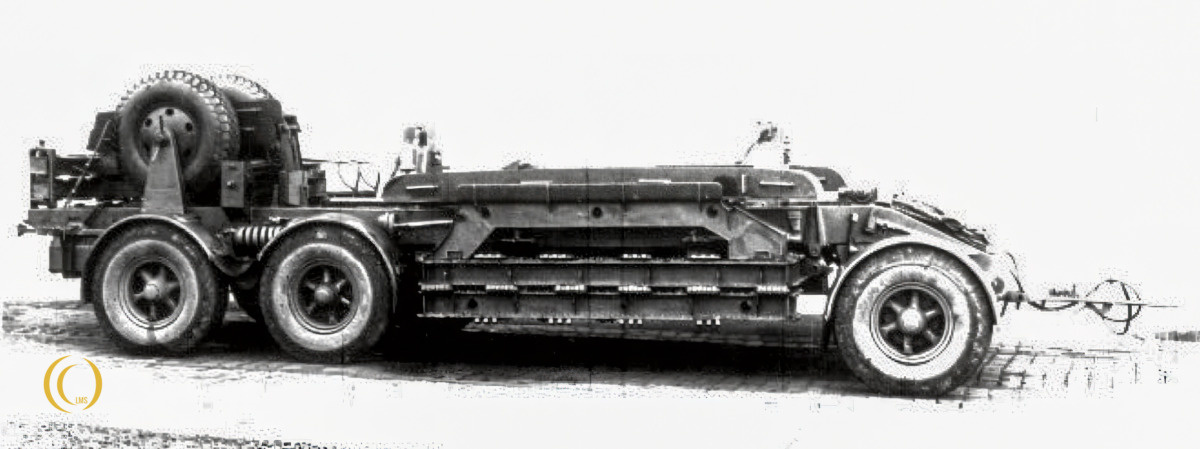
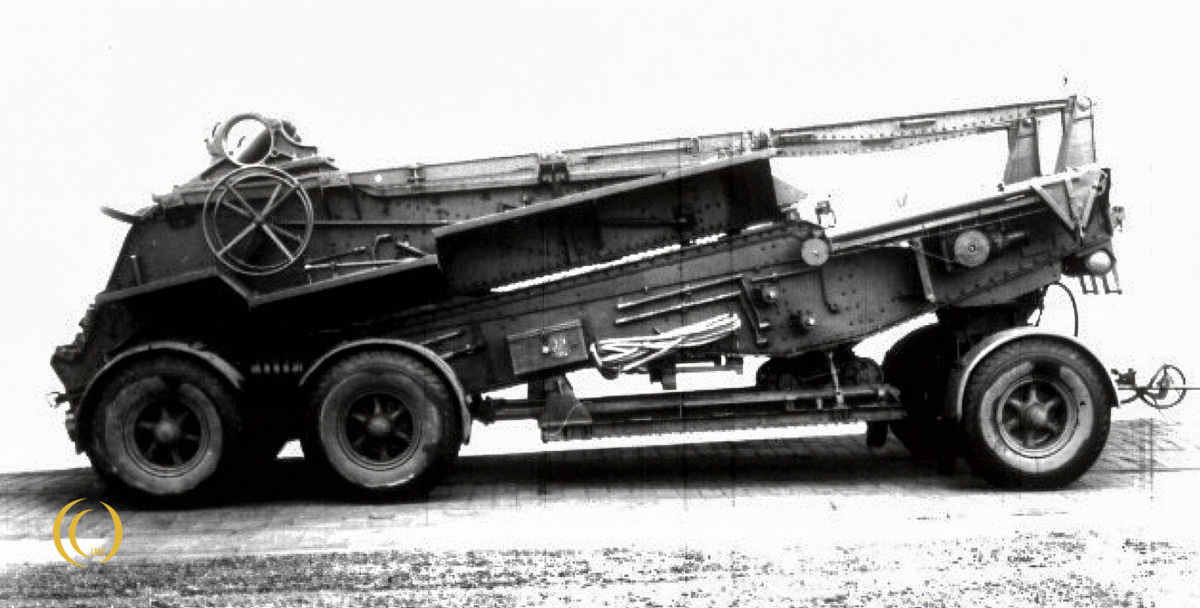
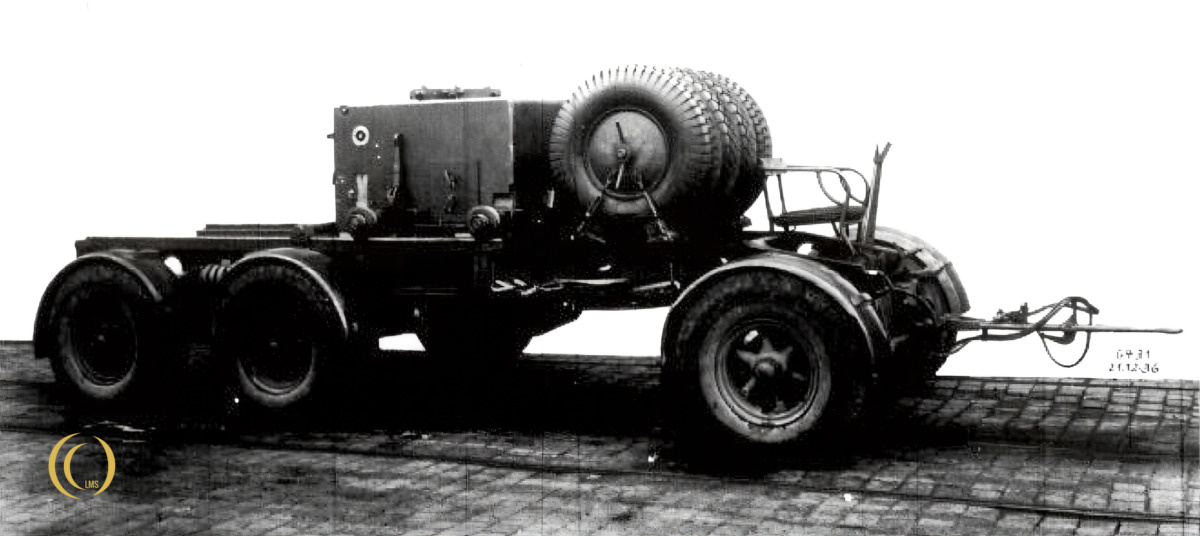
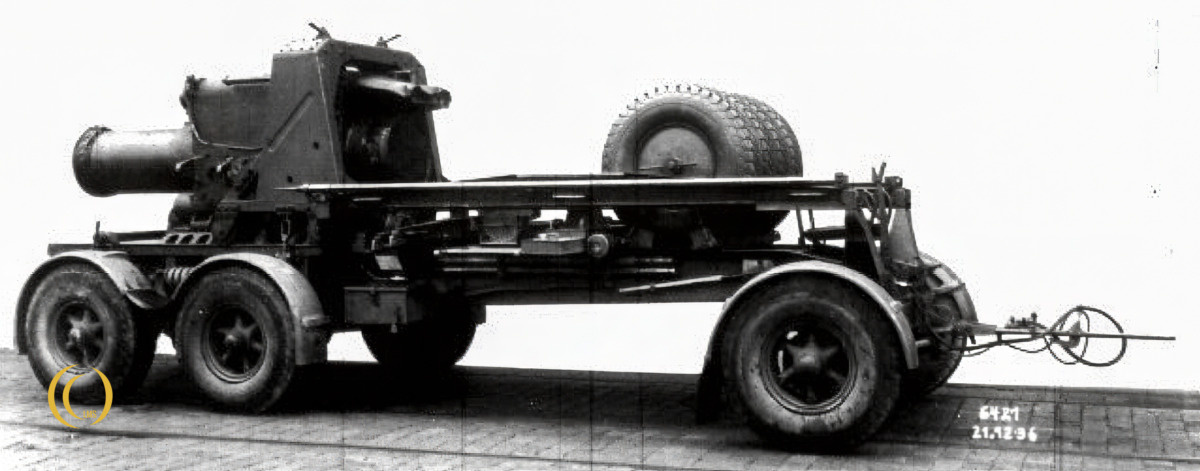
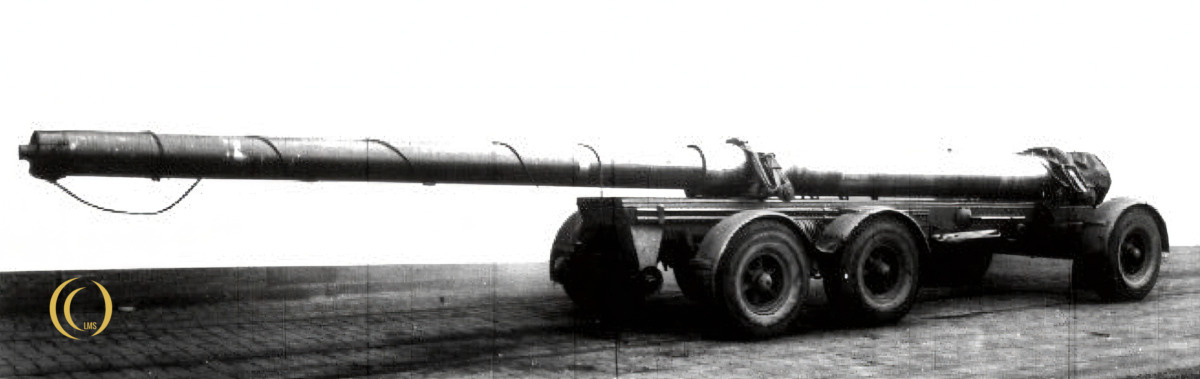
When disassembled, the gun consisted of the following components:
- Barrel: 11,645 kg
- Breech assembly: 10,555 kg
- Cradle: 6,100 kg
- Carriage: 16,850 kg
- Firing platform (bedding): 8,500 kg
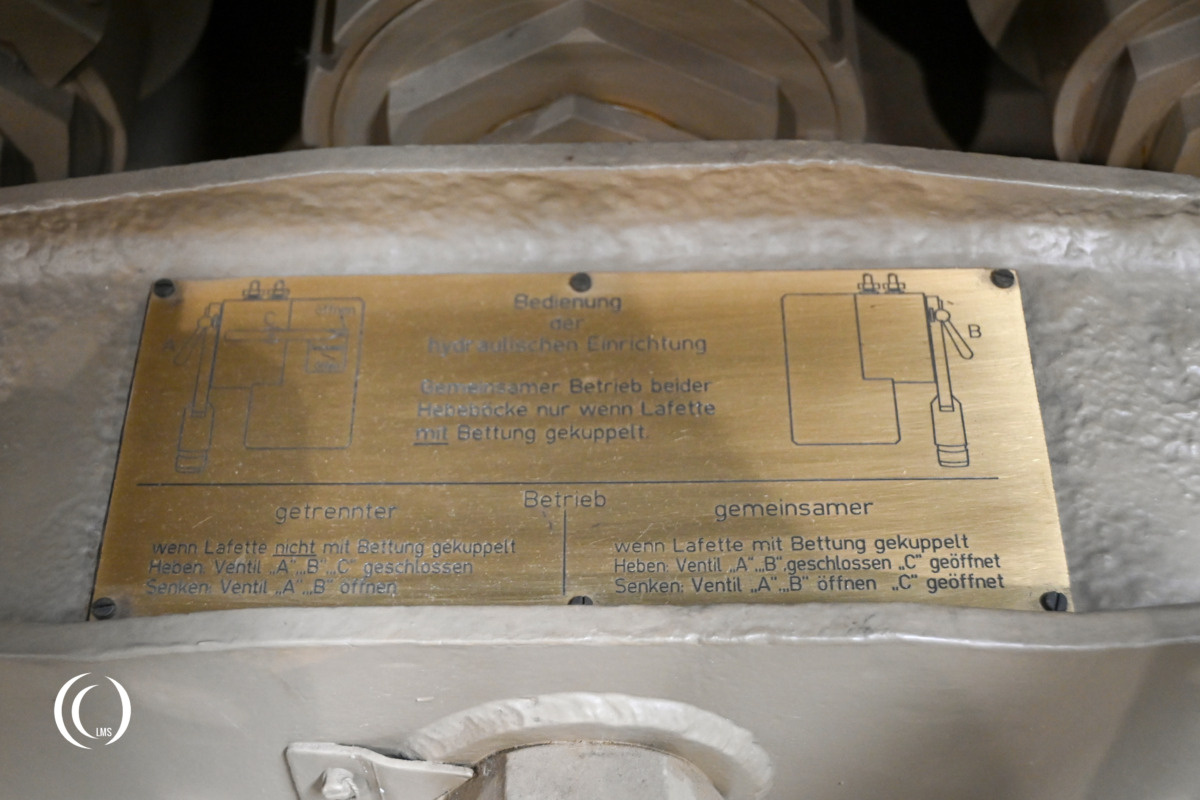
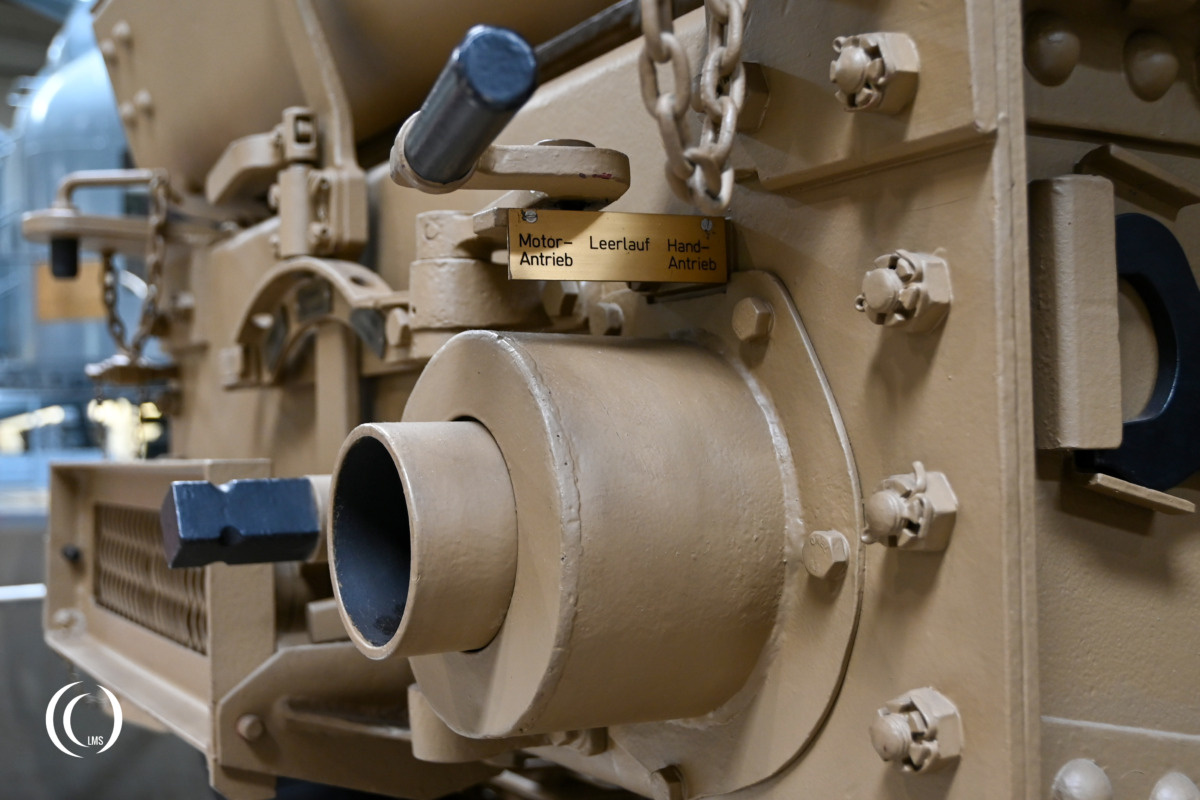
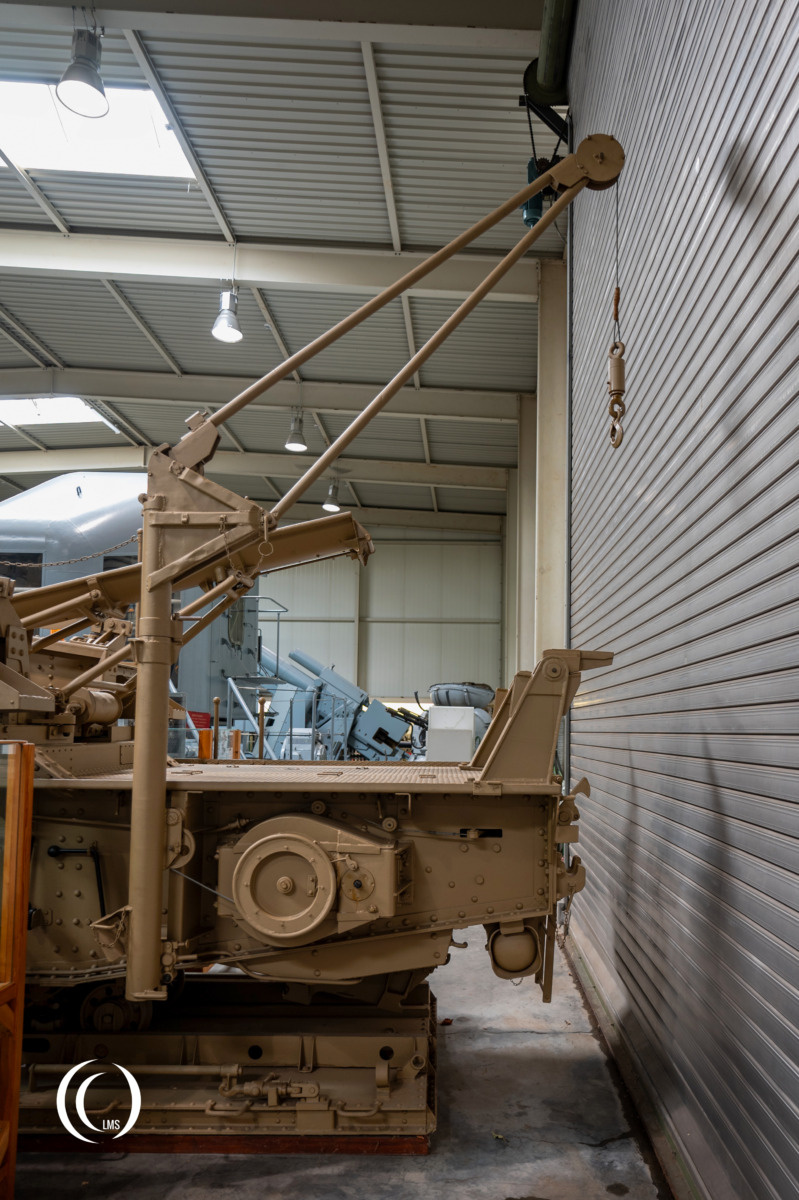
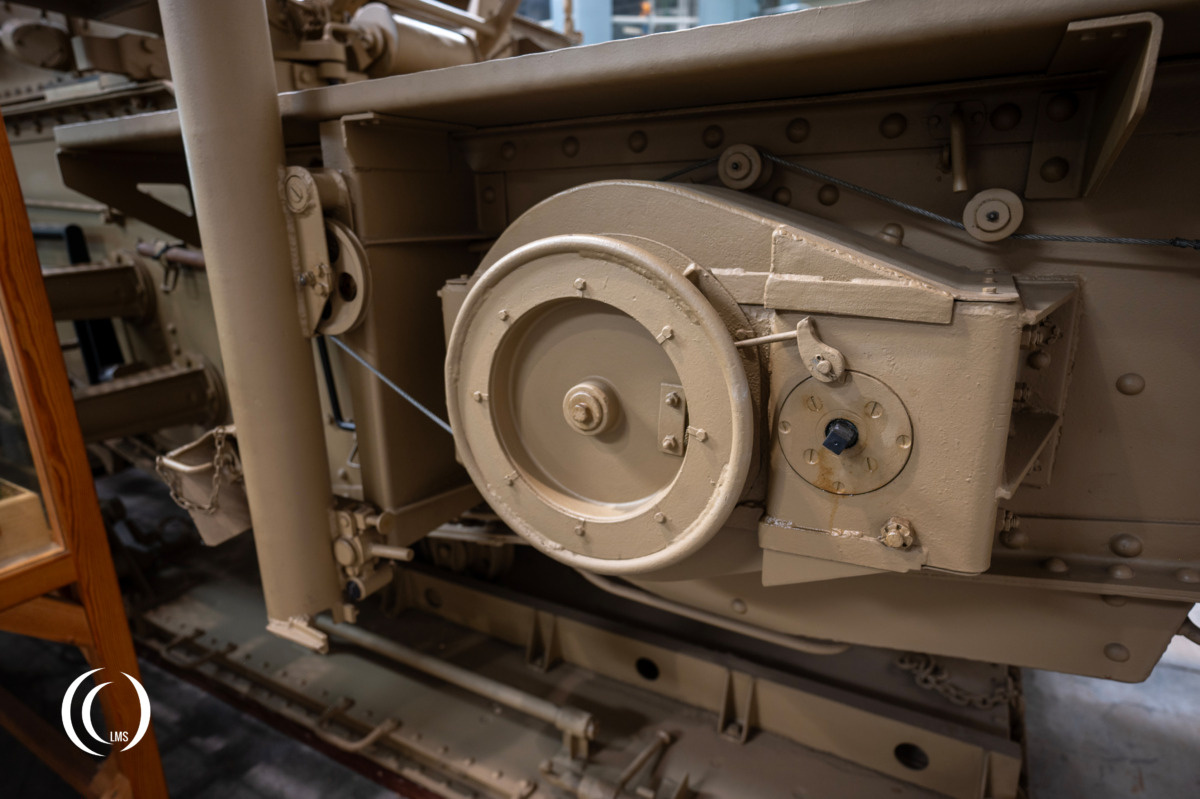
Assembling the gun in the field took between one and one-and-a-half hours. No specialized equipment was required; the transport trailers simply had to be moved into the prepared position in a specific sequence, after which the individual components could be joined and connected using a system of inclined planes and winches that could be operated manually or electrically. This last option however required the adding of an electric generator to the logistics train.
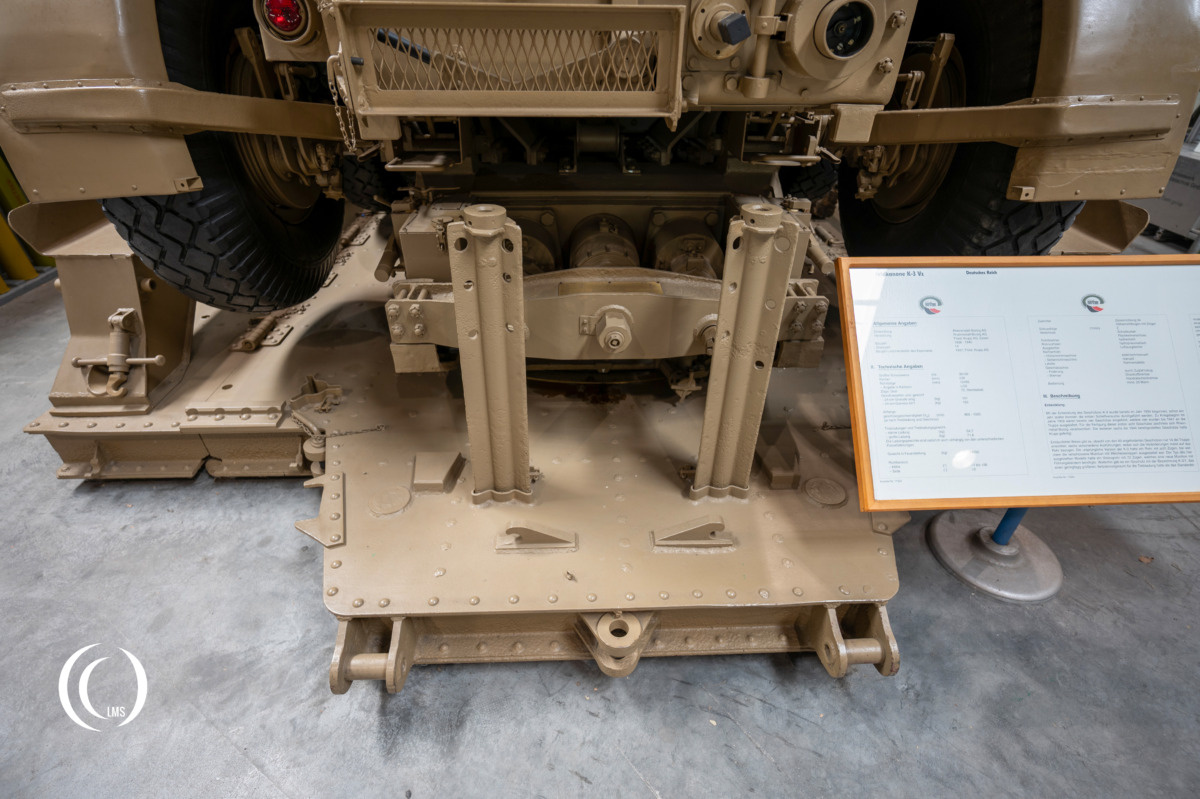
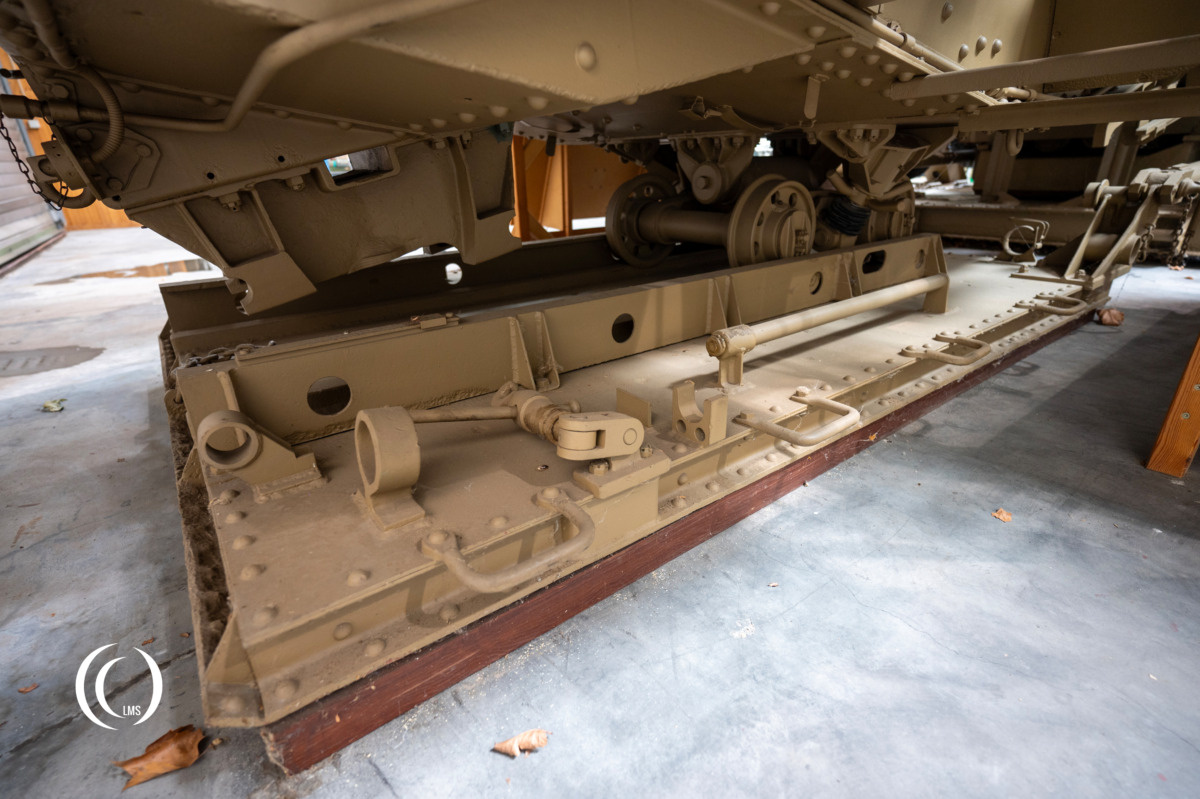
A distinctive feature is the two-stage recoil system designed by Rheinmetall: one stage within the cradle (1,000 mm) and a second stage involving the movement of the carriage across the firing platform (1,200 mm).
Despite these unique characteristics, it must be concluded that the K-3 field gun was no longer suited to the evolving nature of warfare.
The gun also had an excessively long minimum firing range of 23,000 m (using a reduced charge), which proved inadequate, particularly in defensive operations. While its furthest range was not considered to be commensurate with the size of weapon. Attempts by Krupp and Rheinmetall to extend the range did not lead to a significant improvement during the war.
Technical Data
- Design
Rheinmetall-Borsig AG - Manufacturer
Rheinmetall-Borsig AG
Fried. Krupp AG, Essen - Maximum range
39,100 mm - Caliber
238 mm - Barrel length
12,480 mm
– Expressed in calibers: L/52 - Rifling, twist
72, right-hand twist - Projectile weight and charge
– 24 cm Granate (Shell): 151 kg
– 24 cm Granate 42/1: 155 kg - Muzzle Velocity (V₀)
860 – 100 m/s (depending on propellant charge and projectile) - Propellant Charges and Charge Weight
(Charge weights naturally vary depending on the specific batches of gunpowder supplied.)
– Small charge: 64.7 kg
– Large charge: 71.6 kg - Weight in Firing Position
54,250 kg - Range (Elevation)
– Height: -1° to +56°
– Side: ±3° - Operation
Min. 25 men - Rate of fire
2 rounds per minute
Surviving 24 cm K-3 field gun
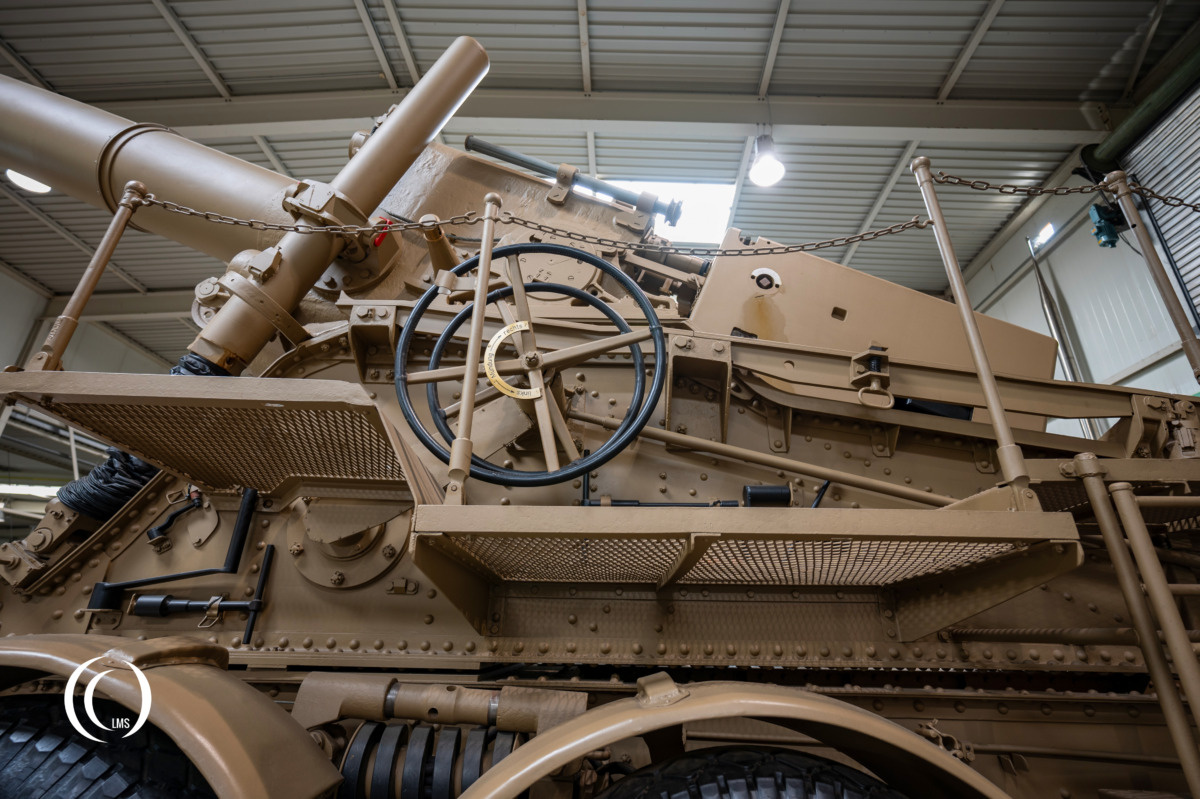
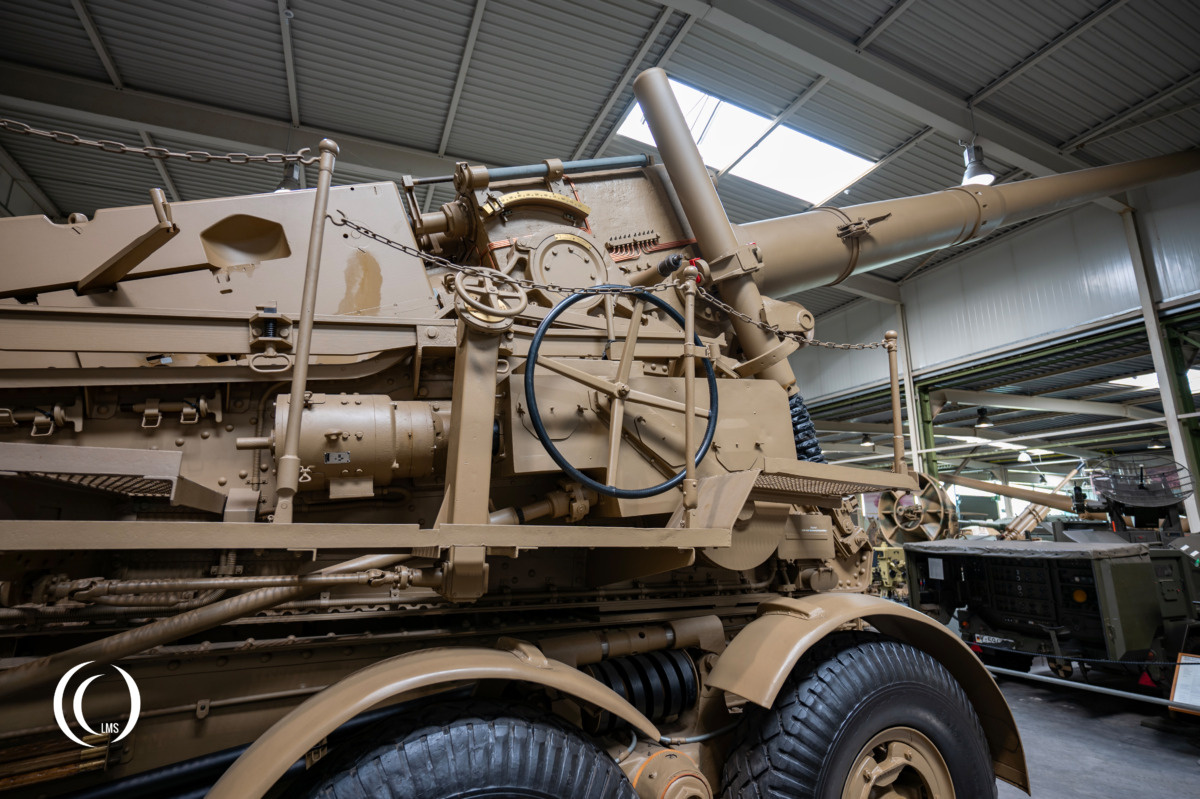
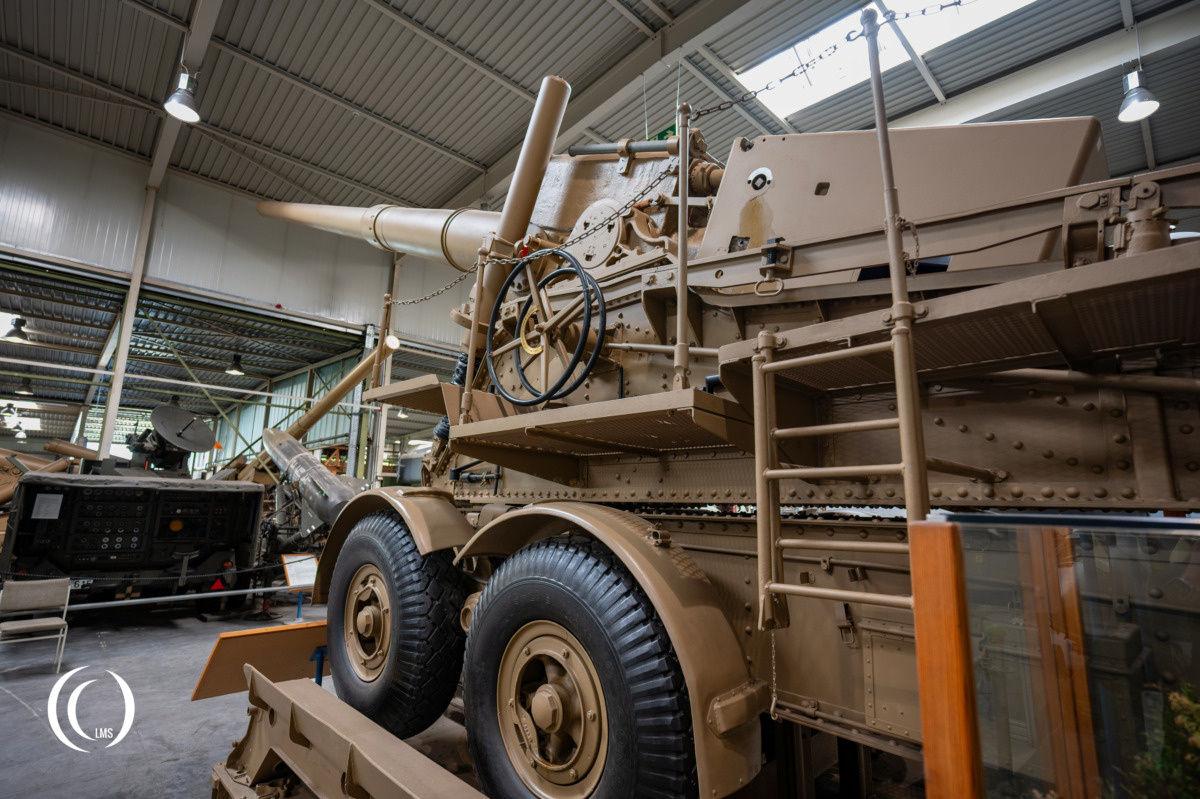
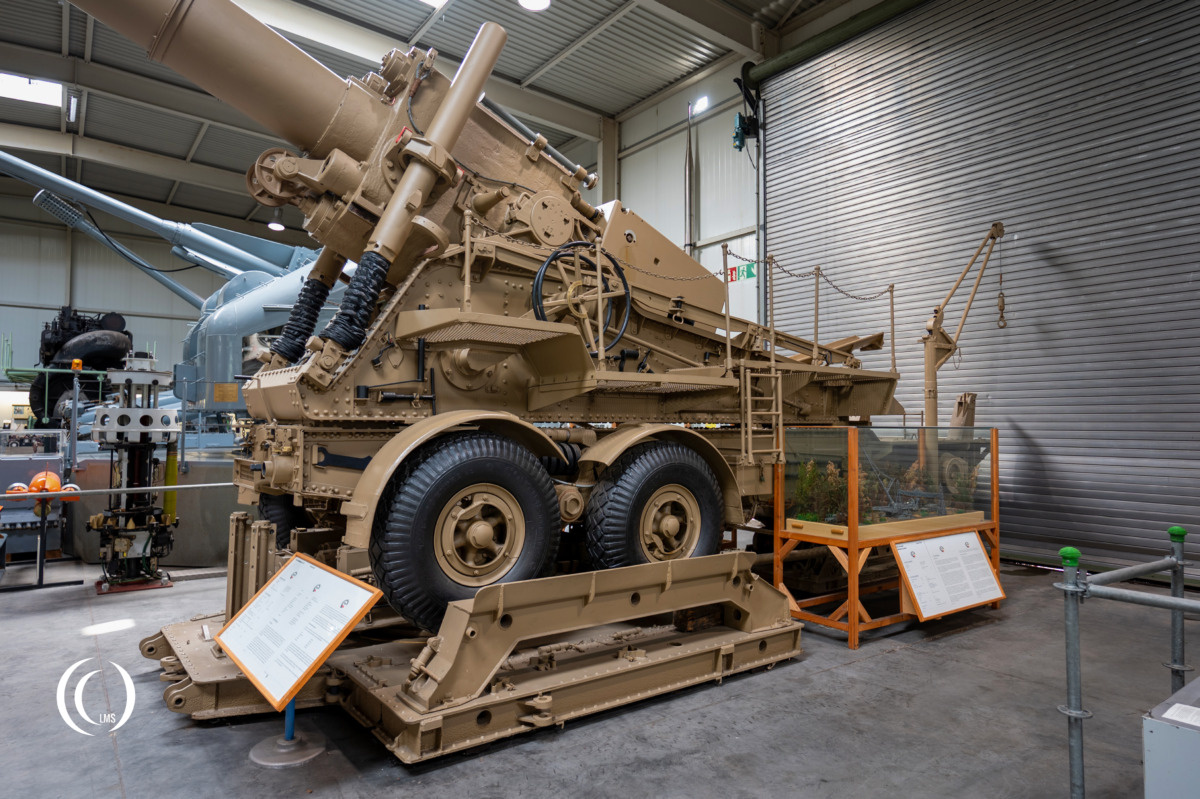
The gun in the pictures was photographed at the Wehrtechnische Studiensammlung in Koblenz. According to the information provided by the WTS, the 24 cm K-3 on display was built in 1937, by Fried. Krupp AG, which contradicts the information presented on the same information sign claiming that the first eight guns were produced by Rheinmetall. The 24 cm K-3 Feldkanone was restored to its current condition by the Marine Arsenal in Wilhelmshaven between April 1993 and March 1996.
Sources
- WTS Koblenz documentation
- Wikipedia.org
- lexicon-der-wehrmacht.de
