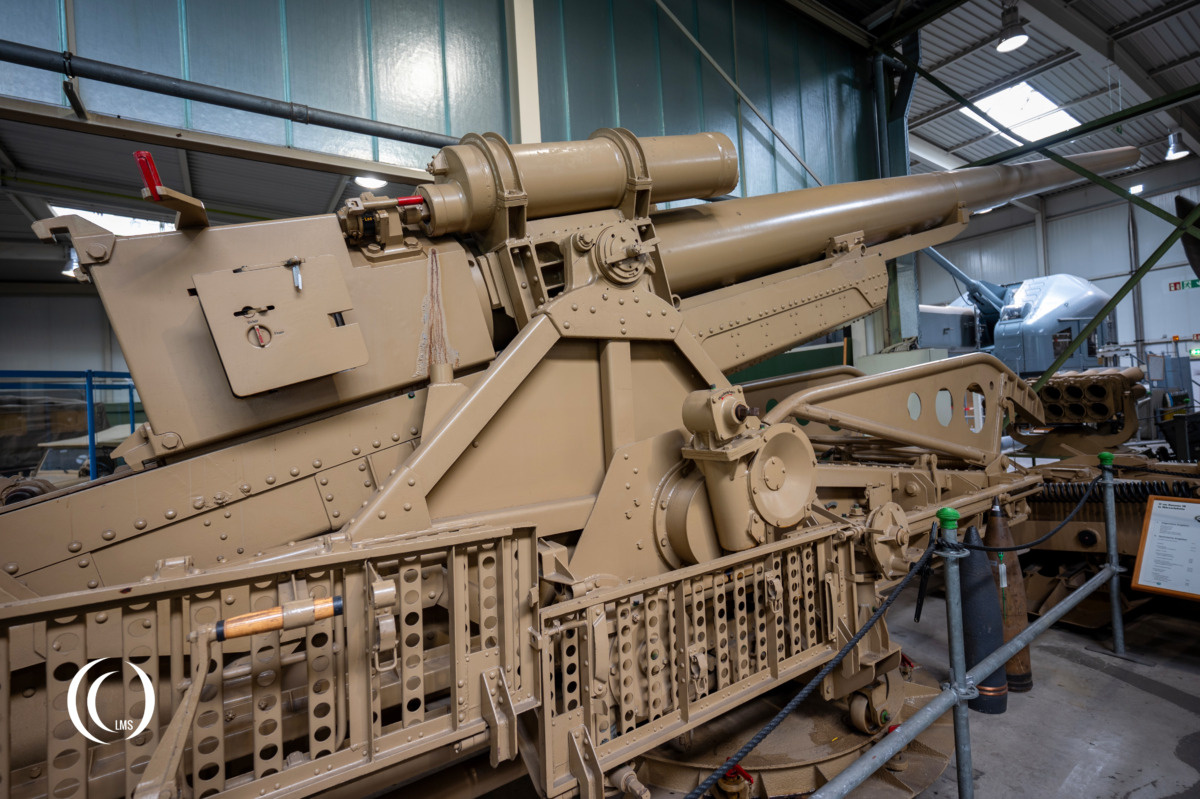
The 21 cm Kanone 38 (K 38) was a German heavy siege gun developed by Krupp from 1938 onwards in response to an order from the German Army High Command (Oberkommando der Wehrmacht or short OKW). It was introduced into service with the Wehrmacht in 1941 and was among the largest conventional field guns employed by German forces during World War Two.
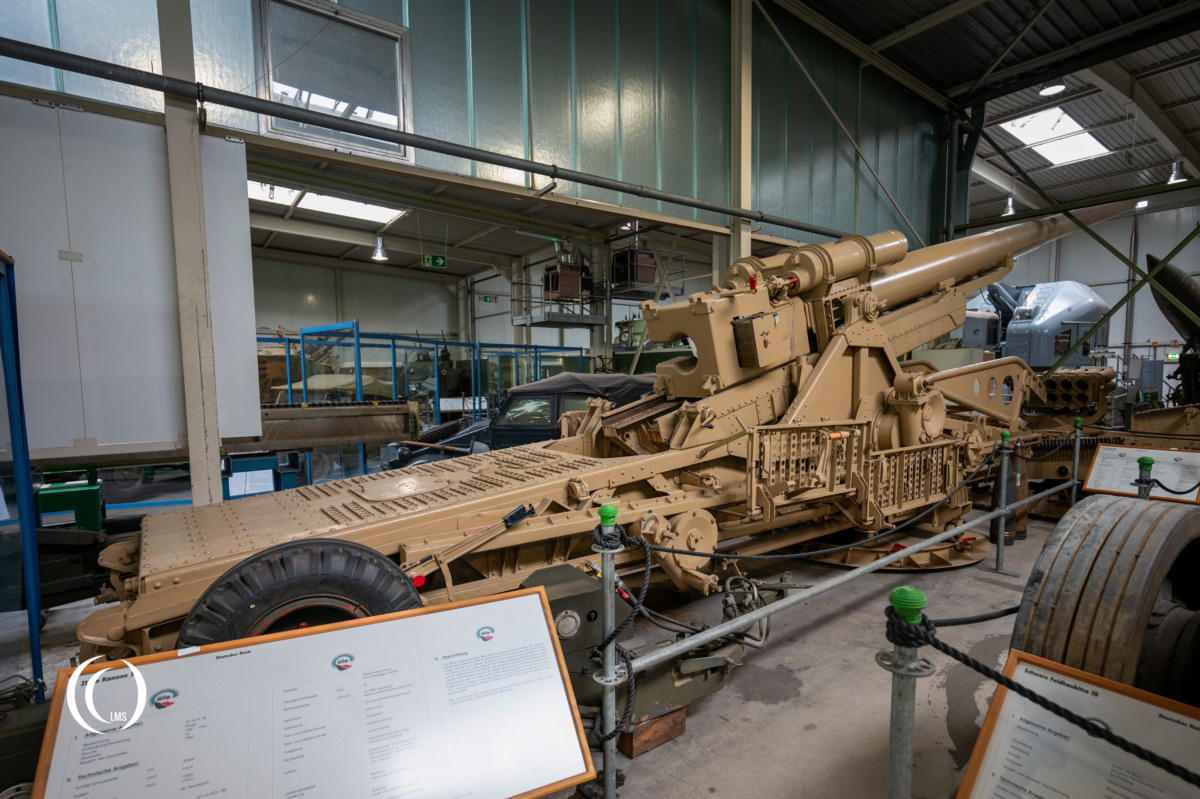
Design
Its design was based on experience gained by Krupp with their earlier 21 cm Mörser 18 and the 17 cm Kanone 18 guns, which both incorporated an innovative dual-recoil mechanism allowing the recoil of both the barrel and the carriage. The purpose of the 21 cm Kanone 38 was to deliver heavy, long-range artillery fire against fortified positions and important military targets.
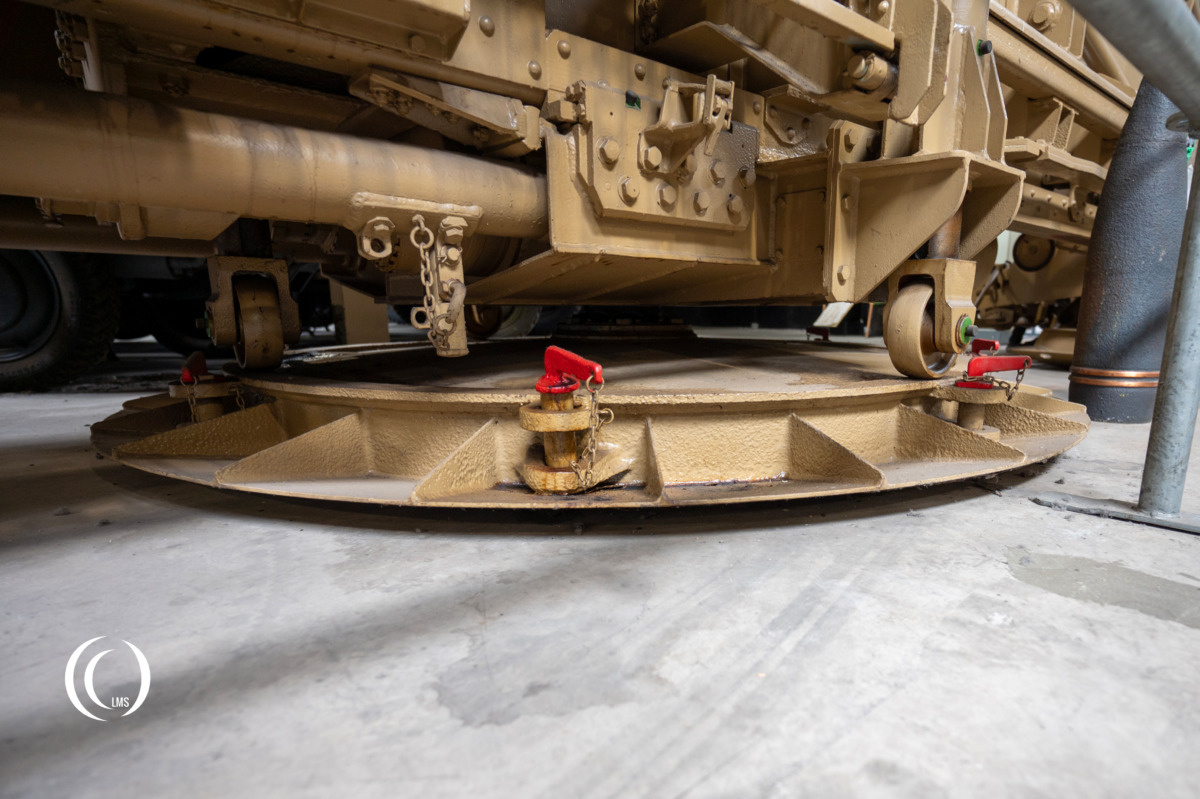
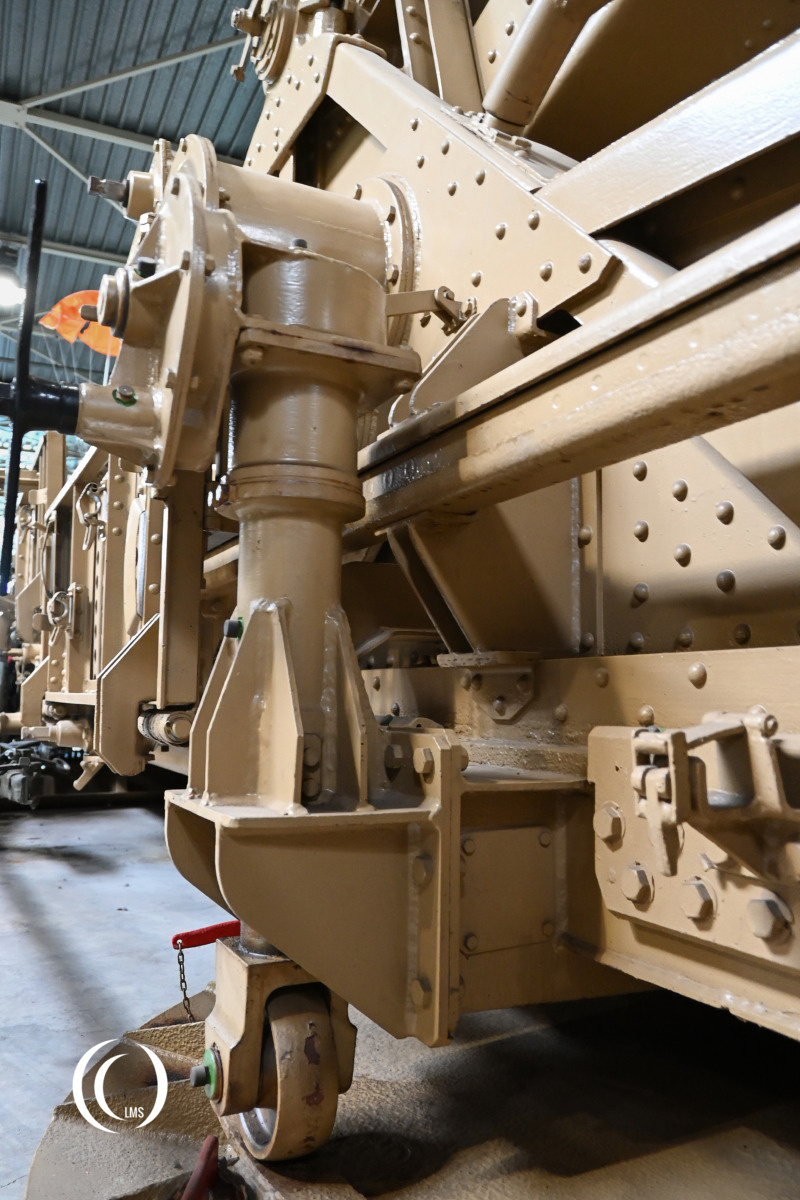
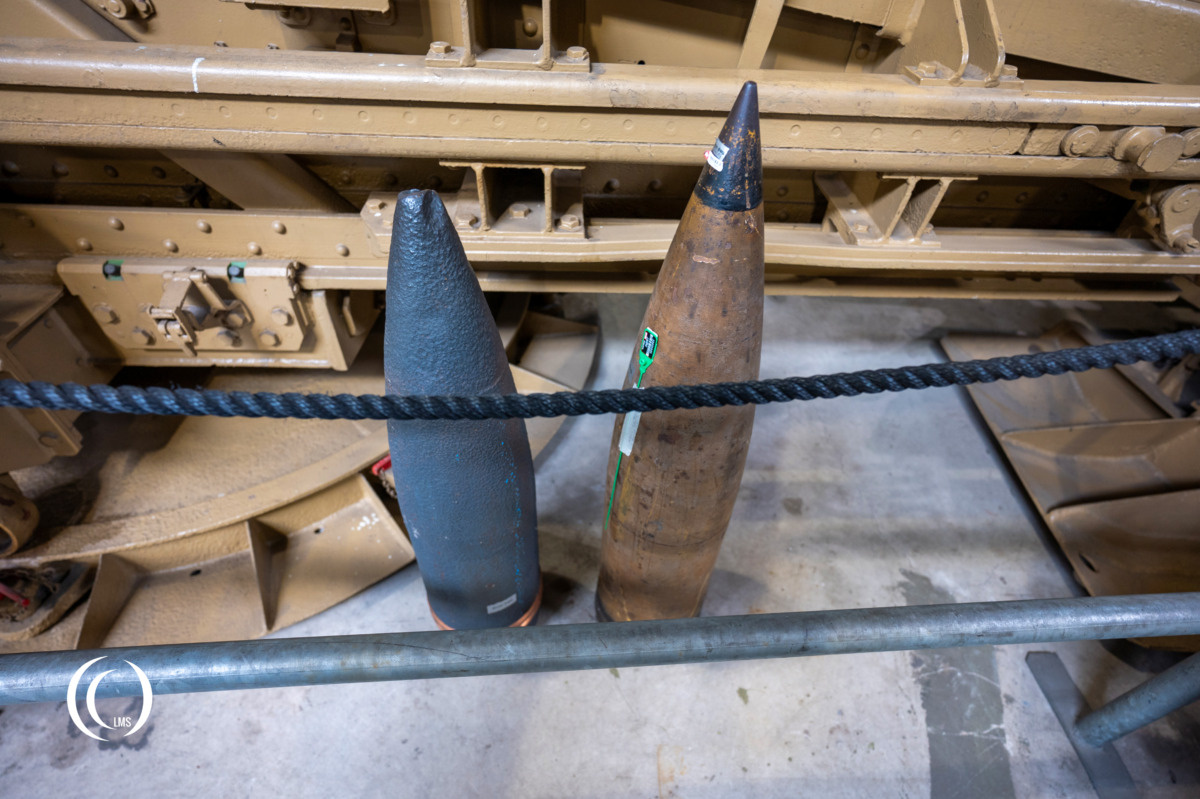
The K 38 had a calibre of 211 mm (8.3 in) and was designed around a long barrel that provided considerable range and penetrating power. It fired heavy high-explosive projectiles weighing approximately 135 kg, which could reach a maximum range of around 33 km, depending on the ammunition type. Its substantial firepower made it suitable for engaging fortified defensive installations, artillery positions and other strategic targets beyond the reach of lighter field artillery.
The gun was superior to other weapons of the same calibre and is regarded as one of the finest technically engineered artillery pieces of the Second World War.
Production
The German Army Ordnance Office (Waffenamt) had initially placed an experimental order for 15 guns, designated Schwere Kanone 21 cm. The first two guns were scheduled for delivery in August 1941. Despite considerable difficulties, the first gun was completed in July, but the second was not presented until January 1942.
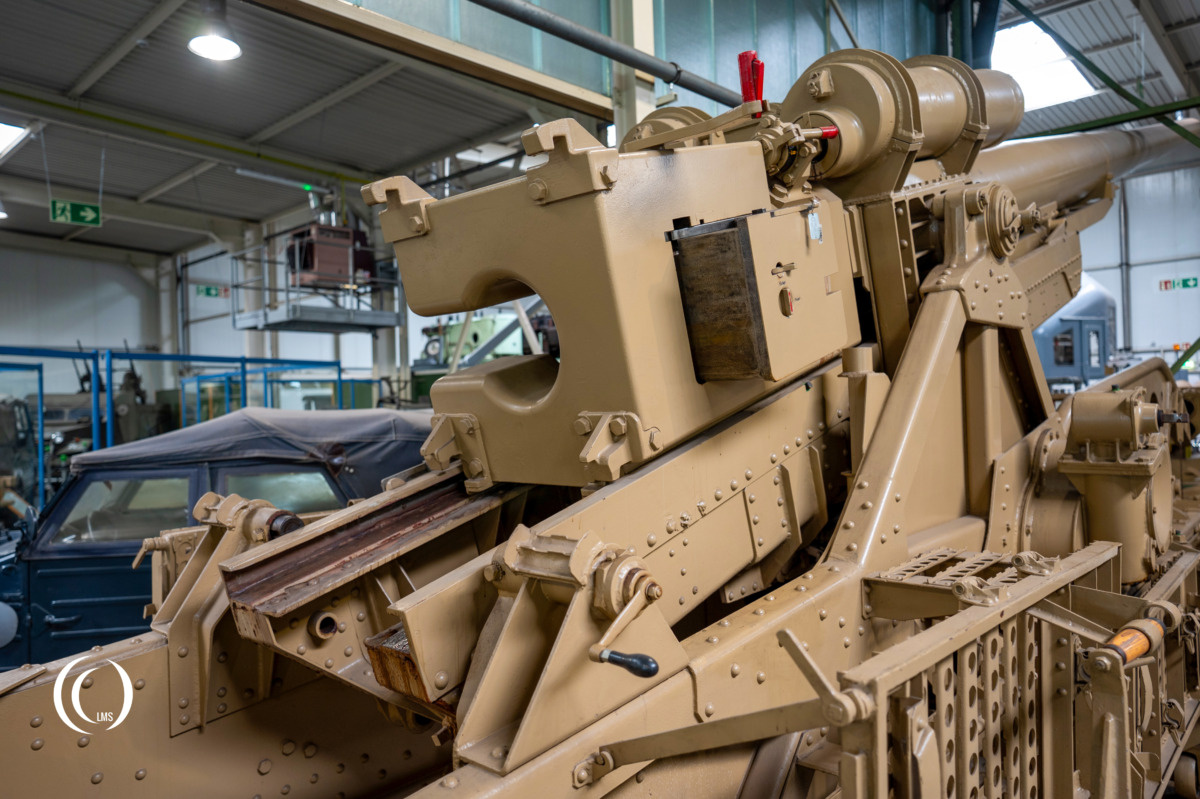
In May 1942, the weapon was redesignated 21 cm Kanone 38, and its production planning was expanded to include an additional 60 guns at Krupp and 40 at Škoda. However, manufacturing repeatedly encountered delays. At Škoda, work on other projects caused bottlenecks, while at Krupp, preliminary work on the PaK 44 and, subsequently, the urgent production of the 12.8 cm FlaK for the defence of the Reich prevented manufacturing from progressing as planned.
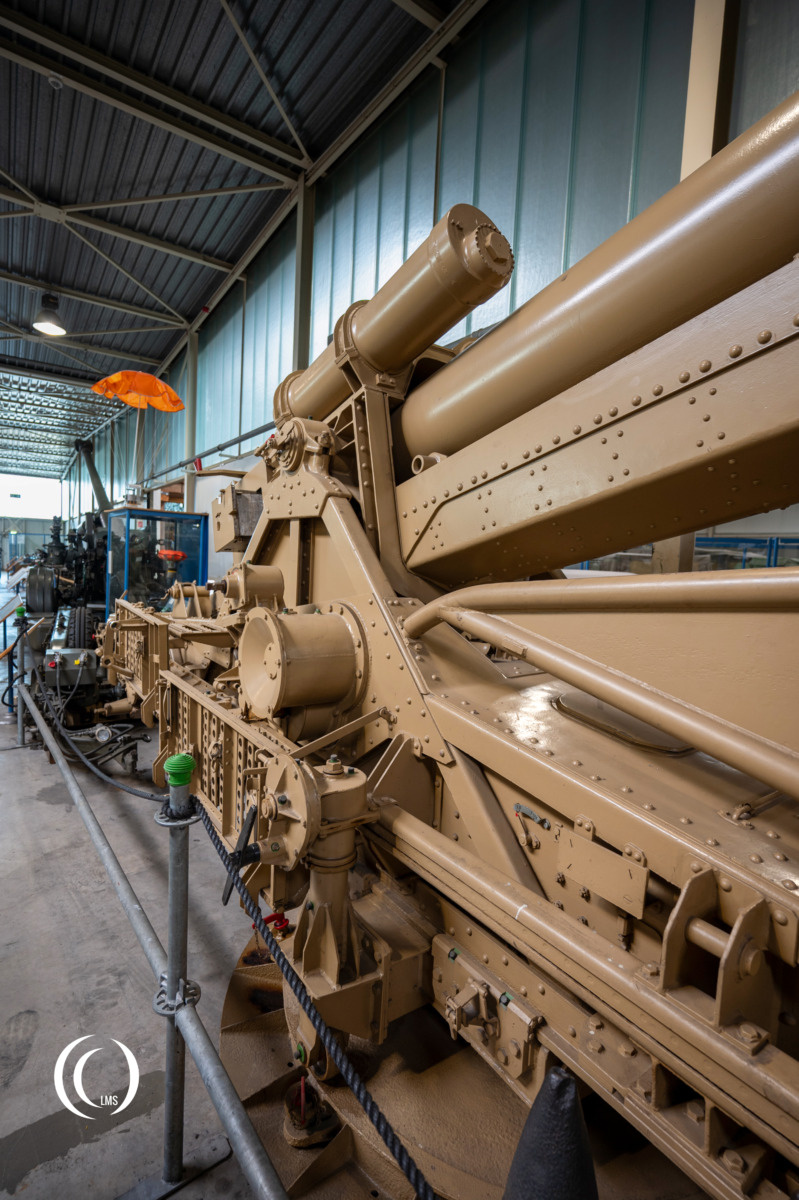
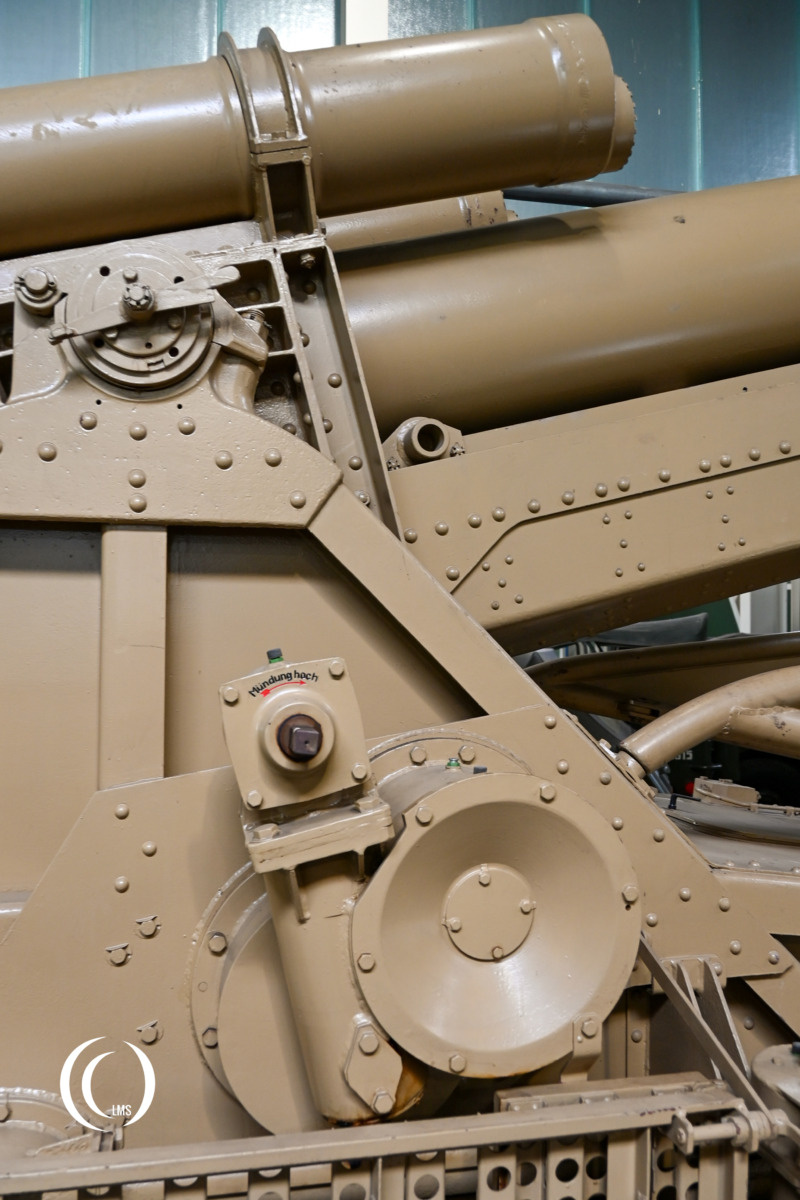
Eventually, only the 15 guns specified in the original development contract were manufactured by 1944. Only ten 21 cm K 38 guns were ever in operational service with German troops. Of these, seven were lost during the winter of 1943–44, and another was lost in autumn 1944.
Logistics
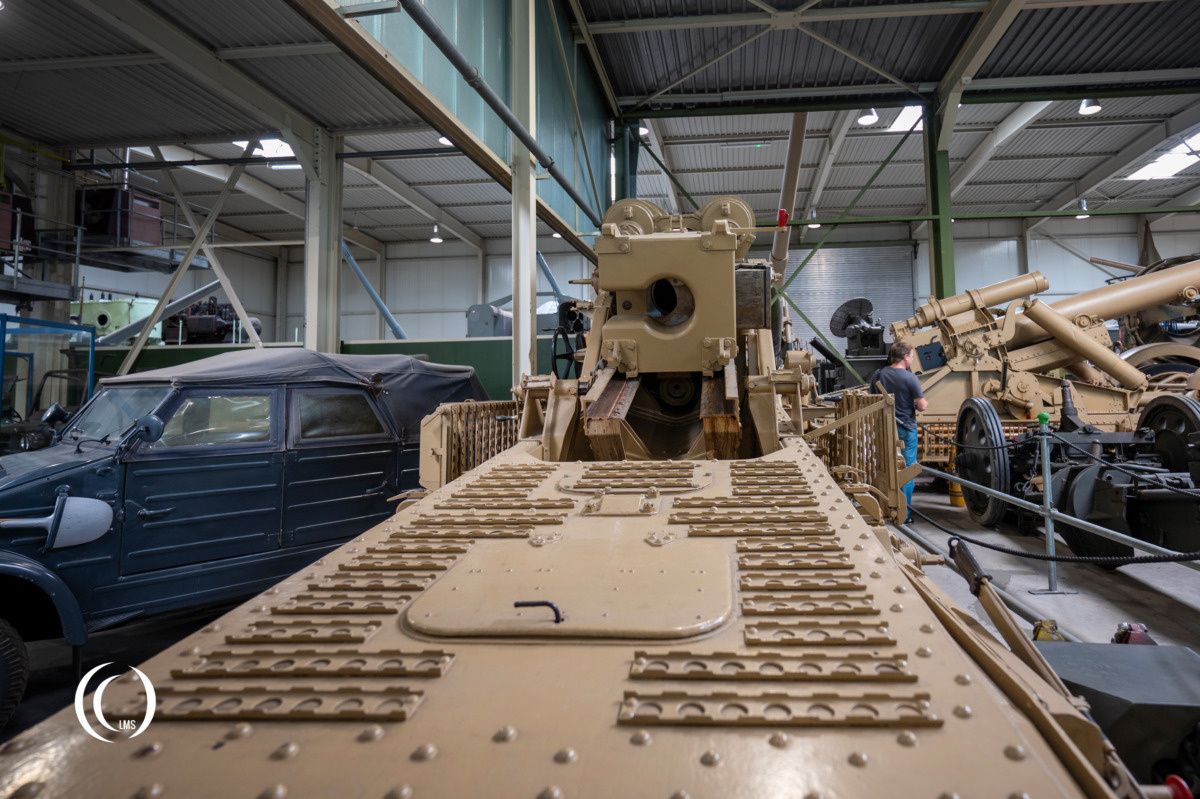
The gun was transported in two separate loads, the barrel transporter (Rohrwagen) and the gun carriage transporter (Lafettenwagen), each towed by an 18-ton half-track tractor (Sd.Kfz. 9) and accompanied by an additional vehicle carrying its accessories. The loads had a combined weight of 34,825 kg. The ingenious design and configuration of the gun carriage and travelling axles made it possible to assemble and dismantle the weapon at its firing position using either a tractor or manual labour, without the need for a crane. The weapon alone weighed 25,435 kg when assembled in its firing position.
Employment
The gun was employed by specialised German Army artillery units, primarily on the Eastern Front, where heavy artillery played an important role in attacks against fortified Soviet defensive positions. Its operational use was limited by the logistical demands associated with transporting, assembling and maintaining such a large weapon.
Technical specifications
The 21 cm Kanone 38 has the following specifications:
- Designation
21 cm K 38 - Developer/Manufacturer
Fried. Krupp AG - Development period
1941 – 1944 - Number built
15 - Maximum range
33,900 m - Caliber
210.9 mm - Barrel length
11,620 mm (L/55.5) - Twist
56 turns, right-hand twist - Projectile weight (HE)
120 kg (21 cm KG Gr. 38) - Maximum muzzle velocity (V₀, HE)
905 m/s (21 cm KG Gr. 38) - Propellant charges
1–3, loaded in a case cartridge - Weight in firing position
25,300 kg - Weight in travel position
– Carriage vehicle: 18,175 kg
– Barrel vehicle: 16,650 kg - Elevation range
– Elevation (upward): 0° – 50°
– Traverse (side): 16° on the carriage, 360° on the platform - Targeting device
Gunnery laying mechanism with independent aiming line - Rate of fire
25 rounds/minute - Barrel life
approx. 8,000 rounds (estimated); easily replaceable bore - Breech
Top-hammer sliding wedge breech (sliding wedge) - Firing
Mechanical - Barrel and carriage brake
Hydraulic - Barrel and carriage recuperator
Hydro-pneumatic - Compensator
2, pneumatic - Training drive
Mechanical via sector gear with coarse and fine drive - Carriage
Carriage body and lower parts joined by a slide connection, with built-in carriage brakes and recuperators - Carriage travel undercarriage
– Suspension: Leaf spring
– Brake: Hand- or air-operated - Barrel travel undercarriage
– Suspension: Leaf spring
– Brake: Hand- or air-operated - Ammunition truck
Two saddle carts with leaf springs
– Axle shank angle: up to 30°
– Brake: Air-operated
Surviving 21 cm Kanone 38
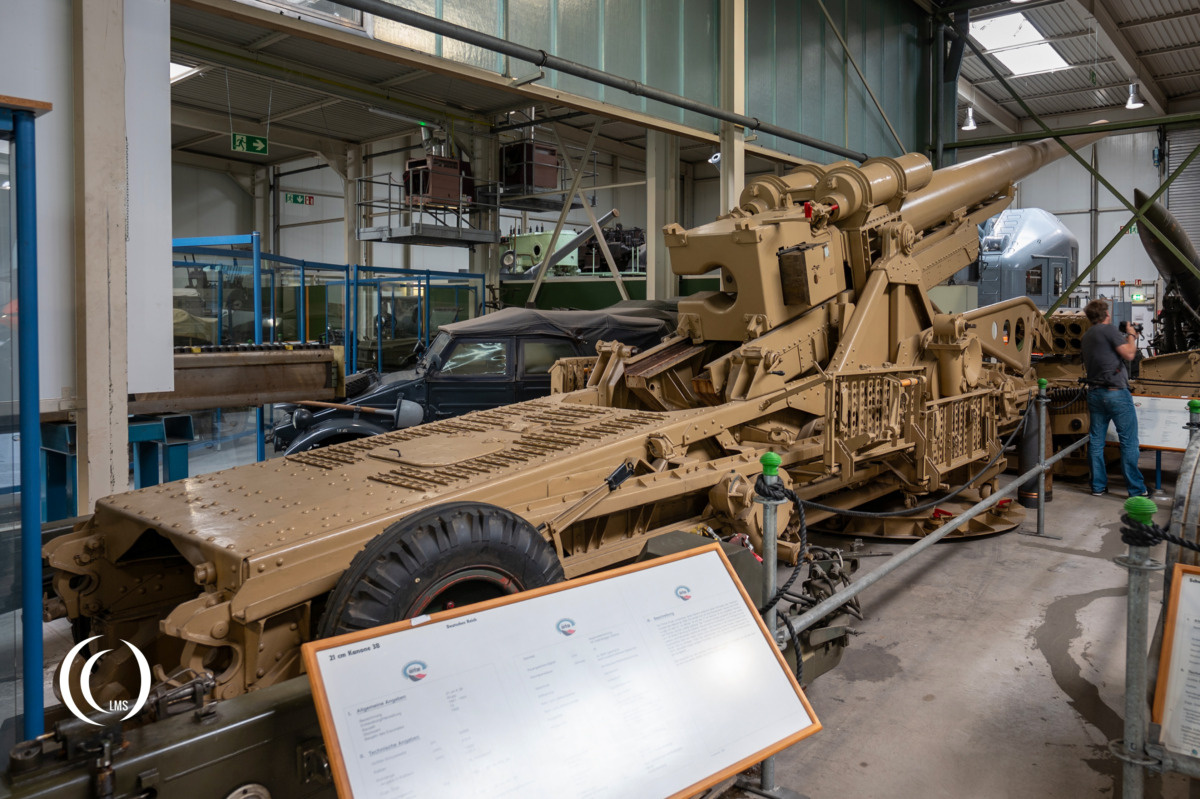
The 21 cm Kanone 38 was photographed at the Wehrtechnische Studiensammlung in Koblenz. The WTS information states the gun on display was manufactured by Krupp in 1942.
Sources
- WTS Koblenz documentation
- lexicon-der-wehrmacht.de
- wikipedia.org
- forum.axishistory.com
