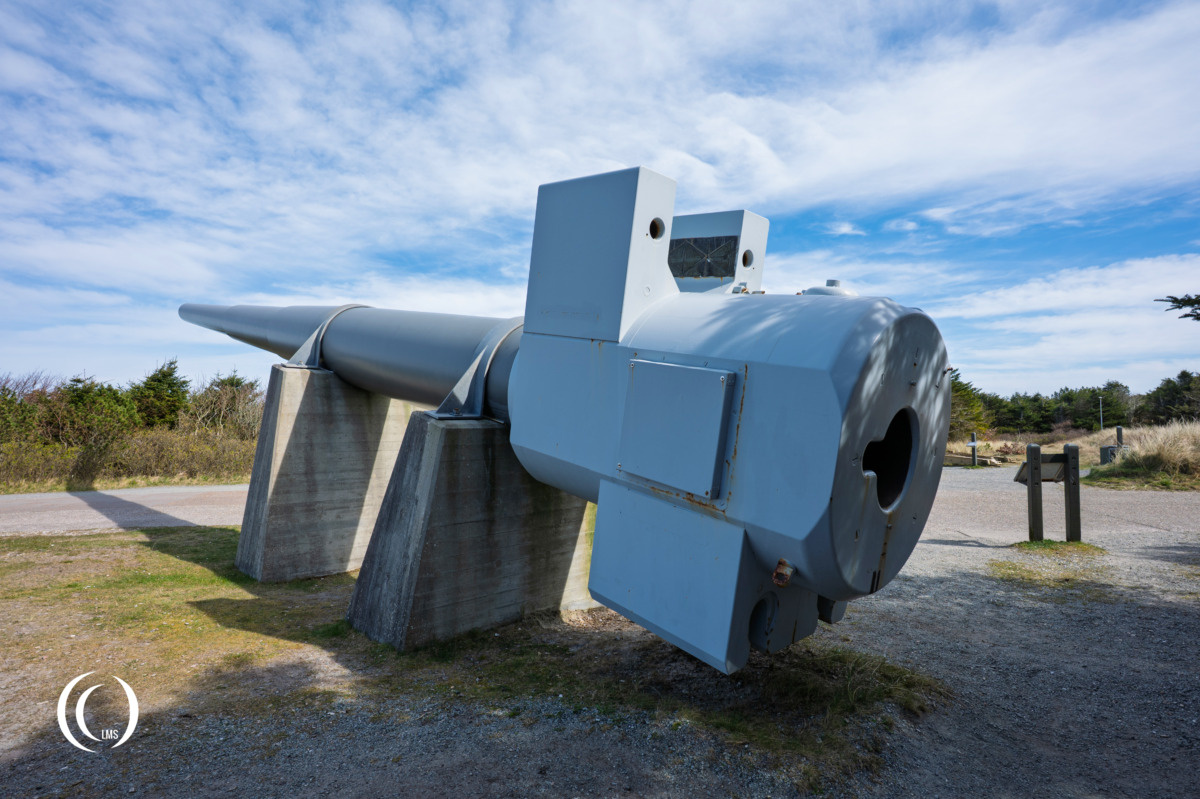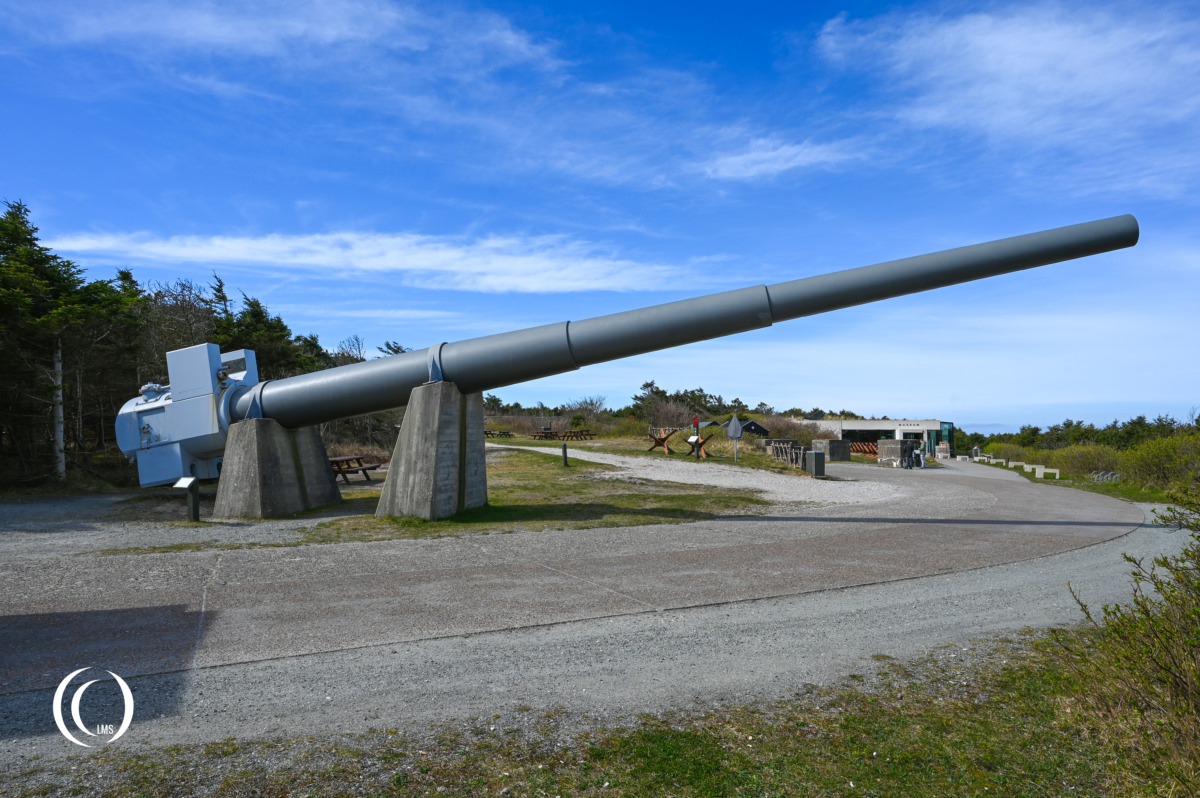
The SK C/34 naval gun was developed in Germany in the 1930s for Bismarck class battleships (41,000 tons displacement) and fitted on the battleships Bismarck and Tirpitz. The abbreviation “SK” is short for Schiffskanone (ship’s gun) and “C” short for Construktionsjahr (year of design), in this case 1934.
The guns were also planned to replace the 28 cm C/34 guns of the smaller battleships Scharnhorst and Gneisenau, beginning with the latter, but this was abandoned when Gneisenau got badly damaged in 1942.
Coastal version
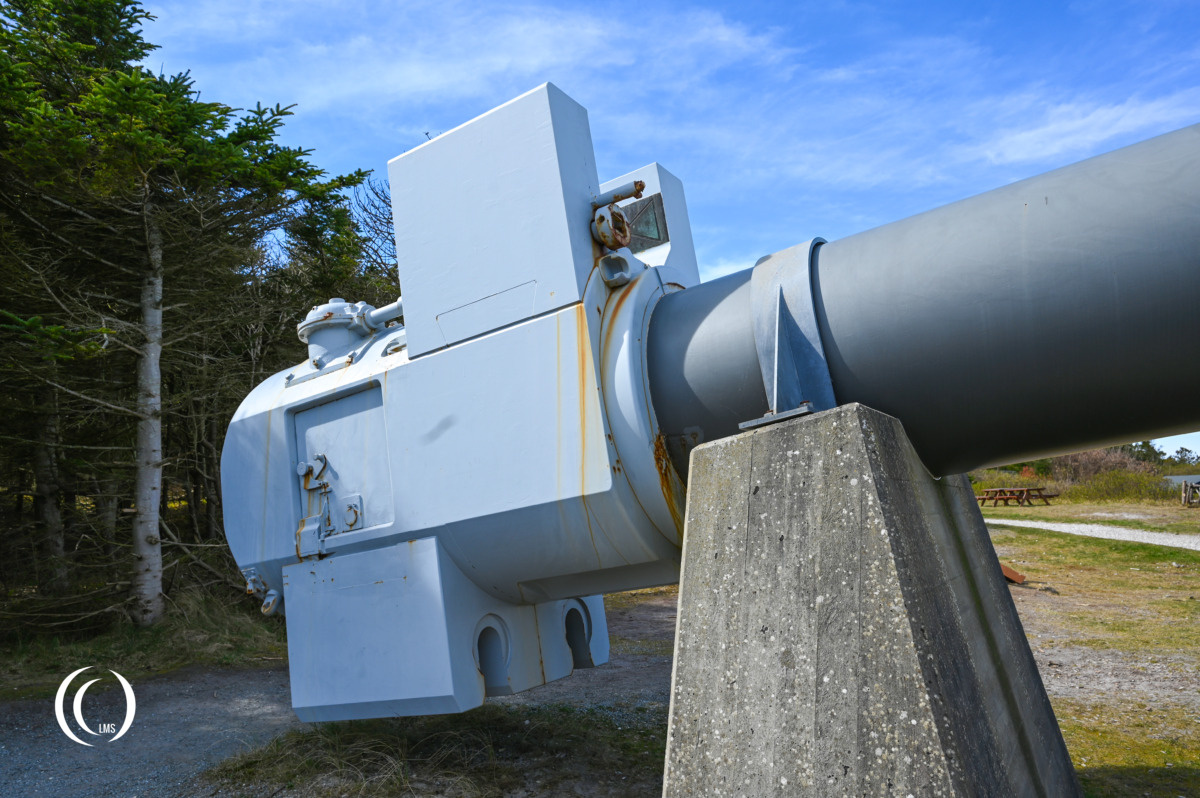
A modified coastal artillery version of this gun, designated Siegfried, was produced for use in Kriegsmarine coastal batteries like; Battery Todt at the Strait of Dover in France; the Batteries Vogelnest and Hanstholm II in Denmark; and Batterie Vara in Norway. This version had a larger chamber to handle the increased amount of propellant used for the special long-range Siegfried shells.
Ammunition
The 38 cm SK C/34 gun could fire four types of shells, although the Siegfried-Granate could only be used by the coastal defense versions:
- 38 cm Sprenggrenate (Spgr) – nose- and base-fused, high-explosive shell
- 38 cm Übungsgranate (Übgr) – practice shell
- 38 cm Panzersprenggranate (Psgr) – base-fused, armour-piercing shell
- 38 cm Siegfriedgranate (Sigr) – nose- and base-fused, high-explosive shell, optional light- or full-charge
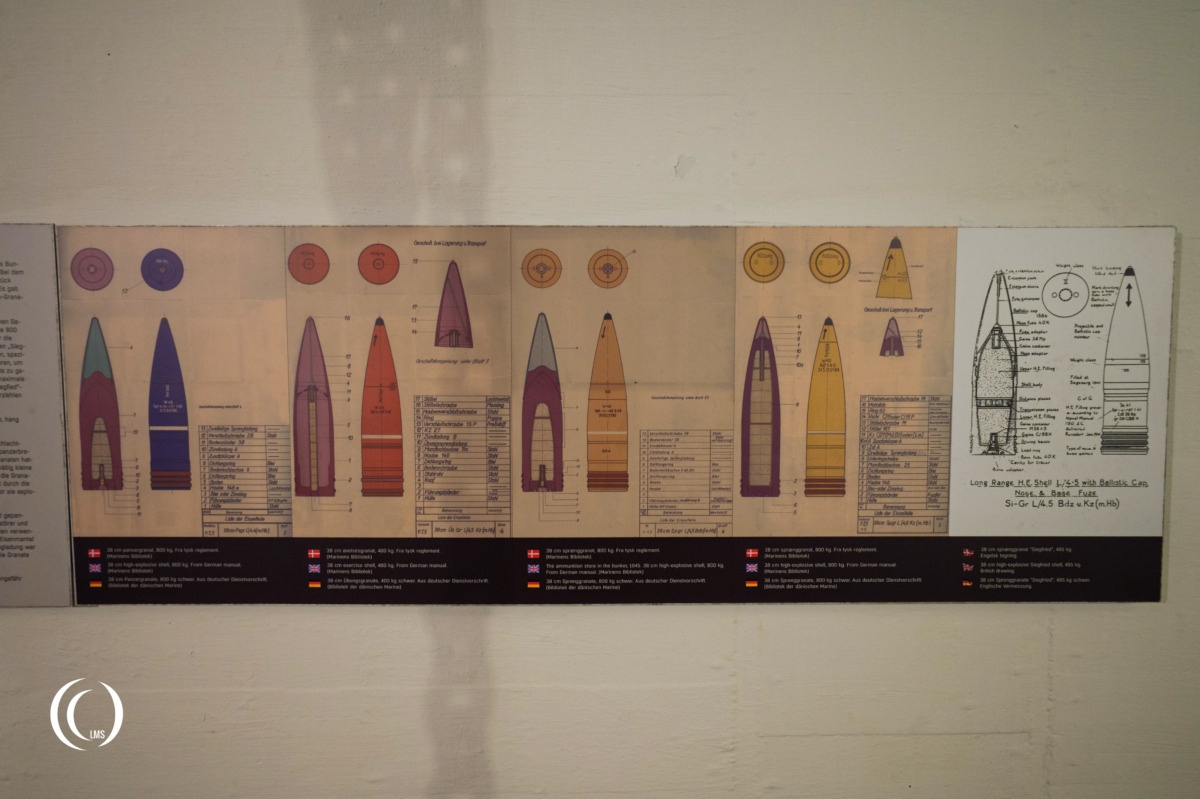
Surviving SK C/34 guns
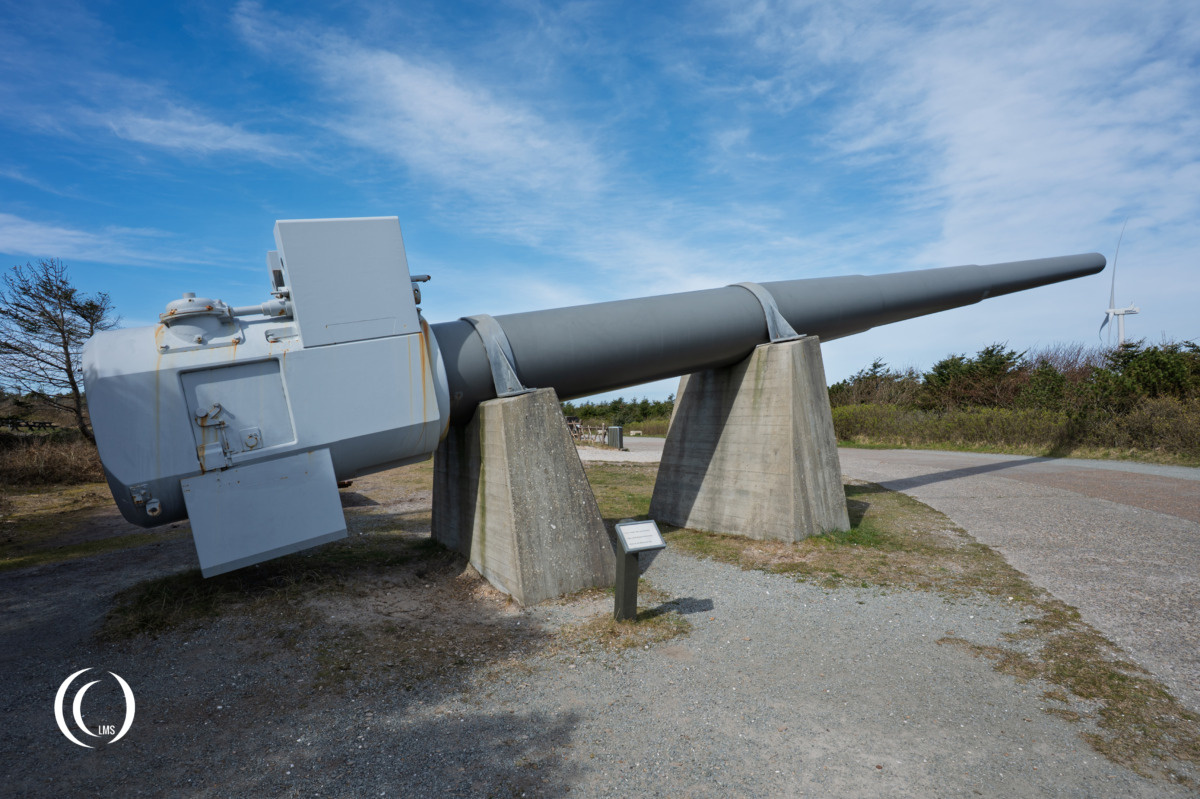
This gun barrel and breech in the pictures is on display on the grounds of Bunkermuseum Hanstholm. It was manufactured in 1943 at the Krupp works in Essen for the rearmament of battleship Gneisenau, but later reassigned to be placed at the coastal defences in Oksby, Denmark. As the coastal battery was never finished, the gun was never placed and after World War Two finally ended up at the museum in Hanstholm.
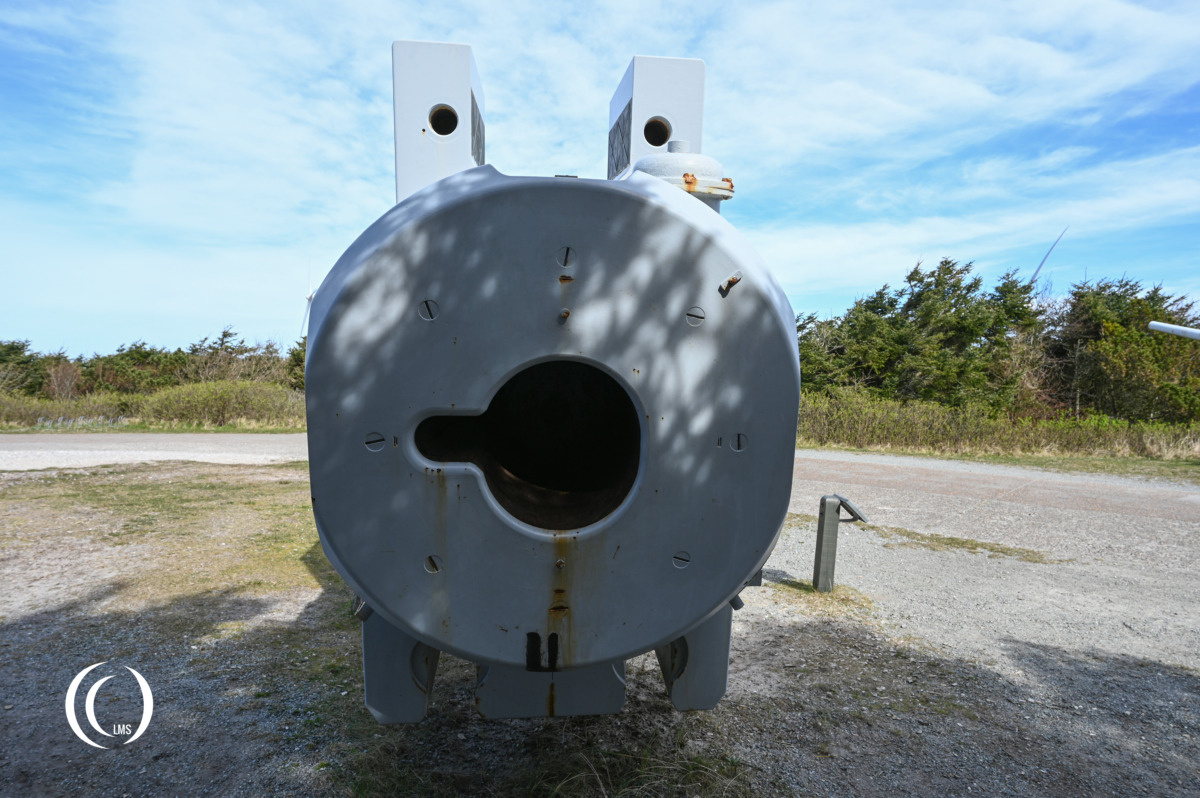
Together with another original SK C/34 gun in Battery Vara in Norway, which still has its original mount and armored turret, they are the only ones known to survive today.