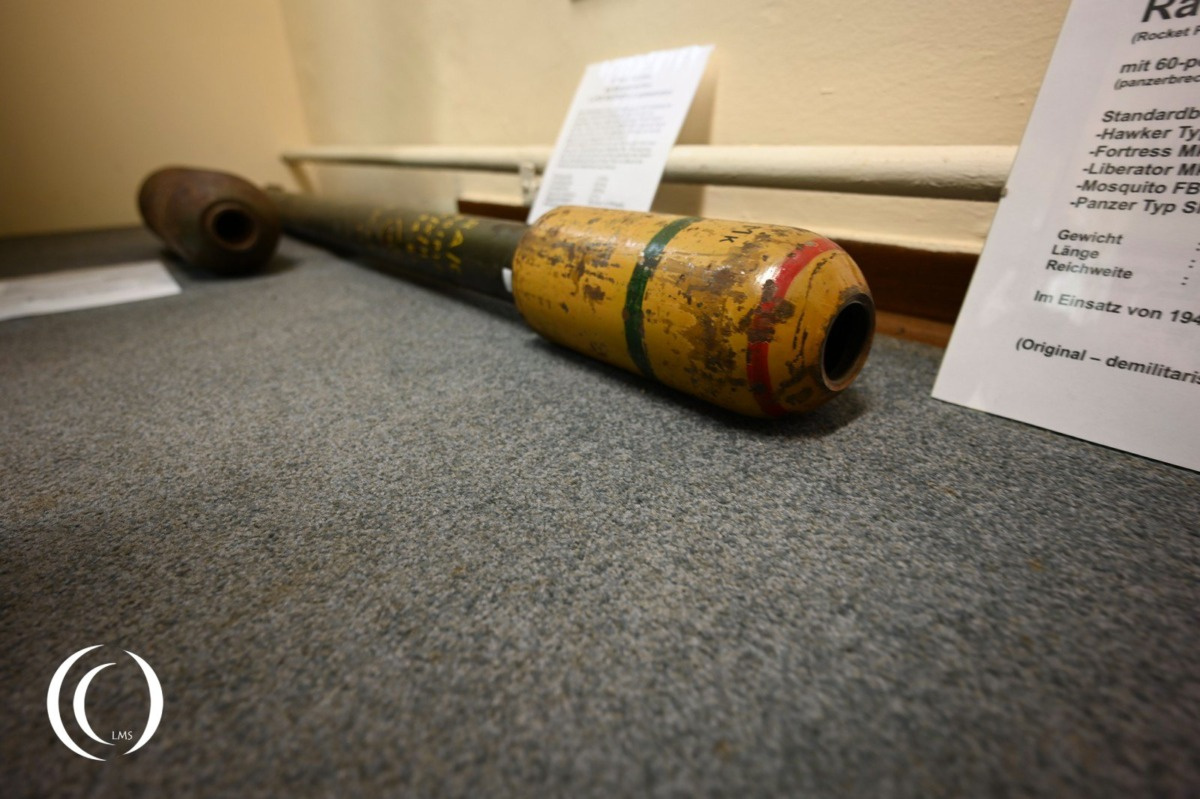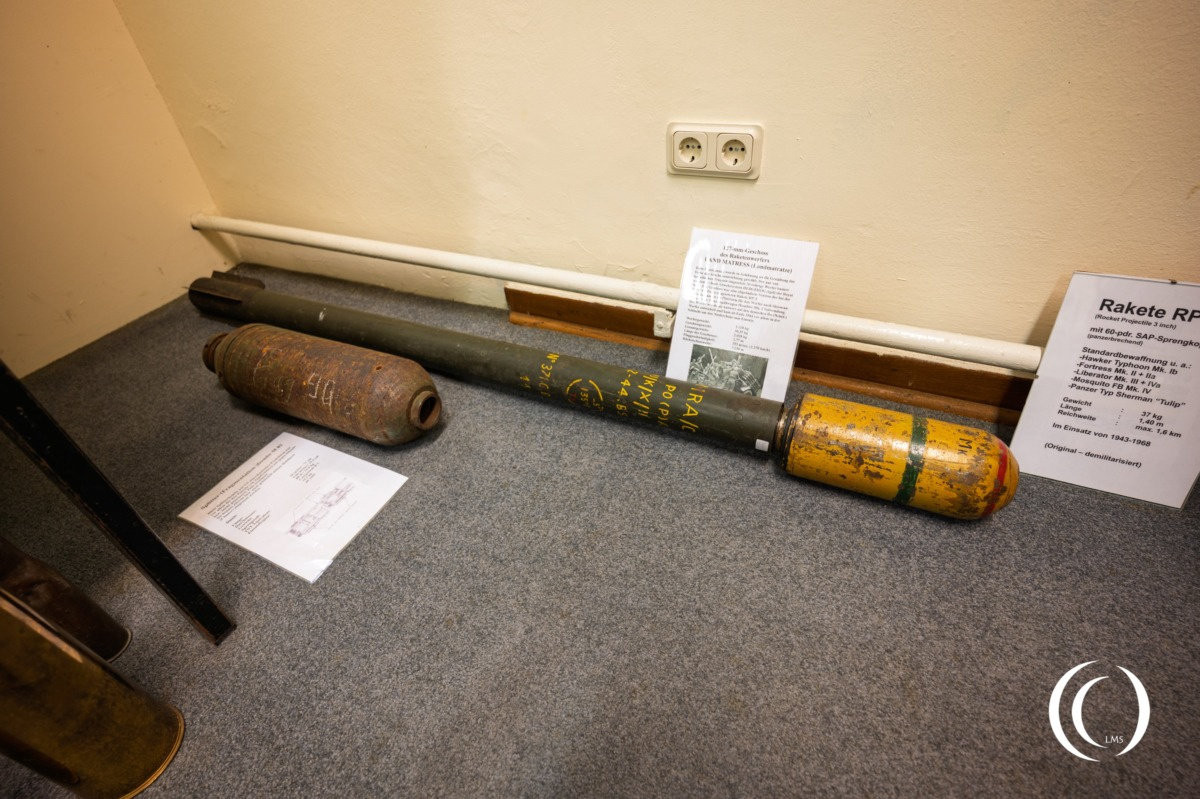
“Mattress” was the name of an unguided rocket developed by the British during the Second World War. After Dunkirk in 1940, it was realized that greater defensive capacity was required, particularly regarding anti-aircraft weaponry. Coastal defenses were developed, and the 3-inch UP became the principal rocket of the Z Battery system, with rockets fired in large salvos against German aircraft. In addition to this coastal defense using surface-to-air missiles, the Royal Navy experimented with surface-to-surface versions of their ship-based systems. The next logical step was to develop mobile artillery to support infantry attacks and defense.
Sea Mattress
The Sea Mattress was a British naval multiple rocket launcher developed during World War II. It was mainly used to support amphibious landings by bombarding enemy coastal defenses. The system was fitted to Landing Craft Tank (Rocket), which could carry more than 1,000 rockets. These rockets were fired in large salvos, creating intense bombardment over a wide area. The Sea Mattress used 5-inch rockets and had a range of about 3,000 yards. It was used during Allied operations in Italy and Normandy, including the D-Day landings. Its purpose was to suppress enemy positions and help protect troops approaching the beaches during amphibious assaults.
Land Mattress
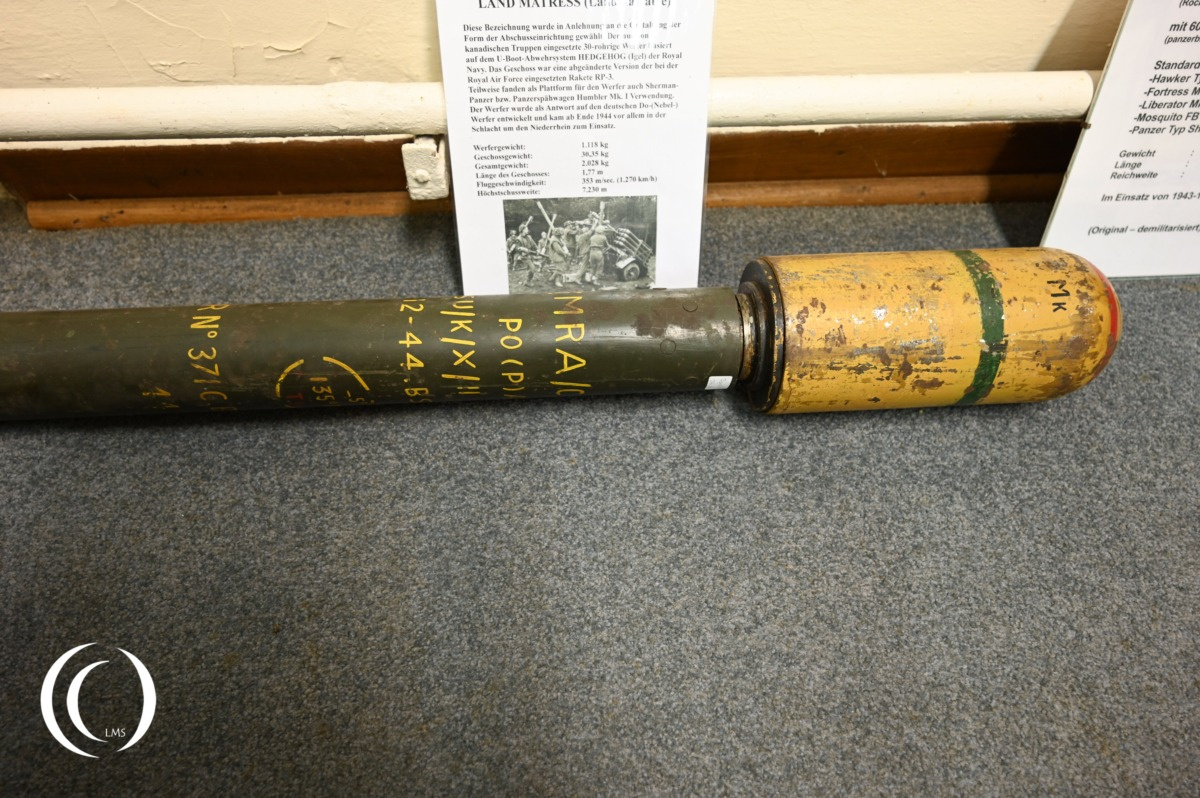
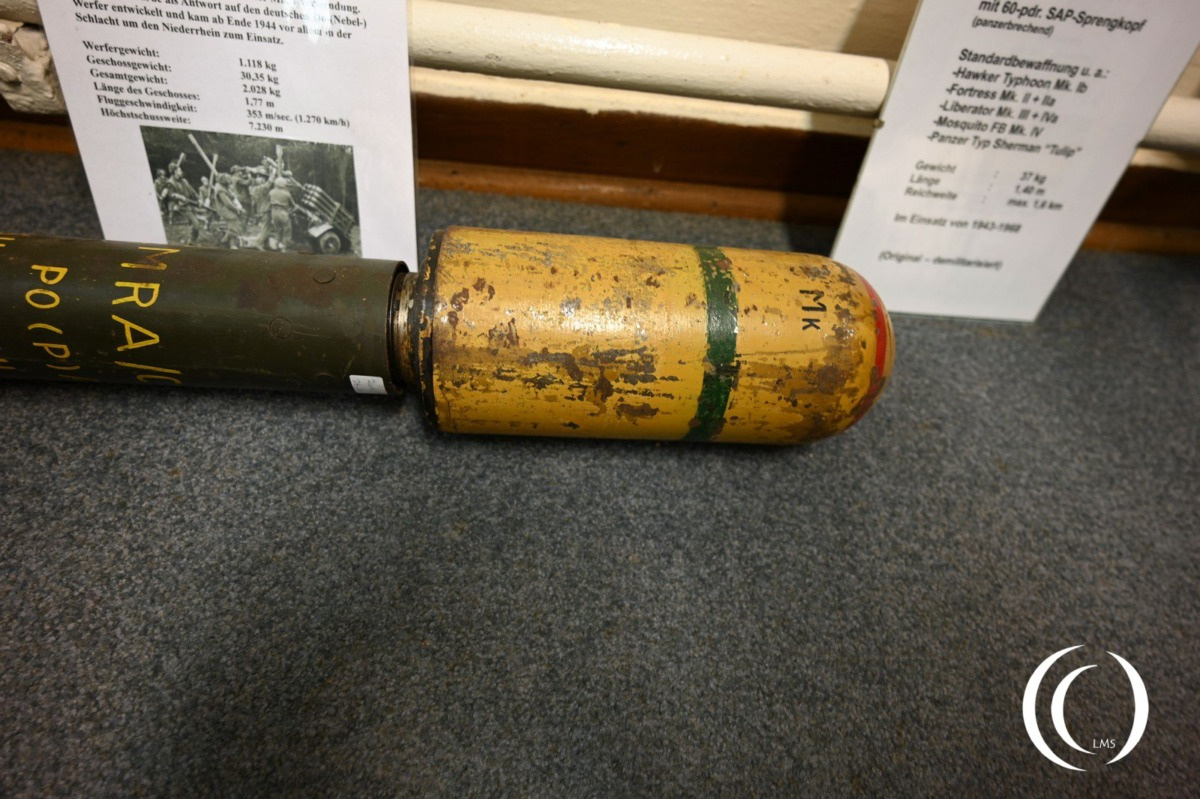
The Land Mattress was a British multiple rocket launcher developed during the Second World War which was comparable to the German Nebelwerfer, the Henschel Hs 297 Föhn rocket launchers and the Russian Katyusha rocket launchers. It was a land-based version of the earlier naval rocket system known as the Sea Mattress. The Land Mattress was the ground-launched version of the British rocket system, officially designated Projector, Rocket 3-inch, No. 8 Mk I. The launcher was designed to provide large amounts of firepower against enemy positions, especially during artillery bombardments and amphibious operations.
The Land Mattress fired rockets from a simple frame containing many launch rails. It used 3-inch rockets derived from the British RP-3 aircraft rocket with the 5-inch naval warhead. It used cordite as its propellant. The rockets could be fired in rapid salvos, allowing the system to cover a large area with explosive projectiles. This made it useful for attacking enemy artillery, defensive positions, troop concentrations, and other targets. It was based on the British Z gun anti-aircraft rockets, which were used by the Home Guard defending the British airspace.
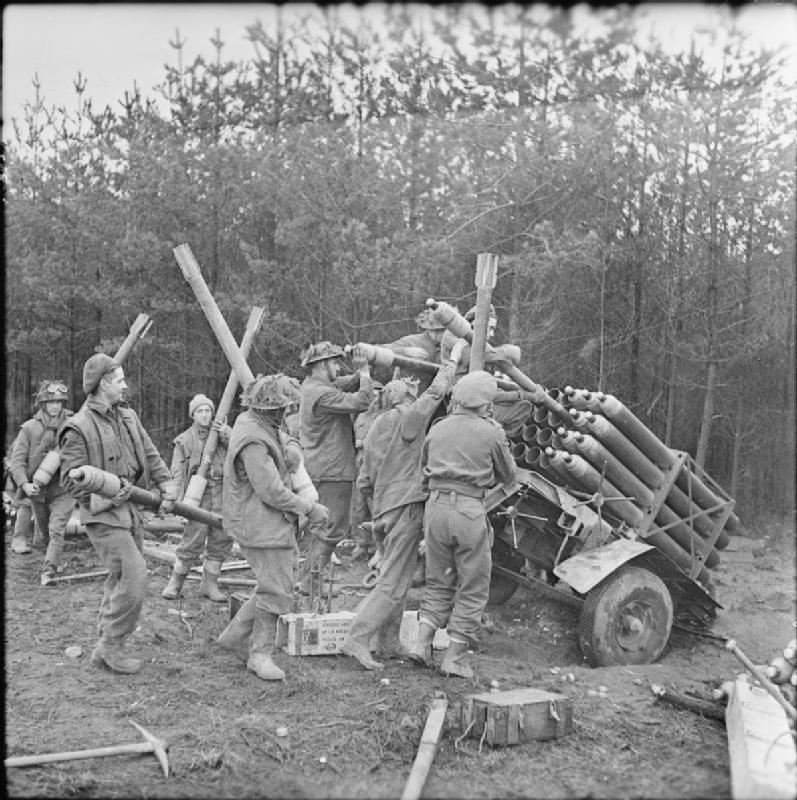
The system was relatively simple and could be towed and positioned where required. British and Canadian forces used Land Mattress launchers during the later stages of World War II, particularly in northwest Europe. They were employed during operations following the Normandy landings.
Although the Land Mattress was not as accurate as conventional artillery, its main advantage was its ability to deliver a large volume of fire quickly. It demonstrated the effectiveness of multiple rocket launchers and contributed to the development of later rocket artillery systems. The Land Mattress is therefore an important example of wartime British rocket artillery.
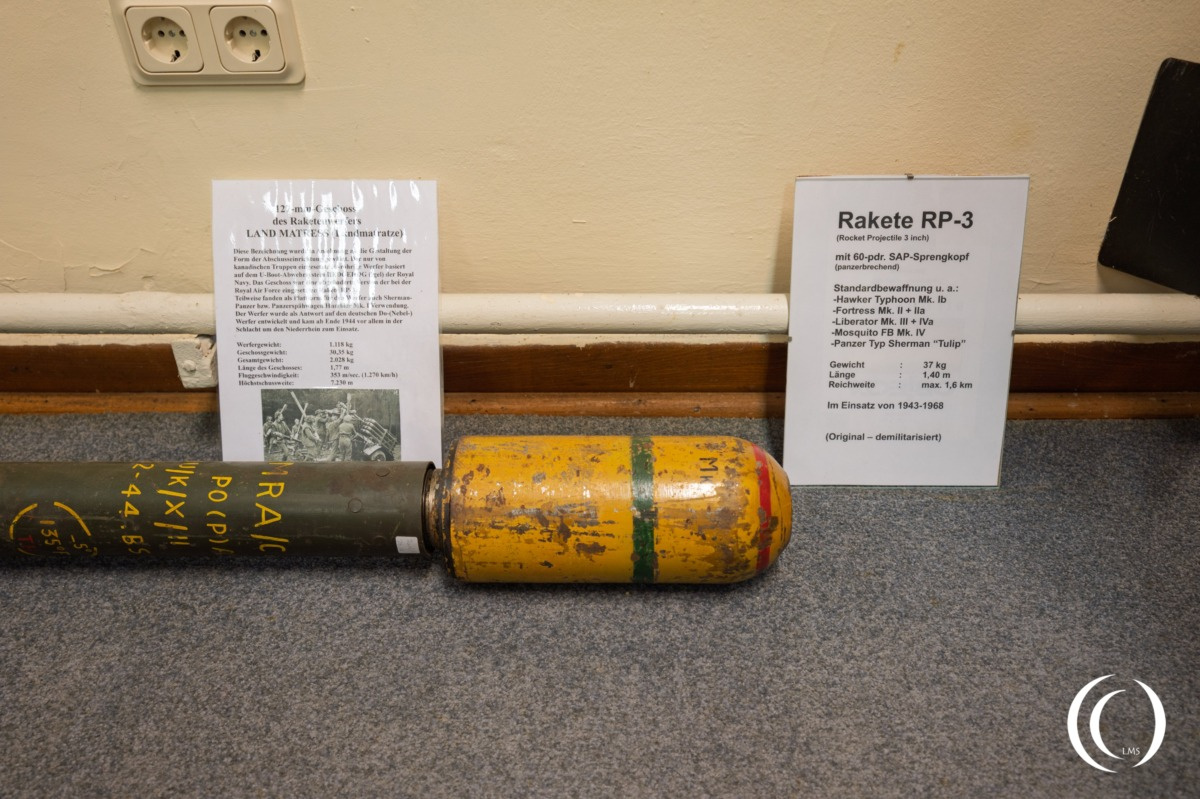
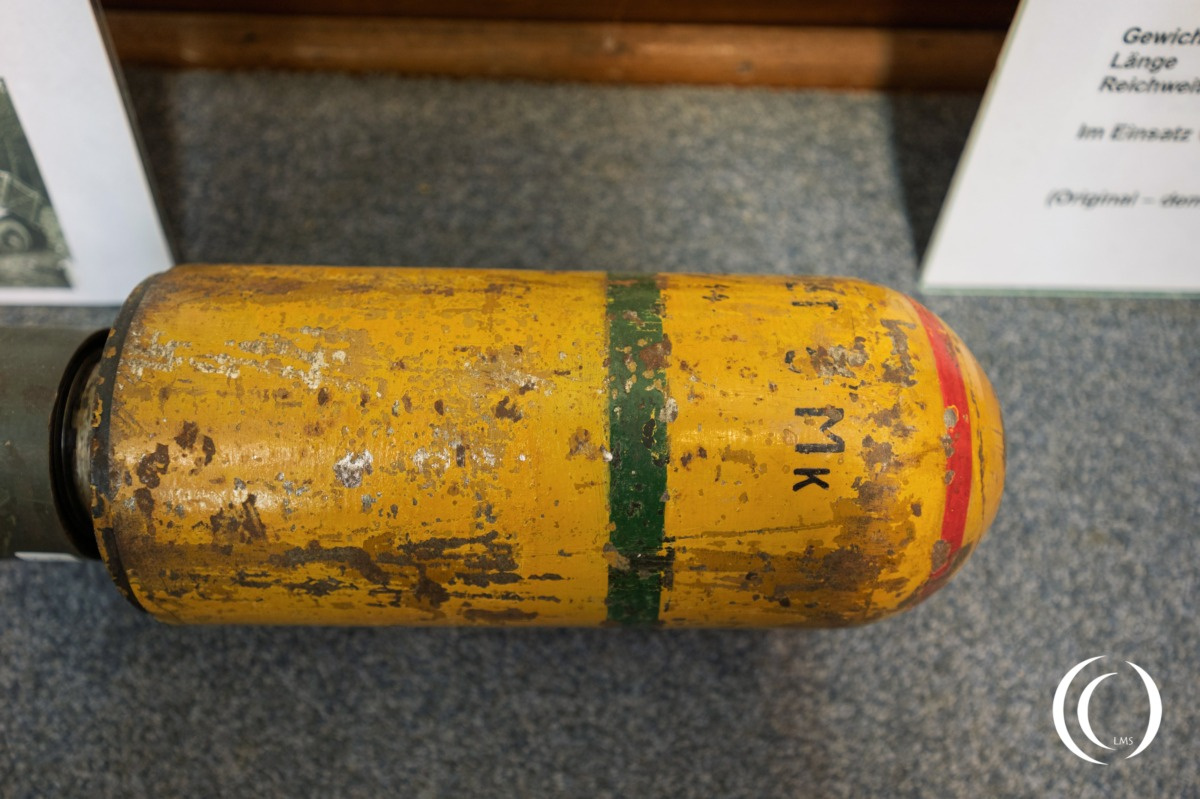
Mattress (Rocket) specifications
Type: 3-inch RP-3 rocket with a 5-inch warhead
Diameter: 3 inches (76.2 mm)
Length: 1.77 m (5 ft 10 in), weight: 30.5 kg (67 lb)
Propulsion: Solid-fuel rocket motor
Motor: Cordite-based propellant
Muzzle velocity 353 m/s (1,160 ft/s) (1270 km/h)
Warhead: High-explosive or other specialized warheads 3.18 kg (7 lb)
Launch: Fired from multiple-rocket launchers such as the Land Mattress with 16 or 30 tubes
Role: Ground bombardment
Firing rate: 4 per second
Maximum range 7,230 m (7,910 yd)
The RP-3 was originally developed as an air-to-ground rocket, and adapted versions were used with ground-based systems. With its operational range of 8,000 yd (4.5 mi; 7.3 km). The Land Mattress was extensively used at the crossing of the Scheldt, over a thousand rockets were fired in six hours.