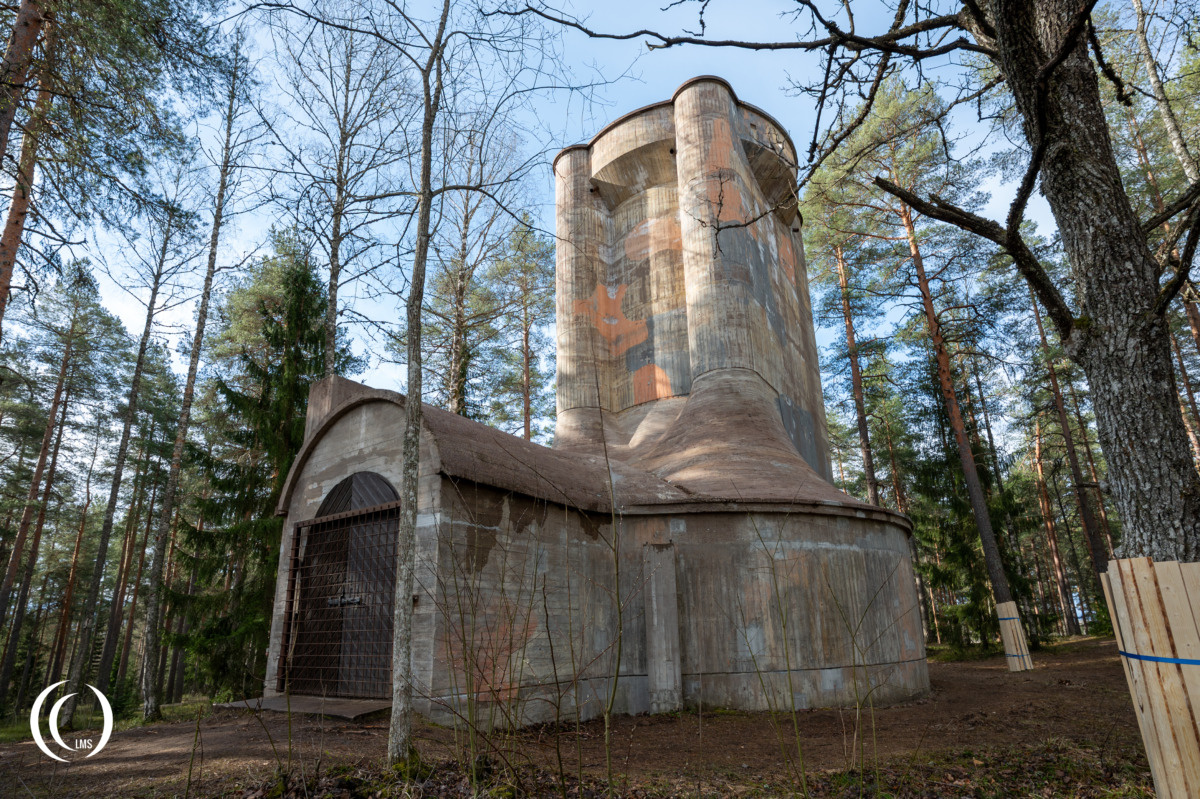
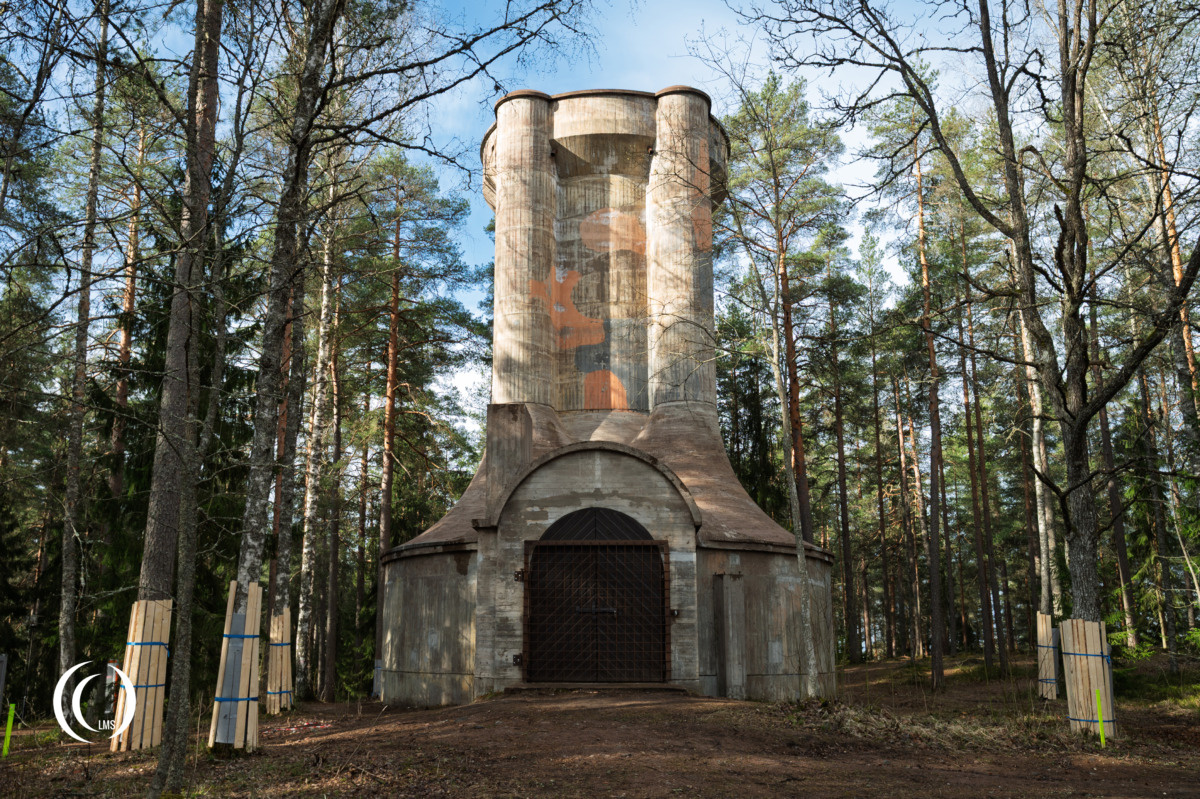
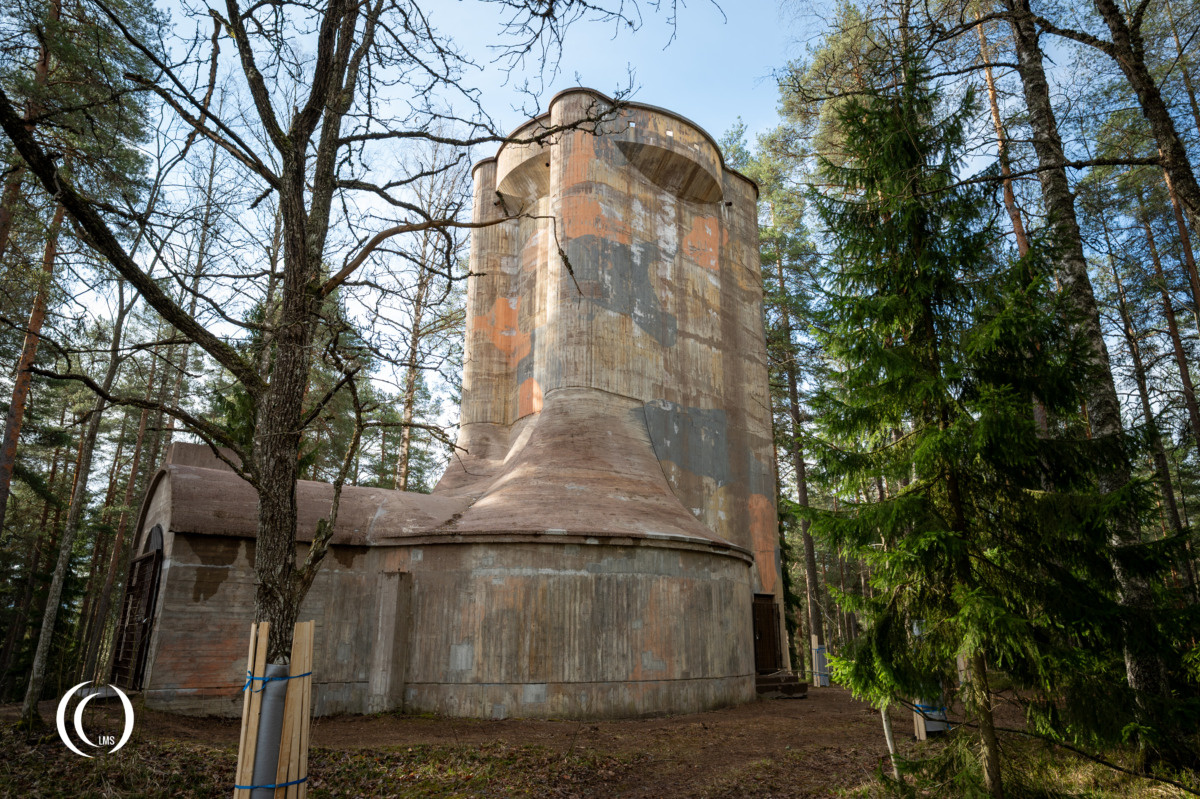
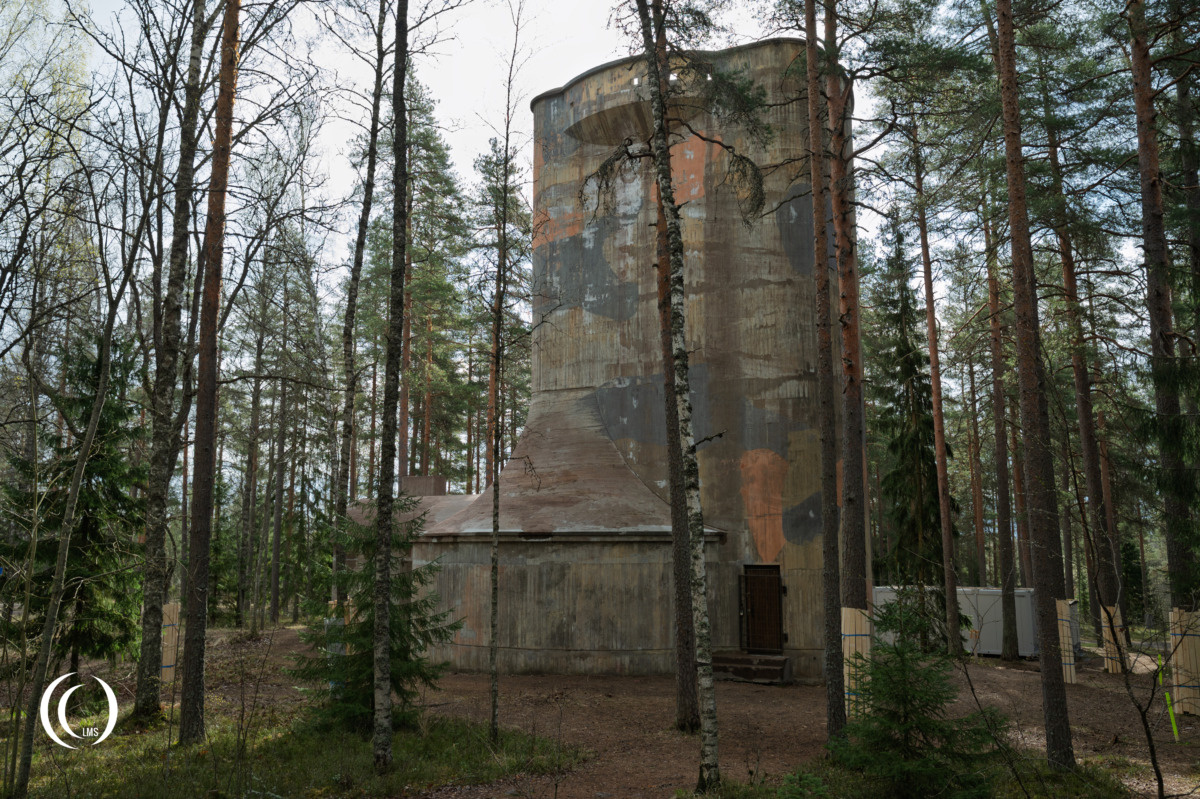
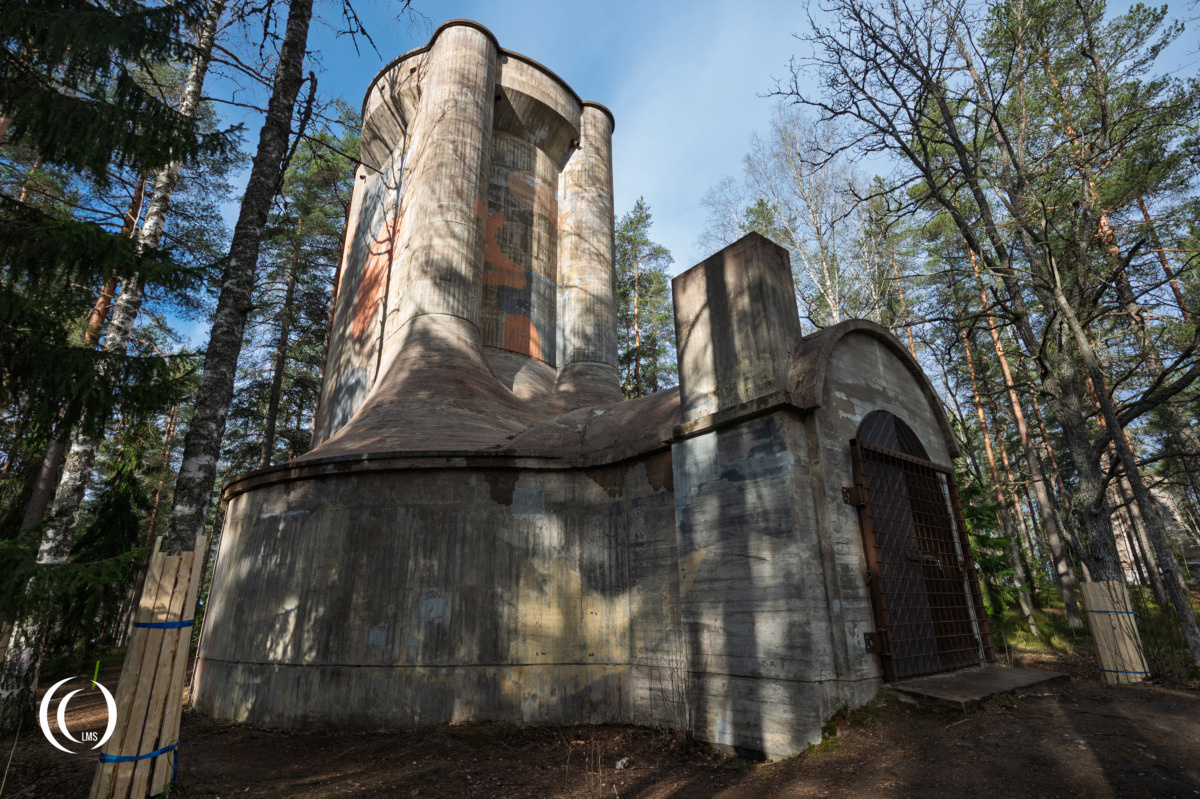
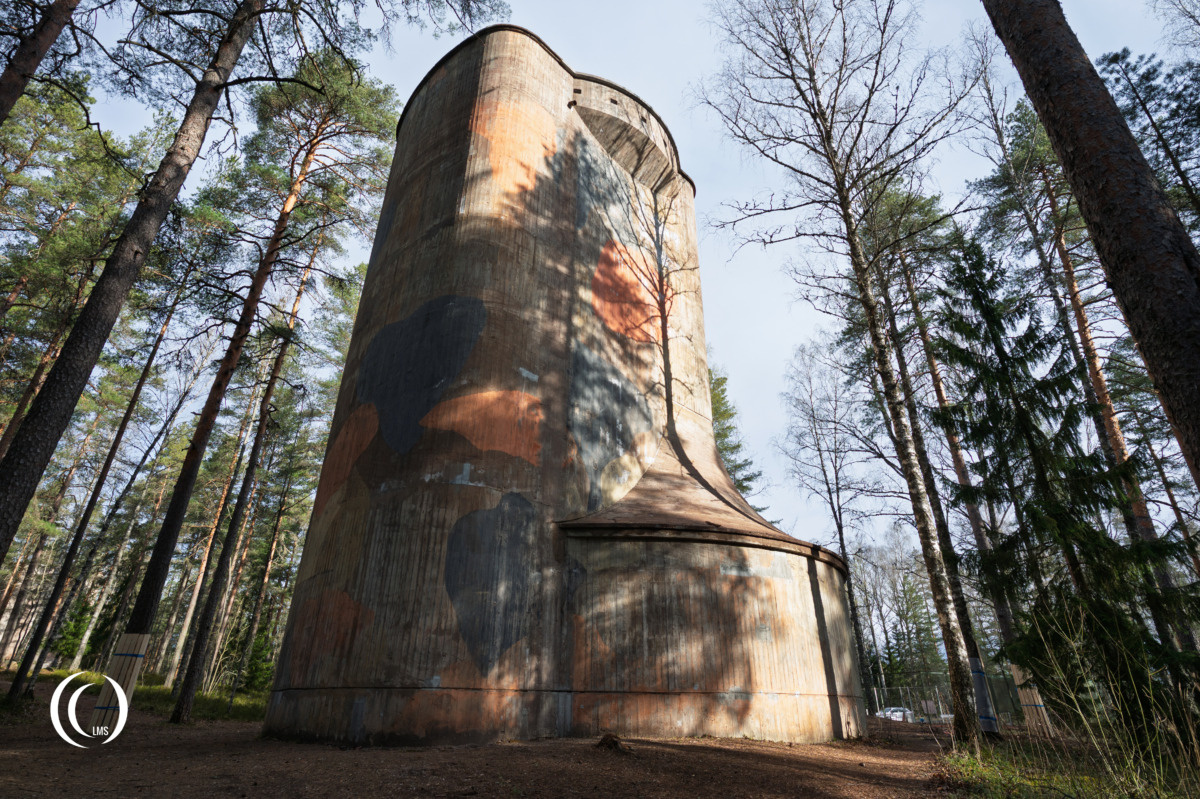
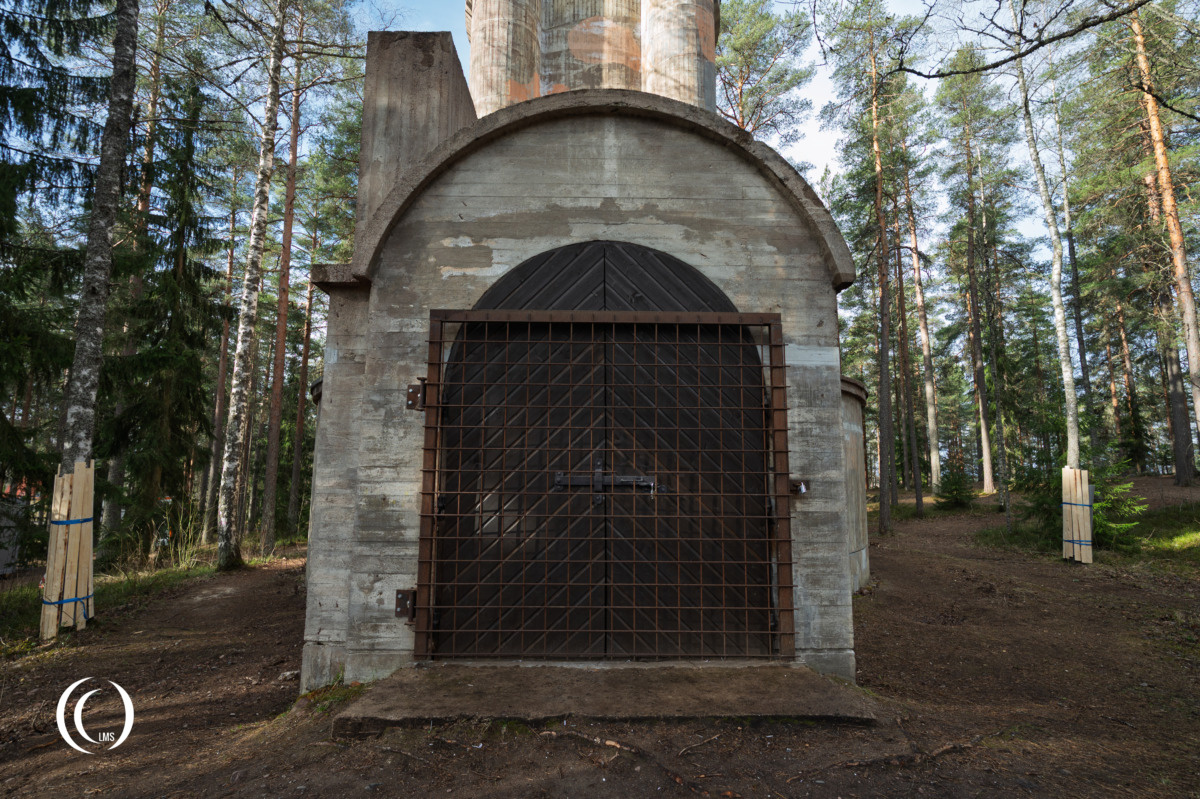
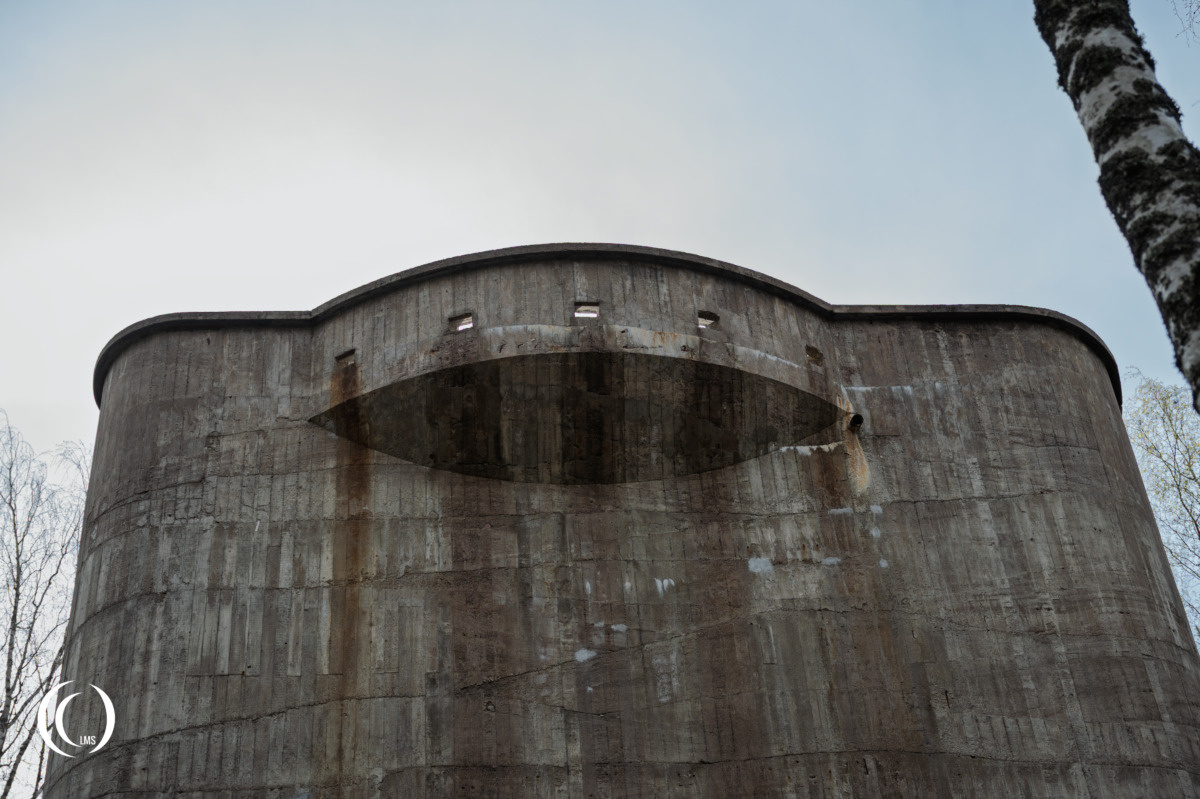
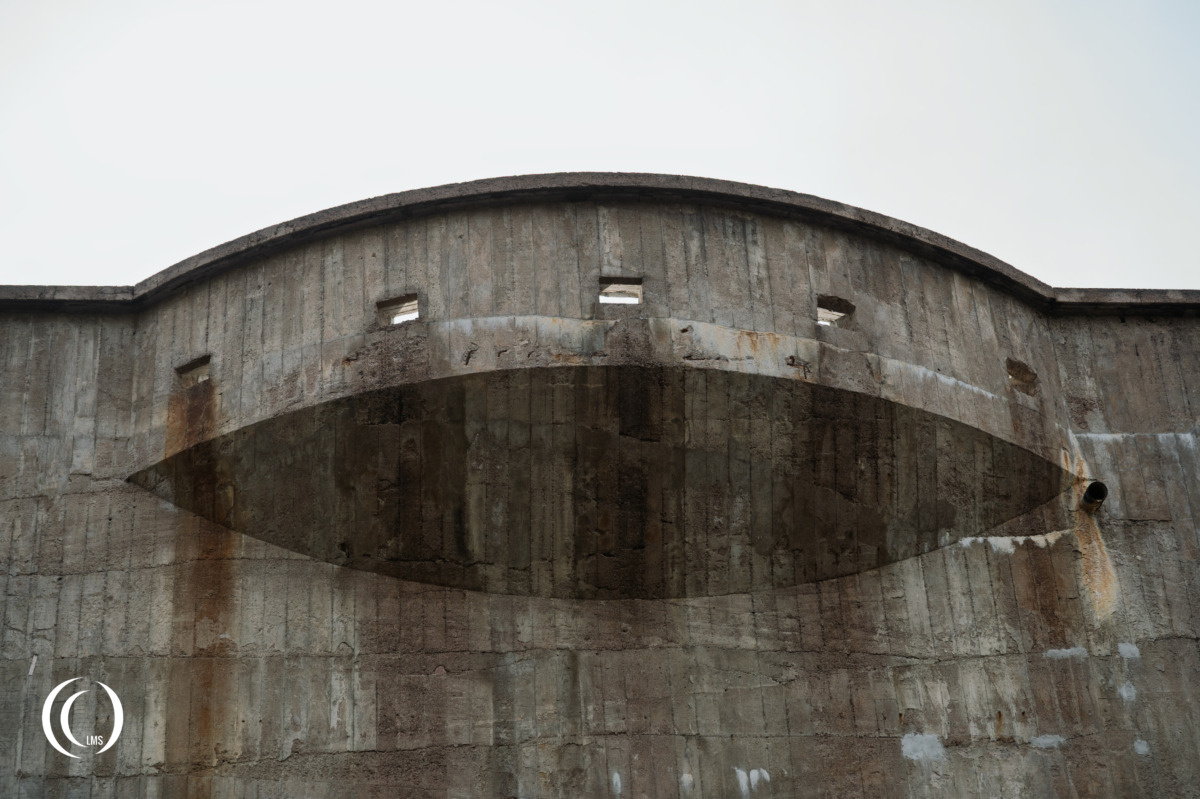
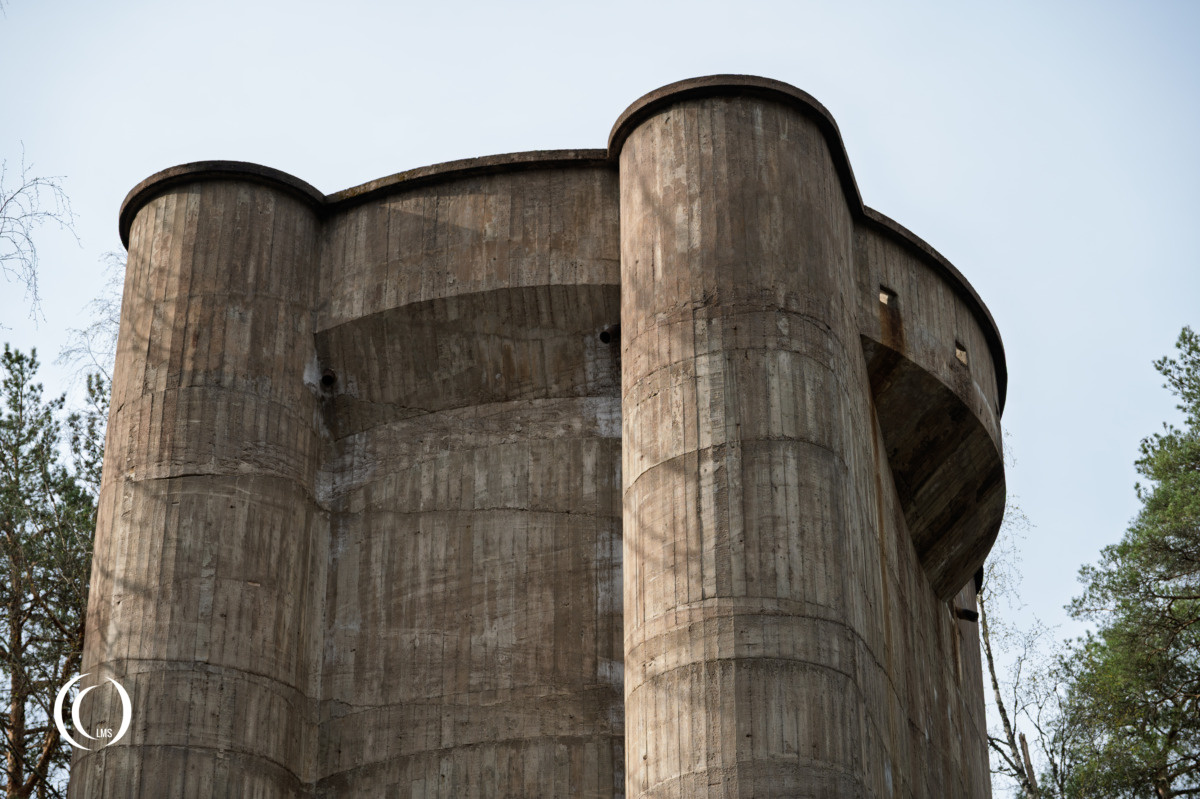
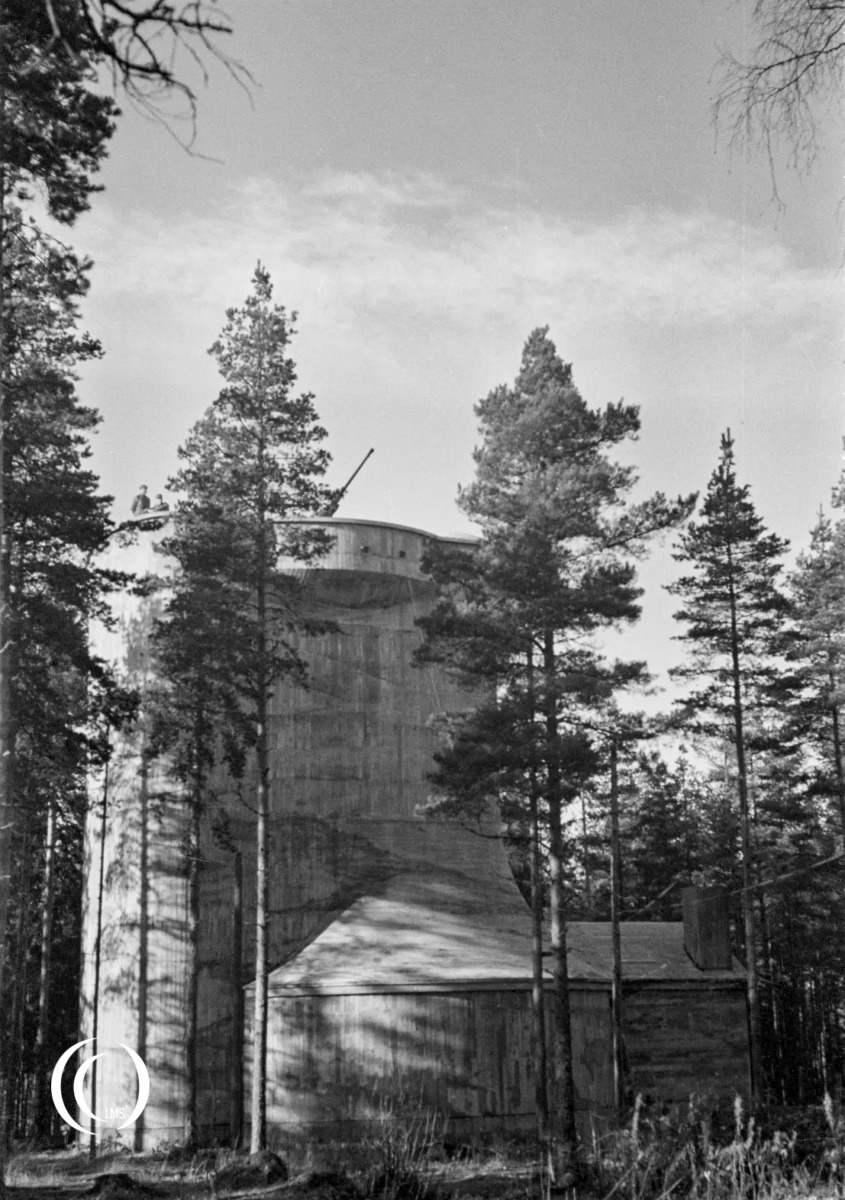
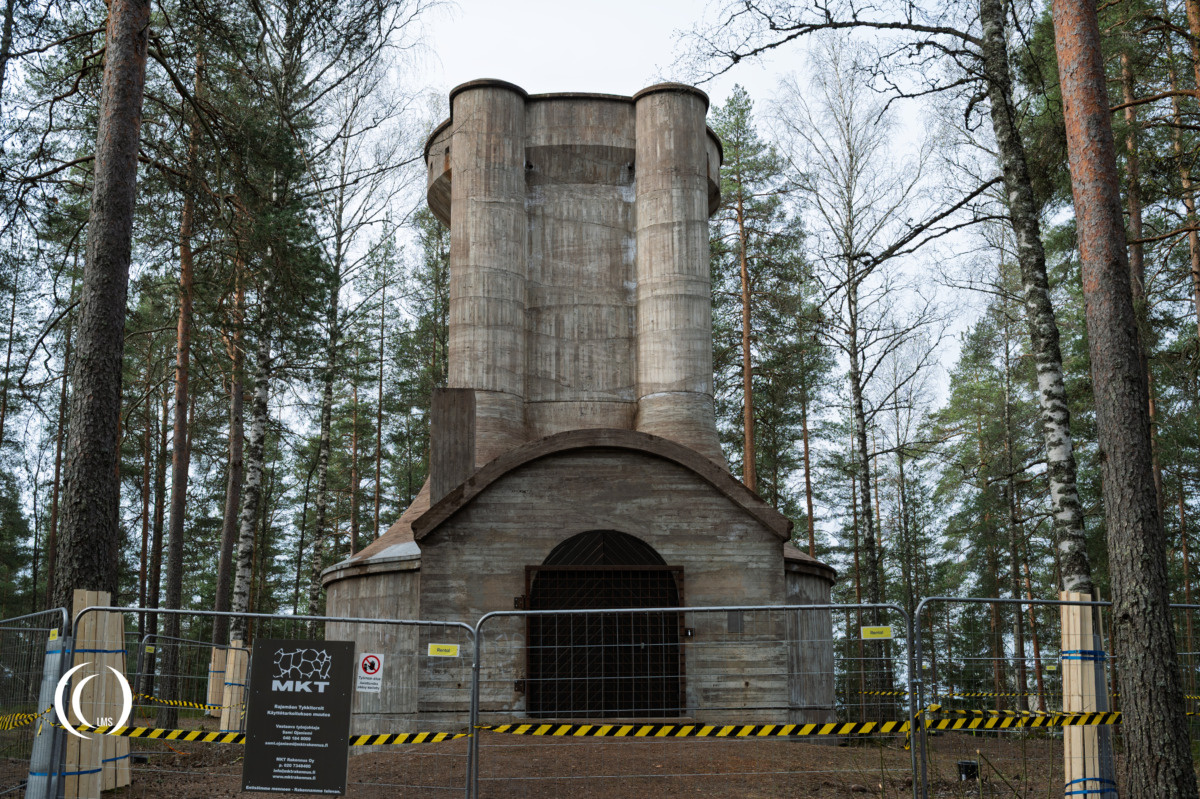
In a woodland at the village of Rajamäki, approximately 45 kilometres north of Helsinki in Finland, stand two strangely shaped concrete towers which were once part of Finland’s wartime air-defence system during the Second World War. The structures are associated with the defence of strategically important industrial facilities in the area.
Air defence
During the Second World War, Finland faced the threat of Soviet air attacks, particularly during the Winter War (1939–1940) and the Continuation War (1941–1944). Protecting industrial production, transport infrastructure and other strategically important targets was essential to the country’s war effort. Anti-aircraft positions were established at locations where enemy aircraft could threaten these assets.
Construction
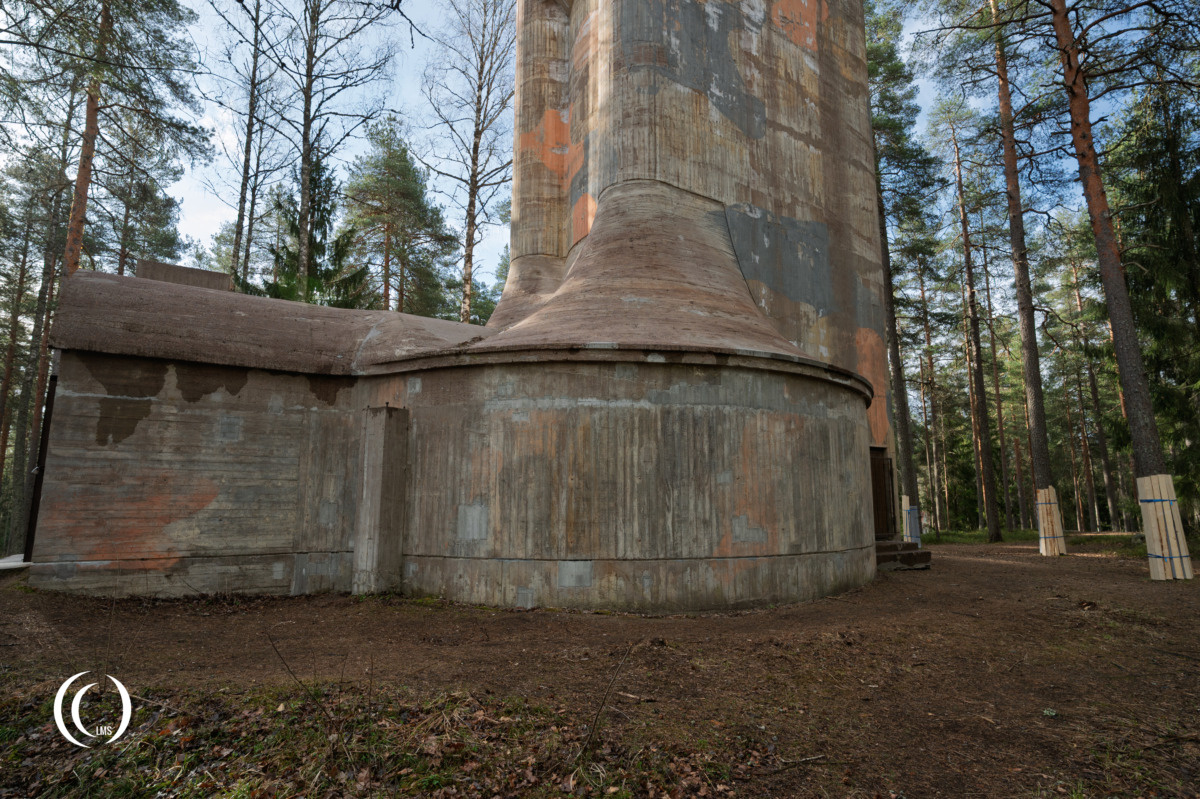
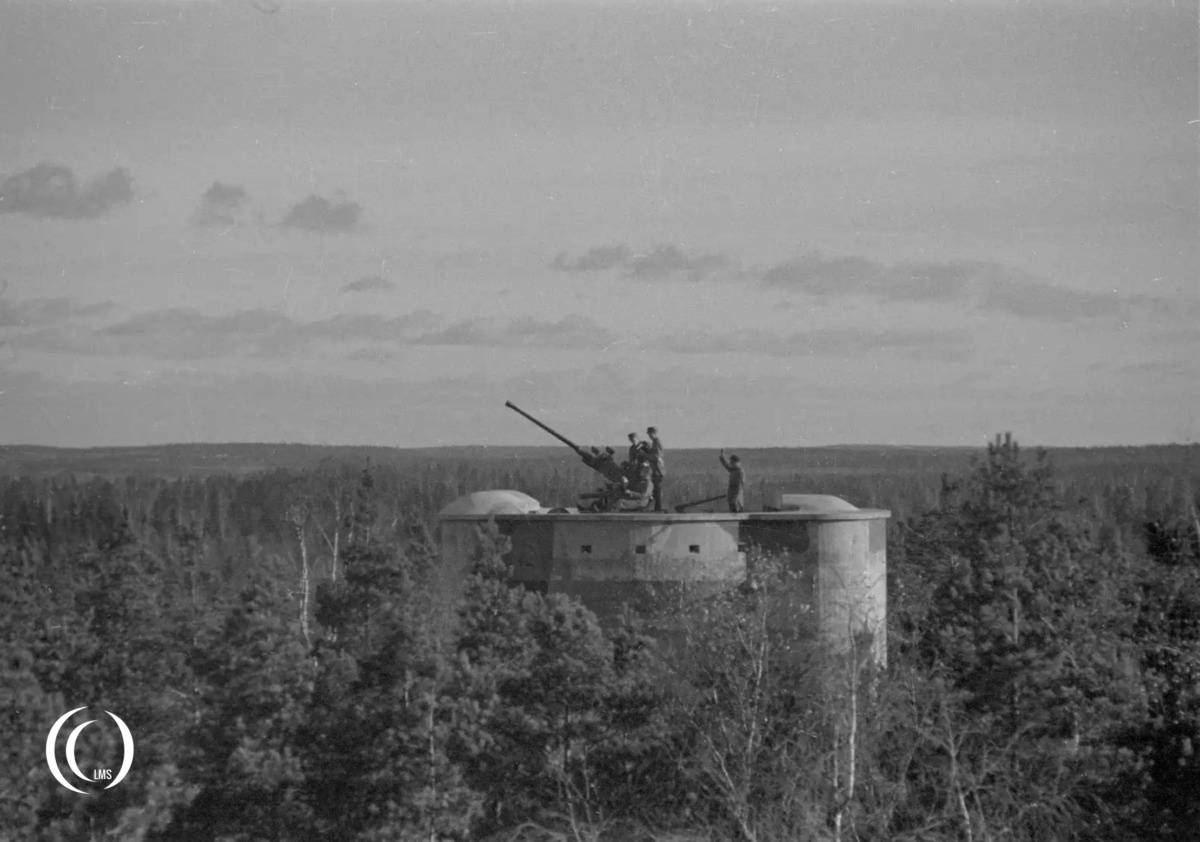
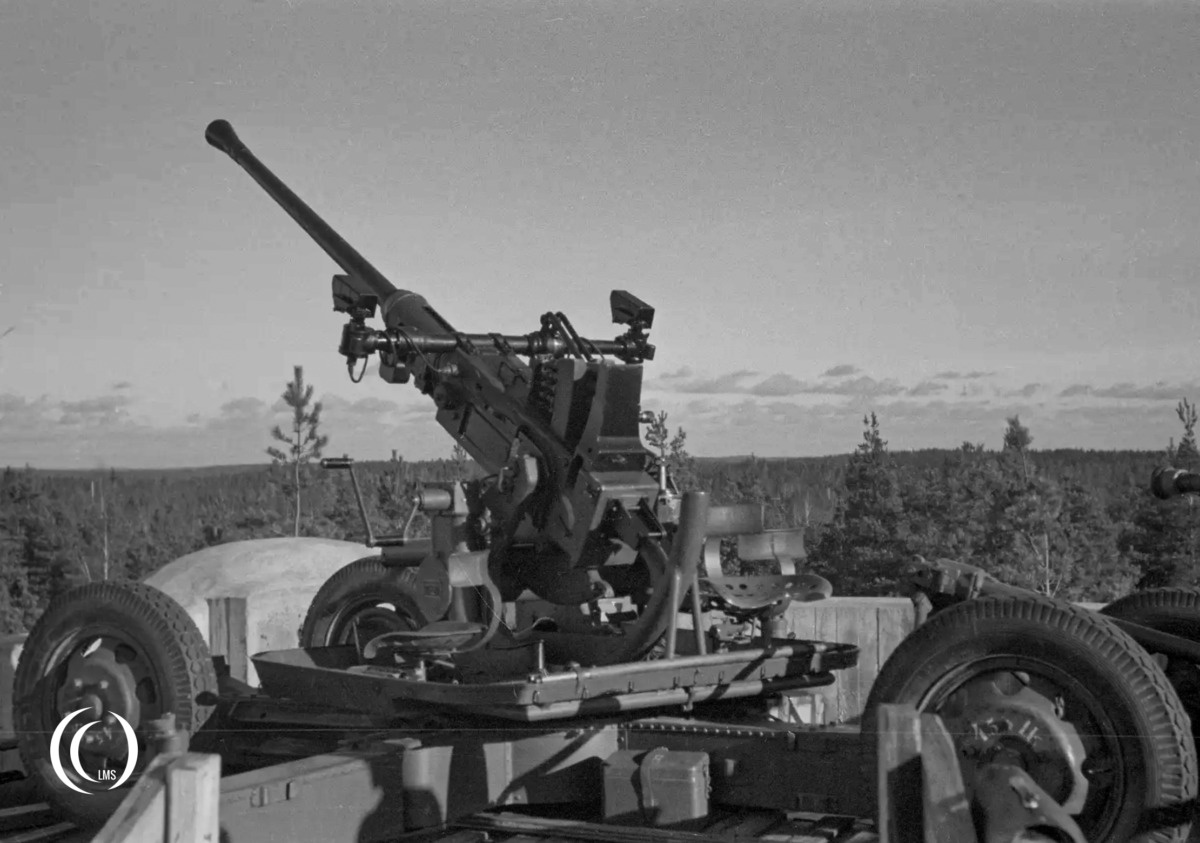
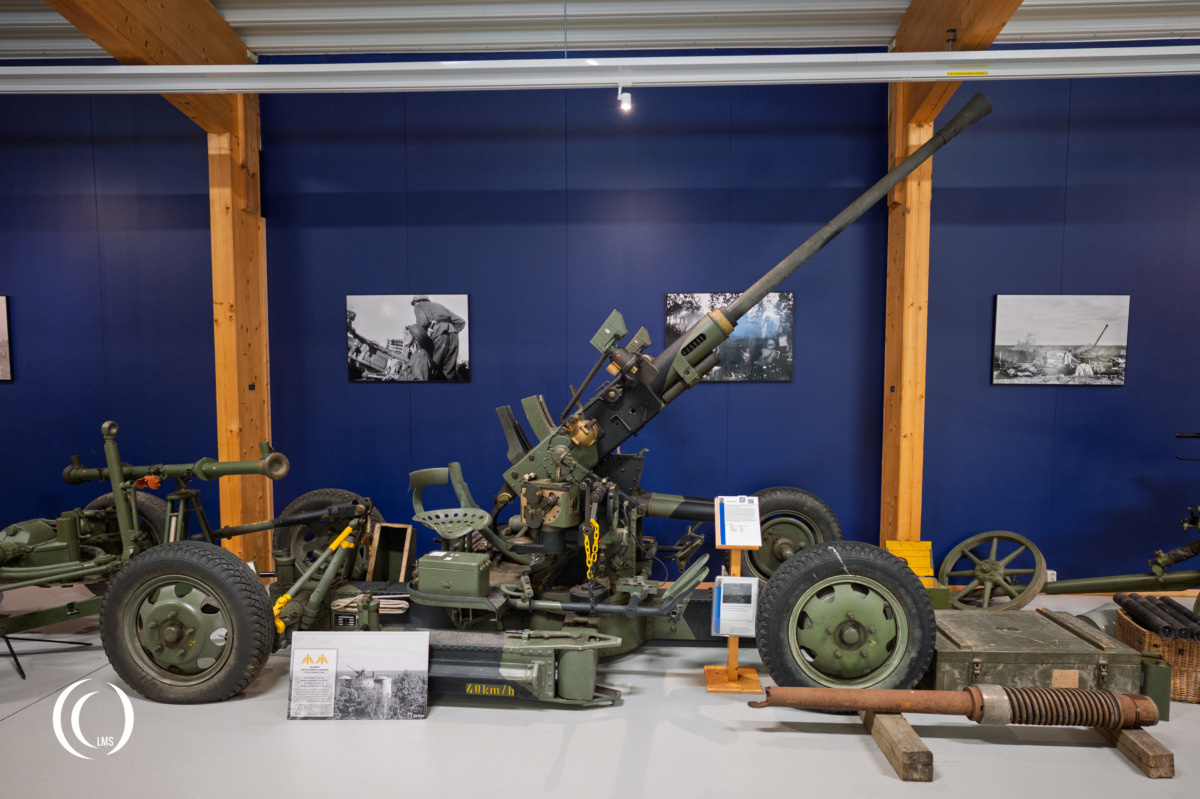
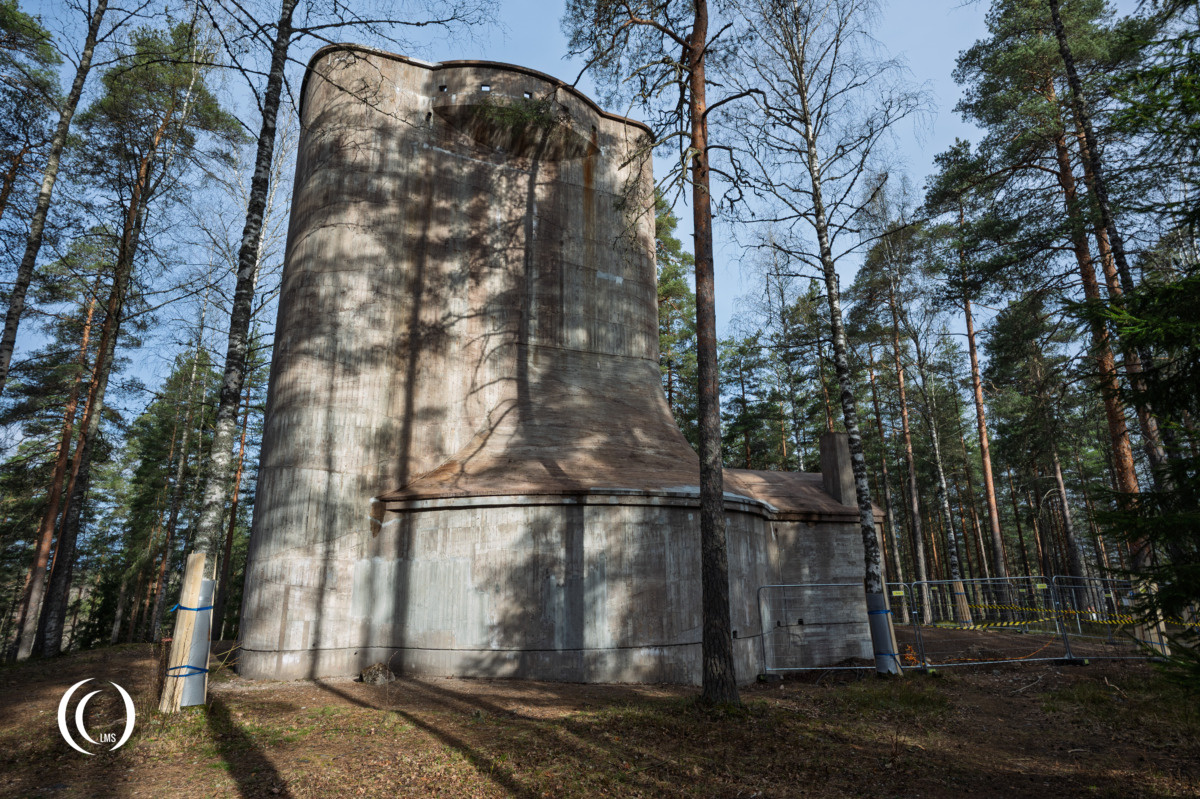
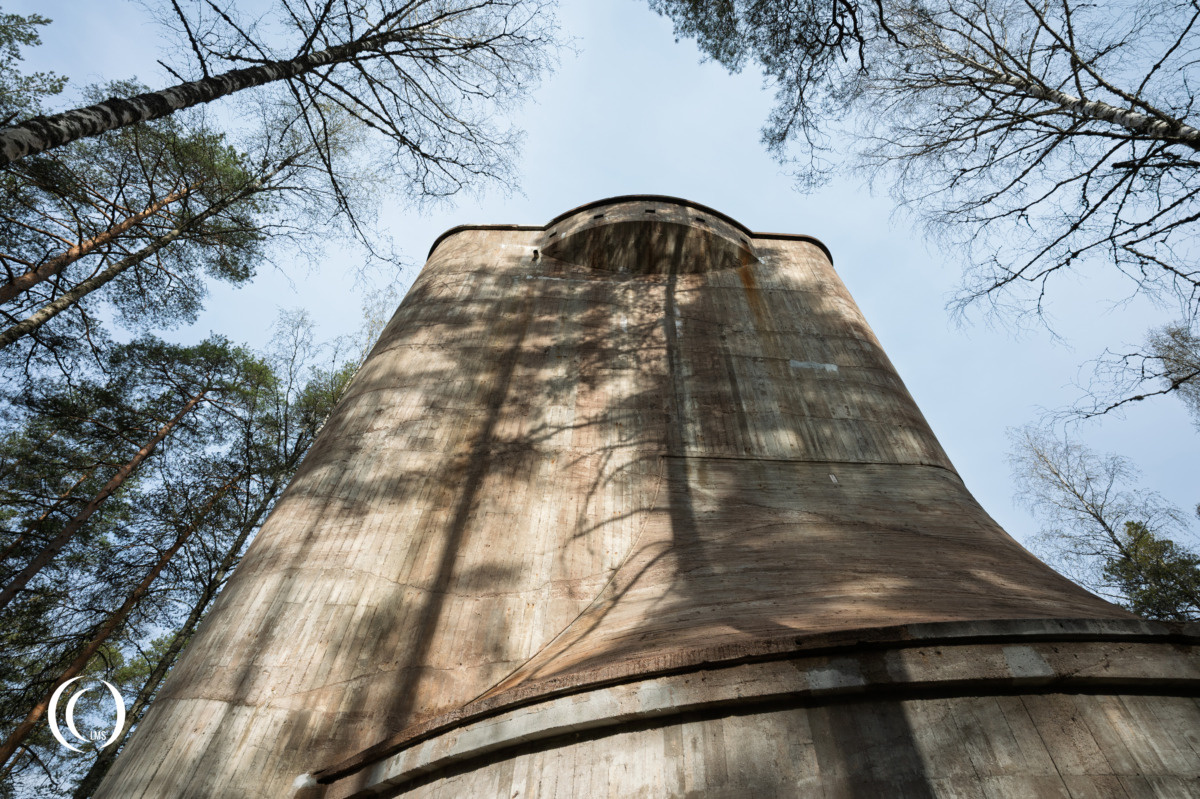
The Rajamäki towers were built during the period of peace between the Winter War and the Continuation War, in 1940–1941. Constructed from reinforced concrete, the two imposing structures provided elevated firing positions for 40 mm Bofors anti-aircraft guns. Unusually, the towers were commissioned by the state-owned alcohol company Oy Alkoholiliike Ab, the predecessor of modern Alko, rather than being built as conventional military fortifications. The company also supplied the guns, which were operated by personnel assigned to protect the factory.
Molotov cocktails
Rajamäki’s industrial importance was demonstrated during the Winter War, when the alcohol factory produced approximately 500,000 so-called “Molotov cocktails” for Finnish troops fighting Soviet armoured forces during the Soviet invasion of Finland in 1939–40. These were improvised antitank weapons, named this way in a dark reference to Soviet foreign minister Molotov.
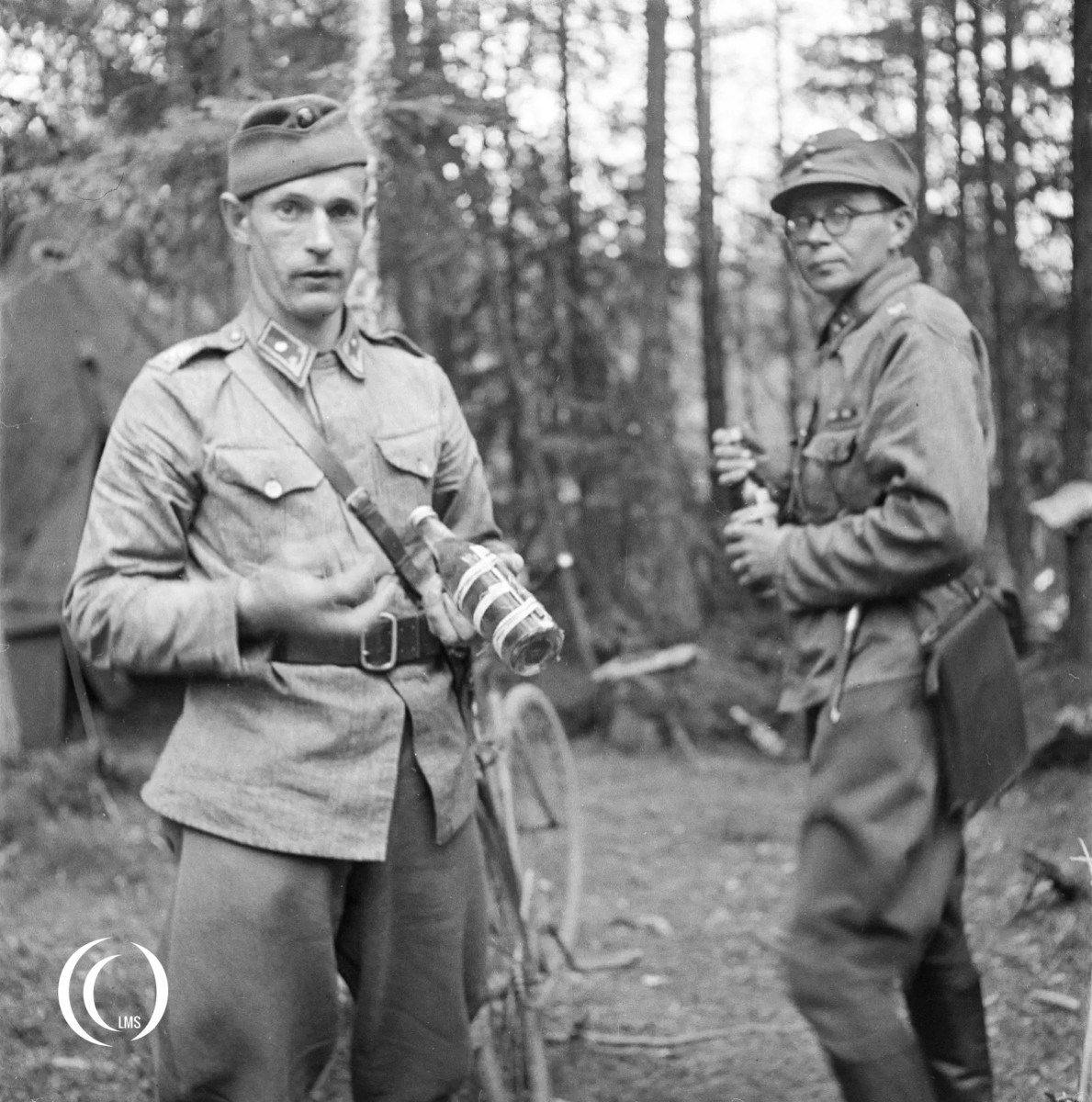
The large-scale production made the factory a strategically valuable target and reinforced the need to protect the industrial complex against aerial attack. The anti-aircraft defences were subsequently involved in engagements with Soviet aircraft during the Continuation War, although the available historical accounts do not establish any confirmed victories by the Rajamäki guns.
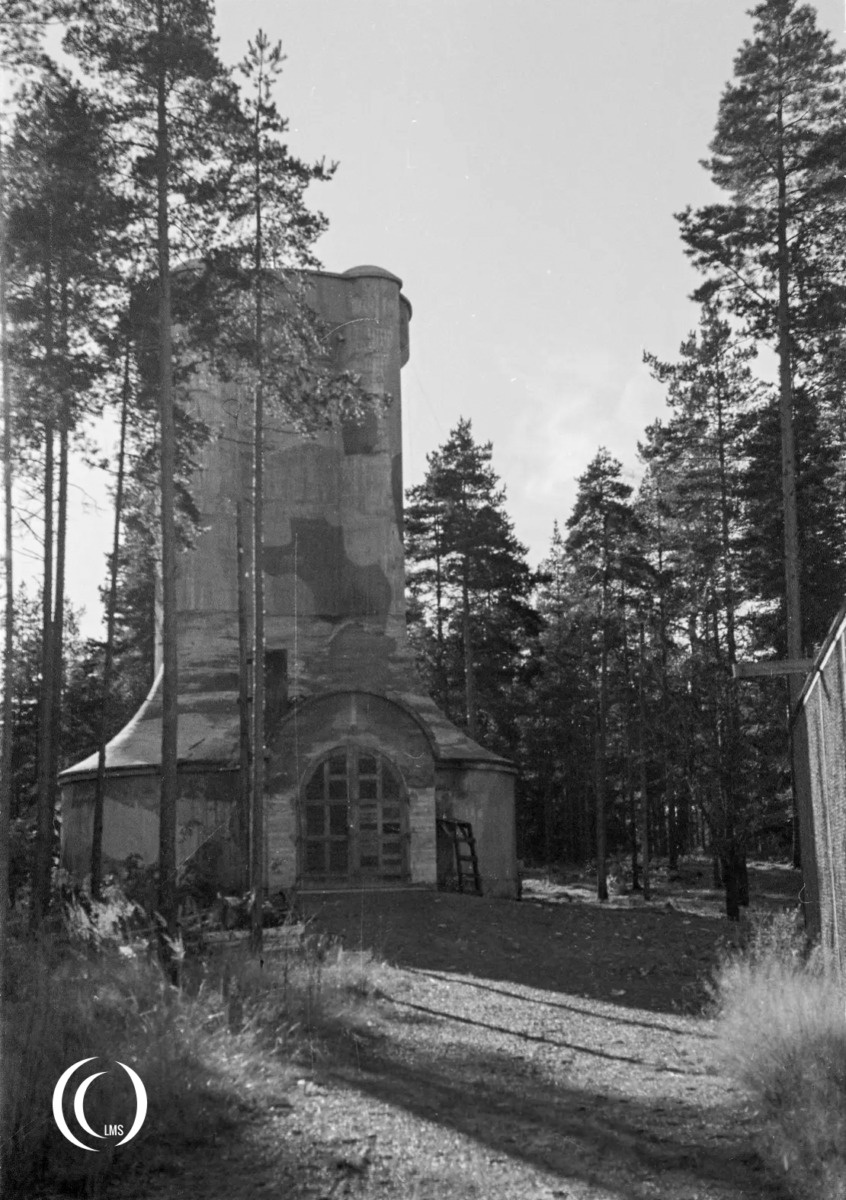
Post war
Today, the Rajamäki FlaK towers are rare surviving examples of Finland’s wartime industrial defences. Their stark concrete architecture stands in contrast to the surrounding woodland and offers a tangible connection to a period when Finnish industry was directly involved in national defence. Located near the Rajamäki Ryyppi factory and alcohol museum, the towers form part of the area’s wider industrial and military heritage.
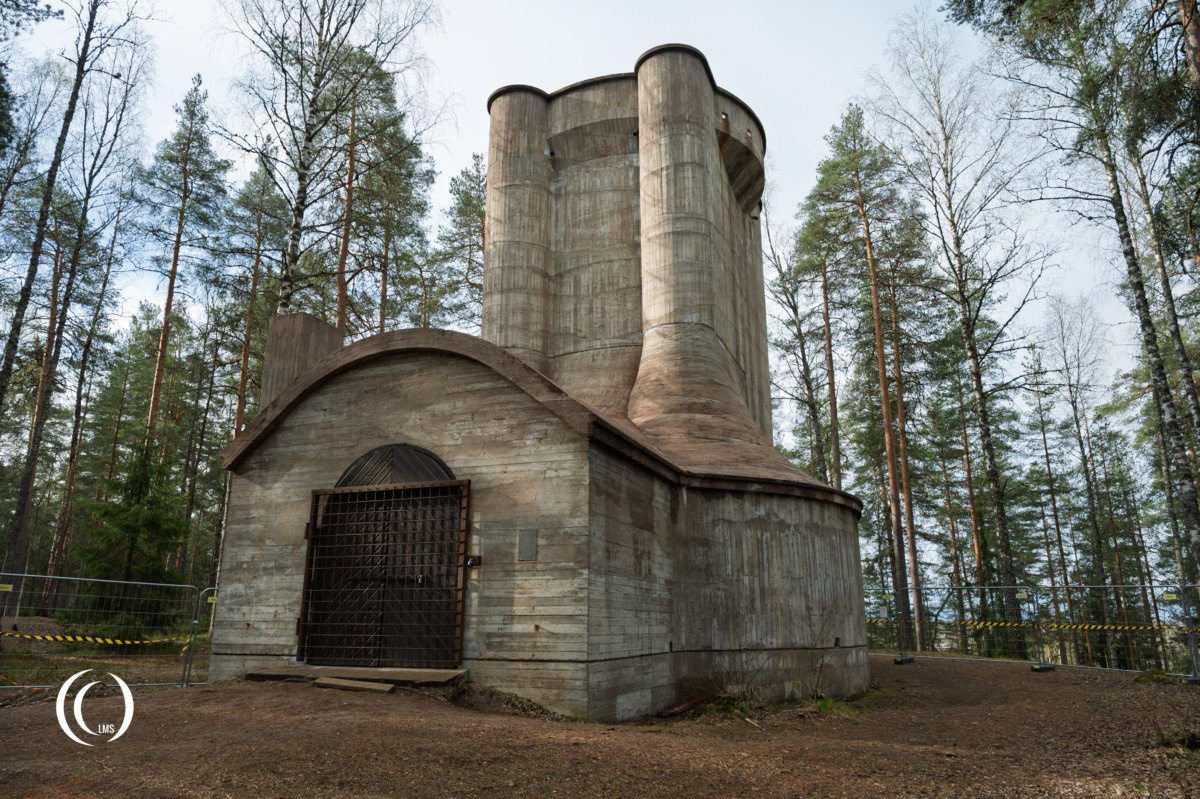
The structures are particularly significant because they illustrate how civilian industry adapted to the demands of total war. Rather than protecting a major city or military installation, these fortifications defended a factory whose products had become essential to Finland’s war effort.
Heritage site
The Rajamäki Flak Towers are nationally significant cultural heritage sites that stand as reminders of Finland’s wartime history. After decades of exposure to the elements, restoration work is now being carried out in phases to preserve the structures and prepare them for public access. Supported by the EU and local funding, the initiative aims to make the towers’ history accessible to future generations, with the visitor experience scheduled to open in summer 2027.
Visit
You can visit the Rajamäki towers freely as the woodland is publicly accessible. Keep in mind that there are restoration works being carried out that might restrict access.
Sources
- visitnurmijarvi.fi
- teollisuusperintoreitti.fi
- europeremembers.com
- liberationrout.com
- sa-kuva.fi
- wikipedia.com
