Boulogne-sur-Mer in German hands
Following the invasion of France in 1940, coastal towns and key ports were fortified against Allied attacks. Boulogne-sur-Mer was transformed into a heavily armed stronghold. In German terms, this meant establishing heavy defenses in and around the town, comprising heavy coastal batteries, anti-aircraft positions, multiple strongpoints equipped with anti-tank guns and machine guns, observation posts (with and without radar), anti-tank and anti-personnel minefields, and obstacles such as barbed-wire fences.
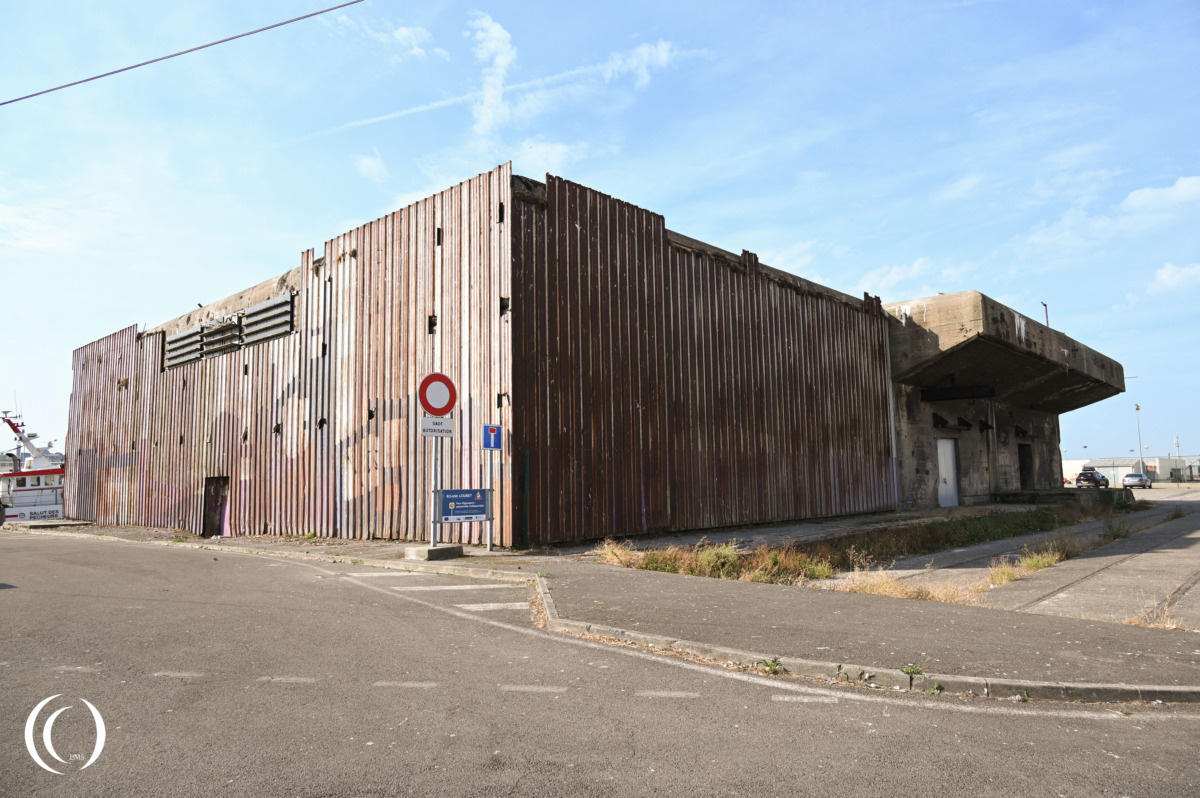
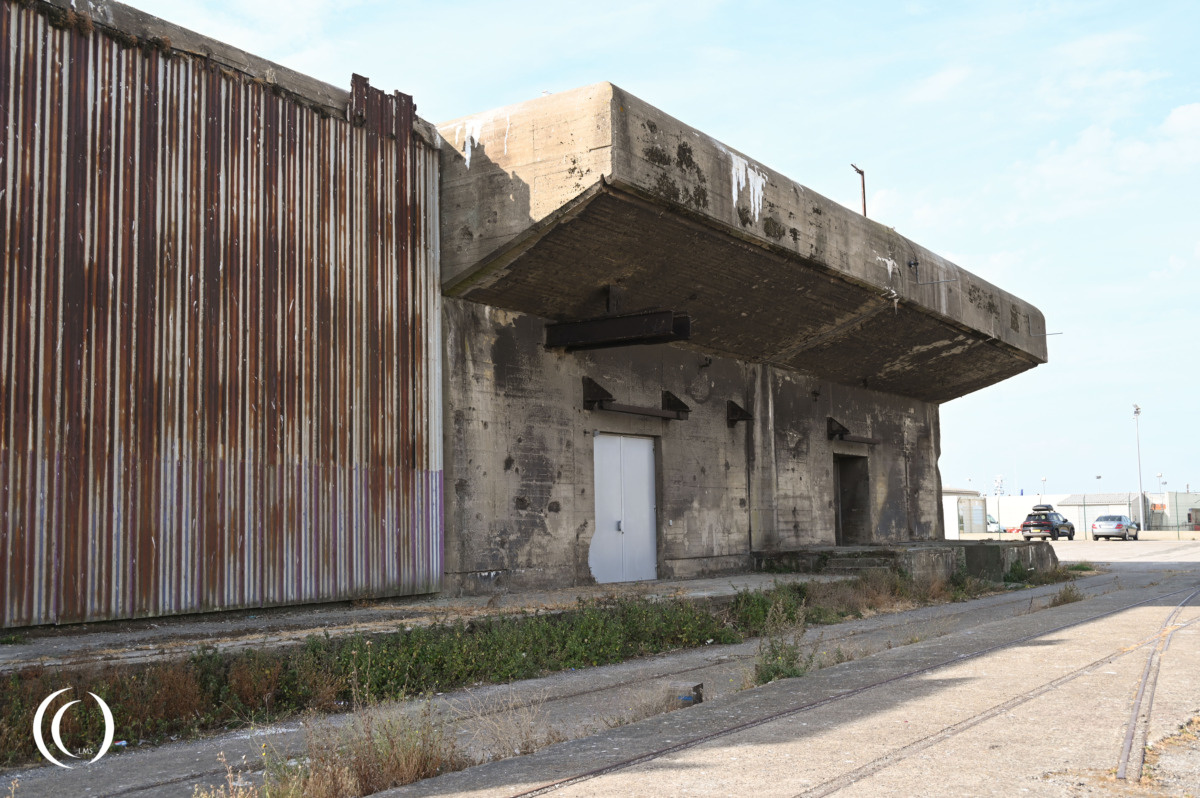
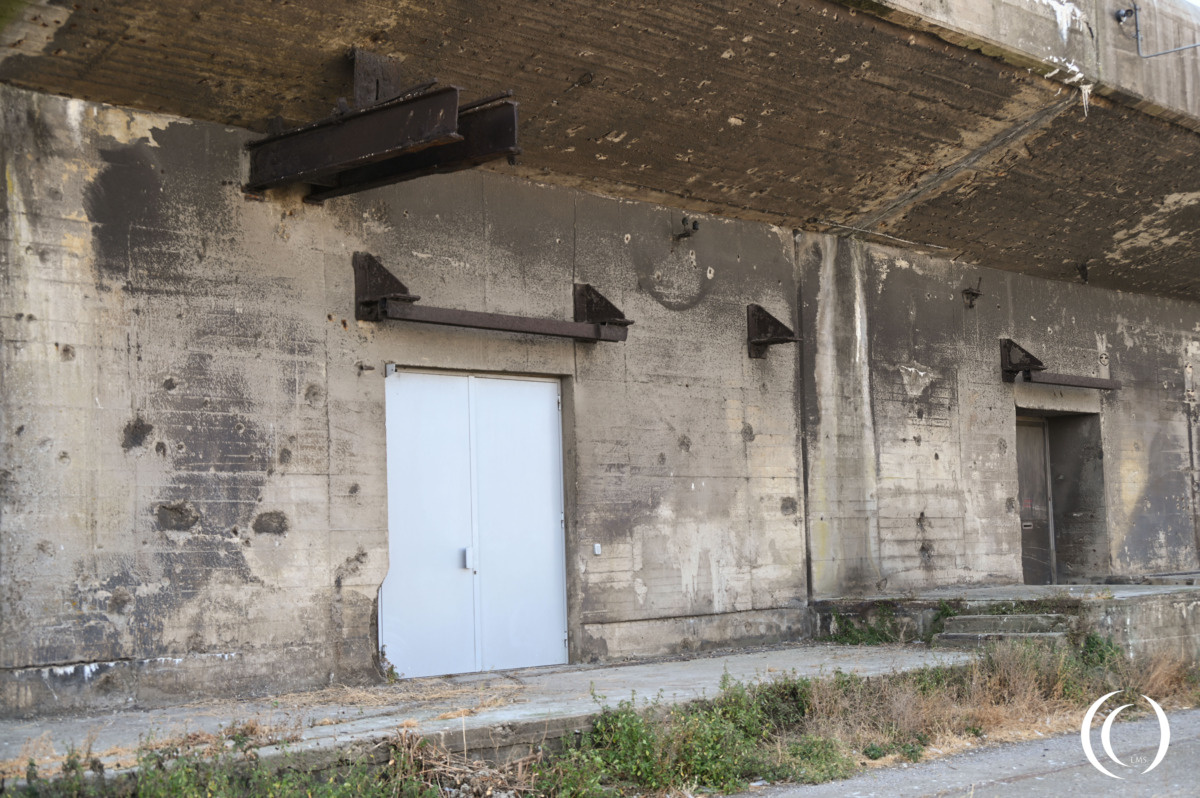
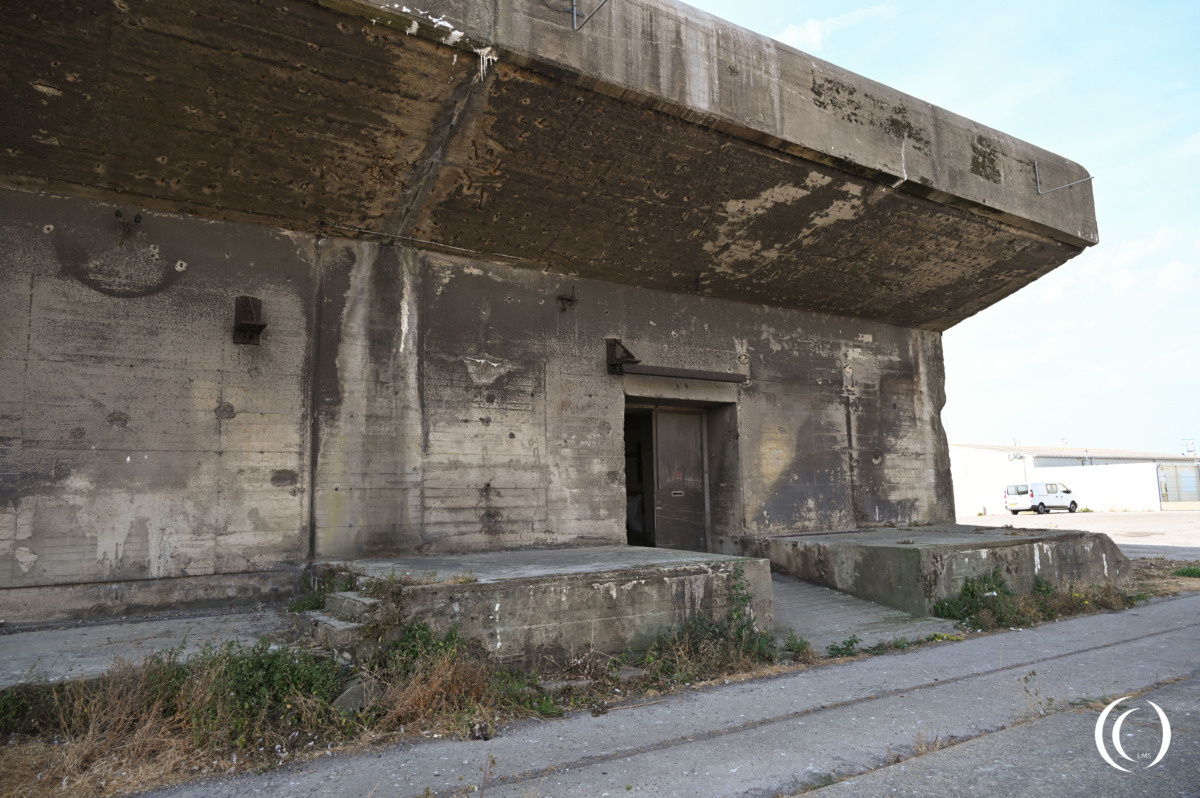
Boulogne was controlled by AOK 15, KVA C and was named Festung Boulogne, The Sk Torpedo bunker is part of Wn. 228 Schlüsselblume. The Schnellboot bunker housed 12 boats. The port of Boulogne was utilized by the Kriegsmarine, which constructed an S-boat base there. The *Schnellboote* were among the finest fast attack craft of the Second World War; with their speed and torpedoes, they posed a threat to the British Royal Navy in the English Channel. A large torpedo bunker was built directly next to the S-boat bunker to supply the fleet.
The S-Boot Bunker in Boulogne-sur-Mer
The S-Boot bunker in Boulogne-sur-Mer was an important German naval installation during the Second World War. Boulogne-sur-Mer, located on the northern coast of France, had a strategically important position on the English Channel. After the German occupation of France in 1940, the port became an important base for the German Kriegsmarine and was used by Schnellboot (abbr. S-Boats – designated E-Boat in English).
S-Boats were fast German torpedo boats designed for attacking Allied shipping. They could travel at high speed and were used for patrols, reconnaissance missions and attacks against Allied convoys. Because the boats were valuable military targets, the Germans constructed heavily reinforced bunkers and other defensive structures to protect them from Allied air attacks.
The bunker complex at Boulogne was part of a larger network of German coastal defences known as the Atlantic Wall. Facilities in the area included shelters for S-Boats, storage areas and bunkers for torpedoes and other military equipment. The installations were designed to allow the boats to be supplied, maintained and prepared for operations while providing protection from bombing.
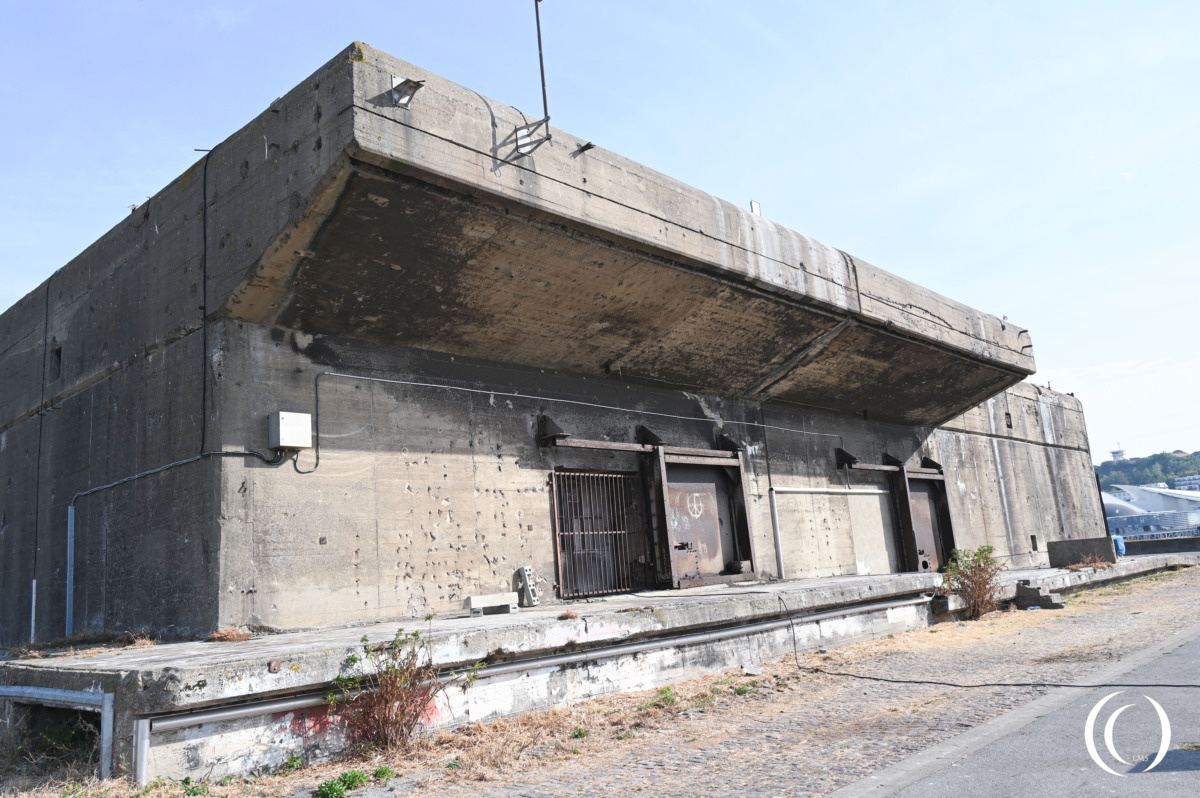
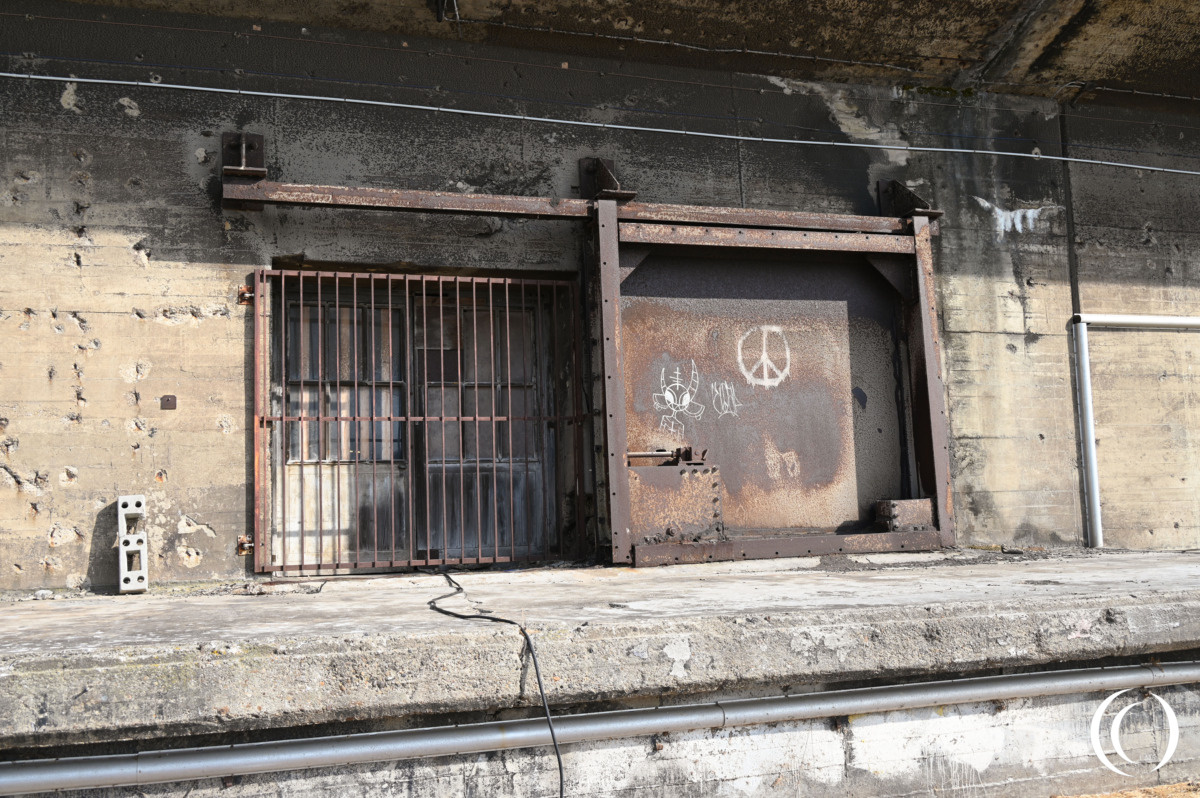
From 1944 onwards, Allied air forces increasingly attacked Boulogne and its harbour. The German military installations were heavily bombed, causing significant damage to the port and its surrounding infrastructure. During the Allied campaign in northern France, Boulogne also became the scene of intense fighting as Allied forces attempted to capture the important harbour.
Much of the original S-Boat bunker has disappeared or been heavily damaged over the years. However, several German bunkers and other remains can still be found around Boulogne-sur-Mer. These surviving structures provide evidence of the extensive military infrastructure that once existed along the French coast.
Today, the remains of the S-Boat installations are of historical interest because they illustrate the role of Boulogne as a German naval base and demonstrate the scale of the Atlantic Wall. They also provide a physical connection to the naval warfare that took place in the English Channel during the Second World War.
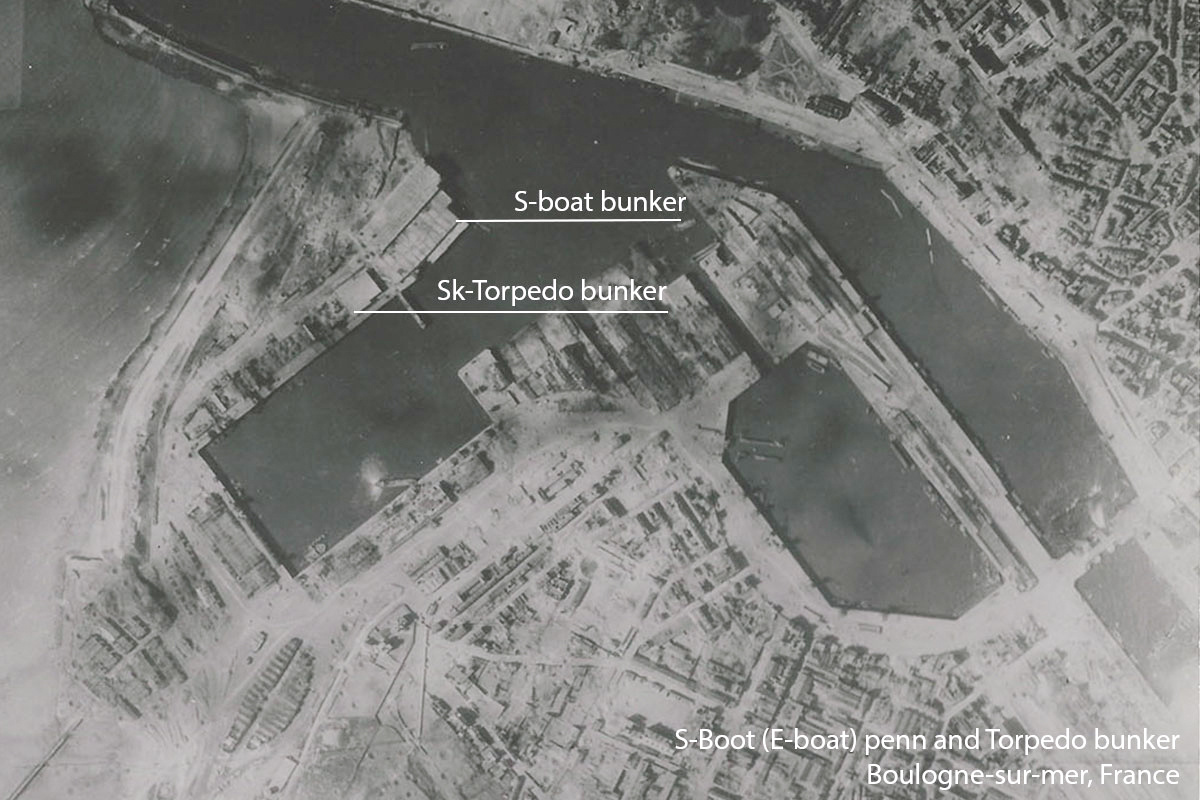
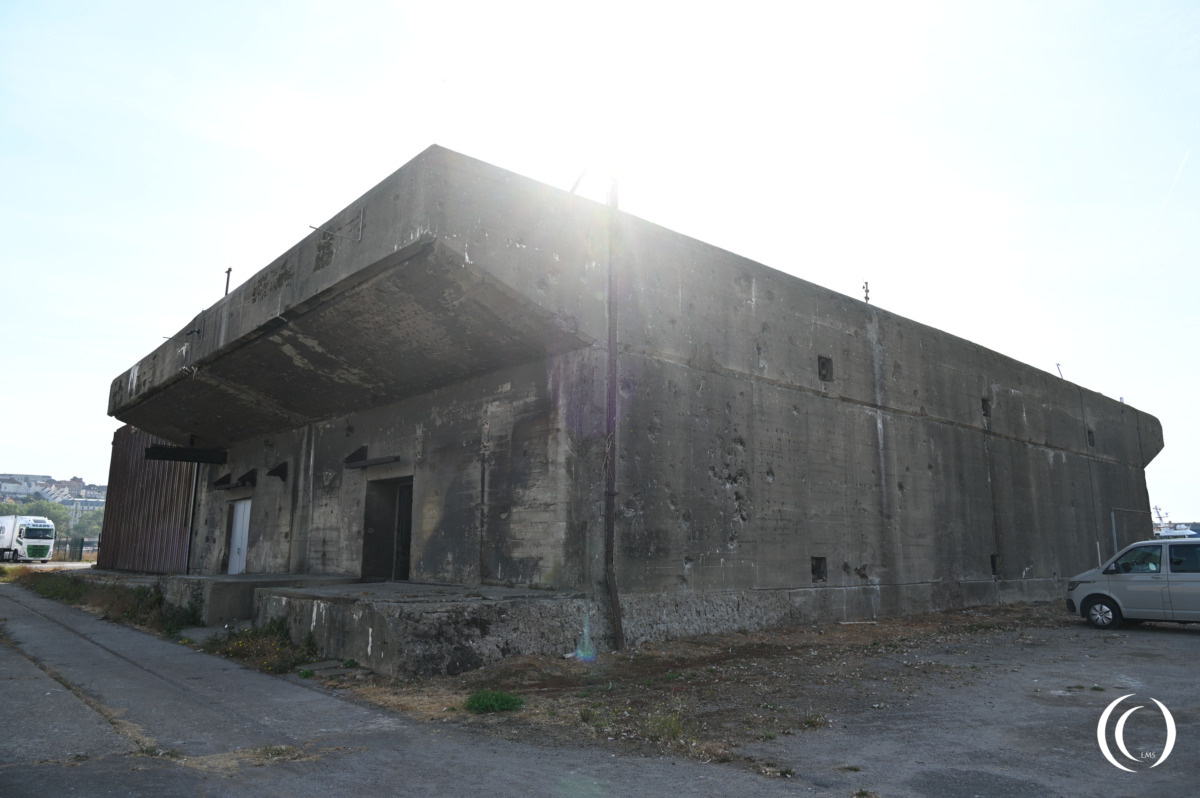
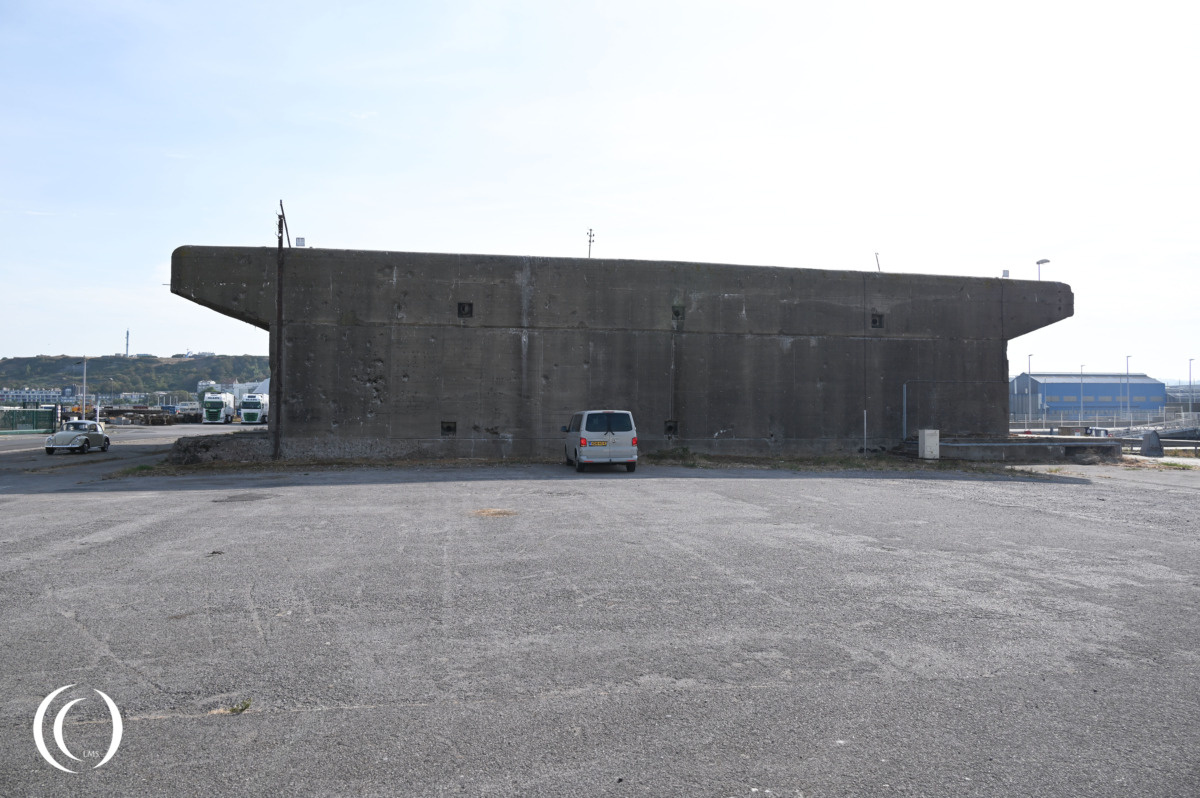
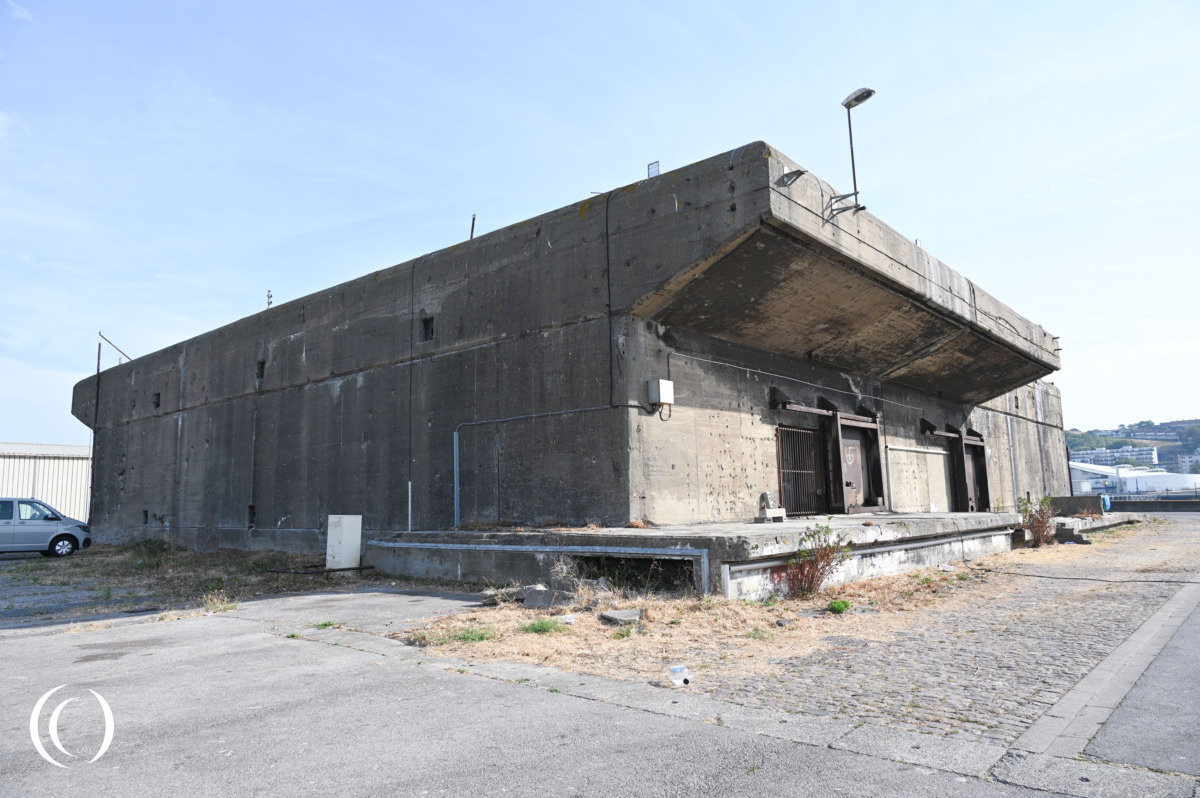
The Sk-Torpedo Bunker in Boulogne
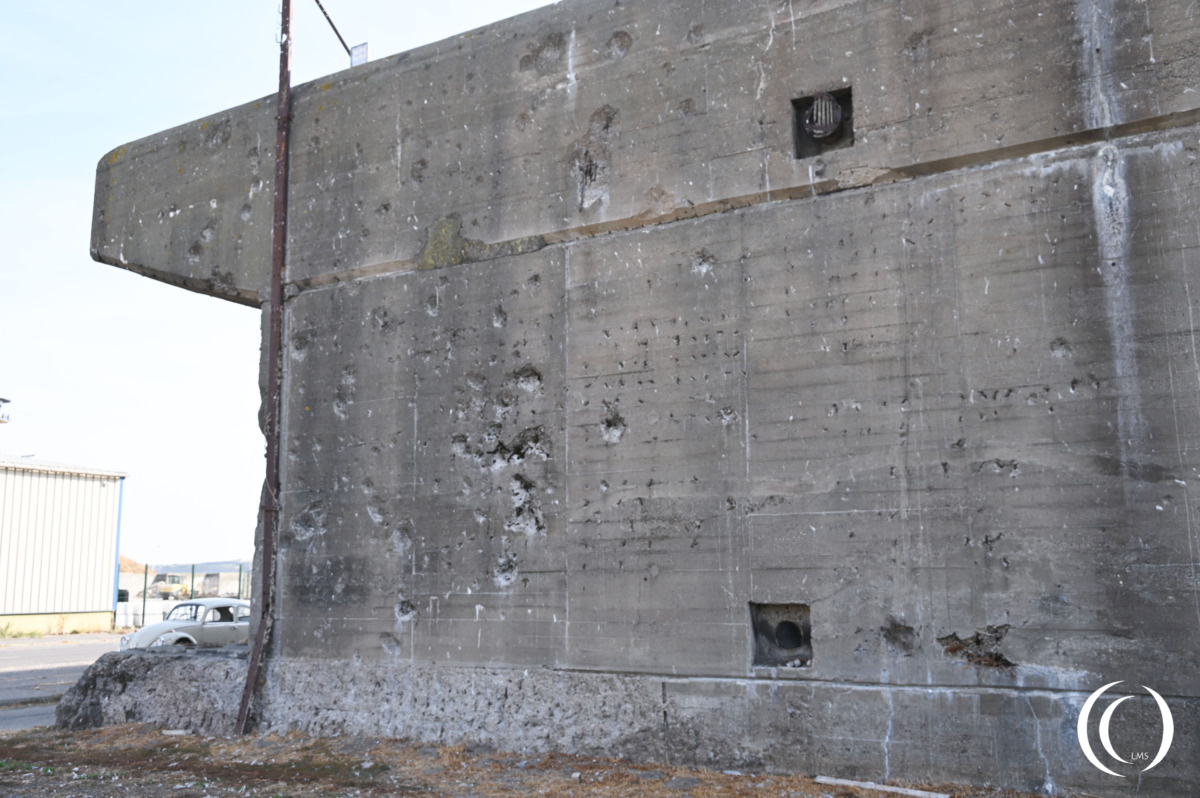
The torpedo bunker in Boulogne-sur-Mer was a German military installation built during the Second World War as part of the extensive Atlantic Wall. Located near the harbour, it was used to store and protect torpedoes and other equipment needed by German Schnellboote, or S-Boats and was part of Widerstandsnest 228 Schlüsselblume. “SK” stands for Sonderkonstruktion (special construction), meaning it was a custom-design.
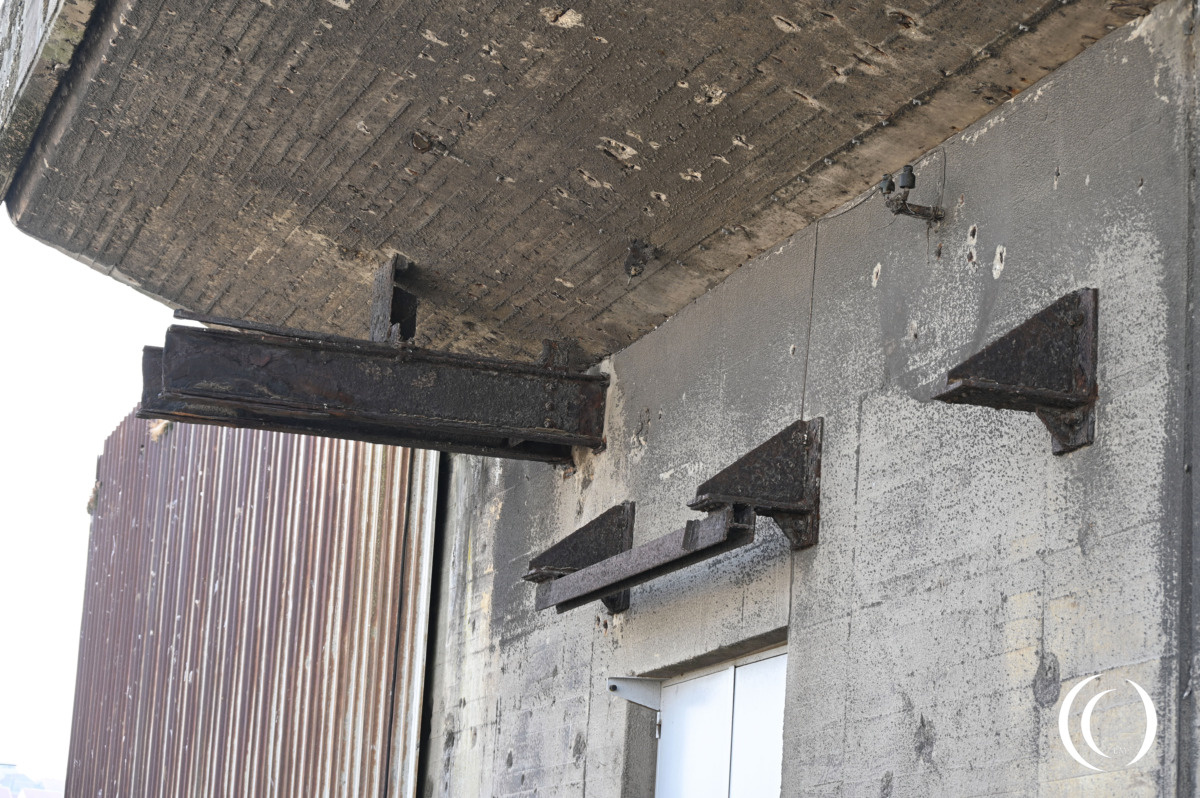
The bunker was heavily reinforced with thick concrete walls and a strong roof, designed to withstand Allied bombing. Its location close to the naval facilities allowed torpedoes to be stored safely and transported to the S-Boats when required for operations in the English Channel and the North Sea. Boulogne was strategically important because of its position opposite England. German naval forces operating from the port attacked Allied shipping and took part in patrol and reconnaissance missions.
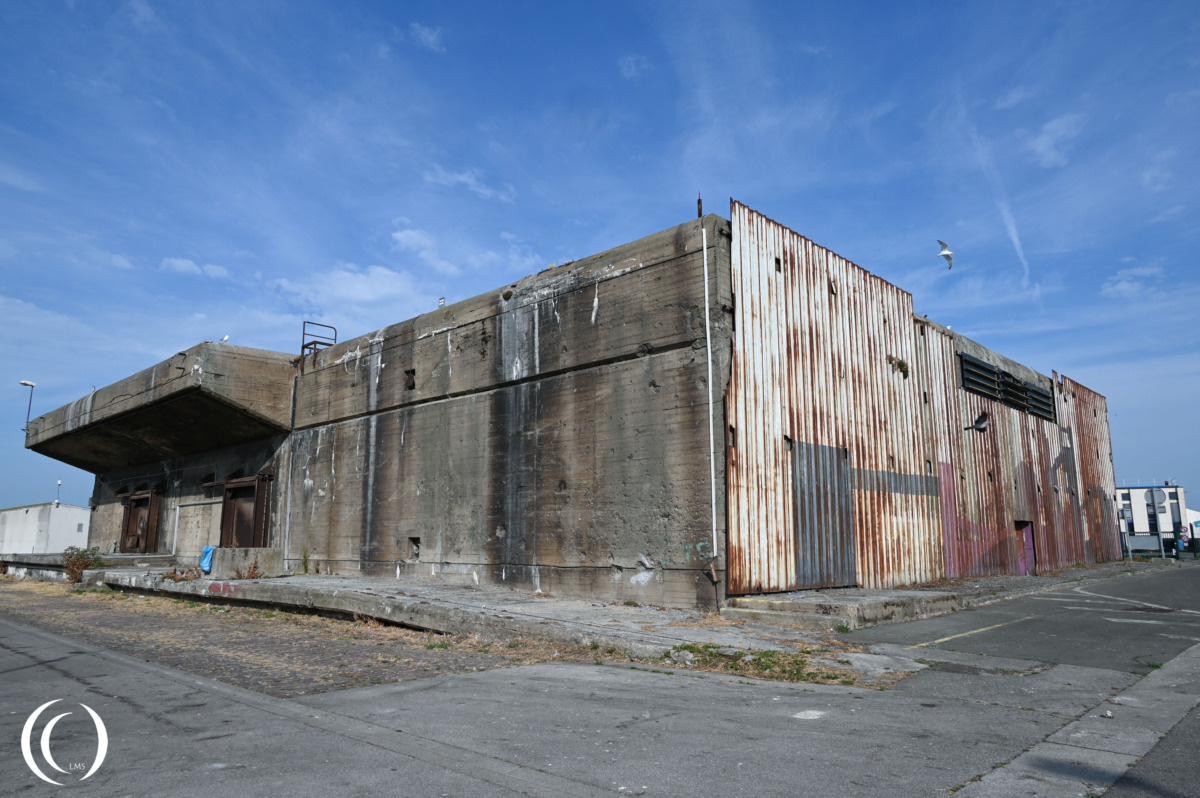
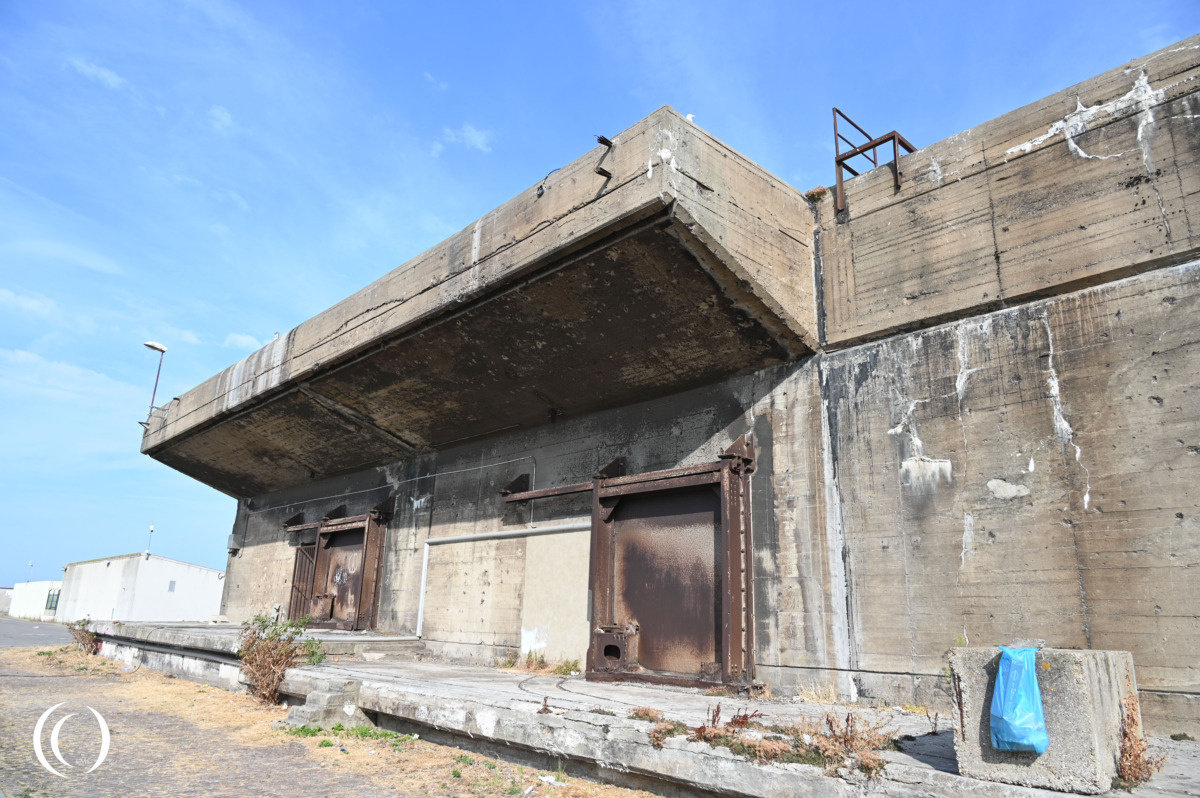
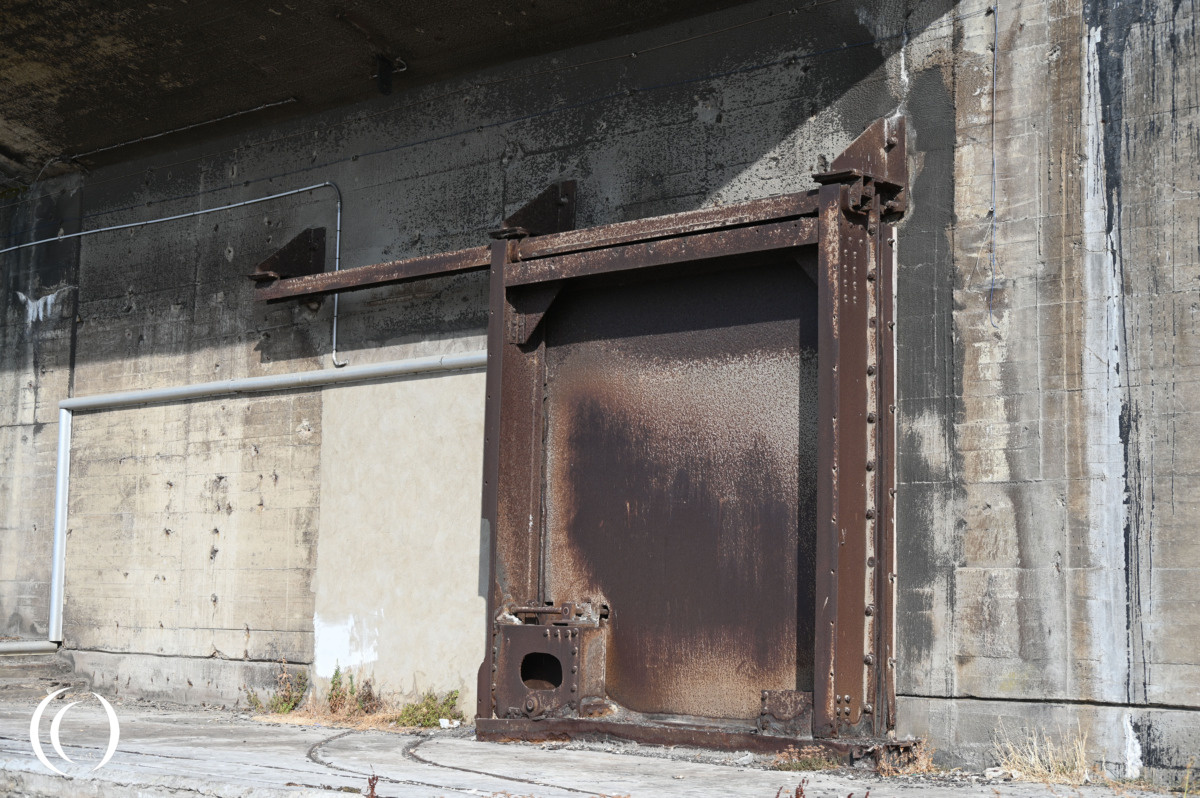
In 1944, Allied air attacks and fighting around Boulogne caused considerable damage to German military installations. The torpedo bunker survived and remains an important example of German wartime military construction. Today, it provides a physical reminder of Boulogne’s role in the naval warfare of the Second World War.
Operation Wellhit
Operation Wellhit was a major Allied military operation during the Second World War to capture the German-held port of Boulogne-sur-Mer in northern France. The battle took place between 17 and 22 September 1944, following the successful Allied landings in Normandy in June.
For the Allies Boulogne was strategically important, because its port could potentially support Allied armies advancing towards Germany. The German garrison, commanded by Generalleutnant Ferdinand Heim, had been ordered to defend the city as a fortress. Strong defensive positions included bunkers, minefields, artillery batteries and fortified buildings.
The operation was led by the Canadian 3rd Infantry Division under Major-General Daniel Spry. Canadian infantry units attacked German positions with support from British artillery, aircraft and specialised armoured vehicles from the 79th Armoured Division. Heavy fighting occurred around important positions such as Mont Lambert and Outreau. Allied forces gradually isolated and destroyed the German defensive positions.
On 22 September, after several days of fighting, General Heim surrendered the remaining German forces. Approximately 9,500 German soldiers were captured. Allied casualties were also significant. Although Operation Wellhit was an Allied victory, the Germans had heavily damaged Boulogne’s port before surrendering. Nevertheless, capturing the city removed an important German stronghold and helped secure the Channel coast as the Allies continued their advance across France towards Germany.
Operation Pluto and Operation Dumbo
How do you supply an entire army on the other side of the sea with the fuel needed to keep the tanks running? Well, simply lay a pipeline across the seabed from the United Kindom to France!
After the liberation of Boulogne the Allied had a new port to supply the armies with fuel. Operation PLUTO (Pipe-Lines Under The Ocean) and Operation DUMBO were important British logistical operations during the Second World War. Their purpose was to supply Allied forces with fuel after the D-Day landings in Normandy on 6 June 1944.
PLUTO involved laying pipelines beneath the English Channel to transport petrol from Britain to France. Engineers developed special pipelines that could withstand the difficult conditions of the sea. The first route ran from the Isle of Wight to Cherbourg, while a second route later connected Dungeness in Kent with Boulogne in France.
DUMBO was the code name for the land-based system that connected PLUTO pipelines with fuel storage and distribution facilities in France and Belgium. It helped move fuel from the pipelines to Allied armies as they advanced across Western Europe.
Together, PLUTO and DUMBO demonstrated the importance of logistics in modern warfare. Although PLUTO experienced technical problems and delivered less fuel than originally expected, both operations helped support the Allied advance towards Germany.
Visit
Sources:
- S-boot.net
- International Bomber Comand Centre (ibccdigitalarchive.lincoln.ac.uk)
- Rudi Rolf – Atlantic Wall
- Bunkerpictures
- Wikipedia
- Battlefieldsww2.com
