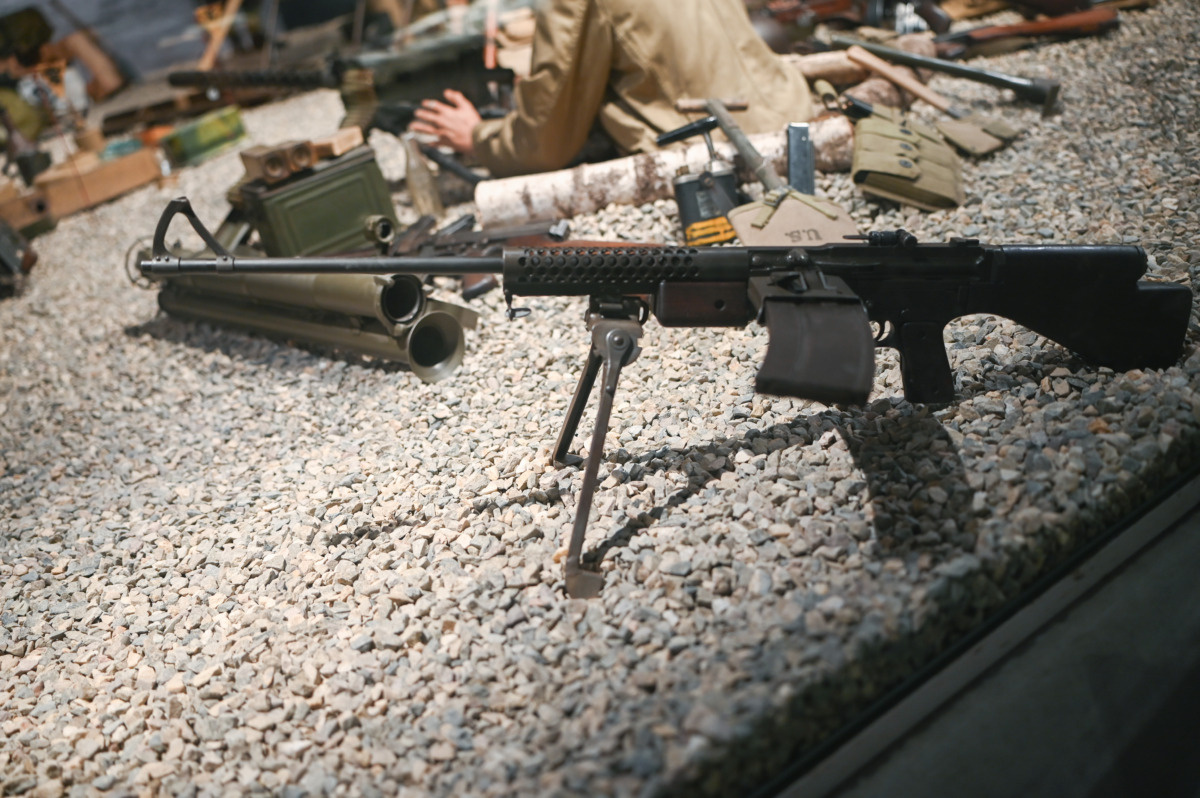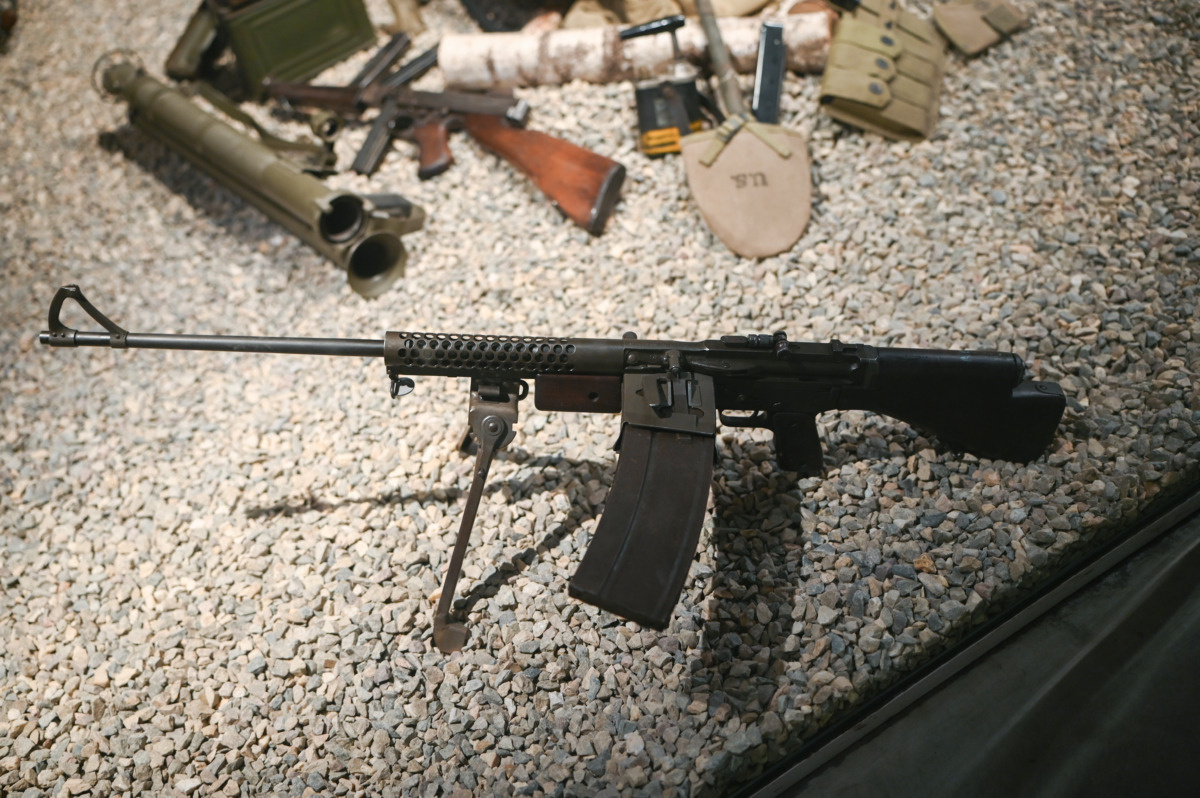
The M1941 Johnson Light Machine Gun (LMG) was an American automatic weapon designed by Melvin M. Johnson Jr. during the early years of World War II. Developed alongside the Johnson M1941 rifle, it was intended to provide a lightweight, reliable alternative to the Browning Automatic Rifle (BAR). Although it was never officially adopted as the standard U.S. military light machine gun, it earned a reputation for accuracy, portability, and innovative engineering.
Melvin Maynard Johnson Jr. was born on August 6, 1909 and died January 9, 1965. He was an American designer of firearms, lawyer, and United States Marine Corps officer and rose to the rank of Colonel. Johnson used common parts used in United States weapons. He successfully tested both a semi-automatic rifle and a prototype light machine gun in 1937. Both these guns used the principle of short recoil with a multi-lug rotating bolt. This was not new, it was first used on the Fosbery Pump Shotgun. Using parts of other guns, trying them, testing them he created the M1941 light machine gun.
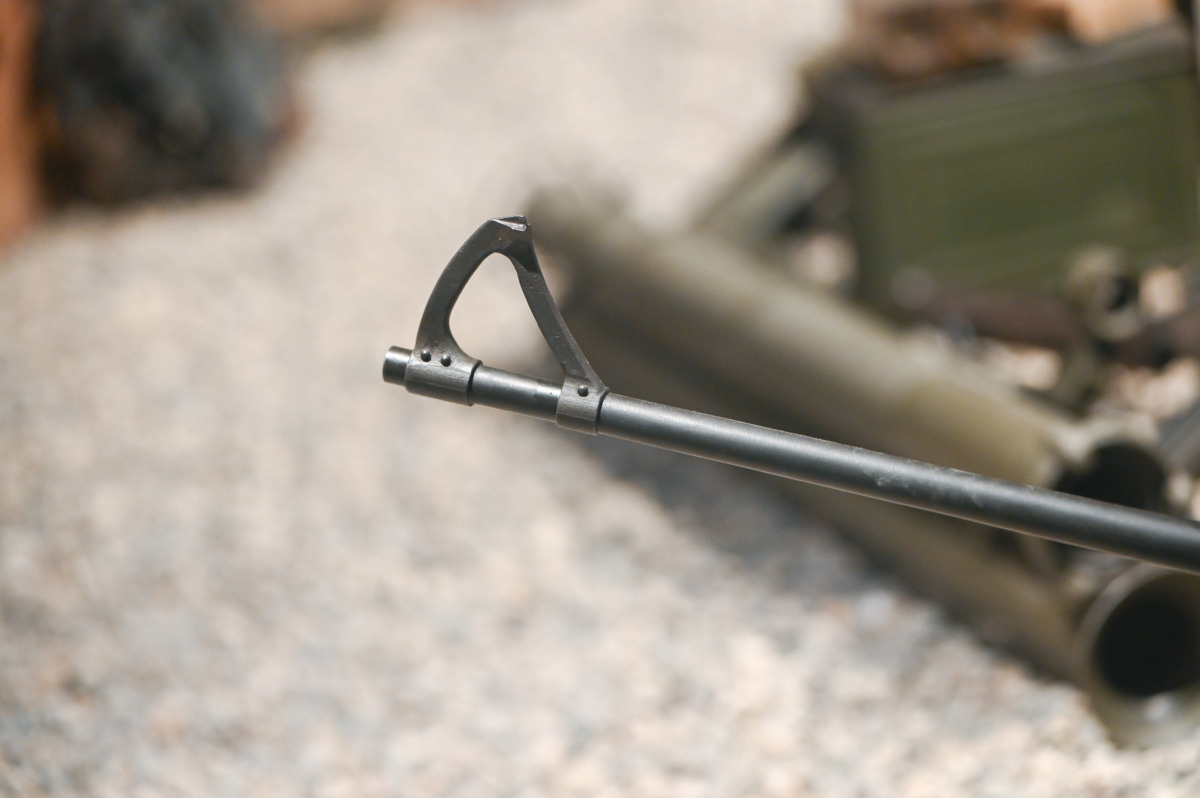
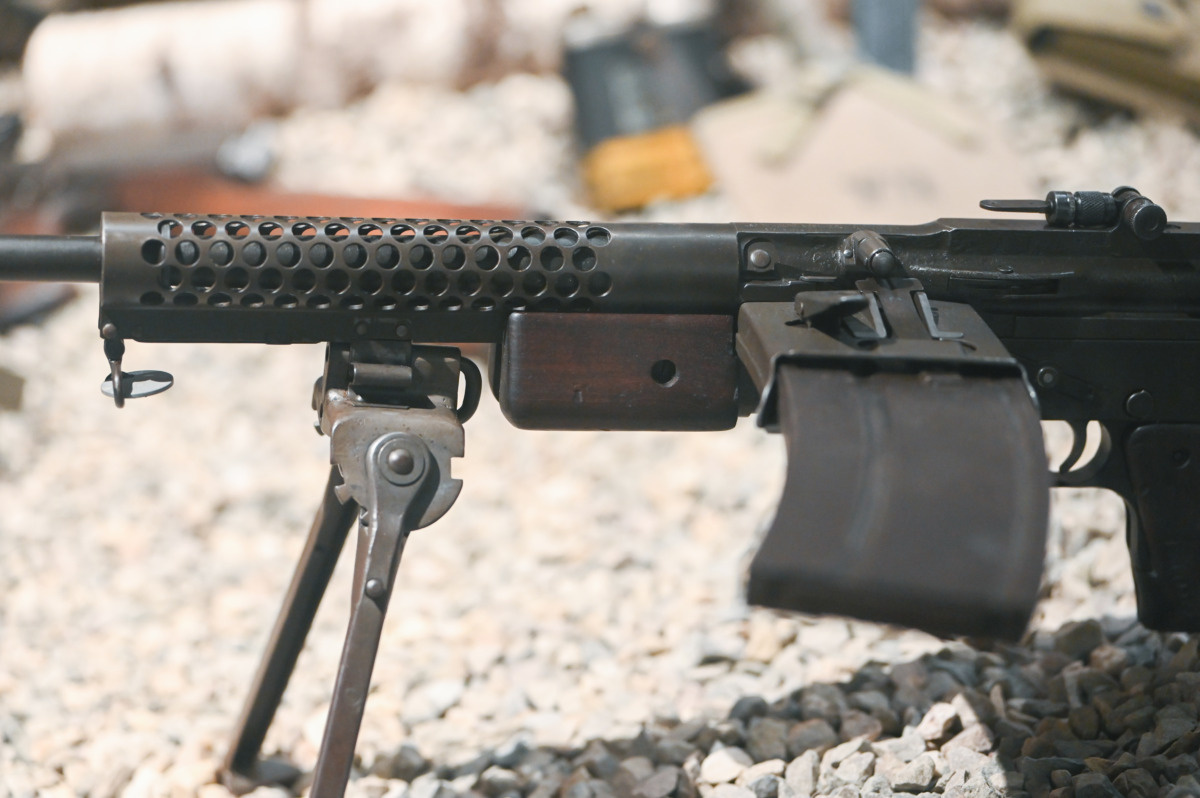
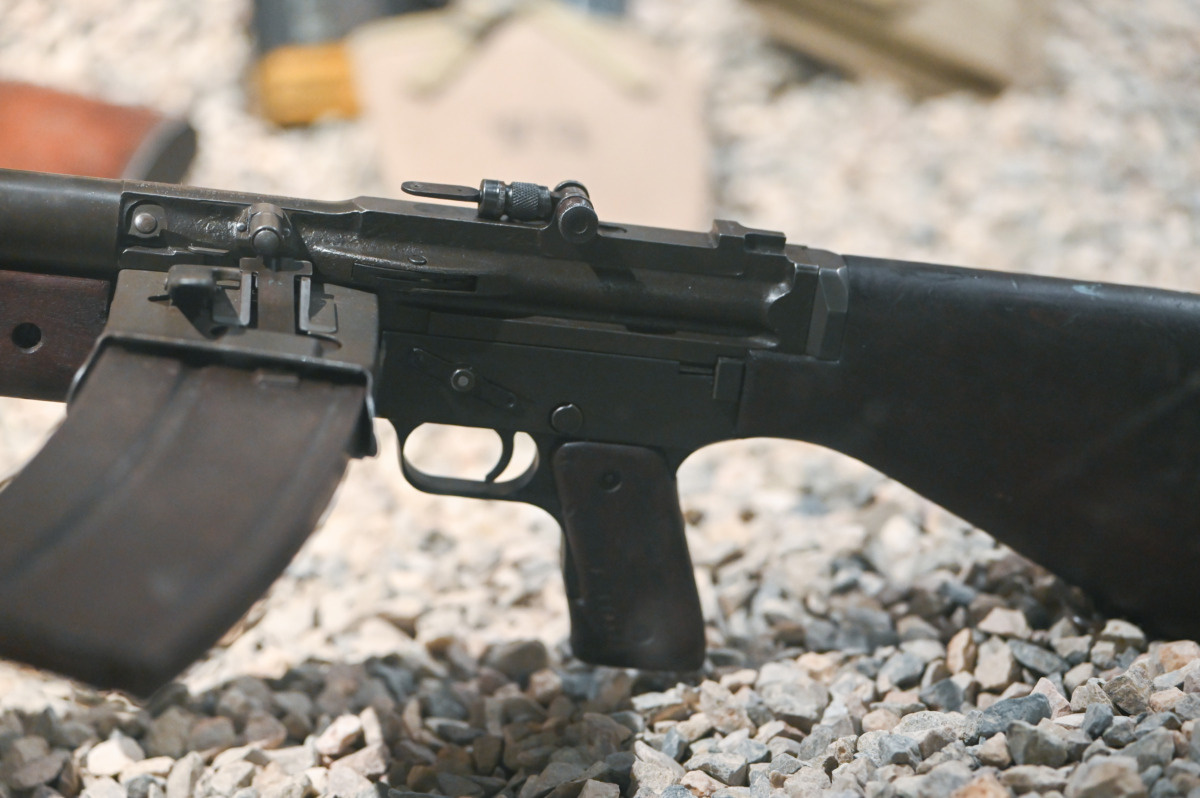
The Johnson LMG fired the .30-06 Springfield cartridge and operated using a short-recoil action, unlike the gas-operated BAR. It featured a quick-change barrel, allowing soldiers to replace an overheated barrel in combat more rapidly. The weapon fed from a 20-round side-mounted box magazine, which could be topped up without removing it from the gun. This design allowed continuous reloading during firefights and reduced interruptions in firing.
Weighing approximately 13 pounds (5.9 kg), the M1941 Johnson LMG was lighter than many contemporary machine guns. It had a cyclic rate of fire of around 200 to 600 rounds per minute, depending on the configuration. Its built-in bipod improved stability and made it effective in the light machine gun role. The side-mounted magazine also allowed the gun to maintain a lower profile when fired from the prone position.
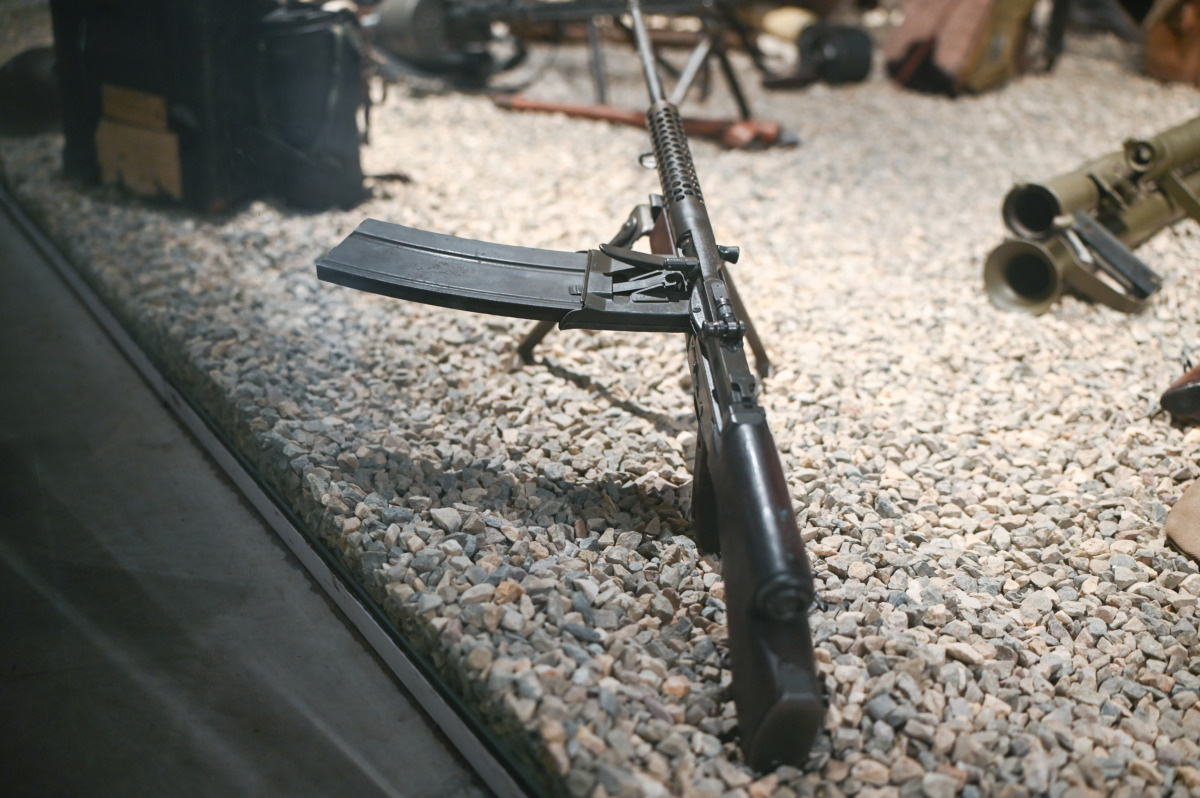
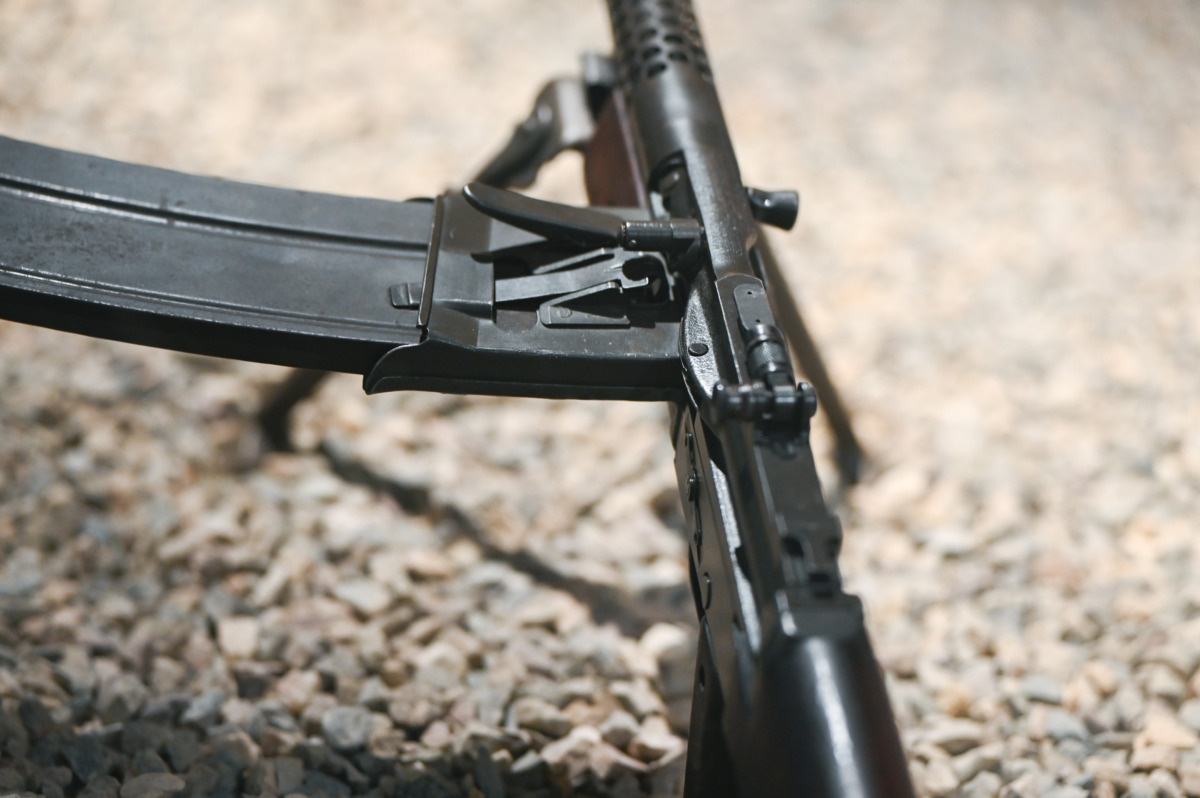
Although the U.S. Army chose to retain the BAR as its standard automatic weapon, the Johnson LMG saw limited service with specialized American units, including elements of the First Special Service Force, as well as Dutch forces in the East Indies and some Allied troops. Users generally praised its accuracy, manageable recoil, and ease of handling, though its recoil-operated mechanism could be more sensitive to dirt and rough handling than gas-operated designs.
Technical specifications
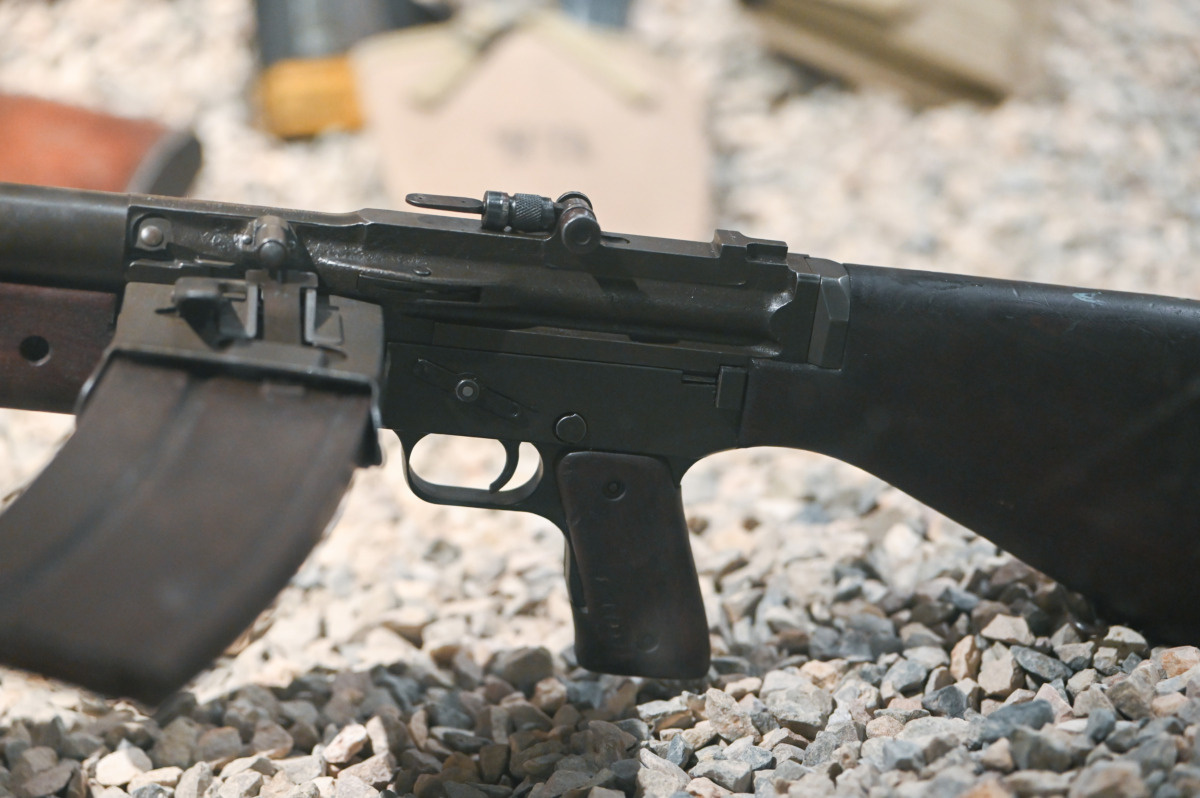
The M1941 Johnson Light Machine Gun was designed in 1940 and was produced from 1940 until 1945 with 9500 units built. There are two versions, the M1941 with a wooden stock and metal bipod, and the M1944 with a wooden monopod and steel tubular butt. The last variant was the T48, a belt fed variant. The M1941 weighed 13lb – 5.9 kg, was 42 inch – 1.1 meters long with a barrel length of 22 inc – 560 mm. It used a cartridge .30-06 Springfield rounds and had a short recoil. The rounds were stored in a 20-round detachable box magazine and were placed in a single stack-column. The M1914 had a maximum rate of fire between 450-600 rpm and the 1944 version had 600 – 700 rpm. Its muzzle velocity of 2800 ft/s – 850 m/s.