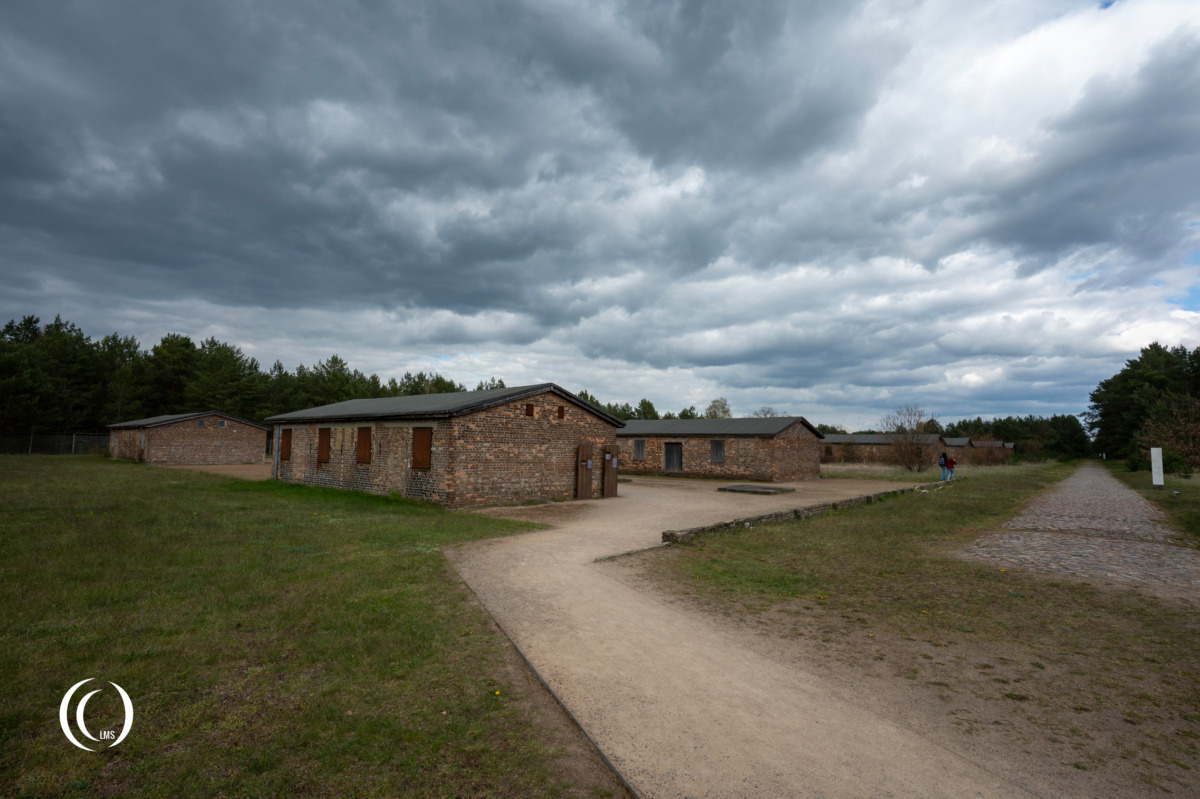
After the end of the Second World War, the former Nazi concentration camp of Sachsenhausen, located near Oranienburg, Germany, entered another tragic chapter of its history. In August 1945, the Soviet secret police, the NKVD, established Soviet Special Camp No. 7 on the site. The camp had previously been located in the village of Weesow and was transferred to Sachsenhausen only a few months after the liberation of the Nazi concentration camp. In 1948, the camp was redesignated as Soviet Special Camp No. 1.
Denazification
The Soviet special camps were established as part of the Allied policy of denazification and were intended to detain people associated with the former Nazi regime. Sachsenhausen, however, soon became much more than a camp for the internment of former National Socialists. During its existence from 1945 until 1950, approximately 60,000 people were imprisoned there, making it the largest of the Soviet special camps in the Soviet Occupation Zone.
The prisoners represented a wide range of backgrounds. The largest group consisted of former Nazi Party members and lower- and middle-ranking officials of the Nazi state. Members of the SS, Gestapo personnel, concentration camp guards, civil servants and other people associated with the Nazi administration were also held. However, not everyone imprisoned in Sachsenhausen was a confirmed war criminal or Nazi official. Political opponents of the Soviet occupation authorities and people who had been arrested arbitrarily were also among the prisoners. Many detainees were held for years without a formal court judgment.
Soviet Military Tribunals
Another large group consisted of people convicted by Soviet Military Tribunals. These prisoners were held separately from the ordinary internees and were often sentenced to long periods of imprisonment after harsh interrogations and proceedings that frequently failed to meet the standards of a fair trial. Sachsenhausen also held thousands of German Wehrmacht officers and more than 7,000 Soviet citizens and Russian émigrés, including former Soviet prisoners of war and forced labourers.
Schweigelager
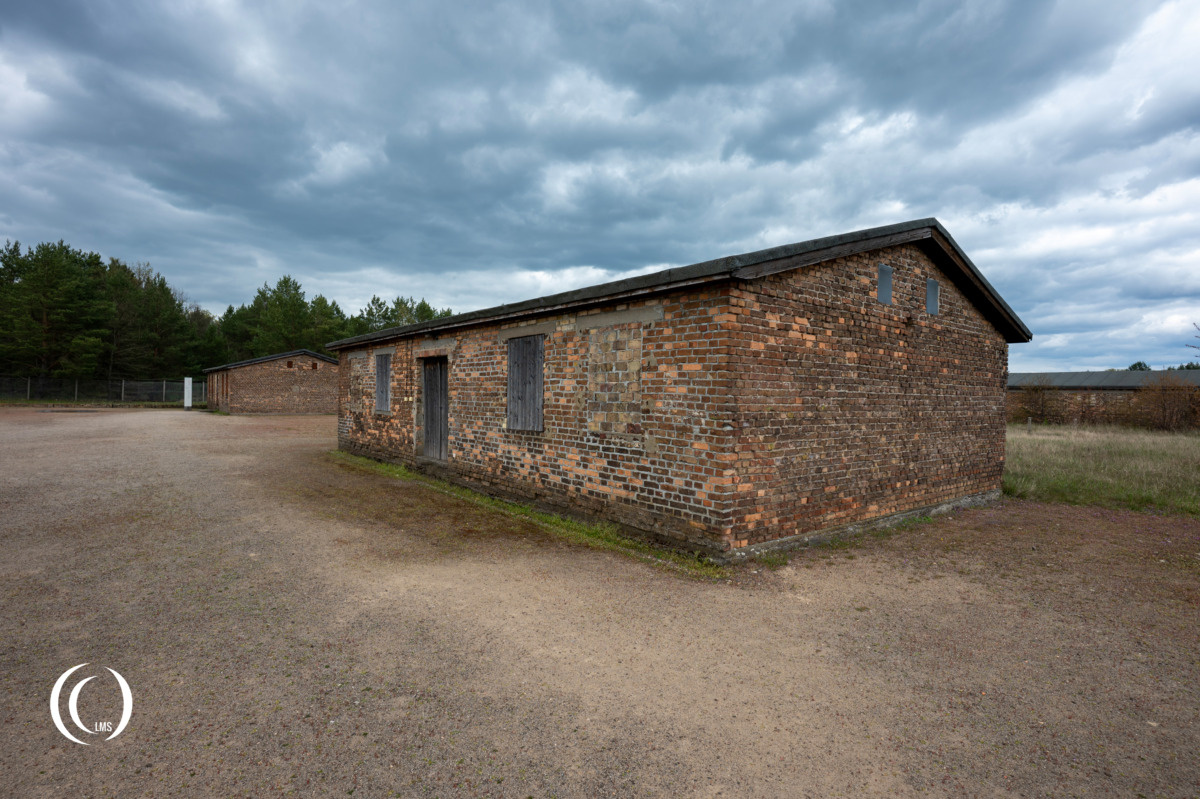
Life in the camp was extremely harsh. Although the former concentration camp buildings provided more substantial accommodation than the temporary prisons from which many inmates had come, the barracks were overcrowded and poorly equipped. Prisoners suffered from inadequate food, poor hygiene, a lack of medical supplies, insufficient clothing and a shortage of heating fuel. Disease and epidemics spread through the camp, while hunger and malnutrition became increasingly severe. The winter of 1946–1947 was particularly catastrophic, and the death rate reached its peak in 1947. The prisoners were largely isolated from the outside world, giving the Soviet special camps the name Schweigelager, or “silence camps.” Unlike the Nazi concentration camp that had previously occupied the site, the Soviet Special Camp was generally not organised as a system of forced labour, and many prisoners suffered from isolation, inactivity and uncertainty about their future.
Mass graves
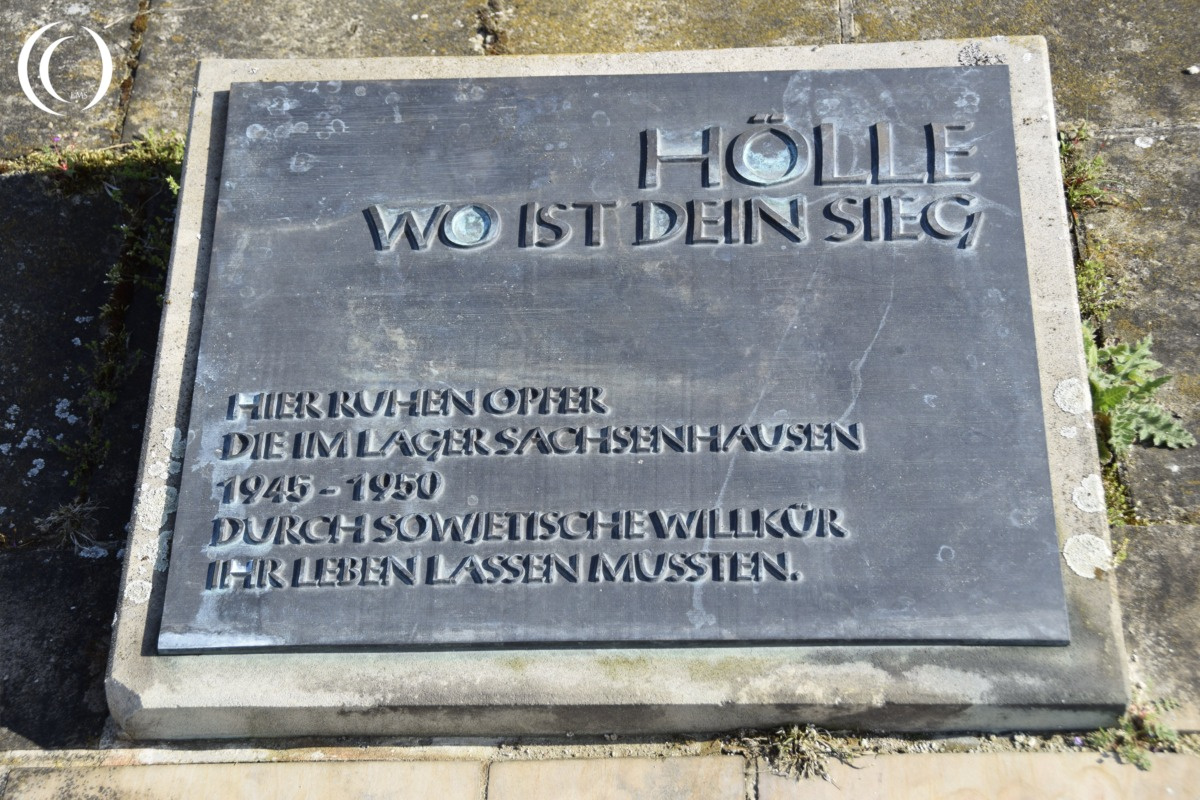
Between 1945 and 1950, approximately 12,000 people died in the Sachsenhausen Special Camp as a result of hunger and disease. The dead were buried anonymously in mass graves in several locations around the former camp. These burial sites were largely concealed during the existence of East Germany and were later developed into memorial cemeteries after German reunification. The Sachsenhausen Memorial has documented the names of 11,890 people who died in the Soviet Special Camp at Weesow and Sachsenhausen.
Closure
The camp was closed in the spring of 1950. Thousands of prisoners were released, but many others were handed over to the authorities of the newly established German Democratic Republic. Some prisoners who had not previously been convicted were transferred to Waldheim prison, where they faced further trials and imprisonment.
Sachsenhausen Memorial
Today, Sachsenhausen Memorial commemorates both major periods of persecution associated with the site: its use as a Nazi concentration camp between 1936 and 1945 and its subsequent use as a Soviet Special Camp between 1945 and 1950. The history of Soviet Special Camp No. 7 / No. 1 illustrates the complex and tragic post-war history of Germany, in which a site of Nazi terror became, only months after liberation, a place of renewed imprisonment, suffering and death.
Visit
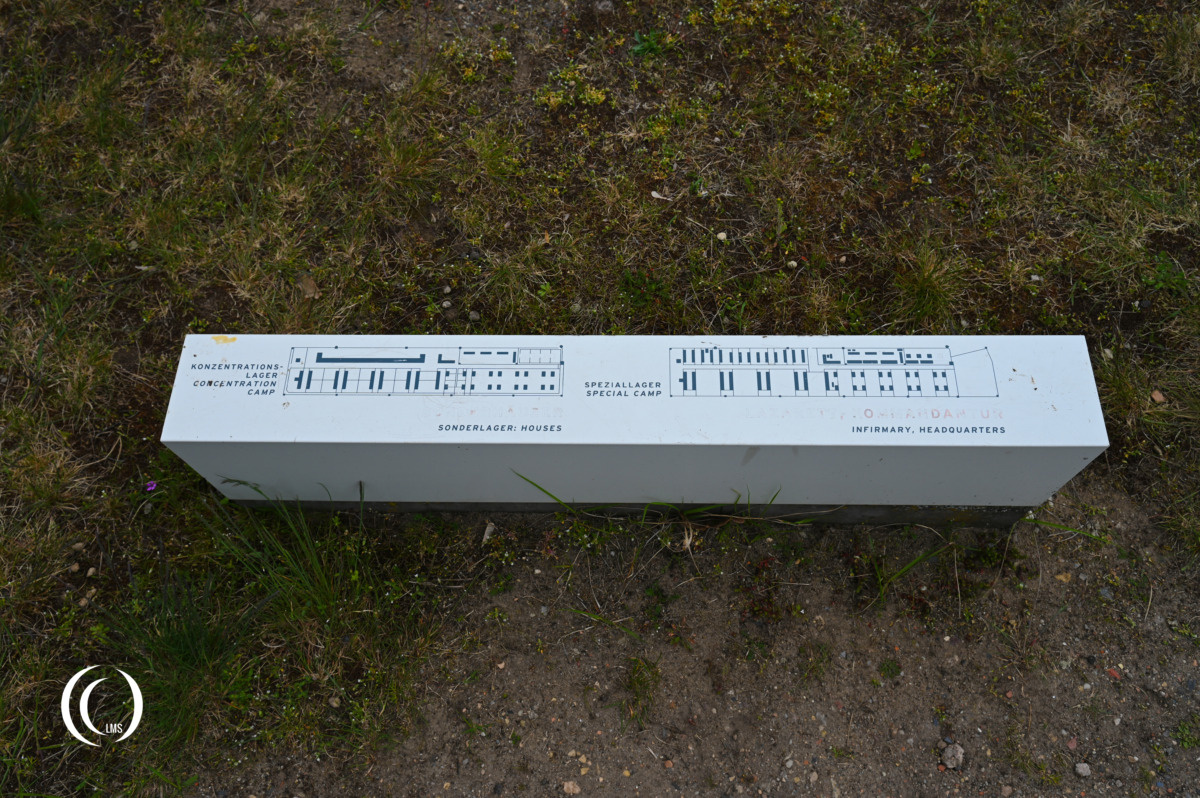
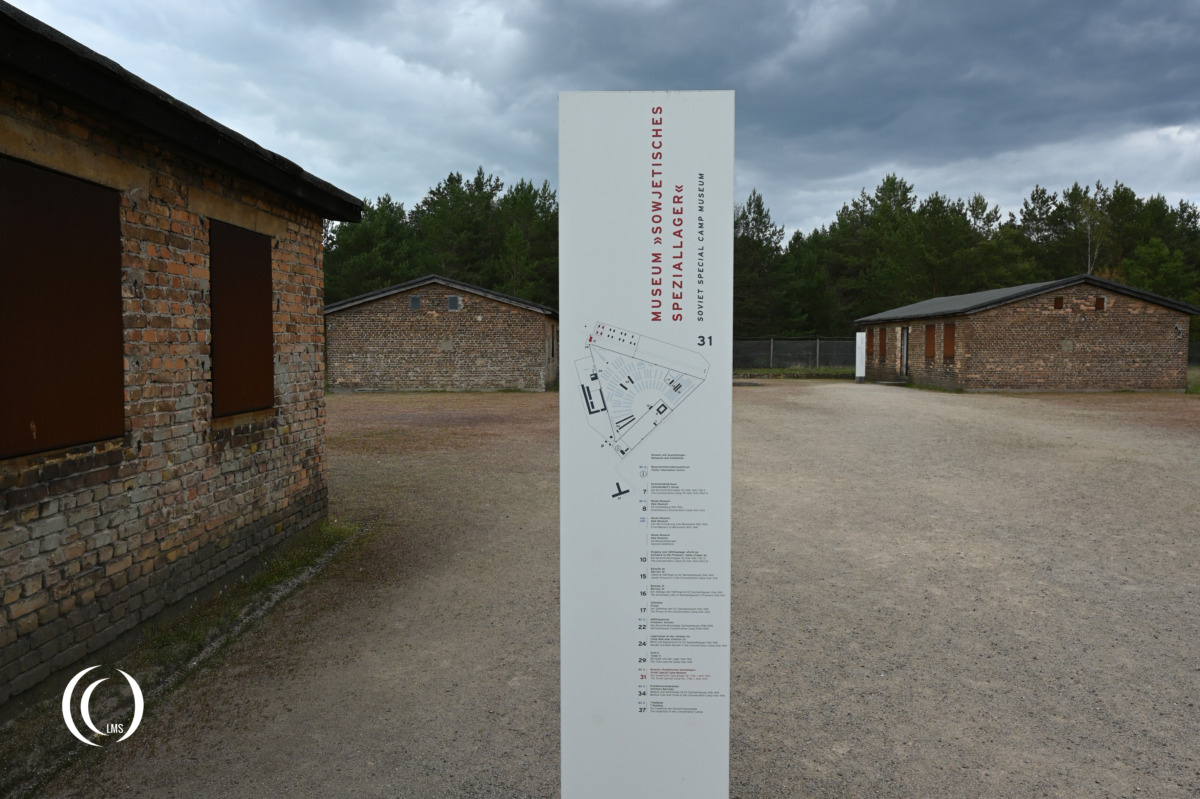
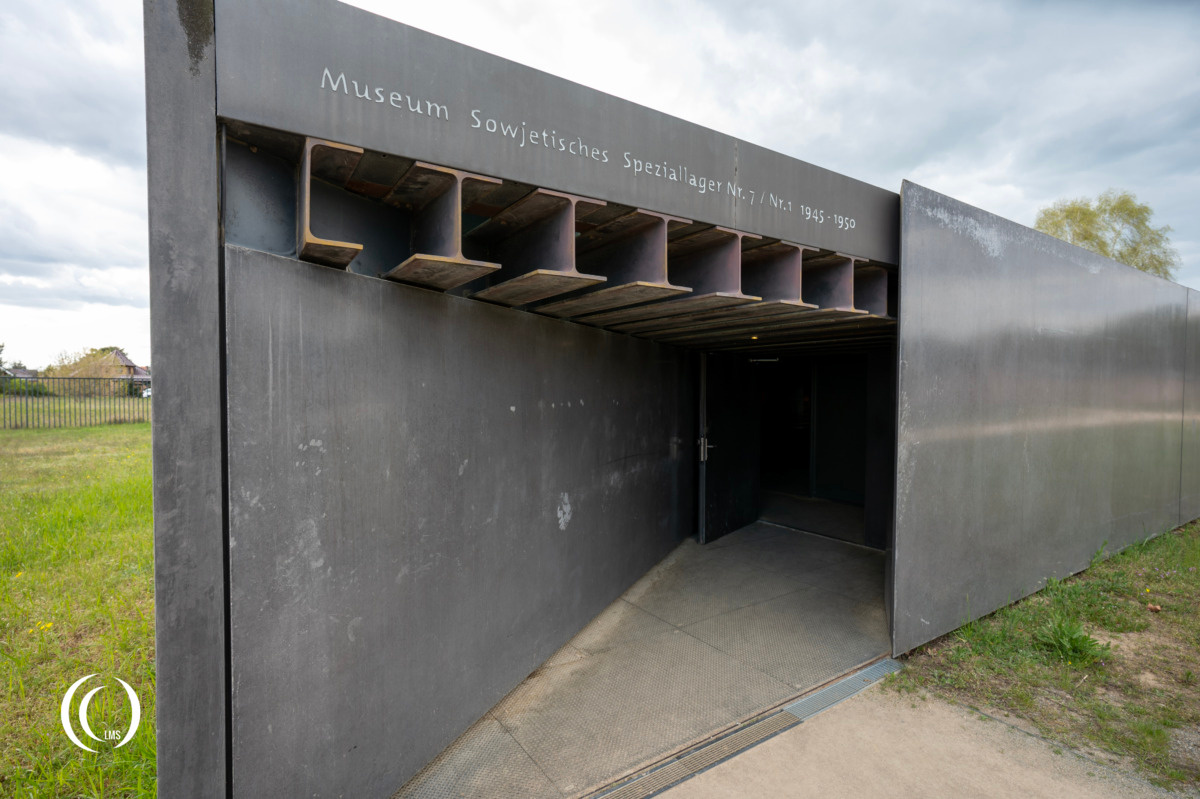
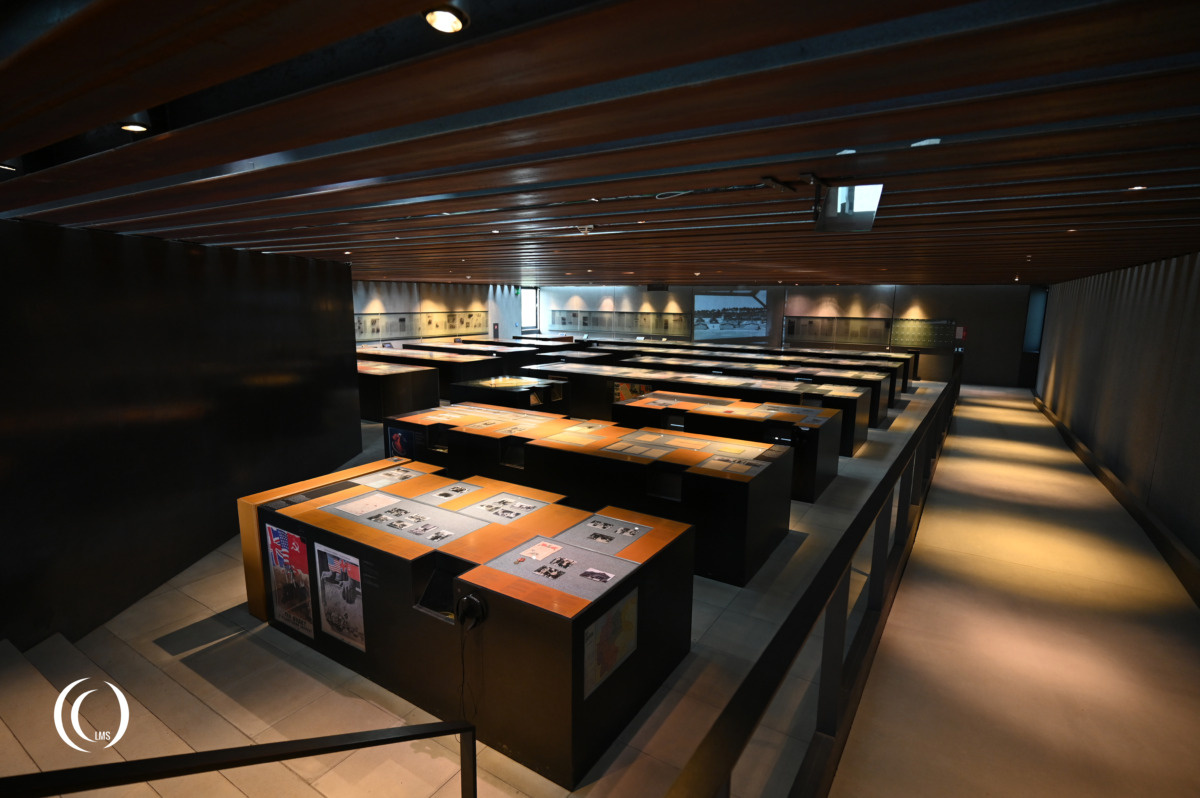
You can visit the museum within the former Sachsenhausen Concentration Camp grounds. At the site of the Soviet Special Camp is a memorial building with a large exhibit about the period between 1945 and 1950 and barracks buildings that were used at the time.
Sources
- sachsenhausen-sbg.de
- wikipedia.com
