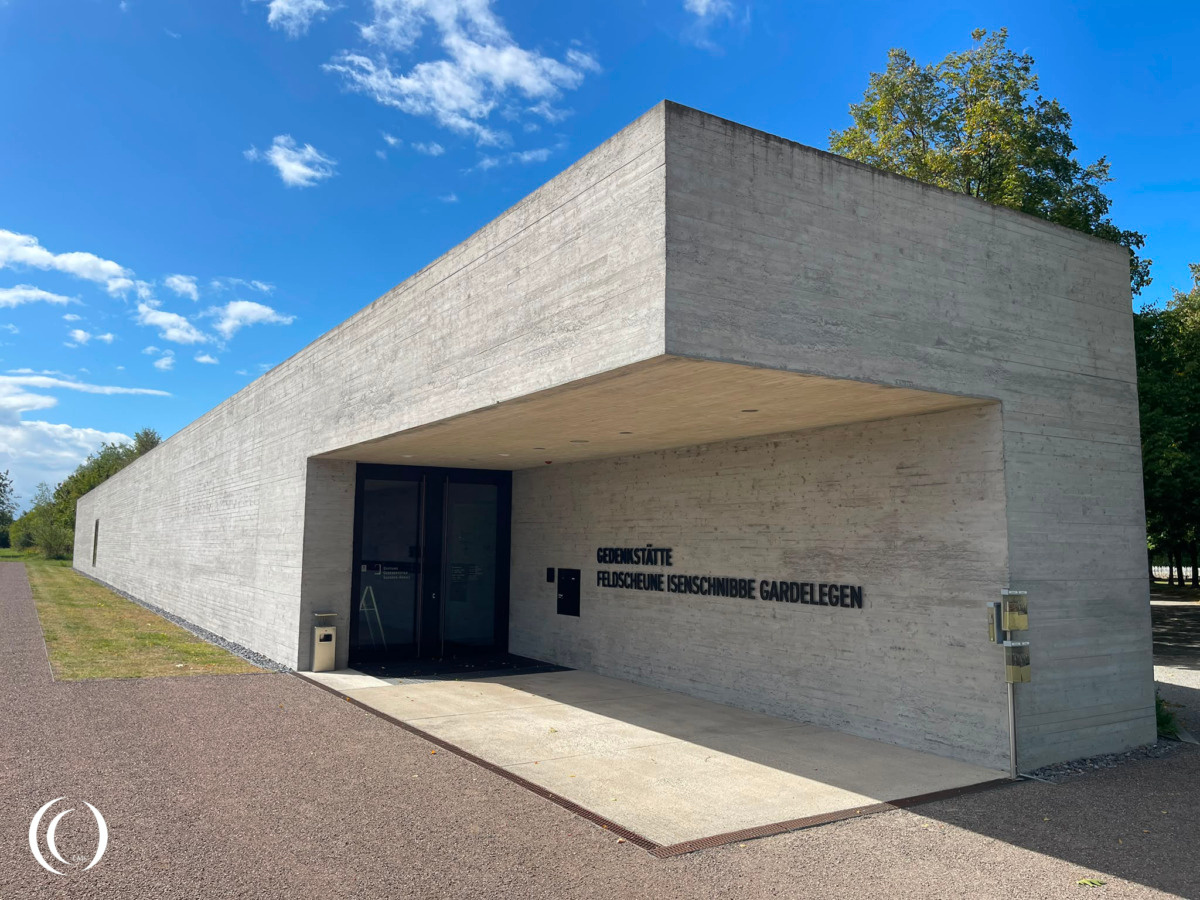
The Gardelegen Massacre was a mass killing carried out by Nazi German forces on 13 April 1945, shortly before the end of the Second World War. It took place near the town of Gardelegen in central Germany at the Isenschnibbe Barn. More than 1,000 concentration-camp prisoners, many of whom had been evacuated from the Mittelbau-Dora and Hannover-Stöcken camps, were murdered.
Prelude
In the final months of the war, as the war front line pushed deep into German territory, an exodus began. German populations were driven out of cities and regions, while non-Germans fled the violence of the war. German concentration camps began relocating prisoners; this involved extensive rail transport and the so-called “death marches,” in which already weakened prisoners were forced to walk for days or even months toward safer areas within Germany.
Along the way, many succumbed to hardship, hunger, and the cold, or were executed if they attempted to escape or could no longer walk.
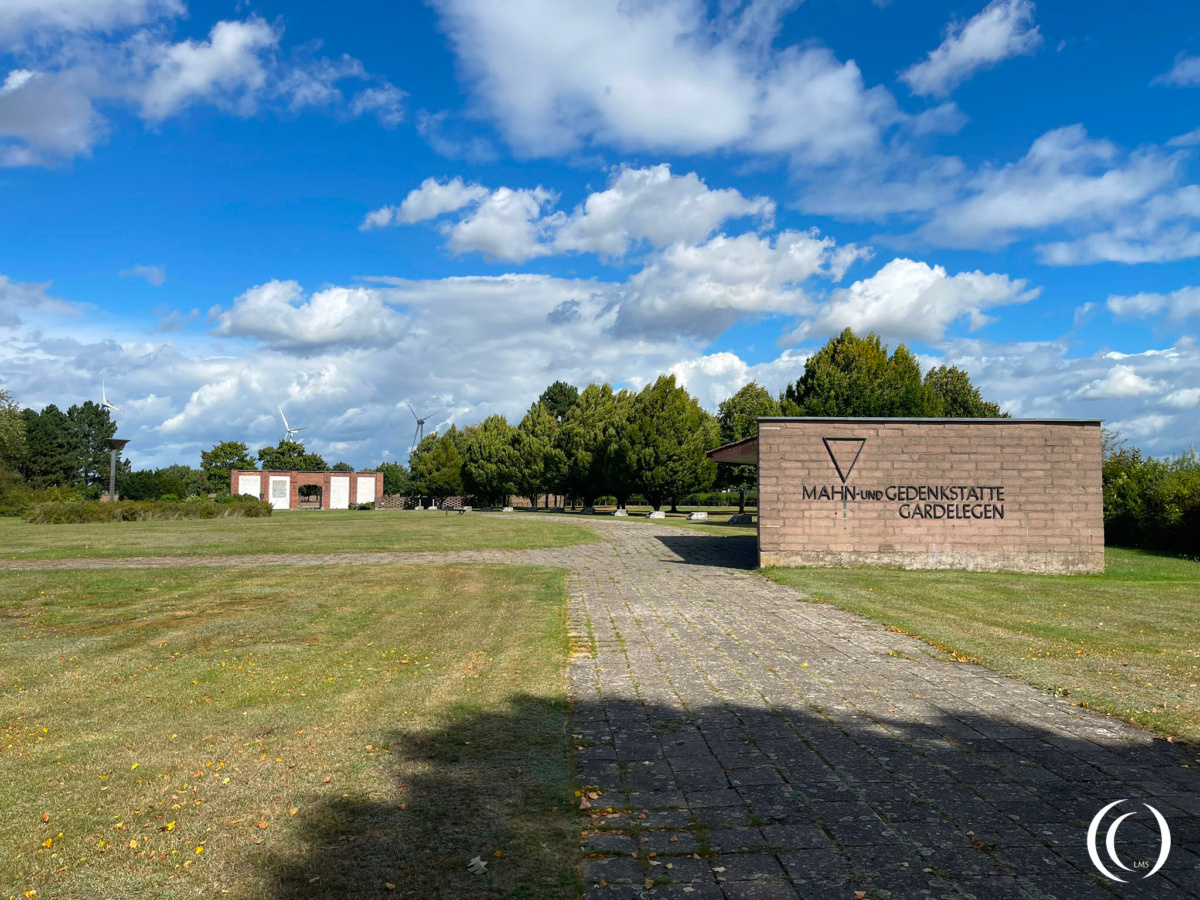
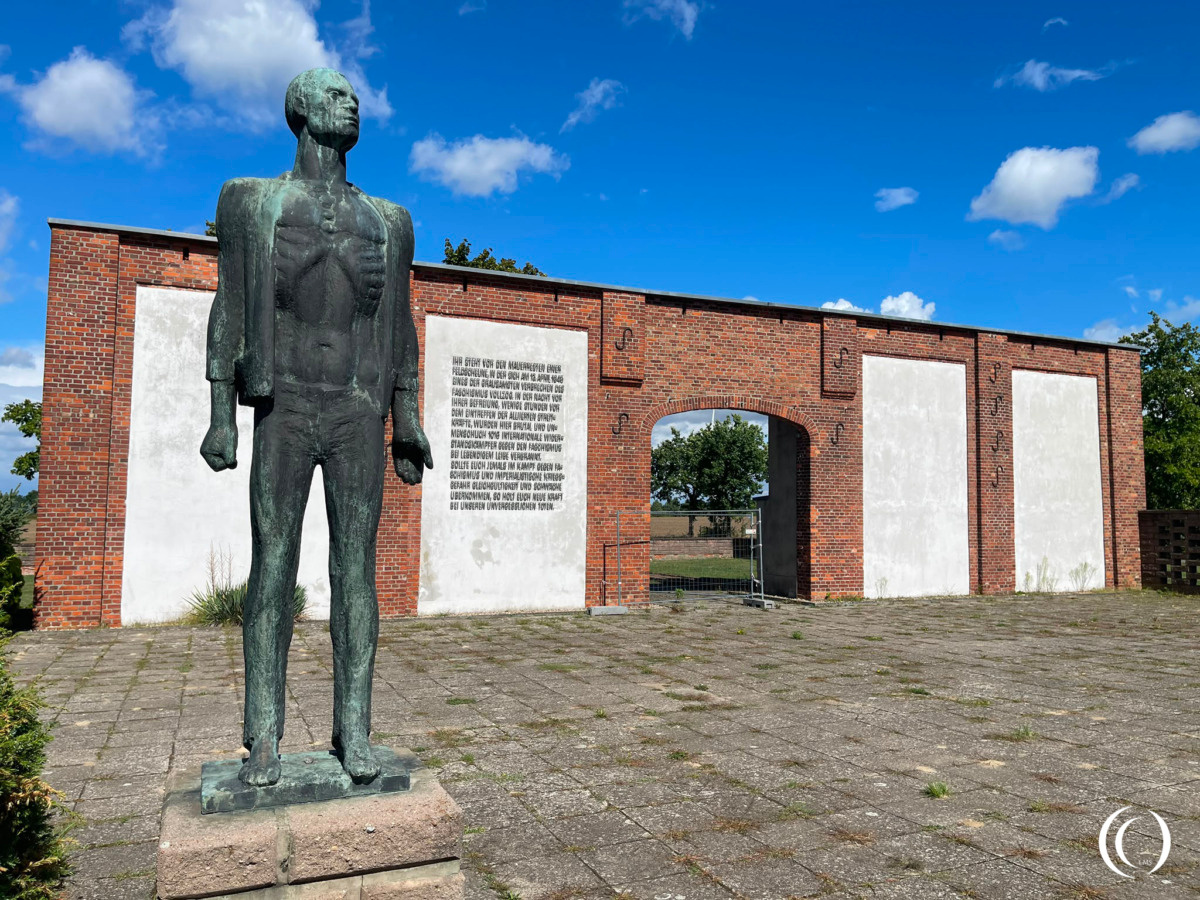
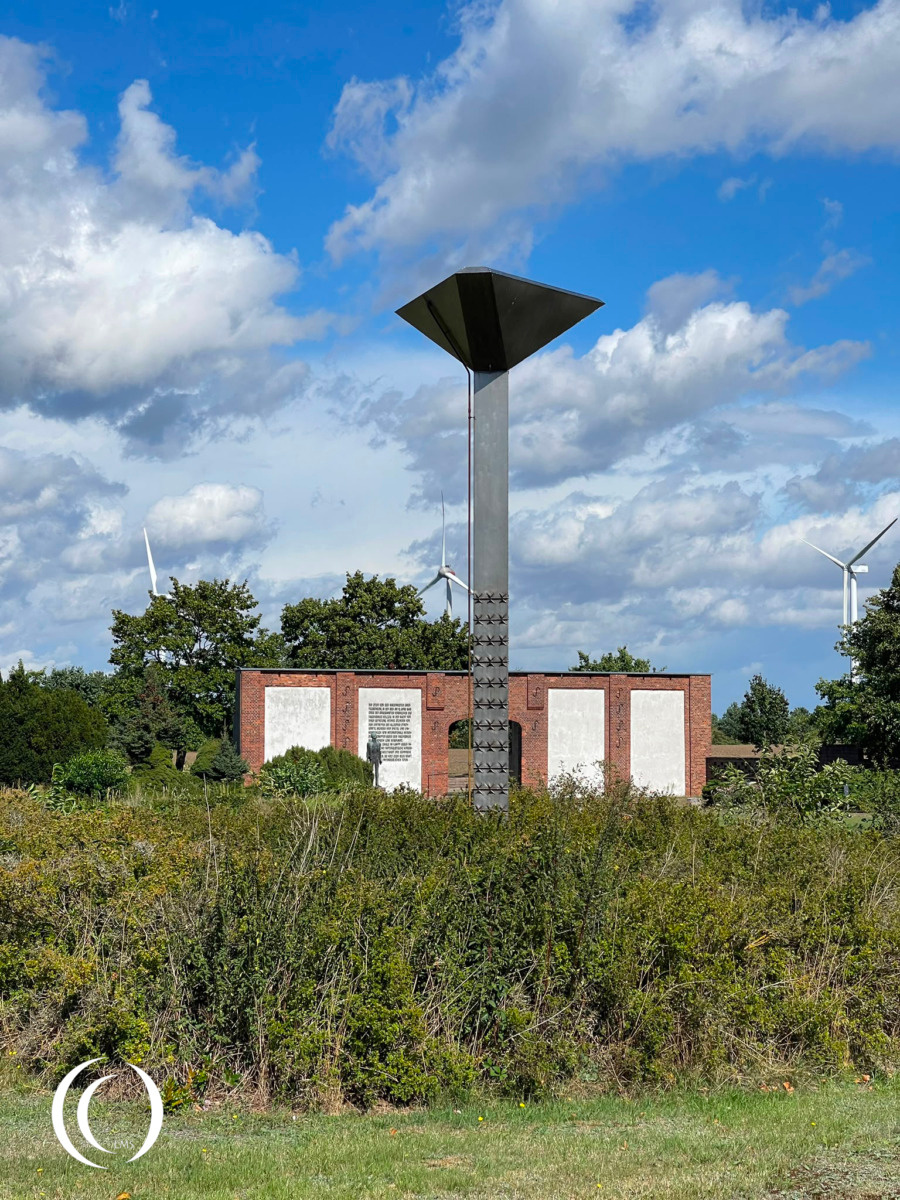
The Gardelegen Massacare
Between April 9 and 11, 1945, several rail transports carrying a total of about 3,000 prisoners from the Mittelbau-Dora concentration camp and various satellite camps as well as from the Hannover-Stöcken camp arrived in the German Gardelegen area and town.
The train transports were forced to halt at the Mieste and Letzlingen stations (both Germans towns in the region) as the rail line was severely damaged and the Allies were approaching from all directions trying to reach Berlin. Upon arrival at Mieste at least 25 prisoners were shot and buried with a further 60 dead at the side of the railway tracks.
The SS guards led by the local NSDAP forced the weakened prisoners to march to the town of Gardelegen assisted by members of the SS, the Volkssturm and Wehrmacht soldiers on April 11 and 12, 1945. The prisoners were forced into a riding and driving school of the Wehrmacht. Fleeting Prisoners were hunted down and shot.
NSDAP leader Thiele and his staff together with members of the SS and Wehrmacht officers decided to murder the concentration camp inmates on the evening of 12 April 1945. On April 13, in the afternoon members of the SS, Wehrmacht and Reich Labour Service forced the prisoners to a large barn on the Isenschnibbe estate. The doors were locked and the building was deliberately set on fire. Prisoners who tried to escape through windows or openings were shot by guards. Approximately 1,016 people were killed.
U.S. 102nd Infantry Division
The following day, 14 April 1945, soldiers of the U.S. 102nd Infantry Division entered Gardelegen and discovered the bodies and evidence of the atrocity. American soldiers ordered local German civilians to view the victims and help bury them in individual graves. This was intended to confront the local population with evidence of the crimes committed in their community.
The massacre demonstrated the extreme brutality of the Nazi regime during the final days of the war. Even as Germany was clearly facing defeat, Nazi personnel continued to murder concentration-camp prisoners rather than allow them to be liberated.
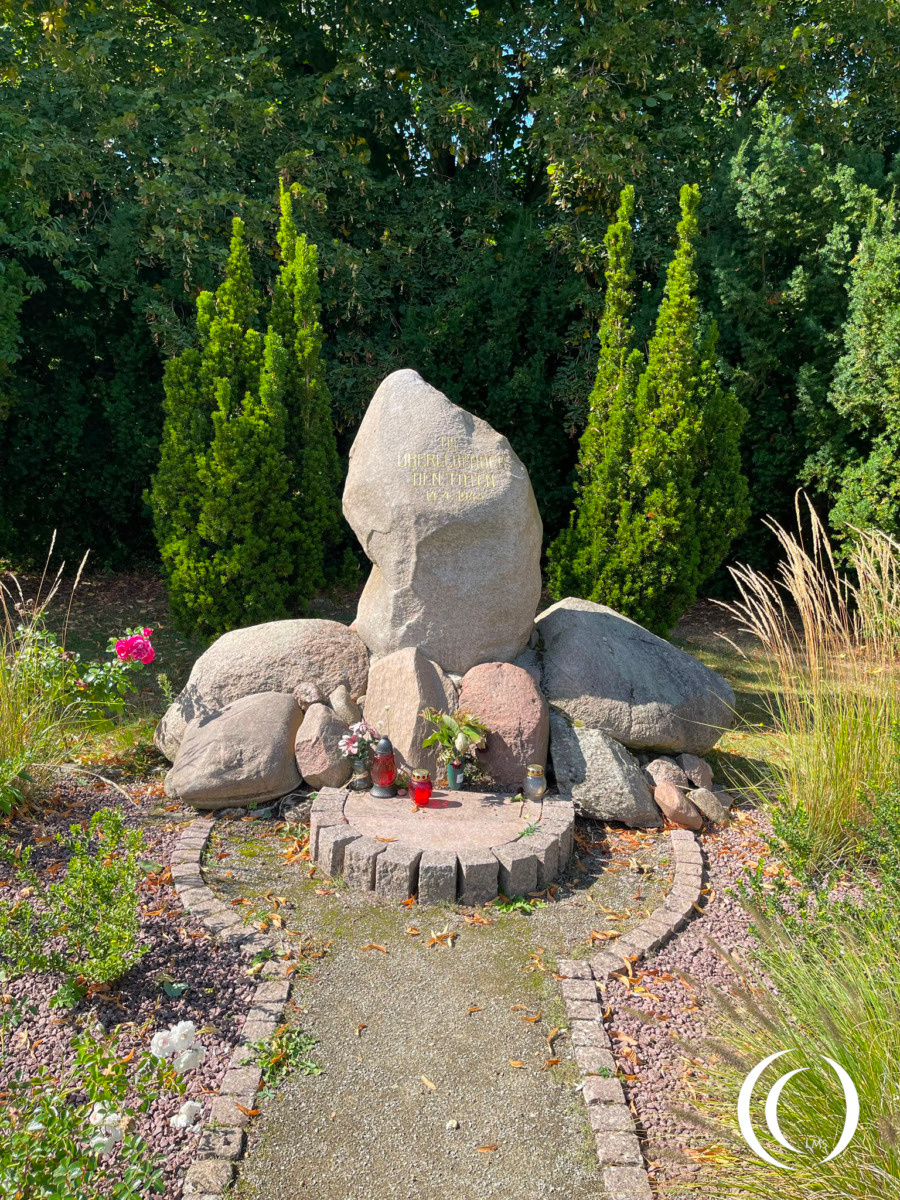
There were 11 survivors, one wounded Frenchmen, Seven poles and three Russians. Twelve are named at the Isenschnibbe Barn memorial, they connect the German Wilhelm Fentzling, who later died in 1946, to the survivors. Eleven or twelve survivors, the number stays horrible for the atrocity on this dreadful night.
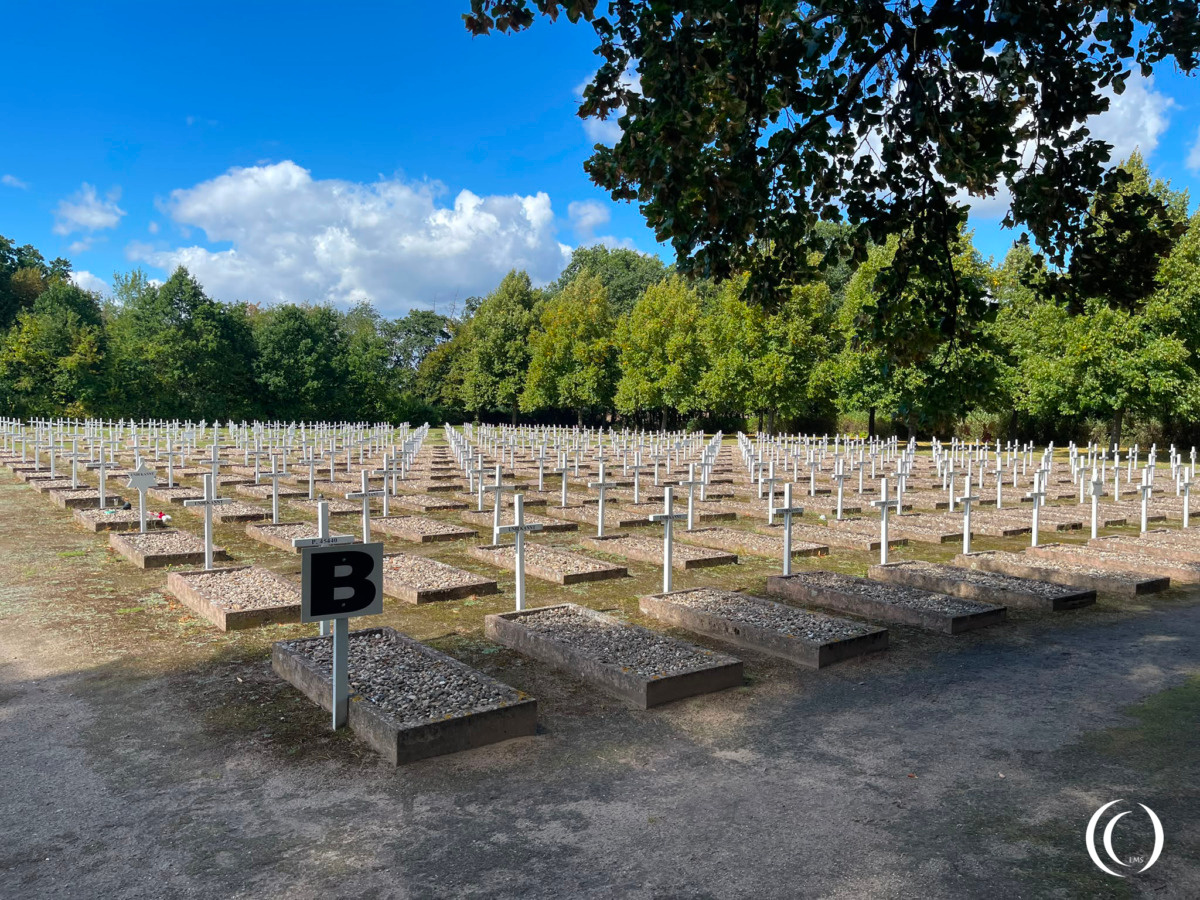
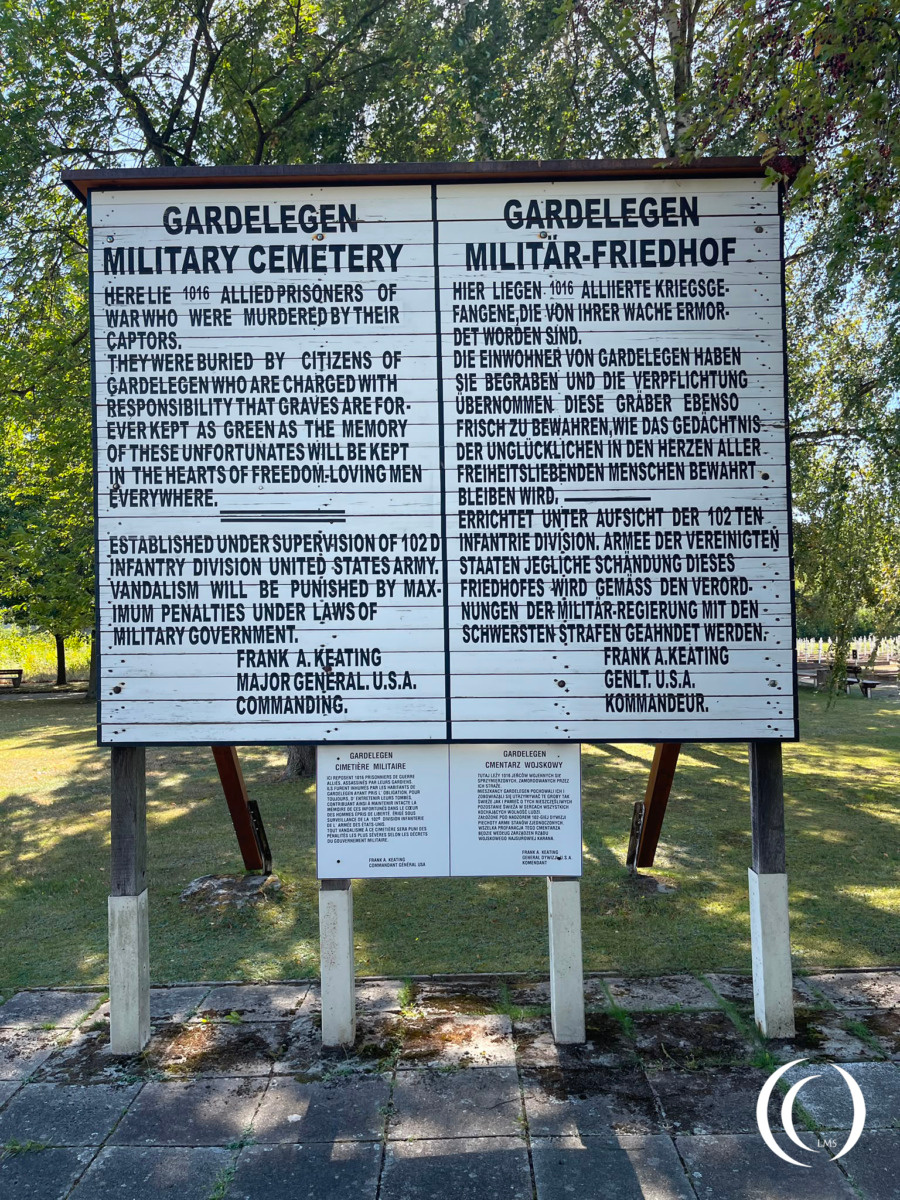
On 21 April 1945, the local commander of the US 102nd Infantry Division ordered approximately 200–300 men from Gardelegen to give the murdered prisoners a proper burial. The German civilians exhumed bodies that had been placed in trenches and recovered bodies from the burned barn. Over the following days, 586 bodies were taken from the trenches and 430 from the barn, and the victims were buried individually. The cemetery was formally dedicated on 25 April 1945.
Visit
Today, the Gardelegen Memorial at the Isenschnibbe Barn commemorates the victims. The site preserves the remains of the barn and contains a documentation centre explaining the massacre, the prisoners’ final journey, and the history of Nazi persecution. It serves as a place of remembrance and education, ensuring that the victims and the crimes committed there are not forgotten.
Sources
- archives.norwich.edu
- kz-gedenkstaette-neuengamme.de
- memorialmuseums.org (Isenschnibbe Barn memorial)
- wikipedia.com
- Imperial War Museum
