The Bruneval Raid — Operation Biting, 27-28 February 1942
On the night of 27–28 February 1942, British airborne forces carried out one of the most daring intelligence raids of the Second World War. Codenamed Operation Biting, the mission targeted a German Würzburg radar installation near Bruneval, on the Normandy coast of occupied France.
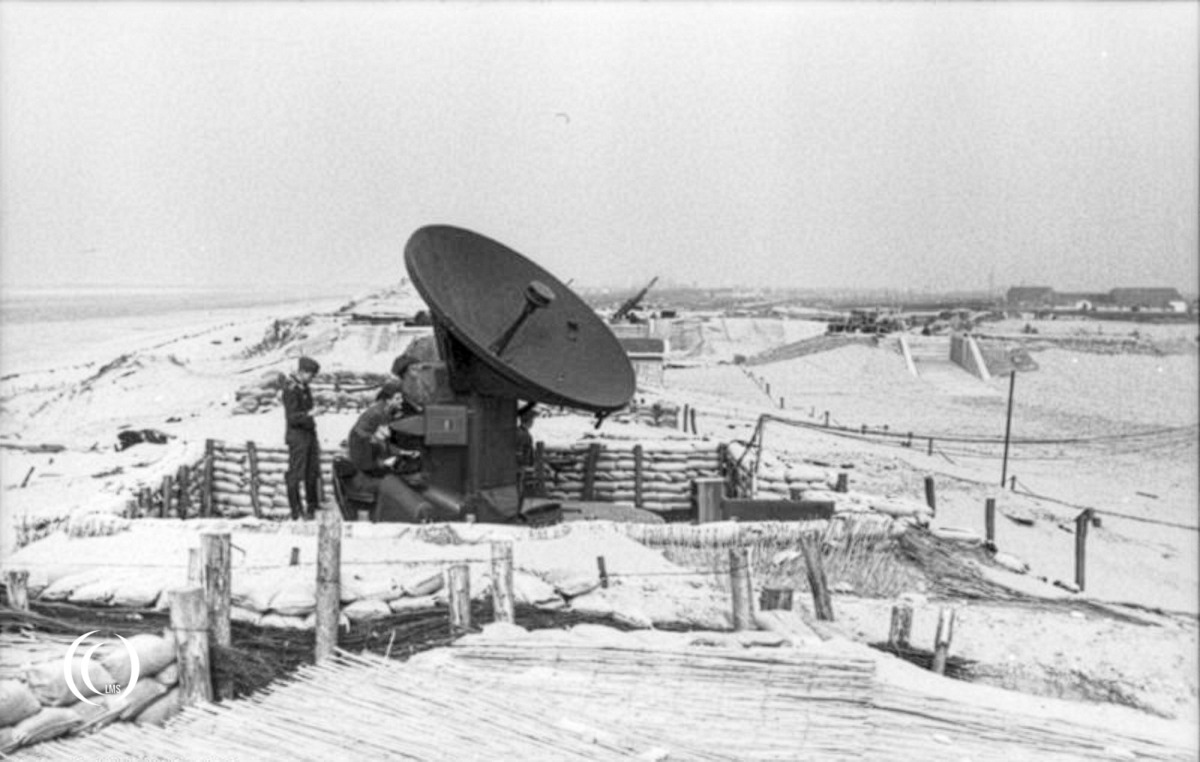
The Würzburg radar was a vital component of Germany’s air-defence system. British intelligence wanted to obtain physical components of the equipment so scientists could study its design, operating frequencies and capabilities. The information could then be used to develop countermeasures against German radar. 6 officers and 113 men of ‘C’ Company, 2nd Parachute Battalion, with Royal Air Force RDF (radar) specialist, Flight Sergeant C.W.H. Cox. took off from Thruxton, England on 27 February 1942. They were commanded by Major John Frost (also known for his role during Operation Market Garden in the Netherlands), and the men were dropped into France by RAF Armstrong Whitworth Whitleys of No.51 Squadron led by Wing Commander P.C. Pickard. Their objective was to capture the radar equipment, dismantle the most important components and carry them to the beach for evacuation.
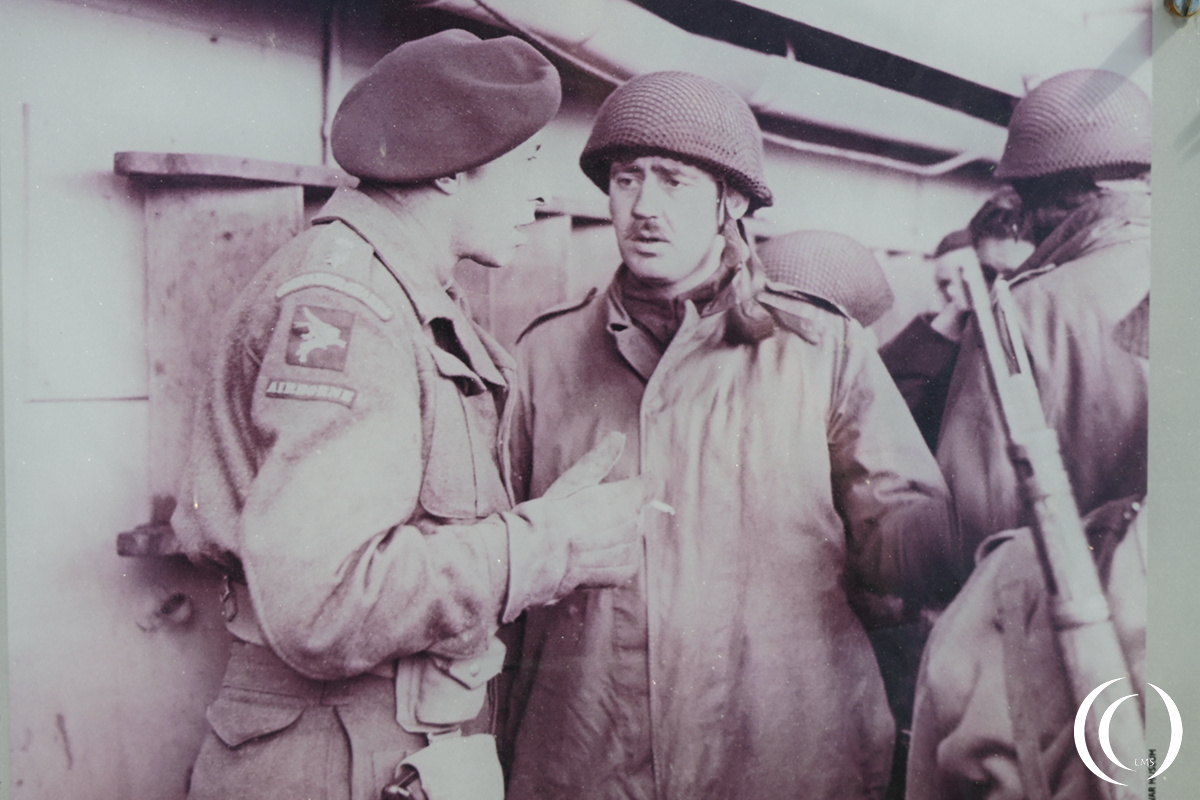
One of the key defensive positions on the route to the beach was the Villa Stella Maris, situated at the foot of the cliffs. The Germans had turned the villa into a guarded defensive position overlooking the evacuation area. British troops under Lieutenant Euan Charteris attacked the position, overcoming the small German garrison and securing the route to the beach. Meanwhile, other members of the raiding force attacked the radar site itself. Specialist Flight Sergeant Charles Cox, an RAF radar technician, worked with the assault party to dismantle crucial parts of the Würzburg equipment. They removed the antenna components and other technical equipment that British scientists needed.
This assault force is dropped near the Luftwaffe Würzburg radar station at Bruneval, near Le Havre, and successfully seizes the station. Flight Sergeant Cox then dismantles elements of the radar, which are brought back to the United Kingdom for examination, together with three prisoners, when the force withdraws by sea. The assault is brilliantly successful, all of the objectives are achieved, at a cost of three members of the attacking force killed, two missing and seven wounded.
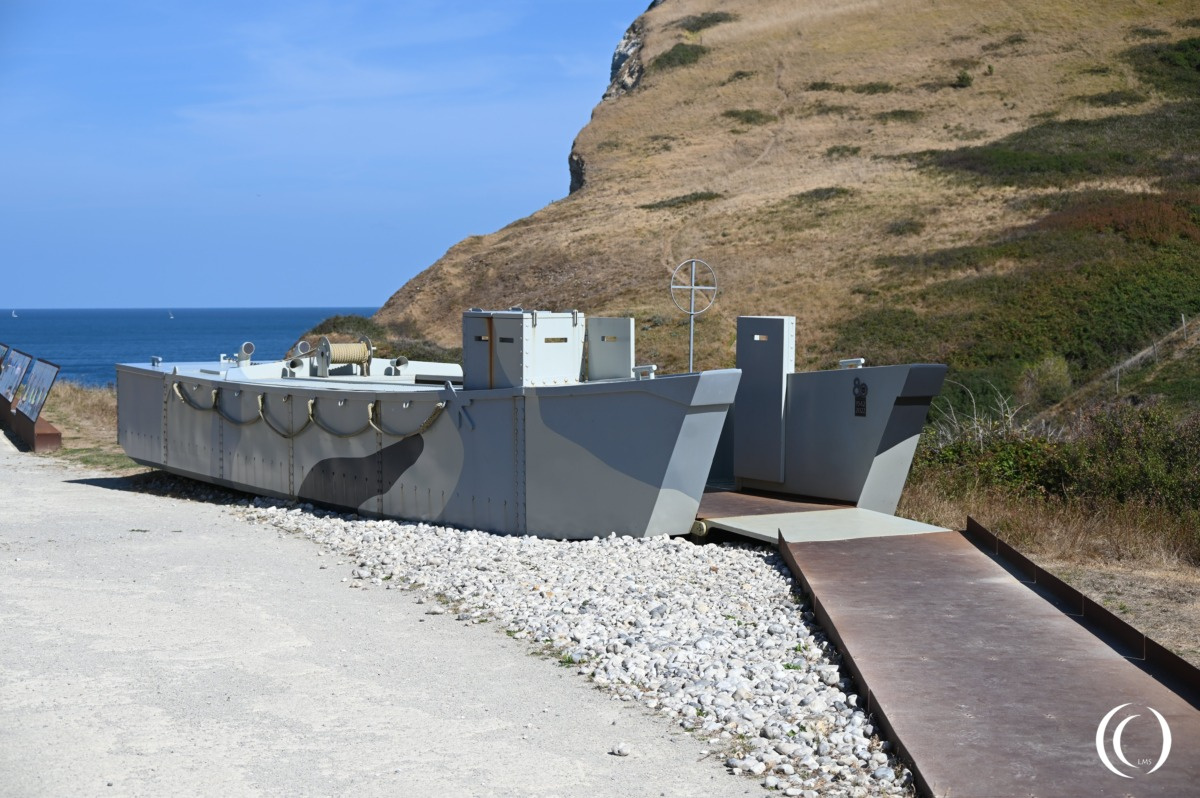
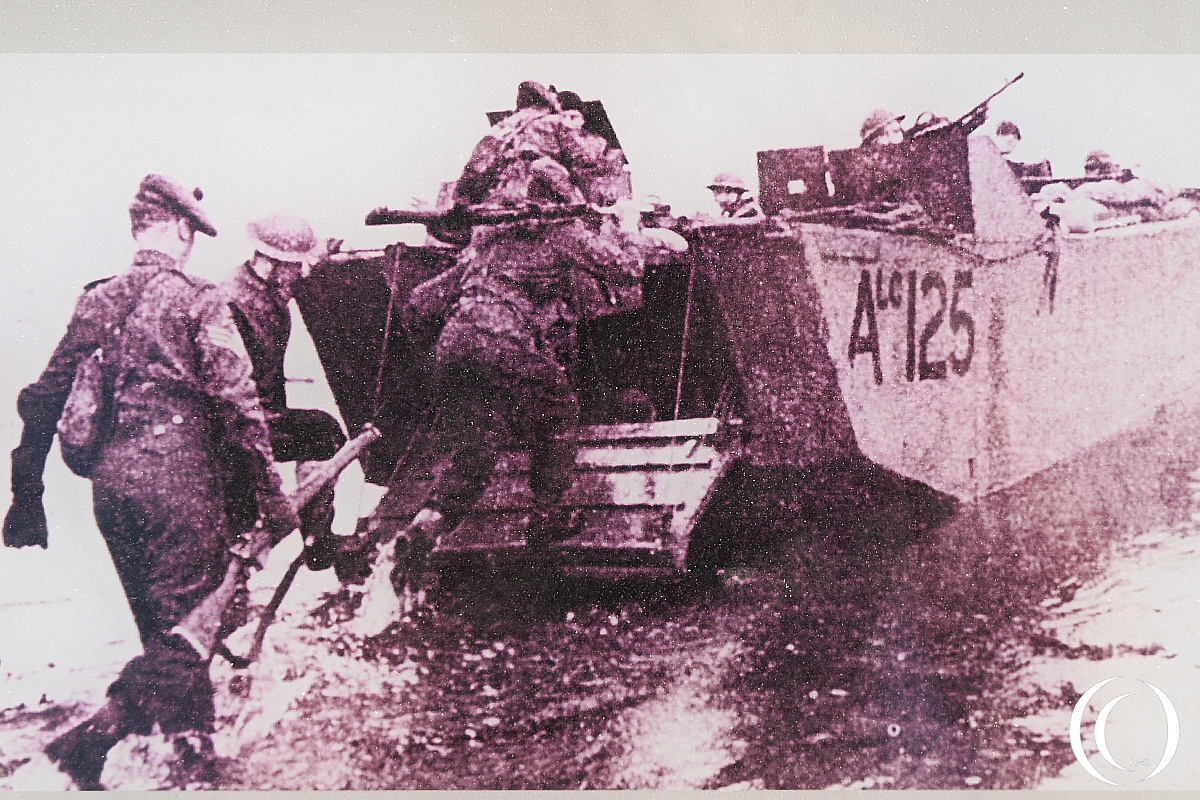
Once the radar had been dismantled, the raiders withdrew toward the coast. German troops attempted to intervene, but the British force reached the beach and was evacuated by landing craft and naval vessels. No. 12 Commando in landing craft covered the company and together with the British Royal Navy helped them retreat towards the ships. Operation Biting was a remarkable success. The captured Würzburg equipment provided British scientists with valuable technical intelligence and helped them develop methods for jamming and defeating German radar-controlled air defence.
The raid also demonstrated the growing importance of airborne forces and specialist intelligence operations in the Allied war effort.
Villa Stella Maris
Stella Maris was a distinctive villa on the beach at the foot of the cliffs at Bruneval, close to the German Würzburg radar installation at La Poterie-Cap-d’Antifer. During the German occupation, it was converted into a defensive position and used as a German guard house. In the British plan for Operation Biting, it was given the code name “Guard Room.”
The Germans had fortified the villa with defensive works, including barbed wire and firing positions. A small German detachment defended the beach area. Their position was particularly important because the cove below the cliffs was the planned evacuation point for the British raiders after they had captured and dismantled the Würzburg radar.
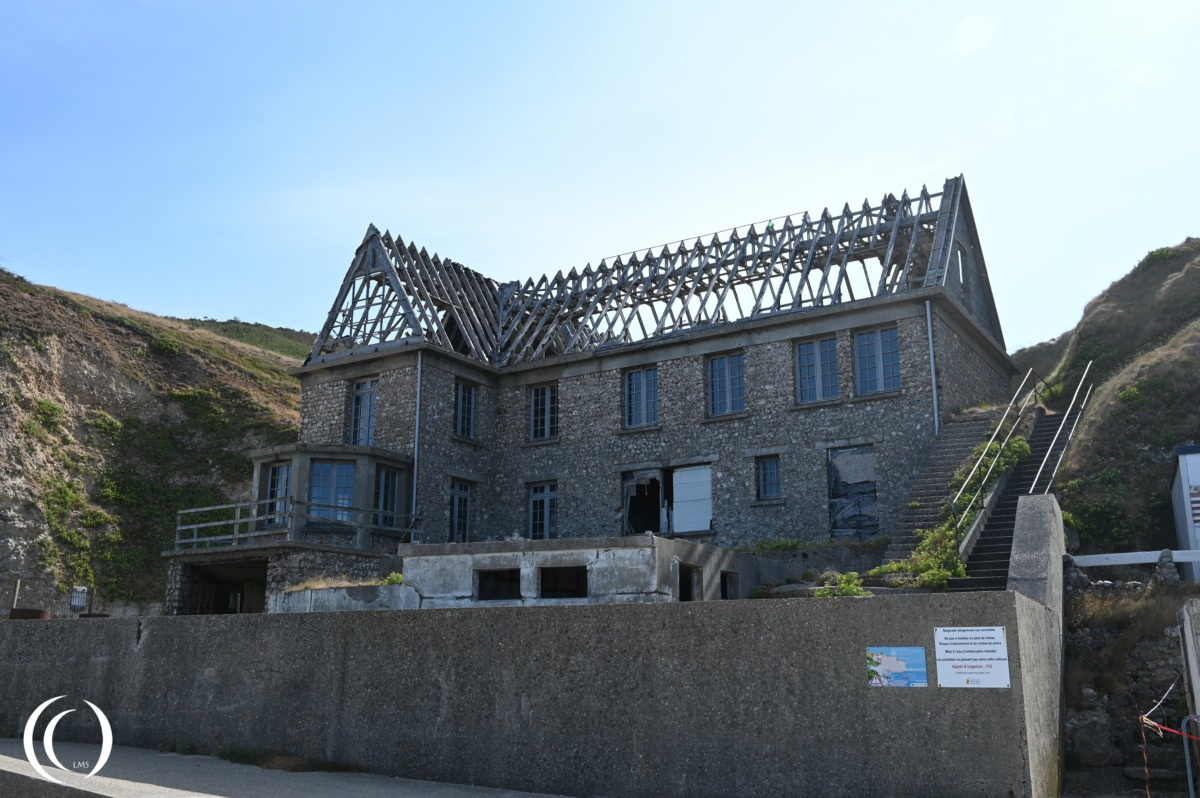
During the raid, Lieutenant Euan Charteris led the attack on Stella Maris. His men approached the villa while other parachutists provided covering fire. They threw grenades into the building and entered it. Inside was Corporal Schmidt, a German radar/communications operator, who surrendered. The remaining German defenders were driven away from the position. (Paradata)
The significance of Stella Maris was therefore not the radar itself. It was the key German defensive position between the British raiders and their escape beach.
Interestingly, the German forces at Bruneval had no artillery or mortars in the immediate Stella Maris/Beach Fort position; their defence consisted principally of infantry weapons, machine guns, trenches and obstacles.
Code Words
Used code words in the British operational plan:
Henry = Würzburg radar
Lone House = Villa Gosset
Rectangle = Theuville farm
Guard Room = Villa Stella Maris
Beach Fort = German defensive positions around the beach
Redoubt = German positions on the opposite cliff.
Known radar installations in the area were:
- FuMG 65 Würzburg-Riese (FuSe 65), an early warning radar with a range of 70 km with gun laying capability
- FuMG 62 Würzburg, an early warning radar with a range of 70 km with gun laying capability
- FuSE 80 Freya, an early warning radar with a range of 100 km
- FuMG 450 Freya, an early warning radar with a range of 120 km
- FuMG 41 Wassermann L, an early warning radar with a range of 300 km
- Funkfeuer, a radio beacon. Technically a navigational aid rather than a radar system. it continuously broadcasts a signal from a fixed ground location to help aircraft find their position.
Aftermath
Operation Biting, February 1942, gave Britain physical access to a German Würzburg radar. The captured equipment allowed British scientists at the Telecommunications Research Establishment to study how German radar detected and tracked aircraft. This was important because Würzburg was used extensively in Germany’s air-defence system to track aircraft and help direct fighter interceptions and anti-aircraft fire.
British scientists subsequently developed techniques to defeat German radar. One of the most successful was Window, the British name for radar-reflecting strips of aluminium foil. The Americans called it Chaff. Window consisted of thousands of small strips of aluminium foil cut to lengths appropriate to German radar wavelengths. When released from bombers, the strips produced large numbers of false radar echoes. On a radar operator’s screen, the cloud of reflections could resemble a large formation of aircraft.
One of the components recovered from the Würzburg radar was a Flak aiming system-20764. This specific component can be viewed at the Army Museum in Paris.
Visit
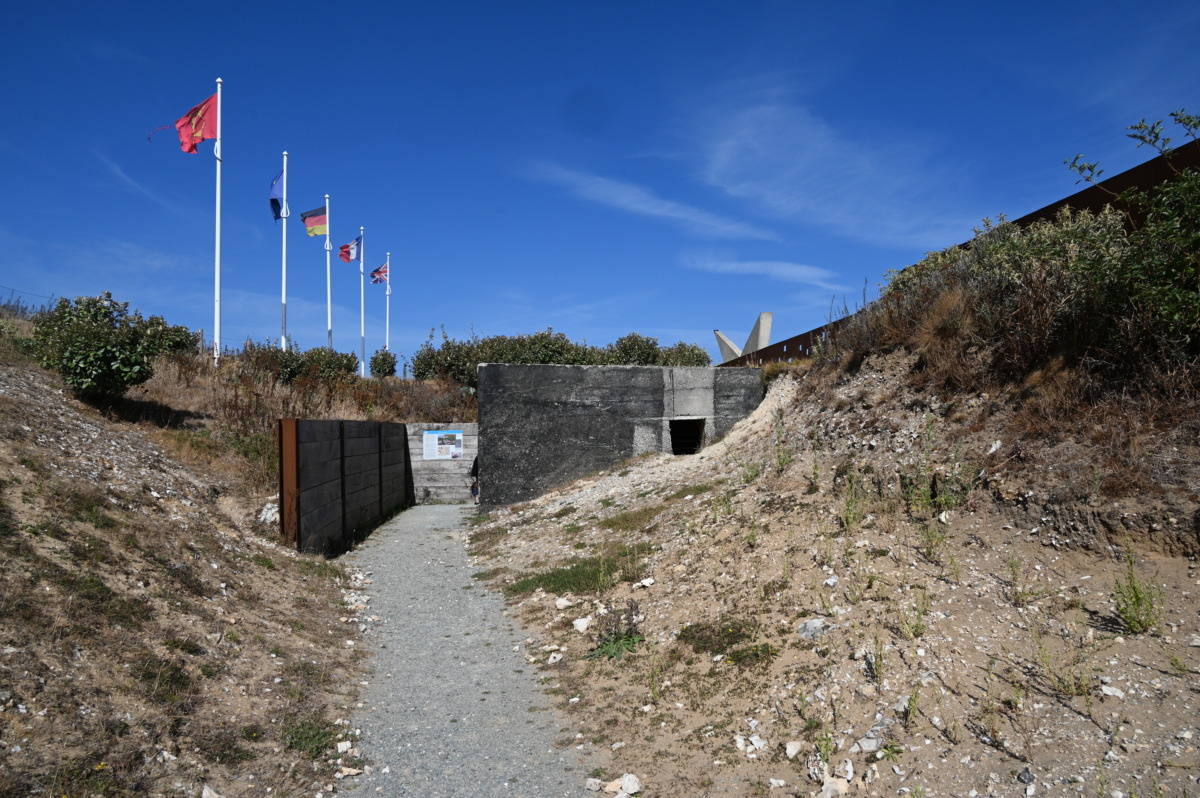
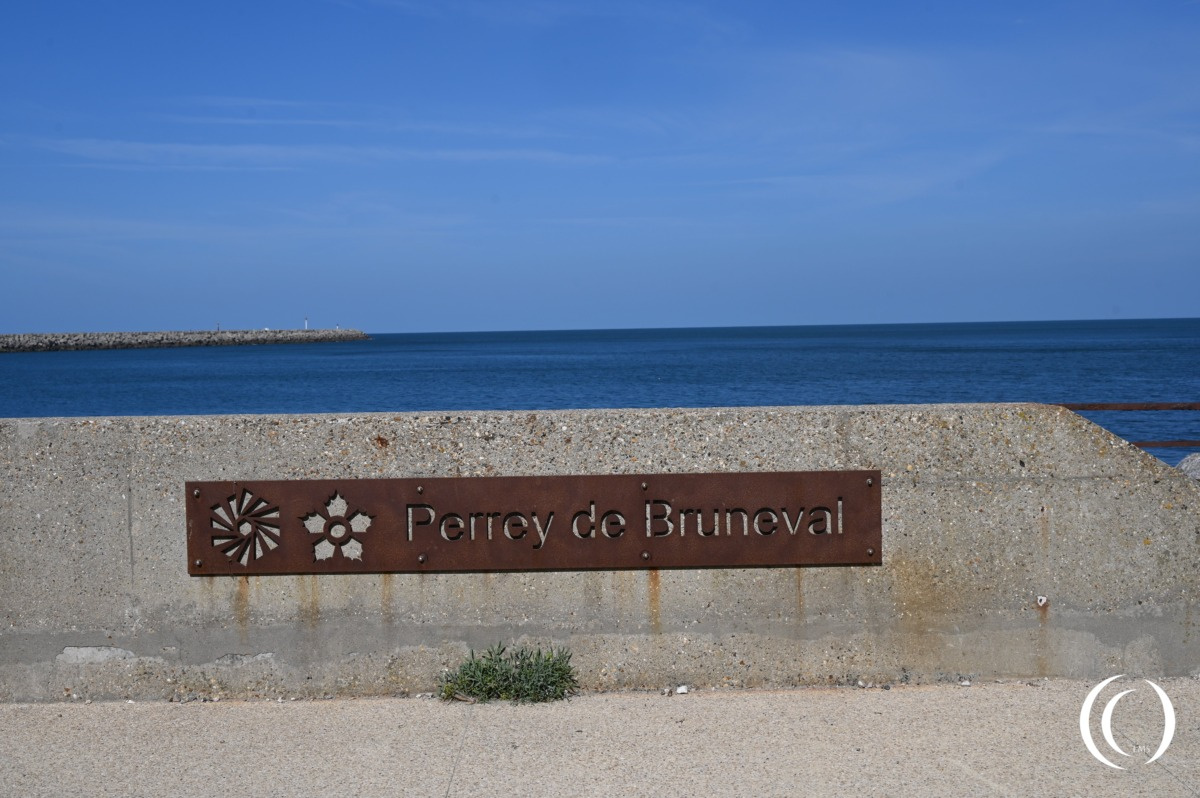
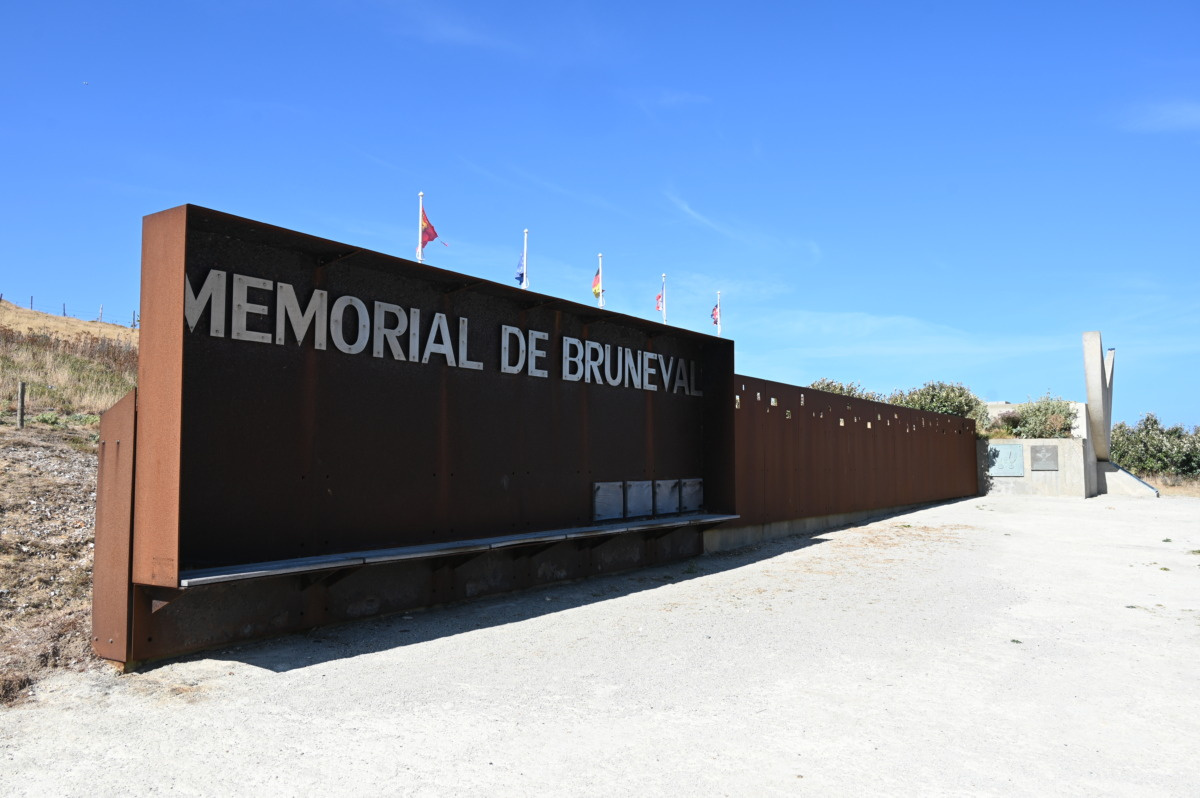
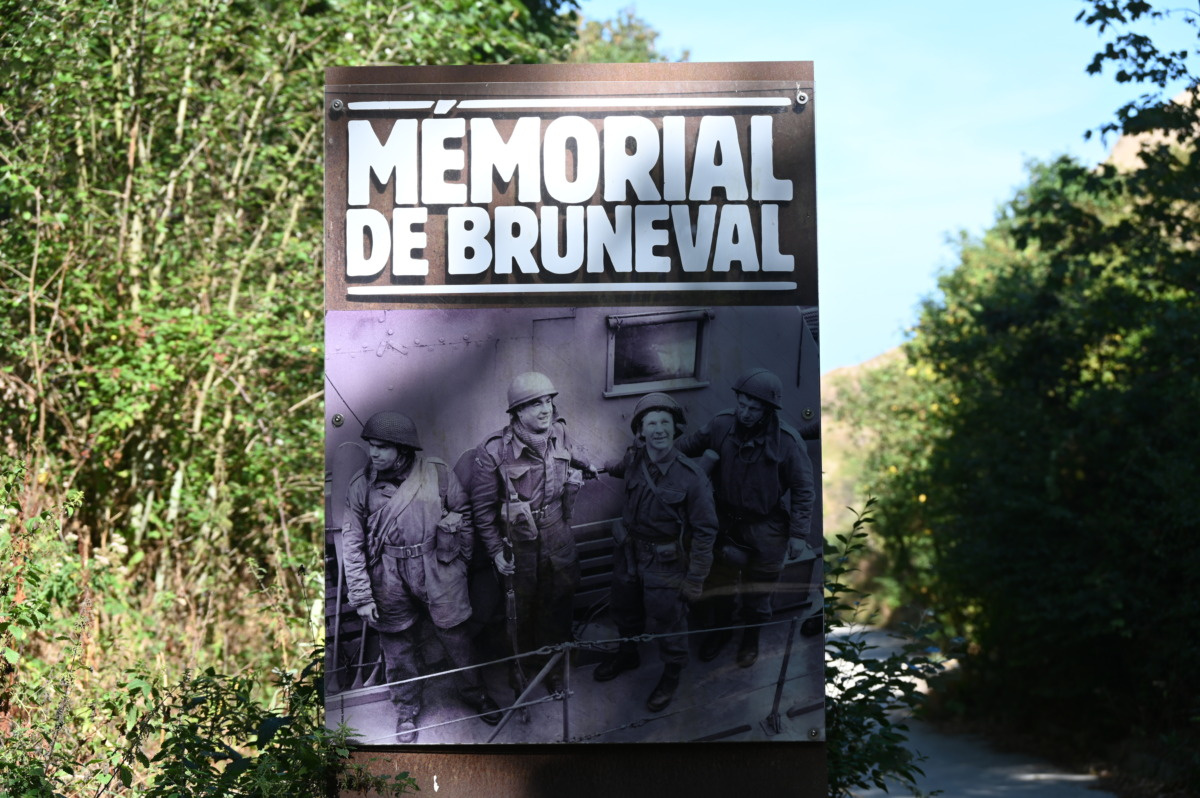
If you wish to visit the site of the Bruneval Raid (Operation Biting), you can do so at Saint-Jouin-Bruneval. A memorial has been erected there at the evacuation beach. Several information panels provide details about the operation, its objective, the men involved, and the course of the raid.
Places to visit include:
- The Bruneval Raid Memorial
- Villa Stella Maris, Guard Room, Operation Biting
- Vf 3 M.G. Rundumbunker – German 360 Machine Gun Stand
- Landing Craft Assault LCA – British Landing Craft
- Vf Gruppenunterstand – Small Personnel Bunker
Sources:
- rafmuseum.org.uk
- paradata.org.uk
- bruneval42.com
- atlantikwall.info
