Introduction
The Landing Craft Assault (LCA) was a British landing craft developed shortly before the Second World War to transport infantry from larger ships directly onto beaches. It was designed to be relatively quiet, stable, and protected against small-arms fire and splinters.
LCAs were used extensively by the Royal Navy and Allied forces throughout the war. They took part in major operations including Norway in 1940, the Bruneval Raid (Operation Biting) in 1942, the Sicily landings in 1943, Anzio in 1944, and the Normandy landings on D-Day, 6 June 1944.
An LCA normally carried about 30–35 troops and landed them using a front ramp. Its shallow draught allowed it to approach beaches closely.
The LCA remained an important part of Allied amphibious warfare until the end of the Second World War.
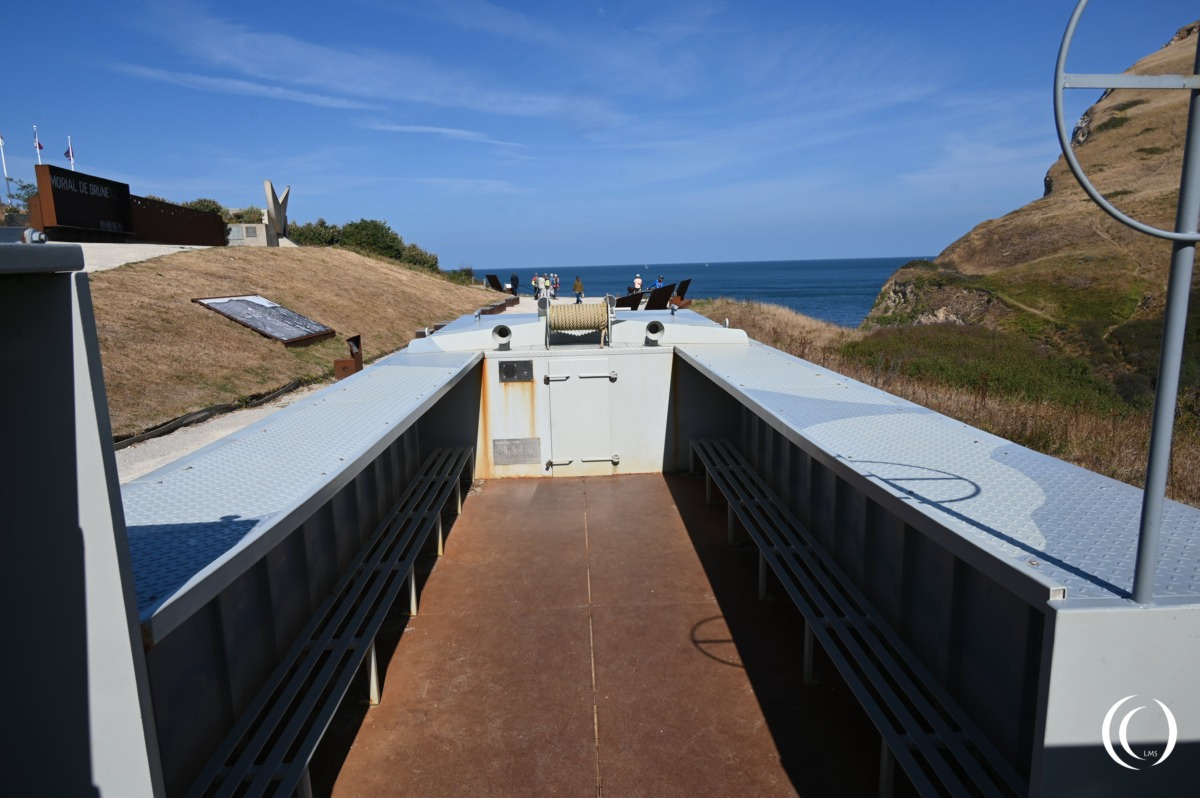
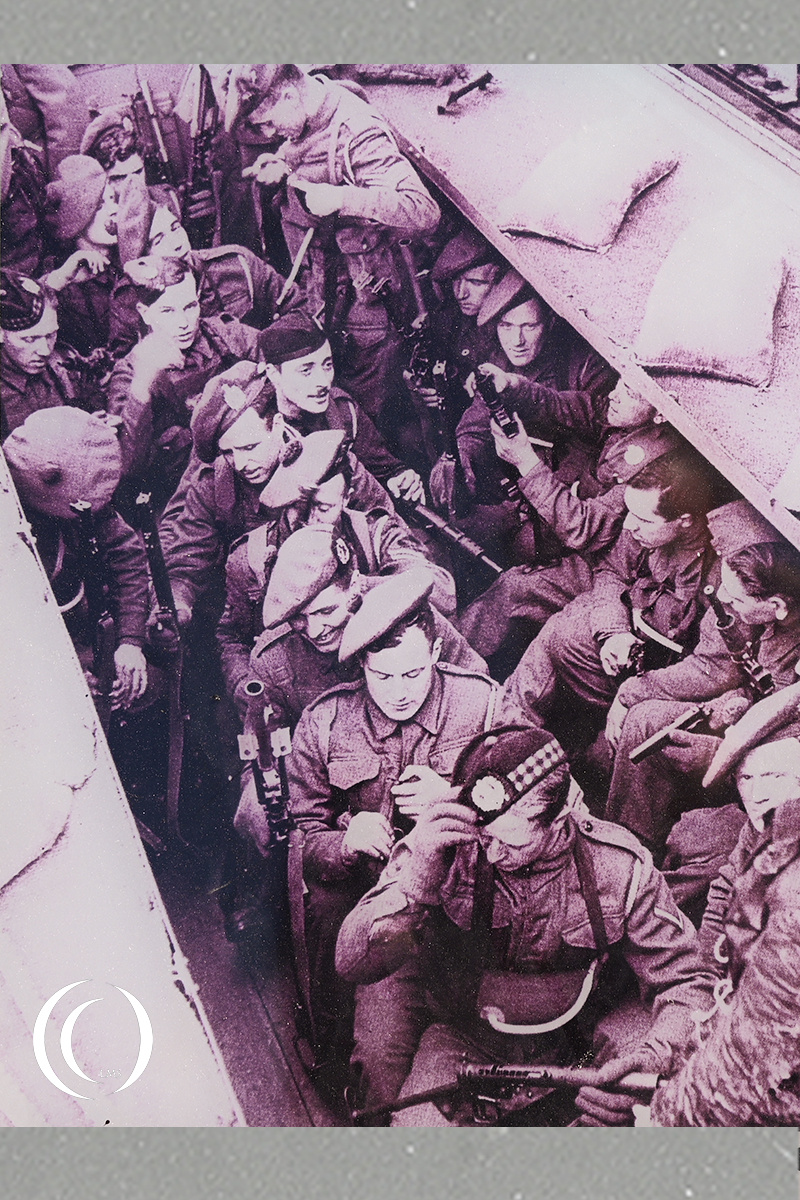
The ALC: a high-performance landing craft
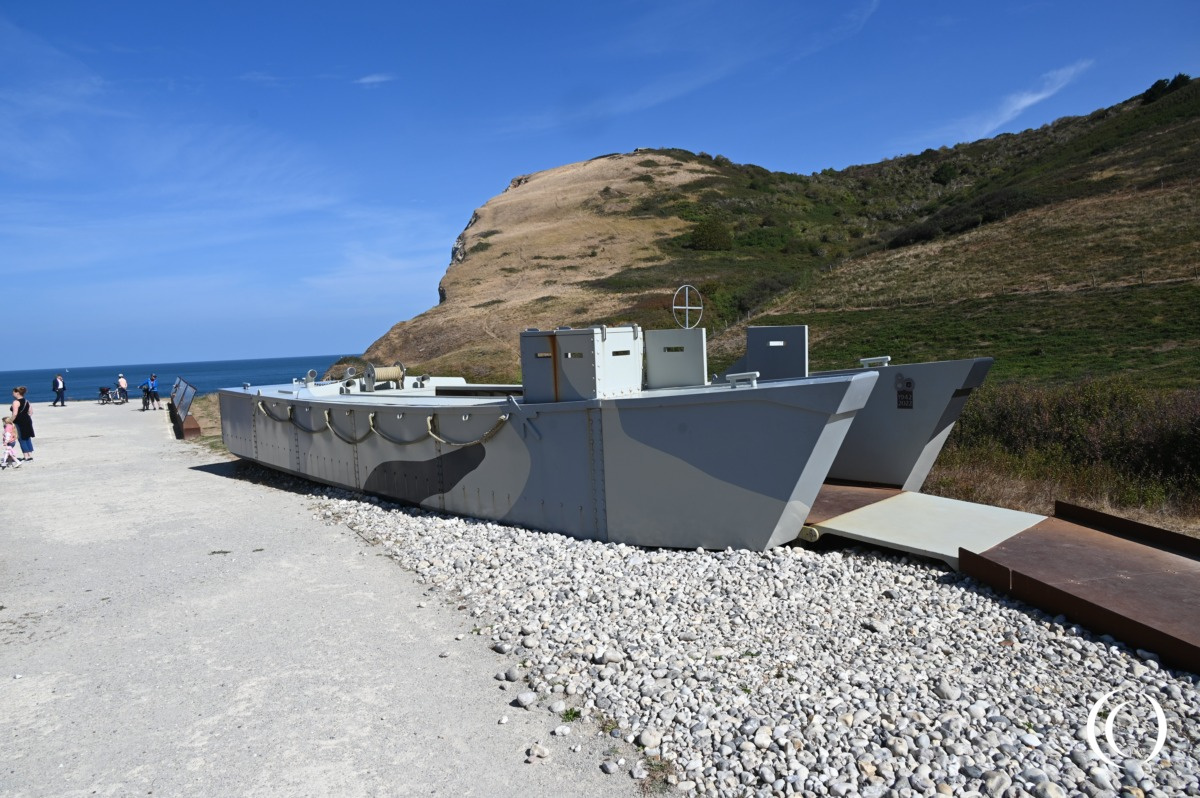
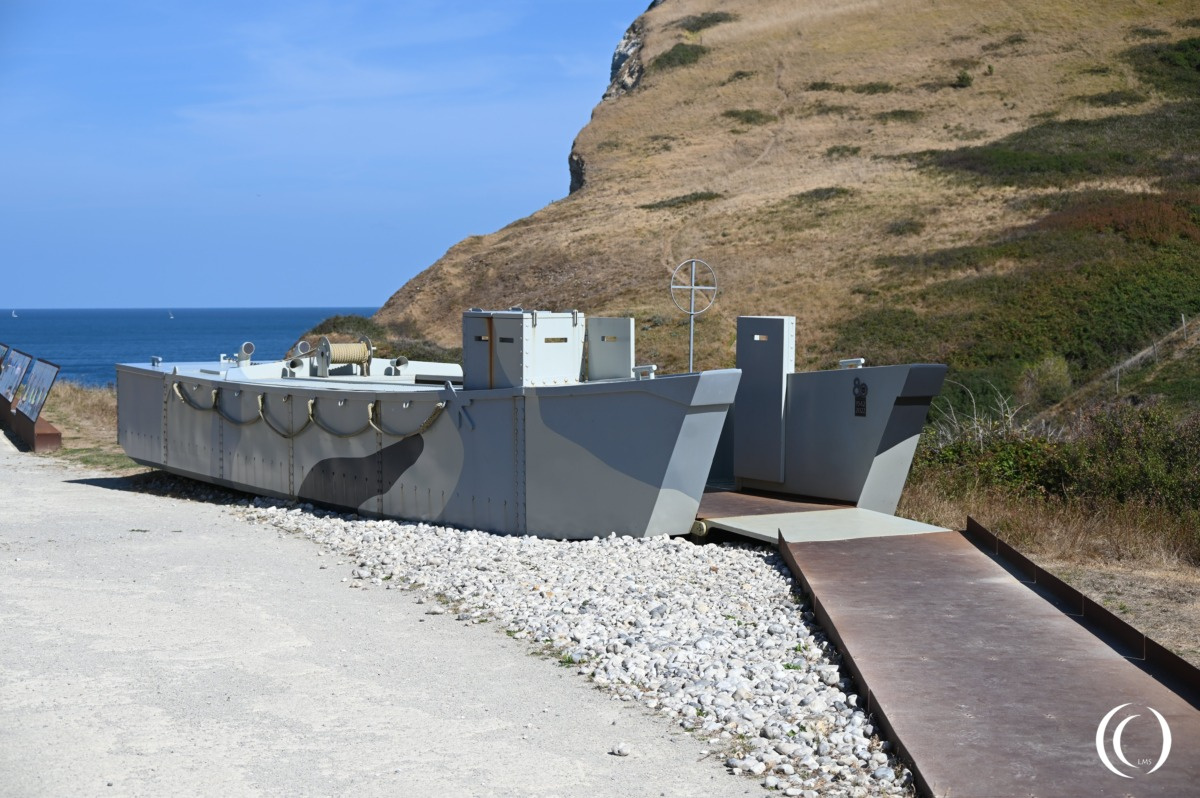
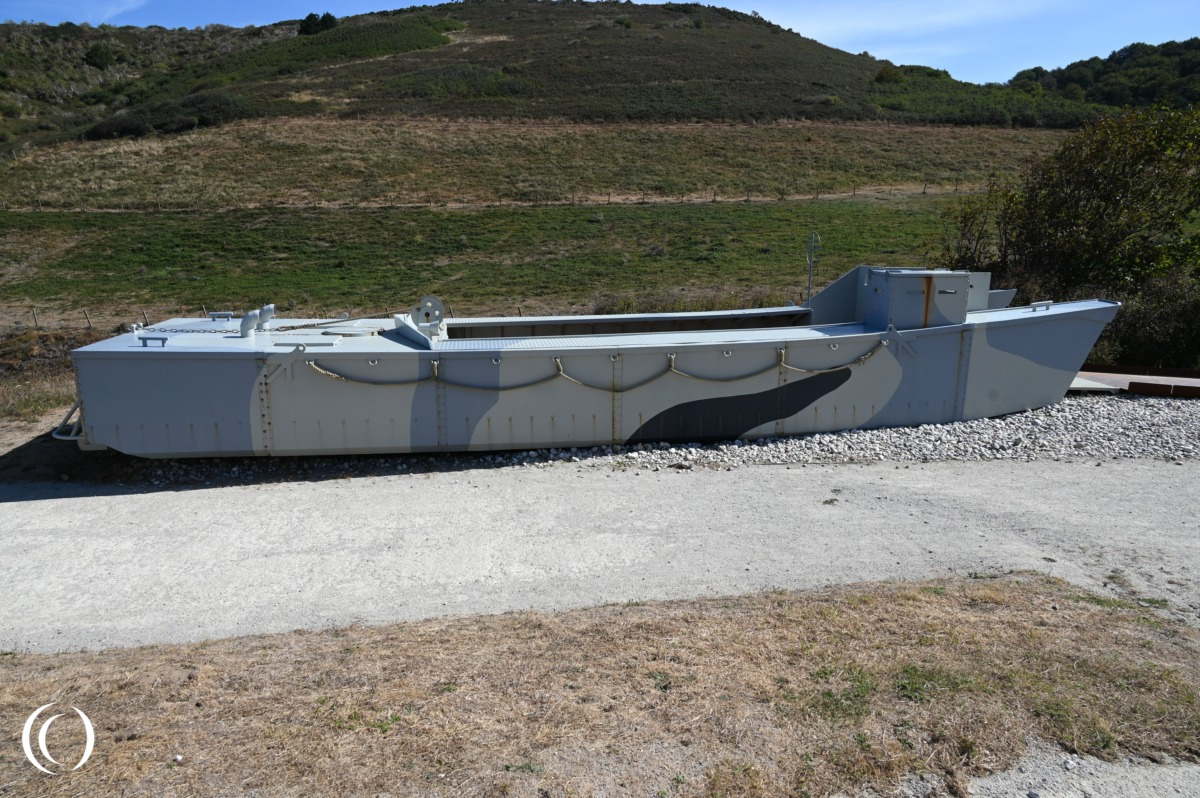
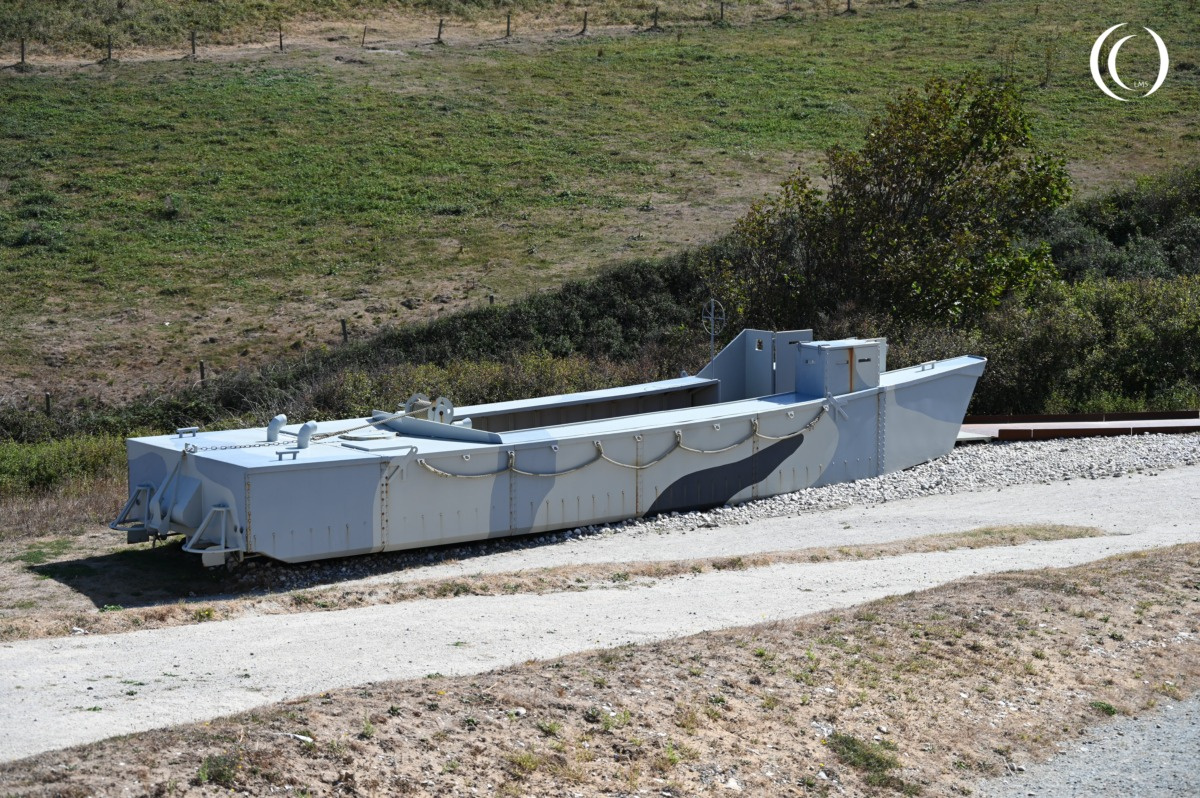
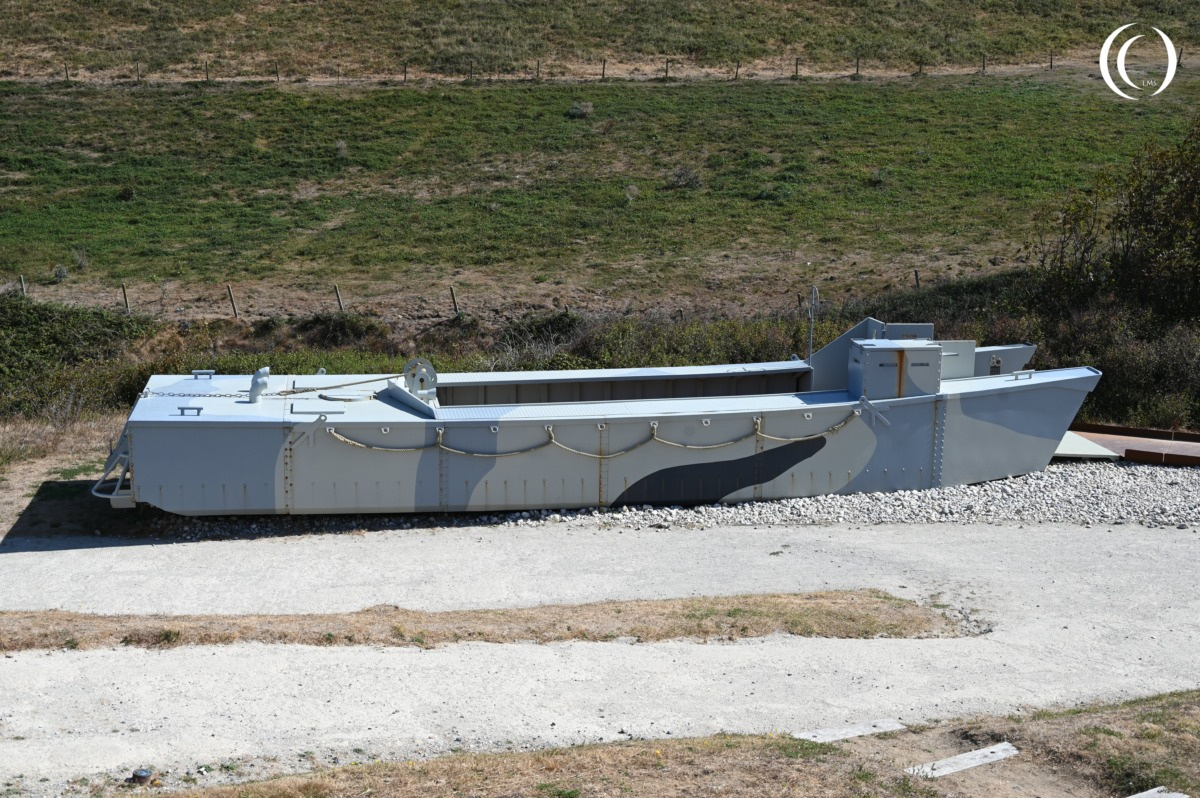
This model, built in 1939 by Thornycroft, was a perfect fit for the Royal Navy’s specifications: just over 12 m long and 3 m wide, a flat bottom to reach as close to the shore as possible, capacity for 35 infantrymen, a weight of around 5 tons, a low draught enabling troops to disembark at knee depth, a low silhouette and moderately noisy engines to enable silent approach.
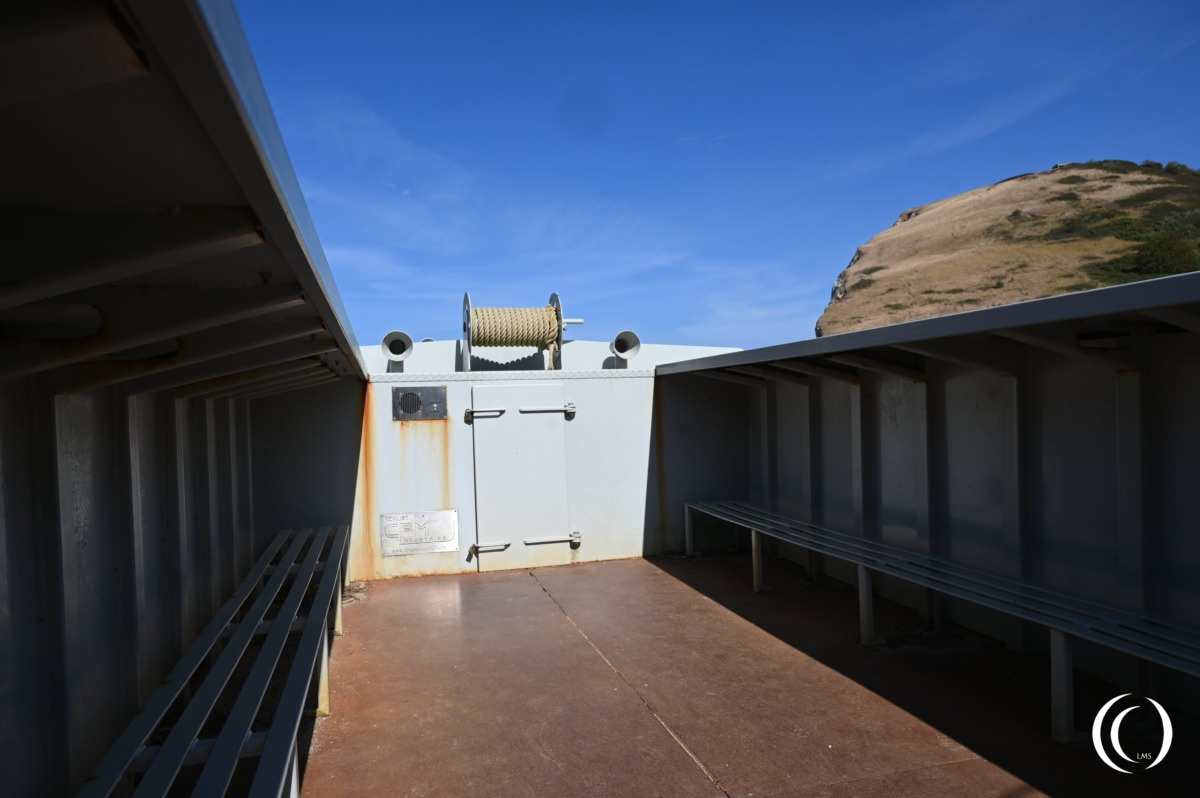
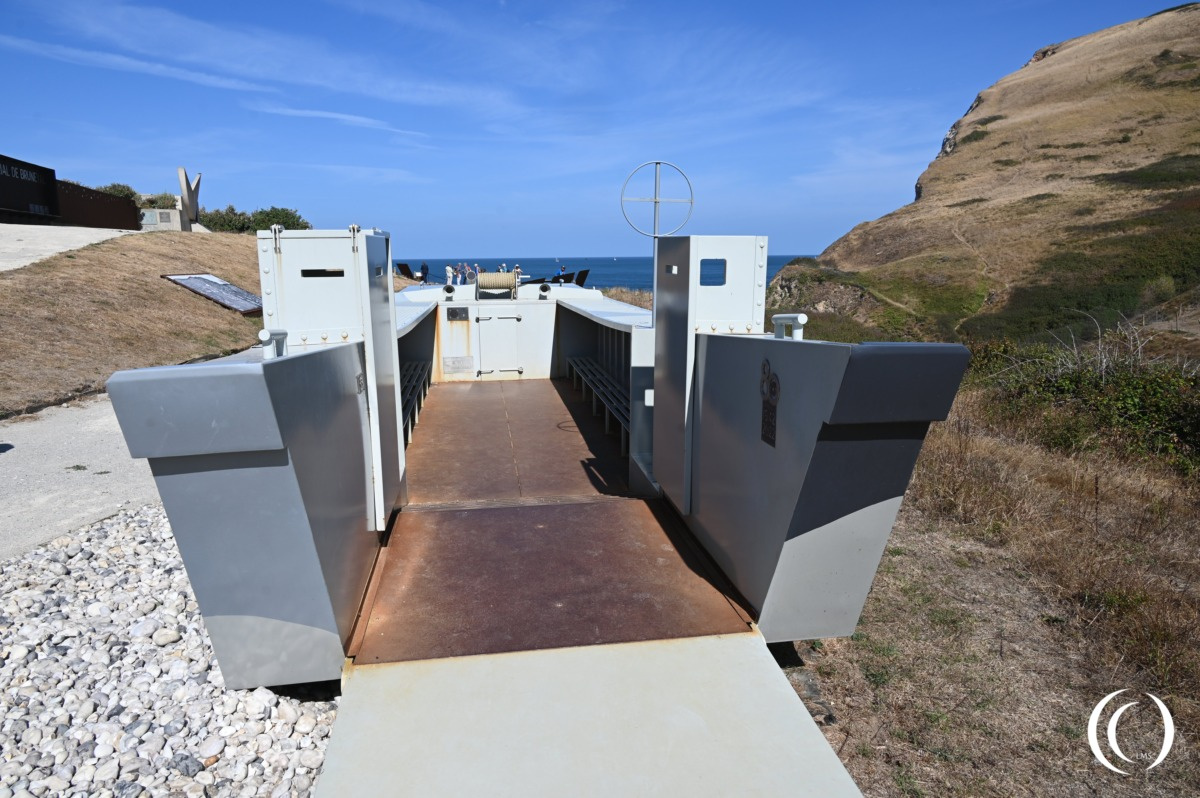
The plywood hull was clad with armour plate able to resist small arms fire. Forward on the starboard side, a small ramp compartment with a front hatch housed the coxswain, while an armoured bulkhead on the port side with a gun slit provided a gun shelter with a Bren light machine gun. A short ramp was lowered to enable soldiers to embark and disembark. Behind the ramp, two armoured doors with gun slits protected the troops.
This small landing craft was particularly well-suited to commando operations. Firstly, its low profile made it hard to see, with the soldiers sitting on three rows of benches. Secondly, its engines and exhaust system made it particularly quiet. On the other hand, its performance suffered from its low speed and short range.
Known as the ALC 2 for Assault Landing Craft 2, 1929 examples of this model and its derivatives were built. The name was changed to Landing Craft Assault (LCA) in 1942 at the Deepdale raid to bring it into line with the joint Anglo-American naming system (LCA).
When leaving port, the ALCs were transported on board a Landing Ship Infantry (LSI) and lowered into the water fully loaded using their davits.
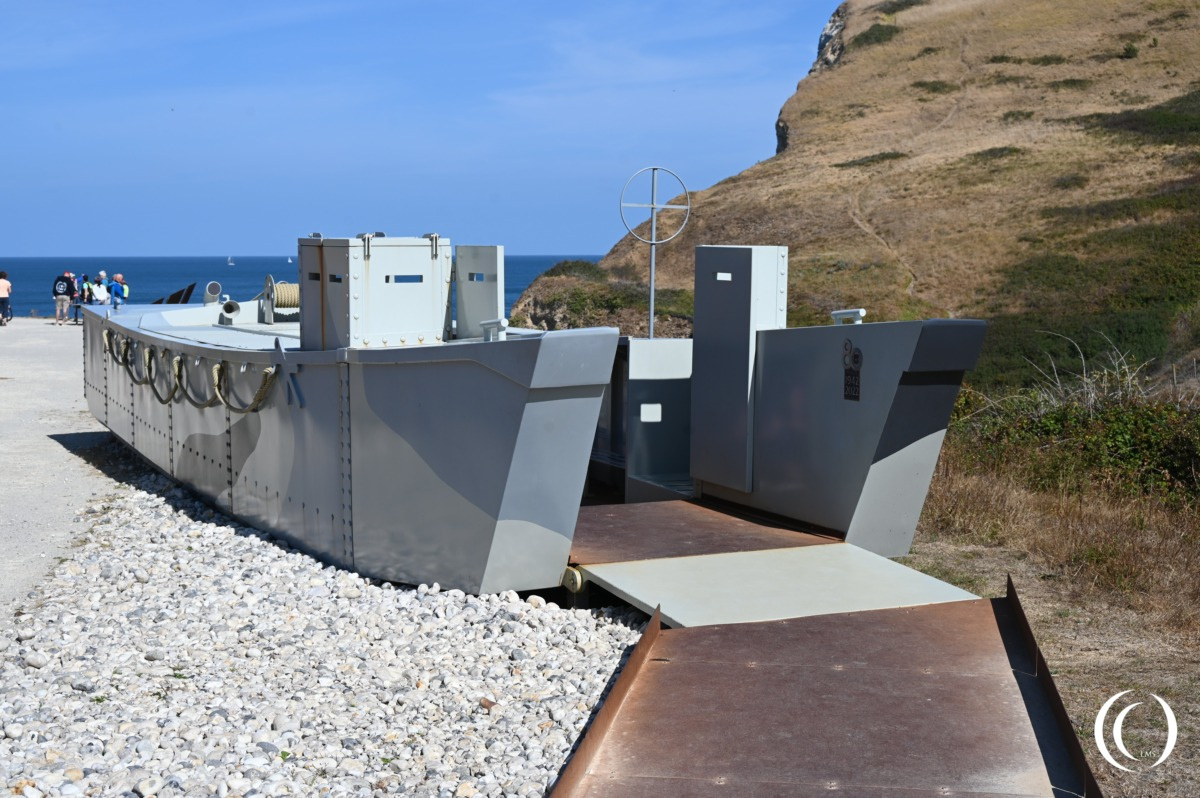
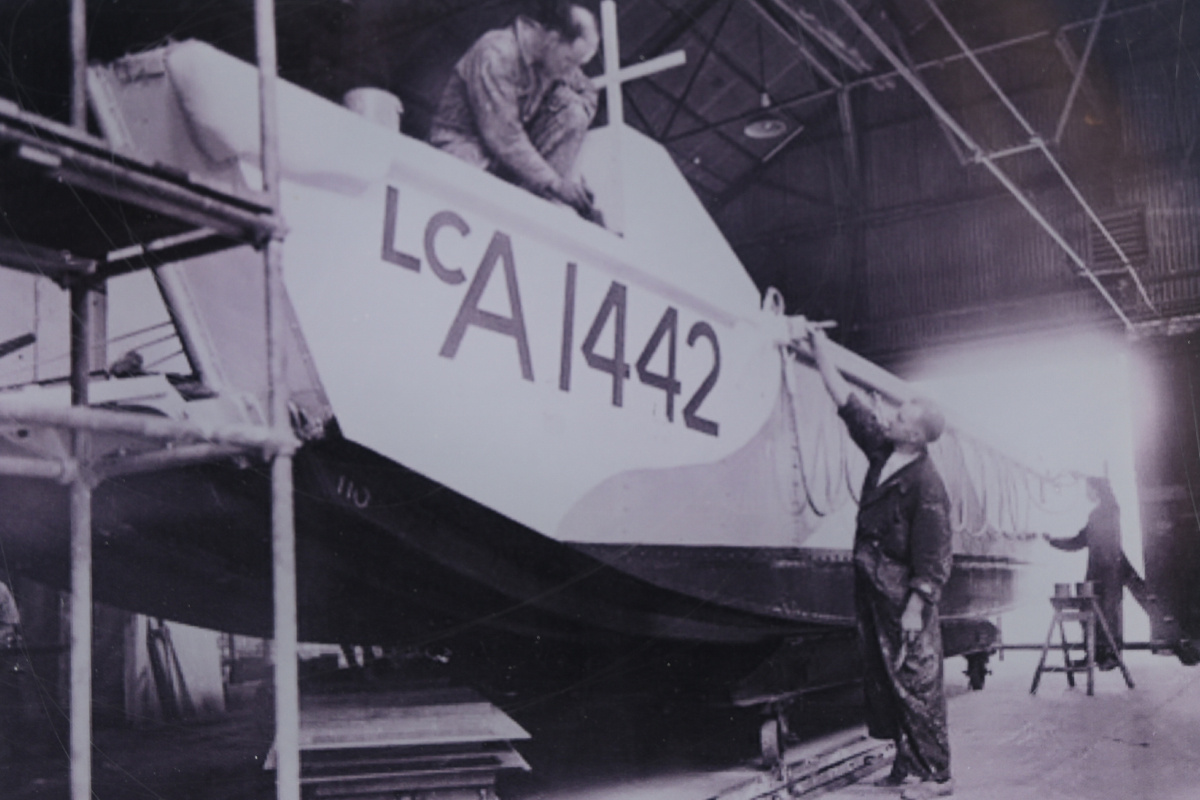
The Bruneval raid: a successful mission
During the Bruneval raid, a flotilla of six LCAs and two LCSs (Landing Craft Support) was transported by the Landing Ship Infantry Prince Albert and lowered into the water 38 kilometres off Bruneval beach. The landing craft approached silently through the night in columns, two by two, escorted by five motor gunboats. Arriving five kilometres off Bruneval, the flotilla waited for the signal, accompanied by five submarine chasers from the Free French forces.
During the evacuation, the boats commandeered embarked in chaotic conditions under German fire. One landing craft was beached, another broke down and in some craft the parachutists had to bale out with their helmets to regain open water. Several craft were overloaded, while others set off almost empty. Nevertheless, they managed to rejoin the fast gunboats, which towed them back to Plymouth.
Technical Specifications Landing Craft Assault (LCA)
The LCA crafts were built from 1939 until 1945 and about 2000 craft were completed. Throughout the war 371 were lost, 267 in 1944.
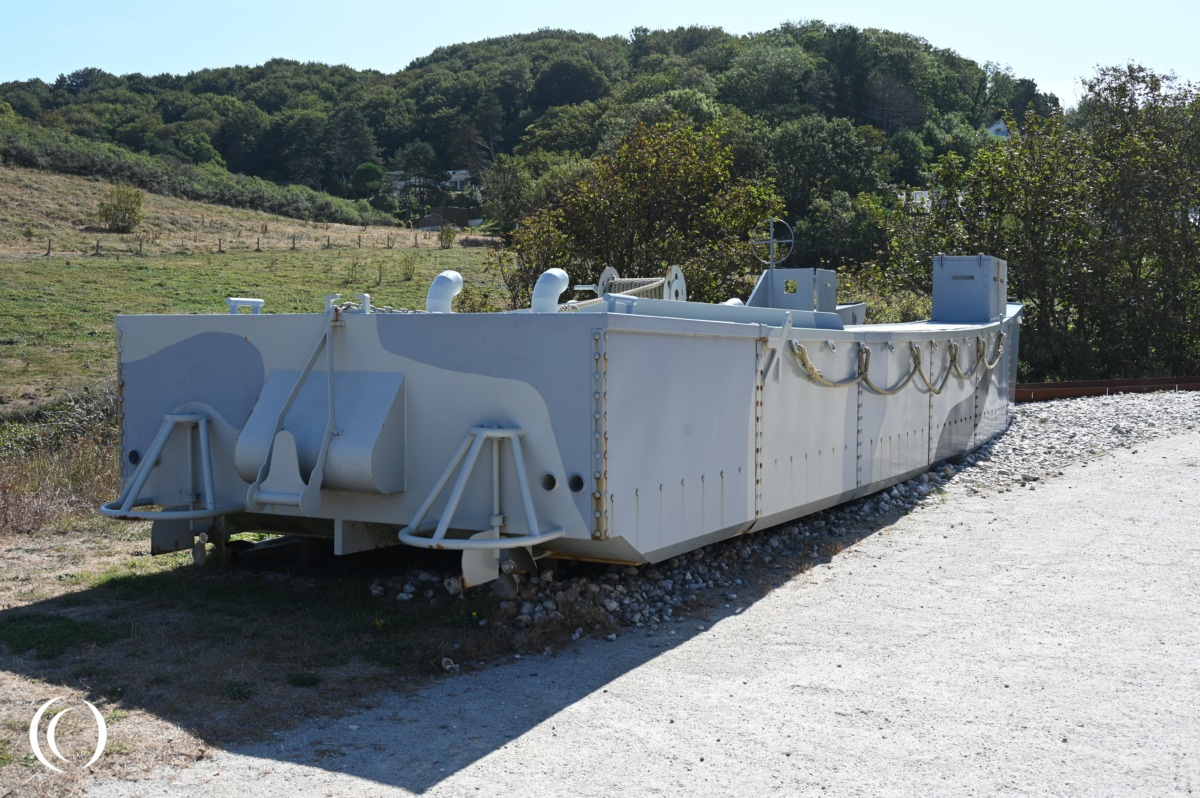
It was 41 ft 6 in (12.65 m) long, had a beam of 10 ft (3.0 m) and weigthed 9 long tons (9,144 kg).It was propulsed by two 65 hp Ford V-8 petrol engines which gave it a speed of 10 knots (19 km/h; 12 mph, and 6 knots (11 km/h; 6.9 mph) fully loaded. It had a range of 50–80 miles (80-128 km).
It had a four men crew – coxswain, two seamen and a stoker plus one officer per group of three boats.
The LCA could hold 36 troops or 800 lb (363 kg) cargo. It was armed with 1 × Bren light machine gun possibly 2 × Lewis Gun, 2 × 2-inch mortar fitted aft (later models) and had an armor of 10 lb. DIHT (.75 in (19 mm)) on bulkheads and sides and 7.8 lb. DIHT (.25 in (6.4 mm)) on decks above the troop well and engine space. It had a single ramp at the front.
Specifications varied between LCA variants and production batches, so individual craft could differ.
Visit
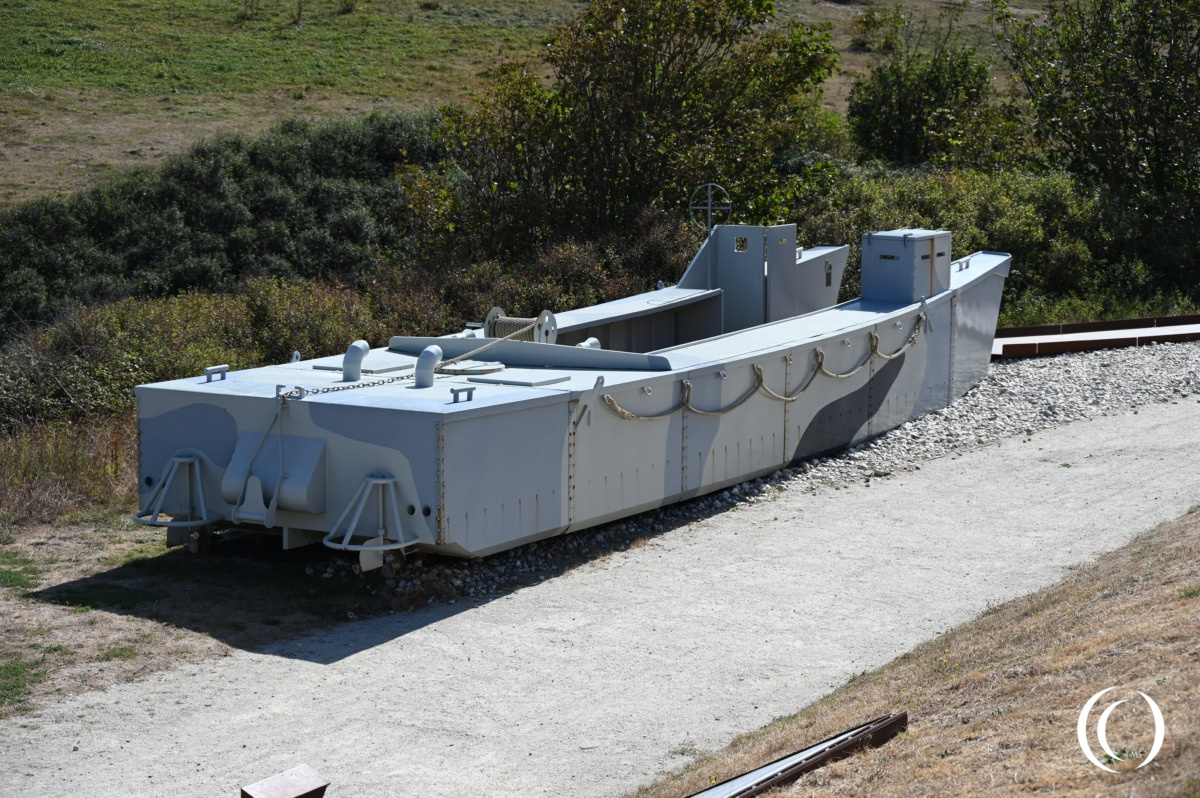
The Landing Craft Assault LCA can be found next to the Bruneval Raid Memorial at Saint-Jouin-Bruneval in France.
