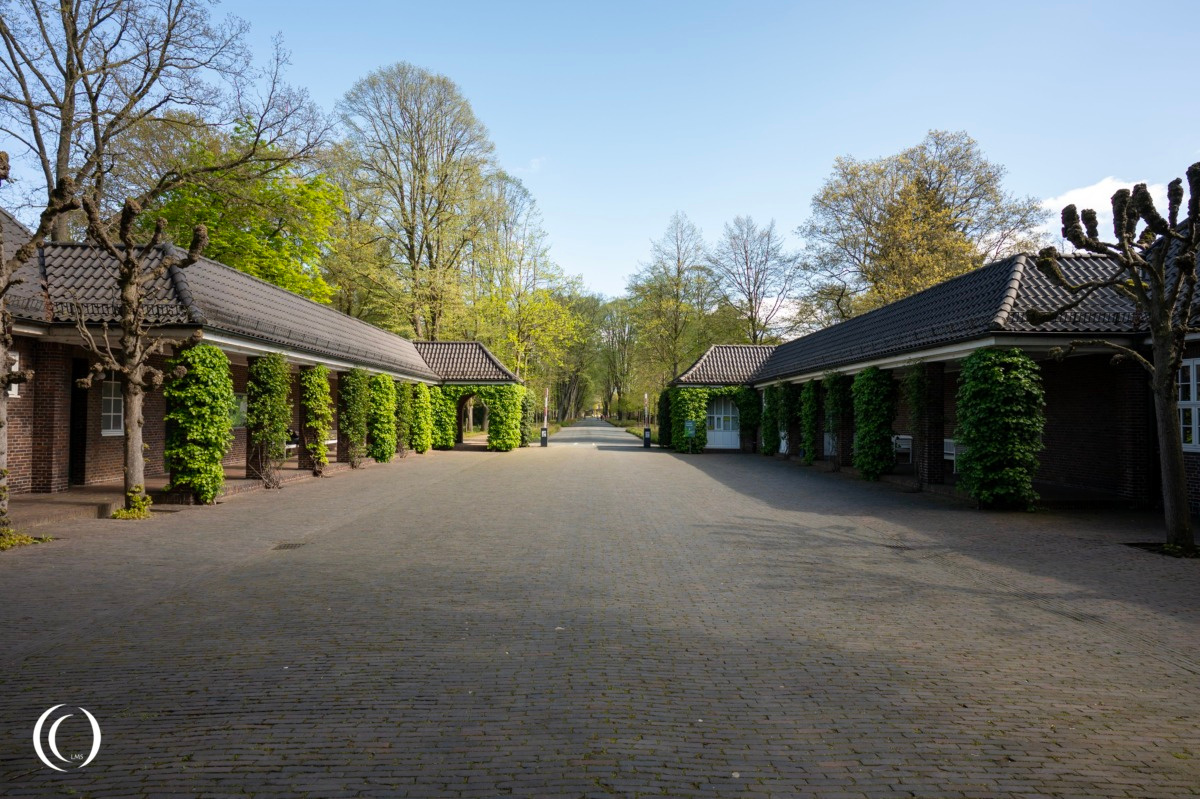
Cemetery or Friedhof Osterholz is the largest cemetery in Bremen and one of northern Germany’s most significant historic burial grounds. Opened on 22 May 1920, it covers approximately 79.5 hectares and was designed as a landscaped park cemetery, combining woodland, gardens, and carefully planned burial sections. It serves as both an active cemetery and an important place of remembrance. As the cemetery was located outside the city at this time, a streetcar line was set up from the city center to the main gate especially for the funeral cortege. After the Second World War, the cemetery was extended for the first time and a second time in 1967 to cover around 80 hectares. The site is now not only a cemetery and park, but also a cultural monument and a listed building. Today, around 120,000 dead are buried here.
During World War II, Friedhof Osterholz became the principal burial site for many victims of the conflict. It contains war graves and memorial fields for German soldiers, civilians killed during Allied air raids, foreign forced labourers, prisoners of war, and victims of Nazi persecution. More than 6190 (6192 in 2024) war dead are buried in several collective war-grave sections maintained by the Volksbund Deutsche Kriegsgräberfürsorge.
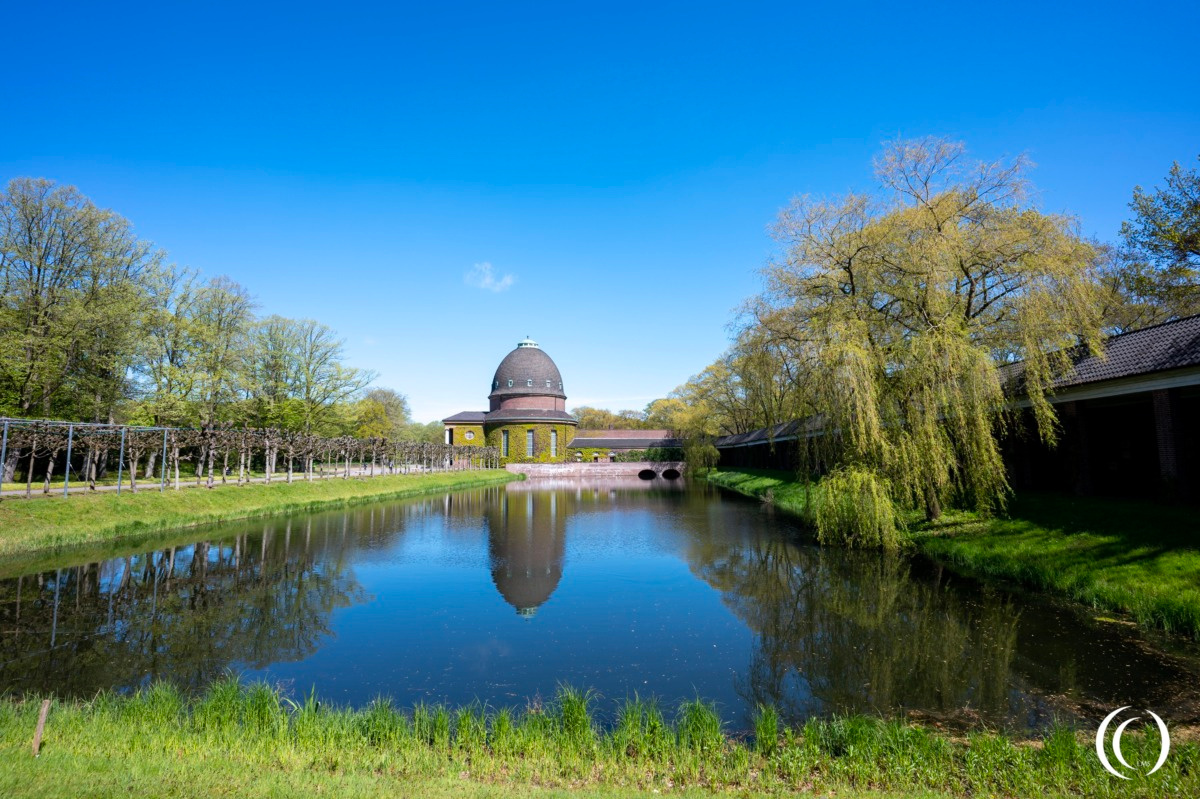
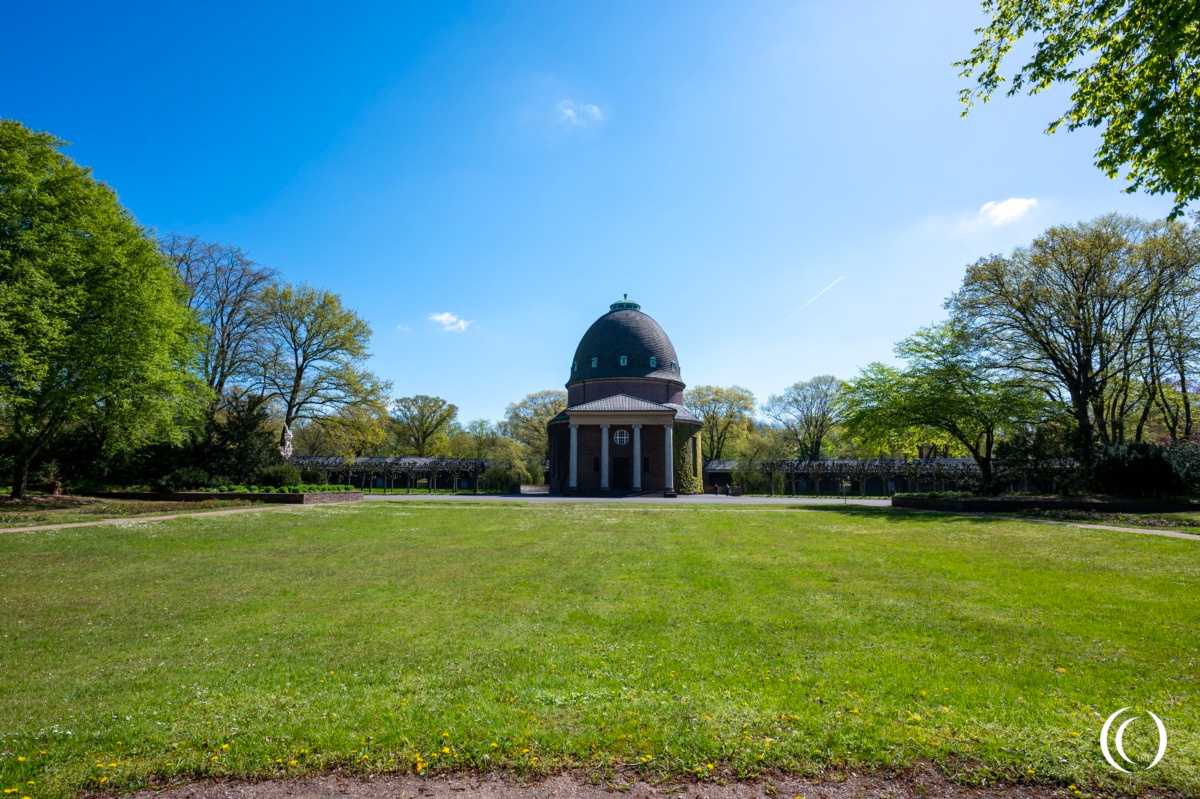
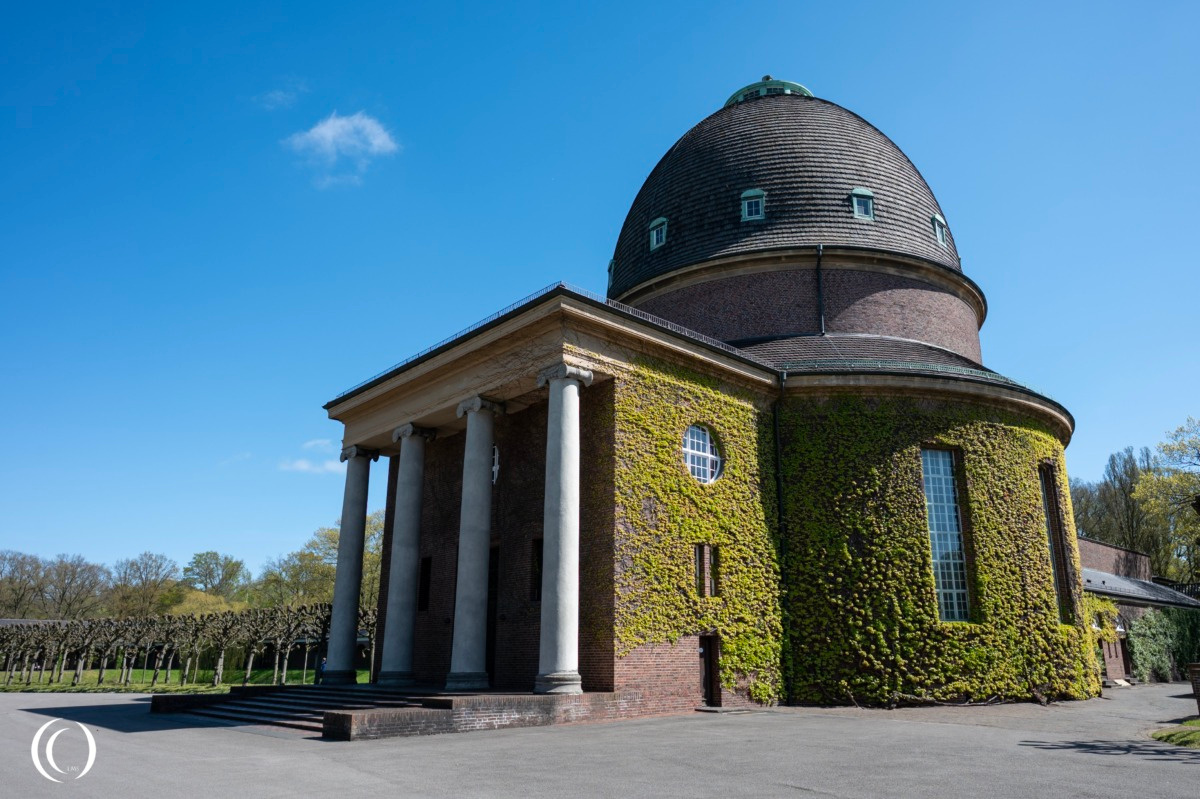
One of the cemetery’s most notable monuments is the sculpture “Brüderlichkeit und Tod” (brotherhood and death), designed by Paul Halbhuber, symbolizing reconciliation and the shared suffering caused by war. In addition to its military memorials, the cemetery contains the graves of prominent Bremen citizens, artists, scientists, and public officials.
Concentration camp victims and for German soldiers ww2
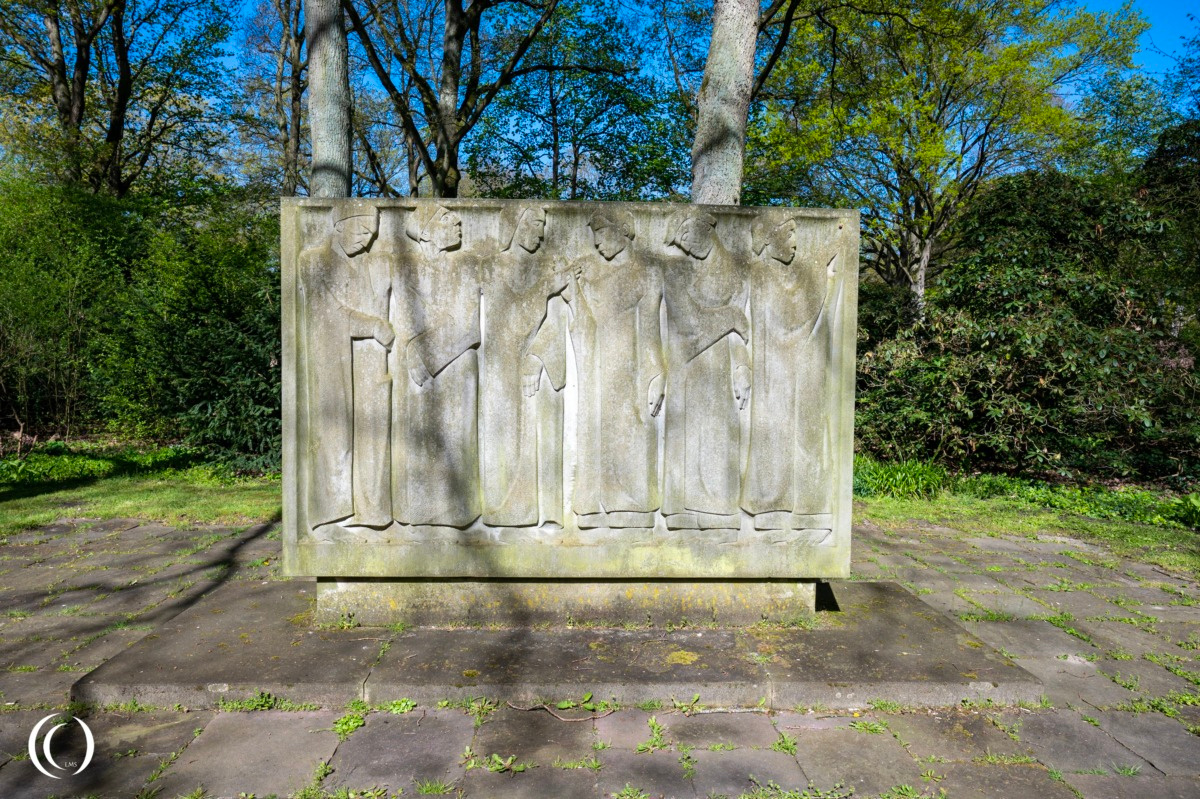
Friedhof Osterholz contains important memorials for both concentration camp victims and German soldiers who died during the Second World War. One memorial area commemorates concentration camp prisoners, foreign forced labourers, and civilians who died from starvation, disease, exhaustion, or abuse while imprisoned or compelled to work in Bremen, including victims connected with the Valentin U-boat bunker project. Nearby, separate war-grave sections contain the graves of German soldiers from the Wehrmacht, Kriegsmarine, and Luftwaffe who died during the war or in military hospitals. Maintained by the Volksbund Deutsche Kriegsgräberfürsorge, the cemetery serves as a place of remembrance, honouring all victims while promoting historical reflection, peace, and reconciliation.
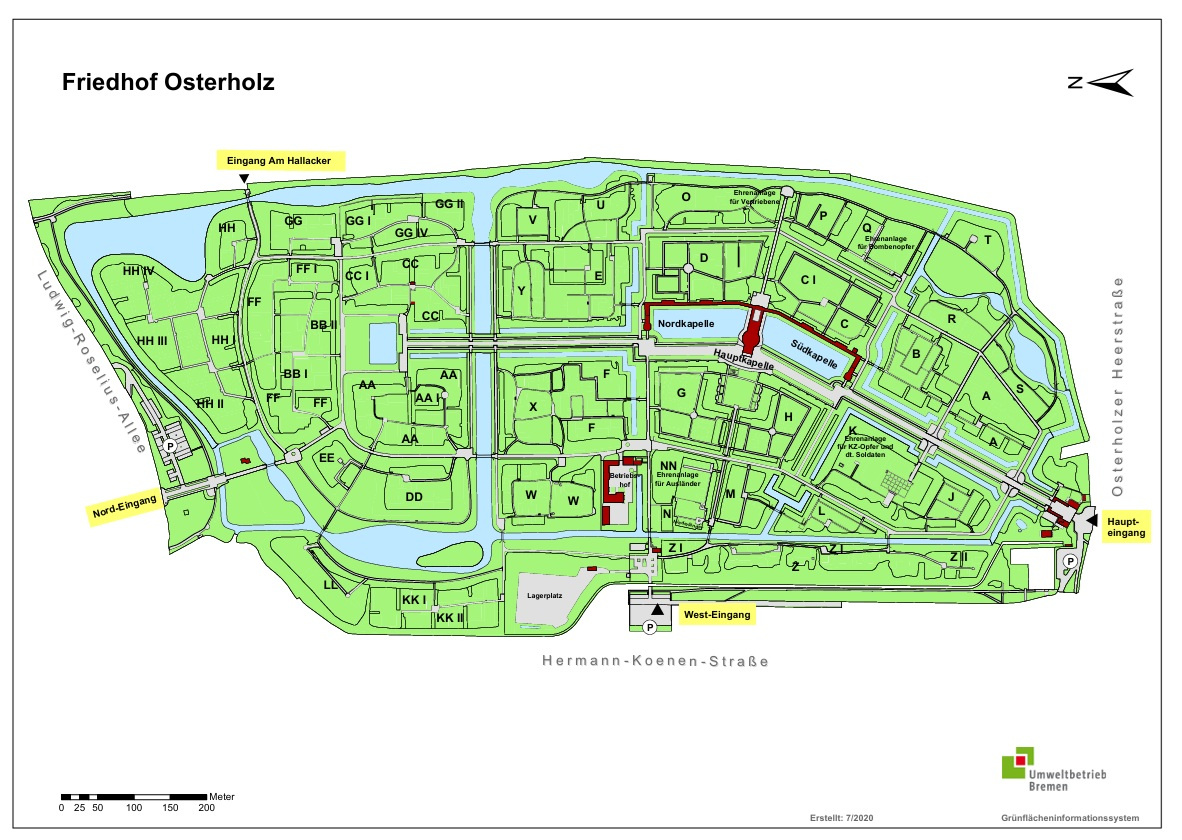
You will find them at plot K. 143 German and Russian soldiers from the First World War, 21 sailors from U boat SM U-51 and 653 Soldiers from the Second World War. A mass grave contains 1367 Bremen concentration camp and labor camp victims.
victims of Allied Bombing
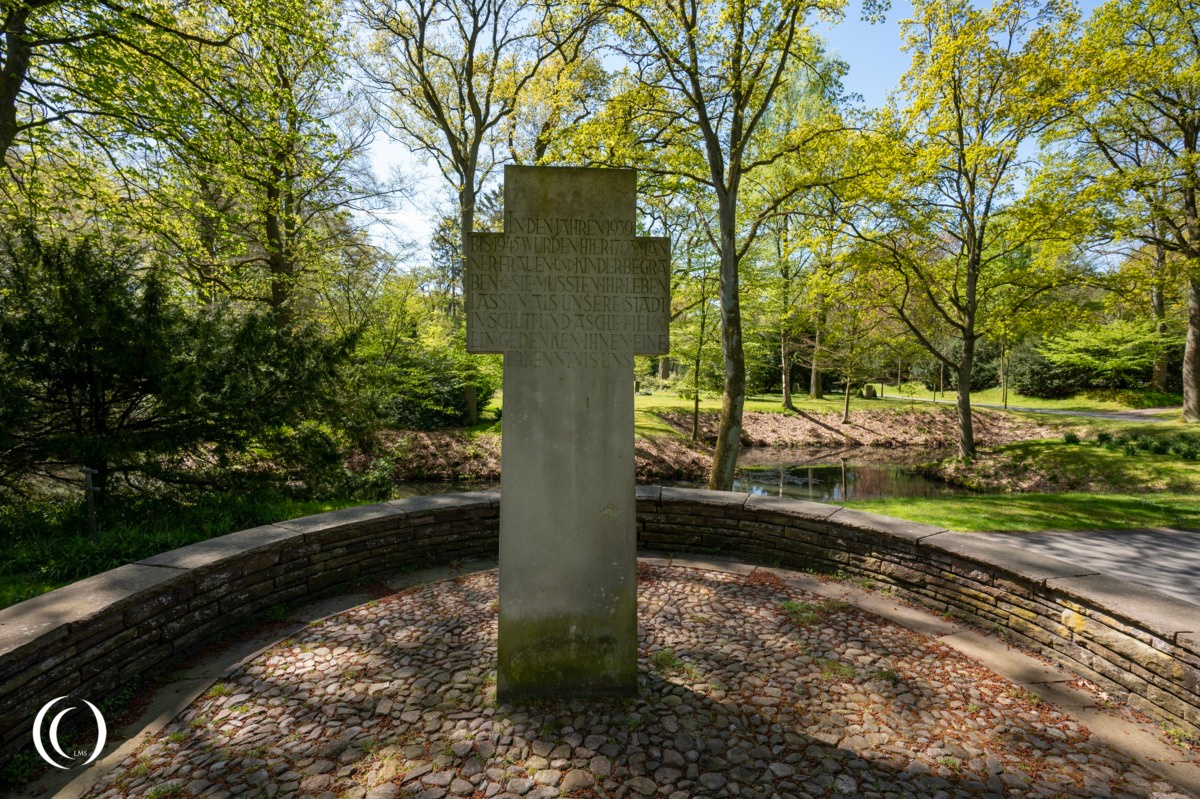
Friedhof Osterholz contains a memorial site dedicated to the victims of Allied air raids on Bremen during the Second World War. As one of Germany’s major ports and industrial centres, Bremen was heavily bombed between 1940 and 1945, resulting in thousands of civilian deaths. Many of those killed were buried in collective graves at Osterholz Cemetery. The memorial honours men, women, and children who lost their lives during the bombing campaigns and serves as a reminder of the devastating impact of aerial warfare on civilians. Today, the site is a place of remembrance and reflection, commemorating the city’s wartime losses while promoting peace and reconciliation for future generations.
At plot Q, 1703 people, many unidentified victims are buried here. The devastating allied air raid on Bremen, August 18-19,1944, happened in just 34 minutes. 274 British RAF aircraft, Lancasters, Halifax’s, and Mosquitoes, dropped 1120 tons of bombs on the north-western Bremen districts, the port area and the centre, killing 1059 people, destroying 8248 buildings and leaving 50,000 citizens homeless.
Displaced persons
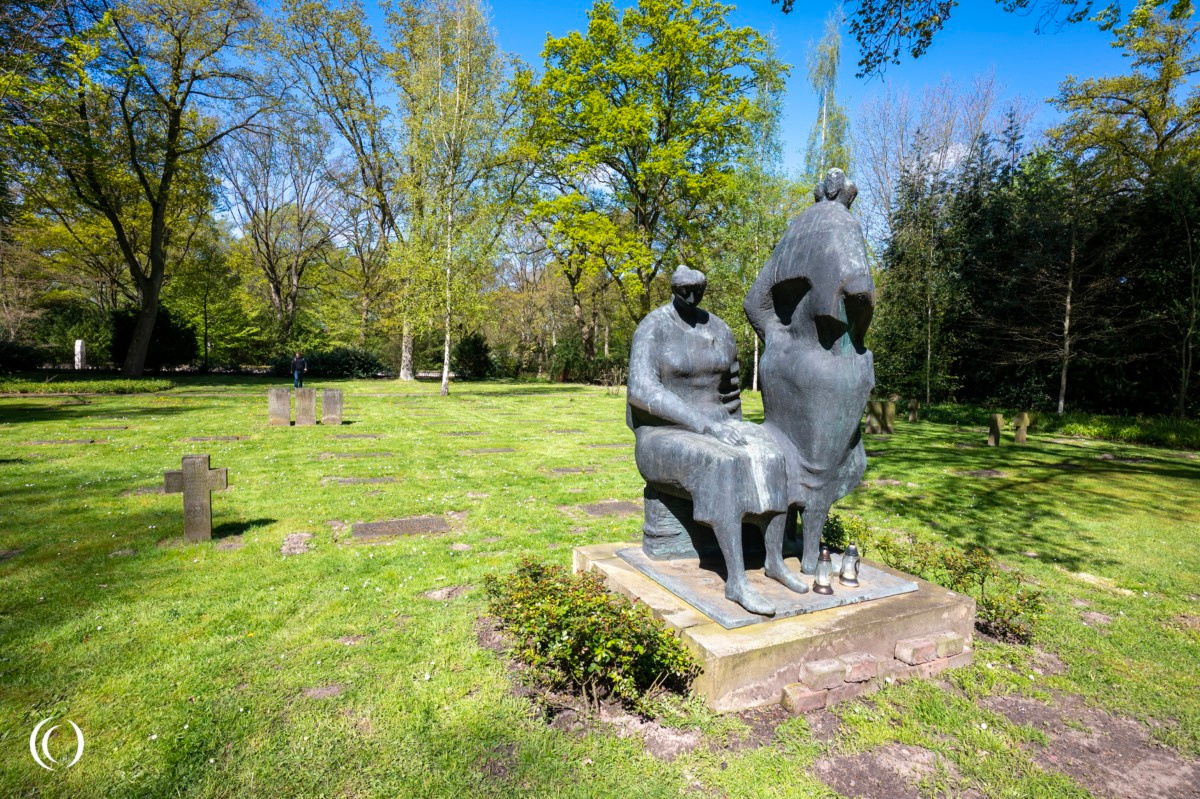
A memorial site dedicated to displaced persons (DPs) who died in the years following the Second World War. After 1945, Bremen became an important center for refugees and displaced persons from across Europe, including former forced labourers, concentration camp survivors, and civilians unable to return to their home countries. Some died from illness, malnutrition, or the effects of wartime hardship before they could be repatriated or resettled. They were buried at Osterholz Cemetery, where a memorial commemorates their fate. Today, this section of the cemetery serves as a reminder of the humanitarian crisis that followed the war and honours those whose lives were uprooted by conflict and persecution.
In the last months and the aftermath of the war German civilians were forced to leave their homes in the eastern parts of Germany as it was annexed by allied forces, Soviet, Polish etc. Killing, raping, forcing Germans to leave everything behind creating a huge exodus of men, deeper into their homeland and surrounding countries like Denmark. In 1956 120,000 refugees lived and died in Bremen. You will find them at plot O and P.
Field of Honour for the Dutch war victims
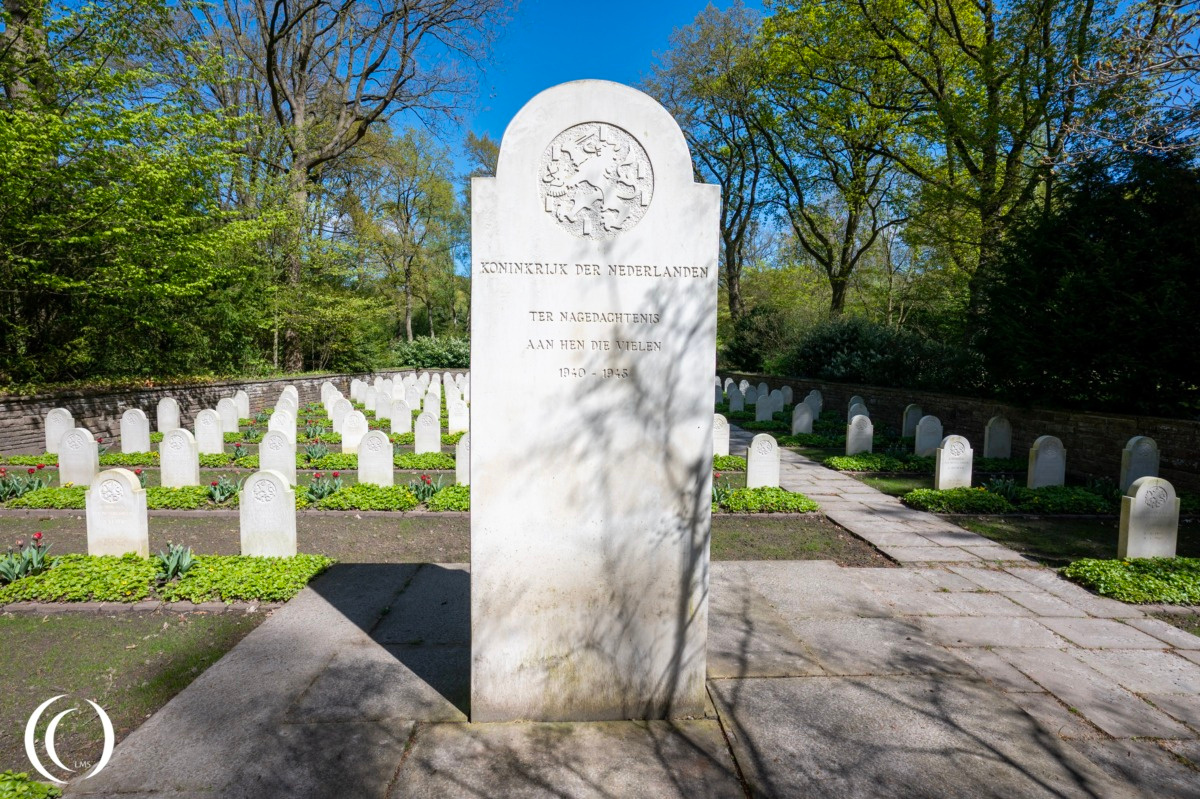
The Osterholz cemetery contains the Ehrenfeld (Field of Honour) for Dutch war victims, a memorial burial ground dedicated to 169 Dutch nationals who died in Bremen and the surrounding region during the Second World War. Most were civilians deported from the Netherlands as forced labourers and died from disease, exhaustion, malnutrition, bombing, or harsh working conditions. After the war, their graves were brought together into a single commemorative section to ensure permanent care and remembrance. A memorial cross marks the site, honouring the Dutch victims and symbolizing reconciliation between Germany and the Netherlands.
The memorial stones, 169 graves WW2 and 63 additional victims, can be found at plot N.
Foreign war victims
A memorial site for foreign war victims, commemorating people from many countries who died in Bremen during the Second World War. Those buried include forced labourers, prisoners of war, concentration camp prisoners, and civilian deportees from across Europe, including the Soviet Union, Poland, the Netherlands, Belgium, France, Italy, and other occupied nations. Many died from disease, malnutrition, exhaustion, bombing, or mistreatment while working in wartime industries or construction projects. The memorial honours their suffering and sacrifice, regardless of nationality. Today, this section of Osterholz Cemetery serves as a place of remembrance, promoting historical awareness, reconciliation, and peace while preserving the memory of the foreign victims of Nazi persecution and war.
Plot NN has burial grounds with 1300 known forced laborers, adjacent a burial ground with 800 unknown forced laborers, a total of 2,136 victims.
Burial ground of those who died in the military hospital
The Osterholz cemetery has a burial area for soldiers and military personnel who died in military hospitals (Lazarette) during the Second World War. Many wounded German servicemen from the Wehrmacht, Kriegsmarine, and Luftwaffe were brought to hospitals in Bremen and the surrounding area, where some later died from their injuries or illnesses. Their graves are arranged within the cemetery’s war-grave sections and are maintained as places of remembrance. The burial ground reflects the heavy human cost of the war, recording the fate of those who survived combat but died from their wounds. Today, it forms part of Osterholz Cemetery’s wider memorial landscape dedicated to the victims and consequences of war.
Plot K has143 German and Russian graves with World War One soldiers.
Monument 1870/71 and other historical gravestones
Several historical monuments and preserved gravestones that reflect Bremen’s military and social history. Among them is a memorial dedicated to the Franco-Prussian War of 1870/71, commemorating soldiers connected with that conflict. Although the cemetery itself was opened in 1920, older memorial traditions and transferred historic graves connect it with earlier generations. The site also contains notable family graves, artistic tombstones, and memorials to prominent citizens of Bremen. These monuments illustrate changing burial customs, public remembrance, and the impact of major historical events on local communities. Together, they make Friedhof Osterholz not only a burial place but also an important cultural and historical landscape.
Plot T has 47 German Soldiers from the Franco-Prussian war from 1870/1871.
Visit
Friedhof Osterholz is valued not only as a burial ground but also as a cultural and historical landscape. Its avenues of trees, monuments, and memorials provide visitors with a place for reflection on Bremen’s history and the human cost of war. There are parking spaces at the Main- and West entrances, and the cemetery is wheelchair accessible. Check the website and the signs at the entrances for opening hours.
Sources
- Kriegsgraeberstaetten.volksbund.de
- Wikipedia
- umweltbetrieb Bremen
- masterbombercraig.wordpress.com (Pathfinder Craig)
