Carl F.W. Borgward
Carl Friedrich Wilhelm Borgward was born on November 10, 1890, in Hamburg. In 1913, he studied engineering at the Leibniz University in Hanover. During the First World War, he was drafted into the army in 1914. He was wounded in 1915 and had to leave military life behind due to his injuries.
He began his career in engineering and joined the Bremer Reifenindustrie in 1919. In 1924, he developed the three-wheeled Blitzkarren, marking the beginning of his automobile business. He later founded and expanded the Borgward Group, producing brands such as Borgward, Goliath, Hansa, and Lloyd. His most famous car was the Borgward Isabella, introduced in 1954. Next to cars and small three-wheelers the brand produced 10-ton trucks.
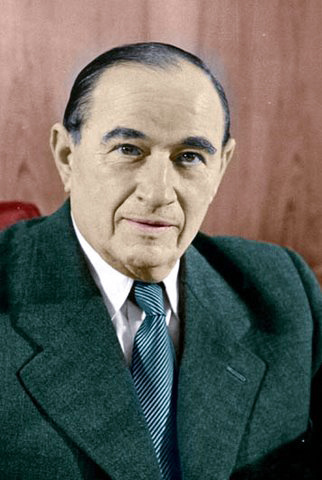
Borgward during World War Two
During the Second World War Carl was given the title of Wehrwirtschaftsführer (Eng. Armament Economy Leader). Borgward expanded significantly under the Nazi regime. During WWII, its companies produced military equipment, including trucks, engines, half-track vehicles, and other components for the German armed forces. Production increasingly depended on forced labourers, including foreign civilian workers and prisoners of war who were compelled to work in Bremen factories under harsh conditions, including inadequate food, poor living conditions, and long working hours.
Borgward developed the Sd.Kfz. 302/303 Goliath, a small remotely controlled tracked demolition vehicle used by the German military. It carried an explosive charge and was intended to destroy fortifications and other targets.
The Borgward factories in Bremen were heavily affected by Allied bombing, particularly in the later years of the war. After 1945, the company was rebuilt and returned to civilian automobile production, becoming famous for cars such as the Isabella.
Borgward’s industrial facilities became important targets for Allied bombing raids, which caused considerable damage to Bremen’s industrial infrastructure. Many workers and civilians were affected by the bombing and wartime conditions. After Germany’s defeat in 1945, Borgward faced the consequences of its wartime activities and was eventually rebuilt as a civilian automobile manufacturer. The company was rebuilt and returned to civilian automobile production, becoming famous for cars such as the Isabella.
The company went bankrupt (unnecessary) in 1961. Carl Borgward died at 72 of a heart attack on July 28, 1963.
Car Borgwards father was Wilhelm Borgward, a coal merchant and his mother was Elisabeth Borgward. He was married twice, first with Alwine Bauersfeld. They married in 1913, they divorced, around 1935 and had one son, Kurt Borgward (1913–2008). His second wife was Elisabeth Rühl (1909–2000). They married in 1935, and she remained his wife until his death in 1963. They had three children: Peter, Claus, and Monica Borgward.
Kurt Borgward (1913–2008)
Peter C. F. Borgward (1937–1989)
Claus Borgward (1938–1999)
Monica Borgward (1941–2025)
Marlies Borgward (born Marlies Meyerdierks in 1939, died in 1971) was the wife of Peter Borgward.
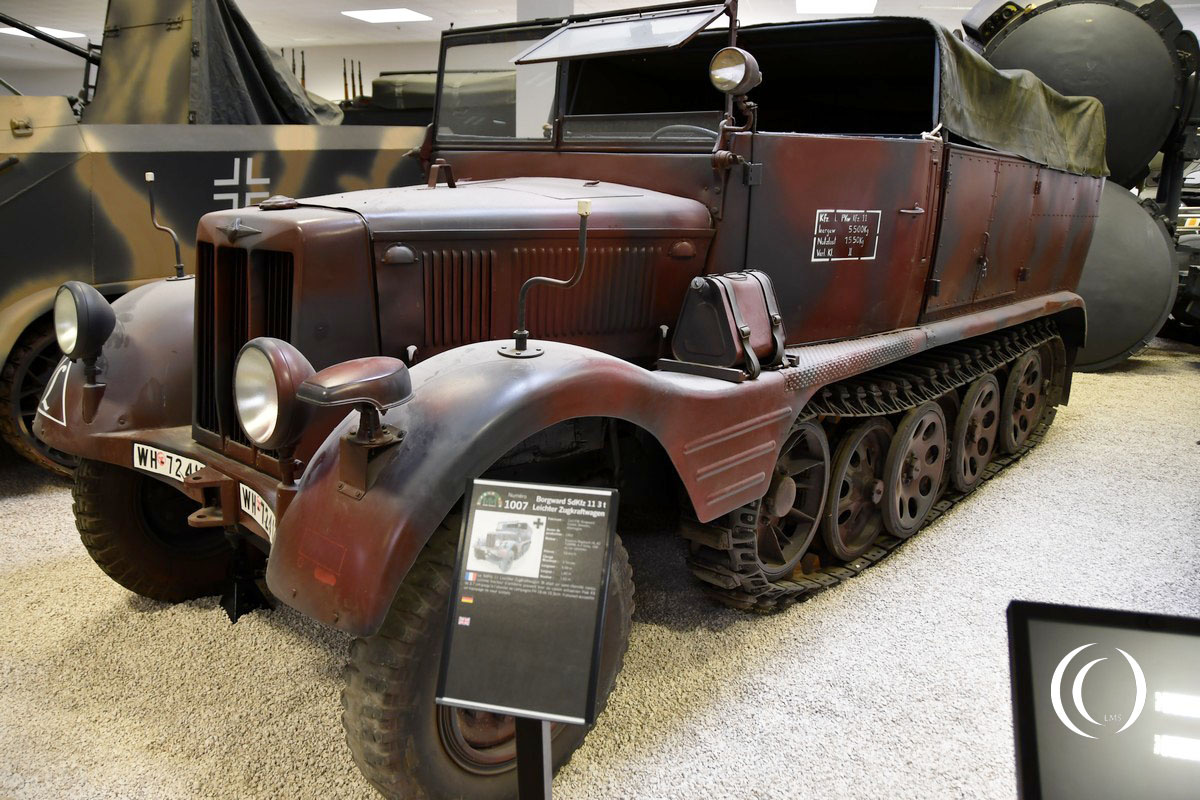
Borgward Vehicle production during WW2
A List of Borgward-produced or Borgward-built vehicles used by Germany during World War II.
Some were produced by Borgward itself, while others were built at Borgward/Hansa-Lloyd facilities under the German wartime production system.
Vehicle – Type – WWII use
Borgward B 3000, a 3-ton truck, Transport, supply and military logistics
Borgward L 2000 / L 2300, a 1.5-ton truck , General transport
Borgward L 1400, a 1-ton truck, Light transport
Borgward Europa V, a 2.5-ton 6-wheel truck. Military/general transport
Borgward, a 5-ton truck, Heavy truck Transport
Borgward HL kl 6 / Sd.Kfz. 11, Half-track, Towing artillery and equipment
Borgward HL m 11 / Sd.Kfz. 7, 8-ton half-track, Towing heavy artillery and vehicles
Borgward IV / Sd.Kfz. 301, Remote-controlled demolition vehicle Demolition and assault operations
Goliath / Sd.Kfz. 302/303, Remote-controlled demolition vehicle Destroying tanks, bunkers and fortifications
The Borgward IV was particularly notable: it carried a large explosive charge and could release the charge at its target before the vehicle withdrew.
The Goliath was also associated with Borgward’s Bremen development and production network, although production involved other companies as well.

Visit
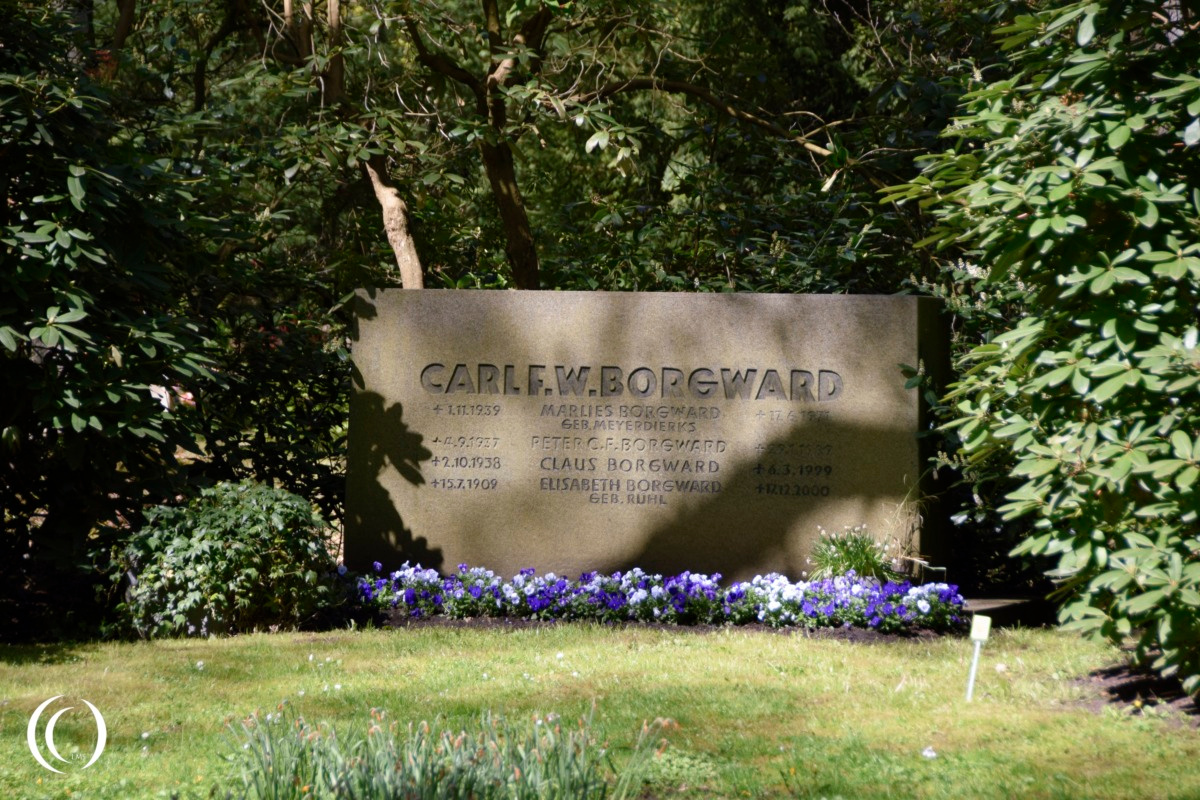
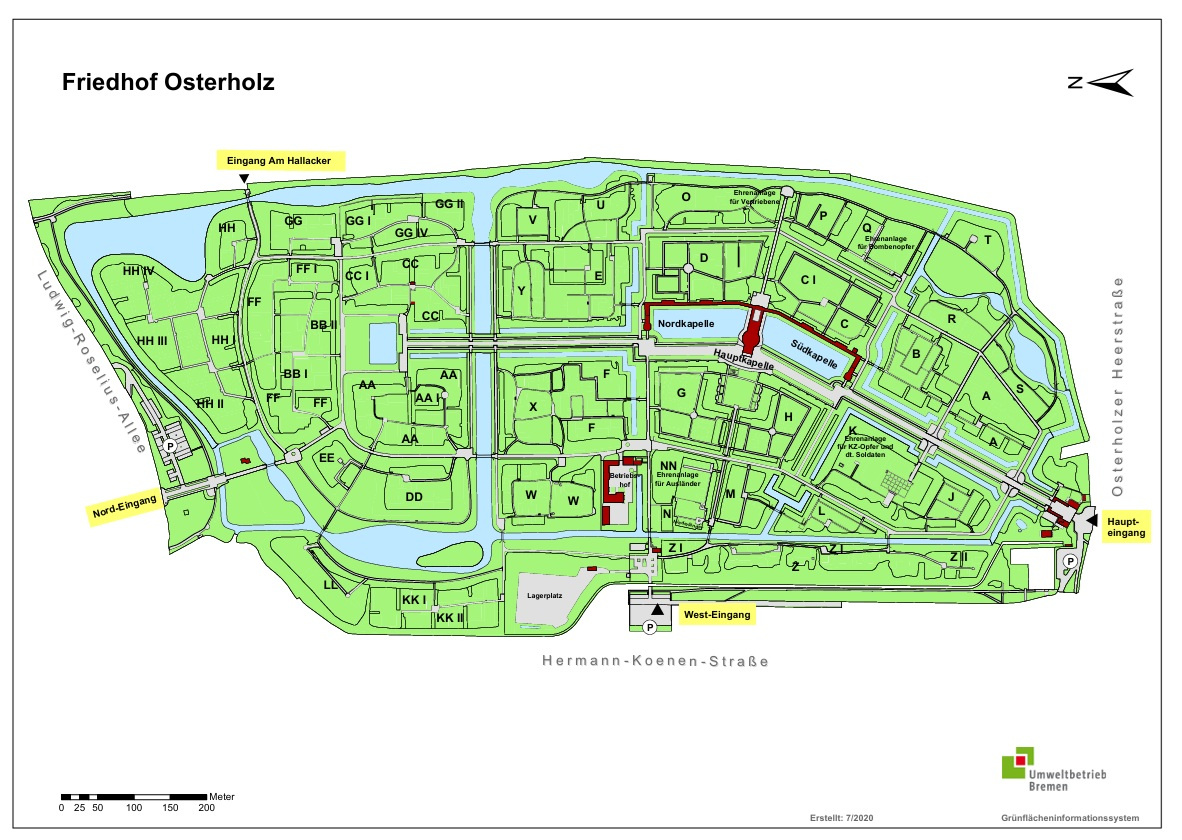
The grave of Carl Borgward can be found at the Osterholz cemetery in Bremen Germany between plot L and M
sources
- borgward.org.uk
- discovergermany.com
- Wikipedia
