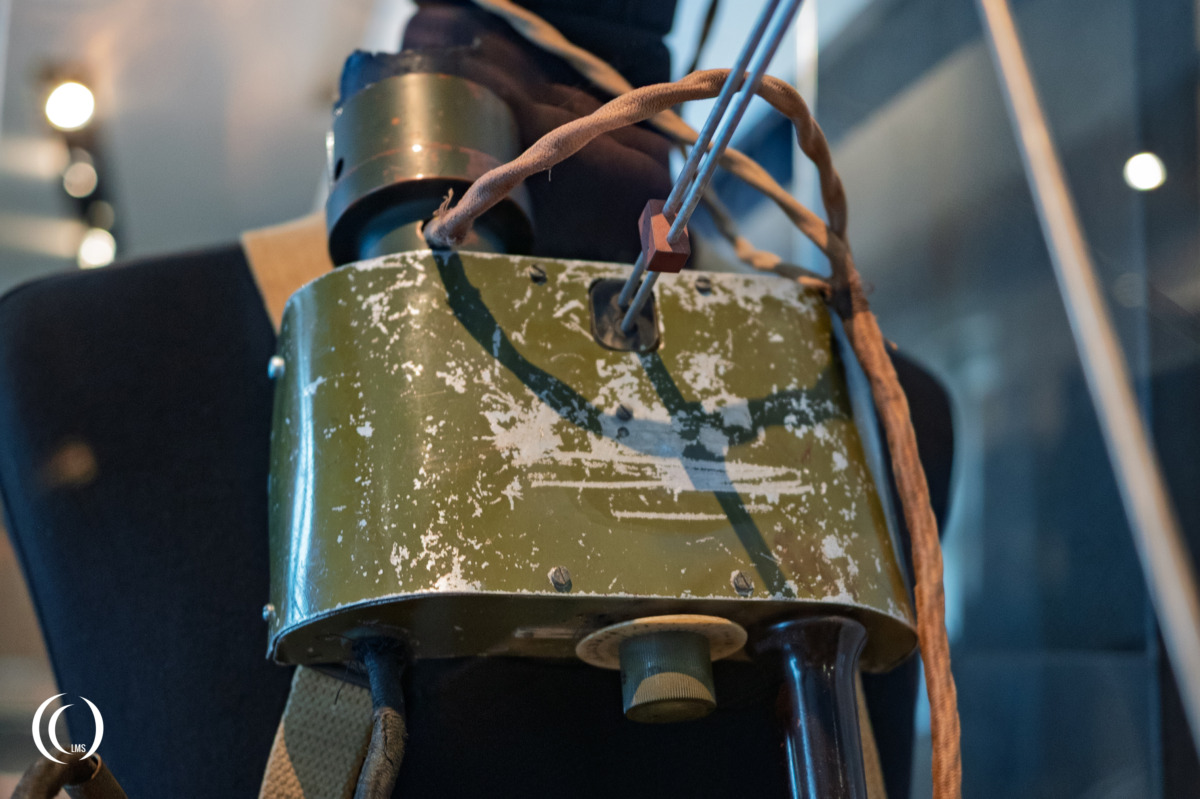
The S-Phone UHF duplex radiotelephone system was a short-range wireless communication technology developed during World War Two for voice transmission over ultra high frequency (UHF) bands. Designed by the British Royal Signals Corps the S-Phone was primarily intended for military use by Special Operations Executive (SOE) agents deployed in enemy territory, where it enabled full-duplex communication, meaning users could speak and listen simultaneously, much like a conventional telephone. The equipment allowed the agents to communicate with friendly aircraft and coordinate landings and the dropping of other SOE agents and supplies.
Opereration
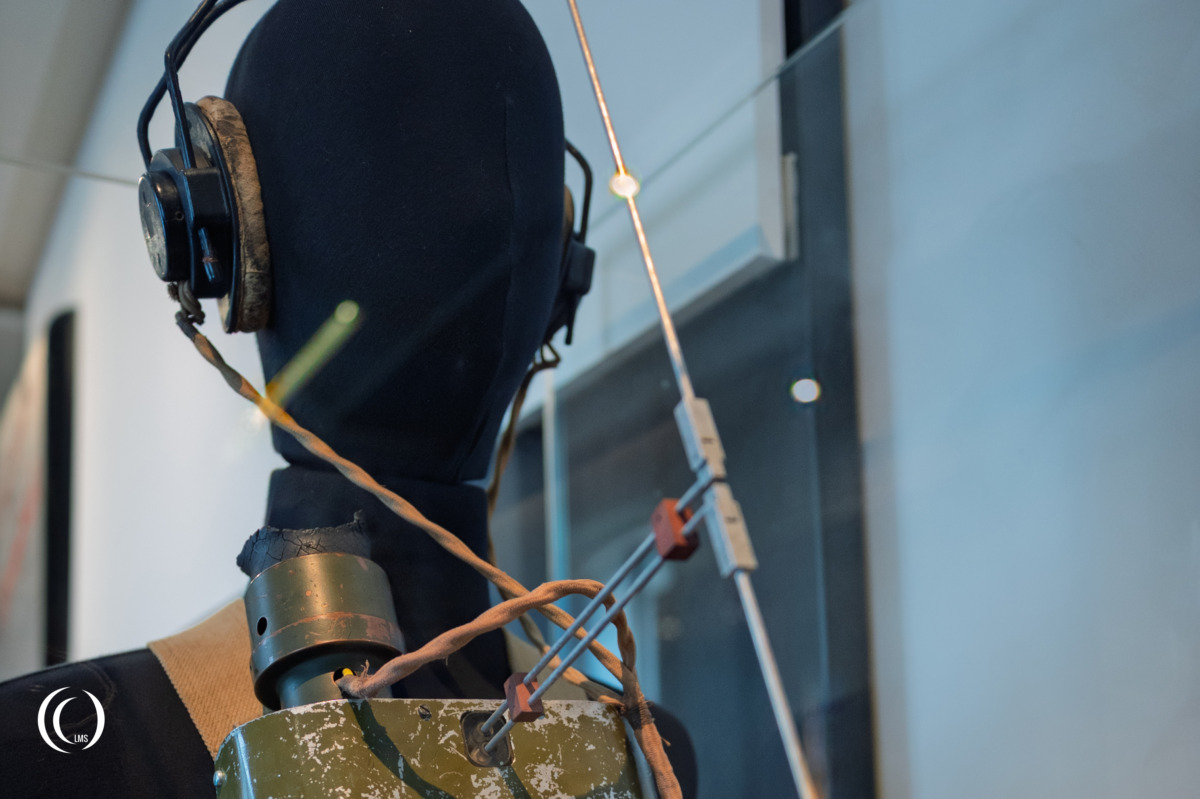
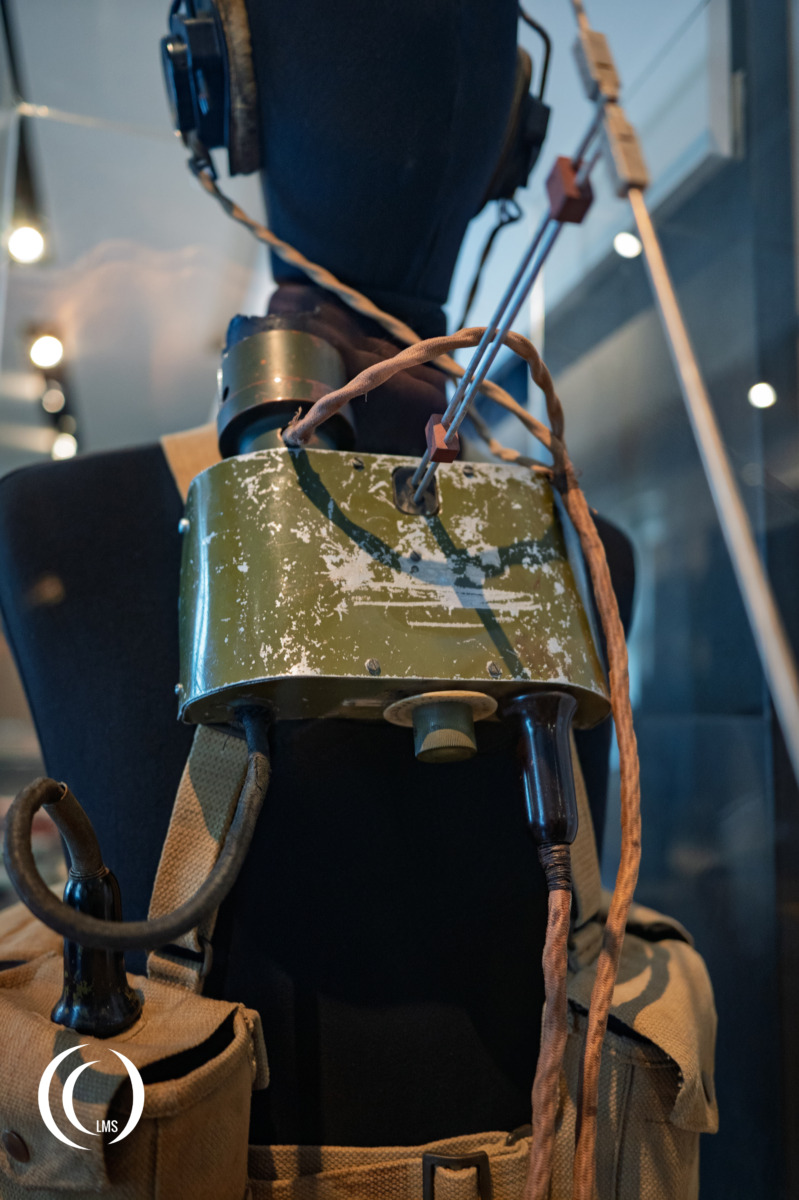
The S-Phone was designed as a “ground” set and an “air” set. The ground set was used by the SOE agents and consisted of a transmitter, receiver, antenna, headset and a battery made up of ten rechargeable cells. The complete set weighed around 7 kilo’s and was small enough to fit in a suitcase for transportation. During its use the operator could carry the set using canvas straps.
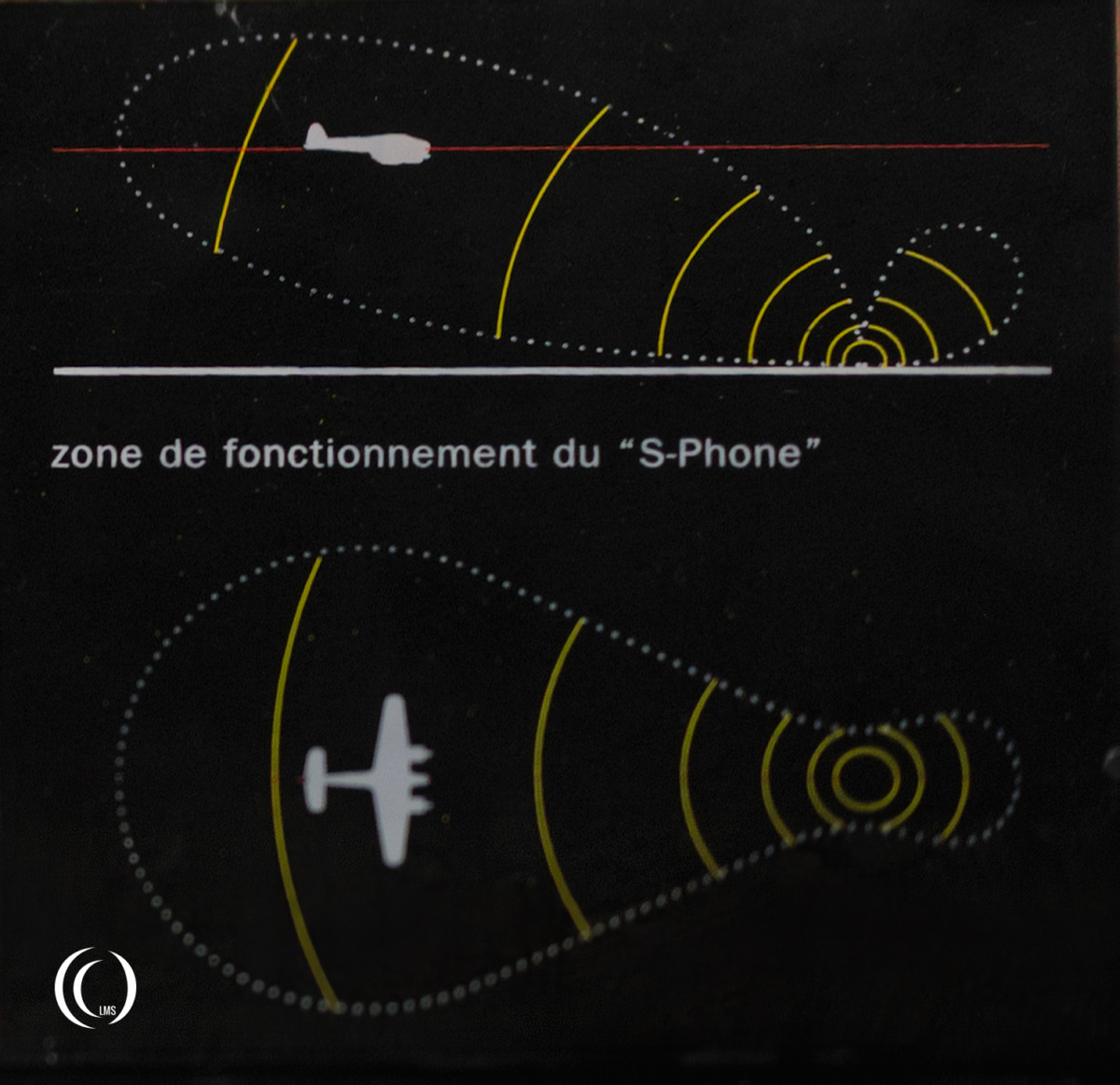
Operating in the UHF spectrum allowed the system to provide relatively clear audio with reduced interference compared to lower-frequency systems. Because different frequencies were used for reception and transmission, no single receiver could overhear both sides of a conversation. However, its effective range was highly directional and typically limited to line-of-sight distances with a maximum signal range of 48 kms (30 miles) horizontally and 3kms (10,000 feet) vertically, which required the agent to face the exact flight path of the aircraft. The upside to this was that its signals could not easily be picked up by enemy ground monitoring stations, but the downside was that aircraft had to fly within range of the feared German FlaK anti-aircraft guns.
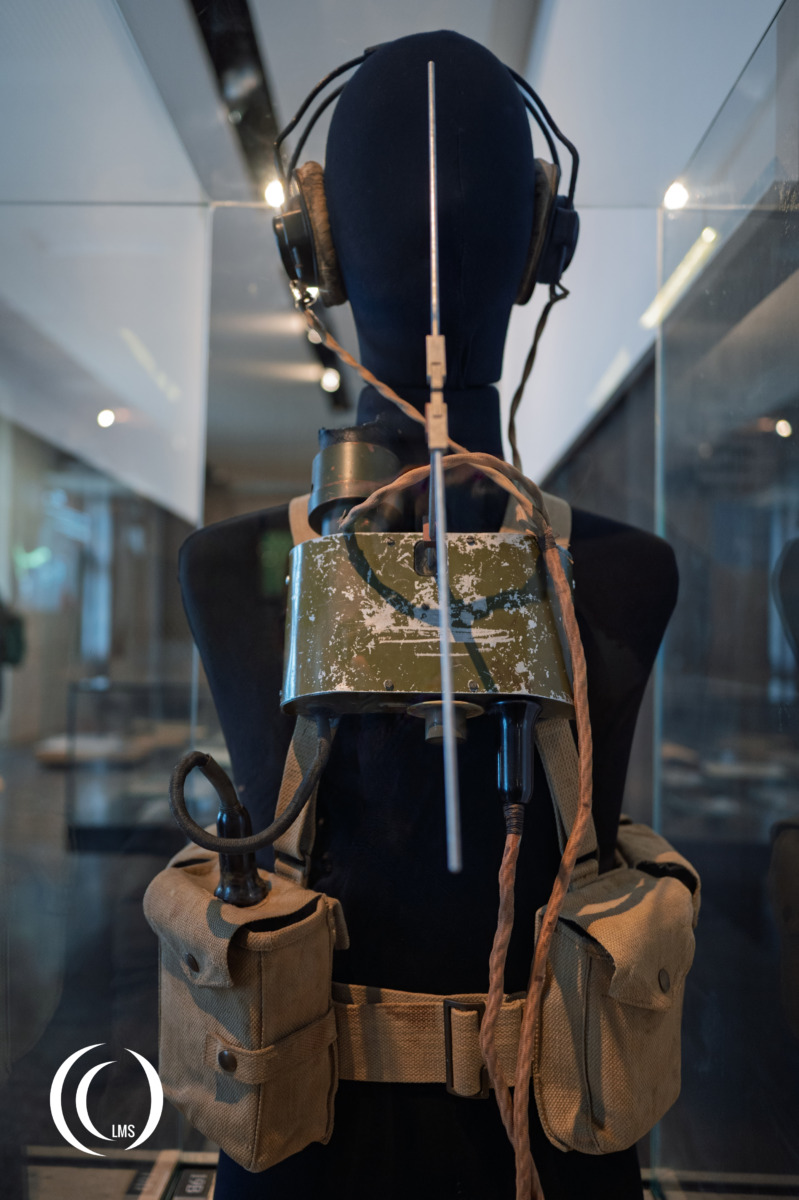
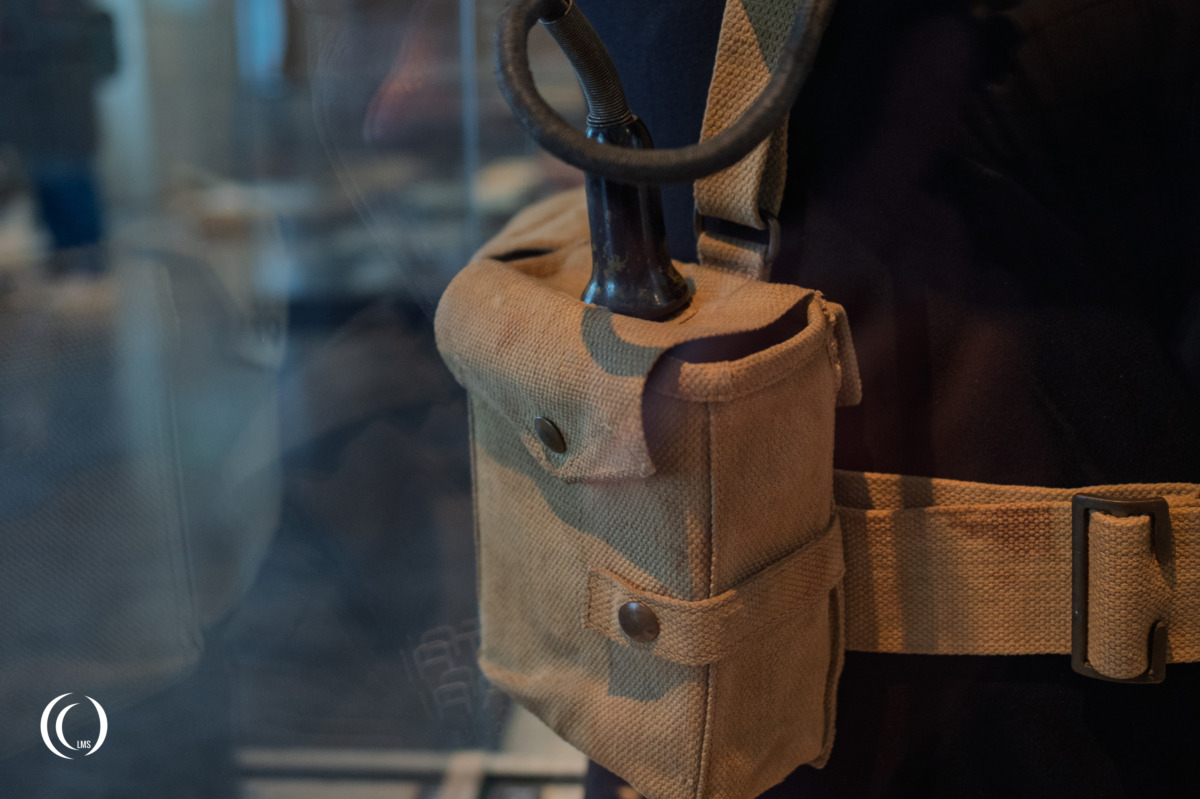
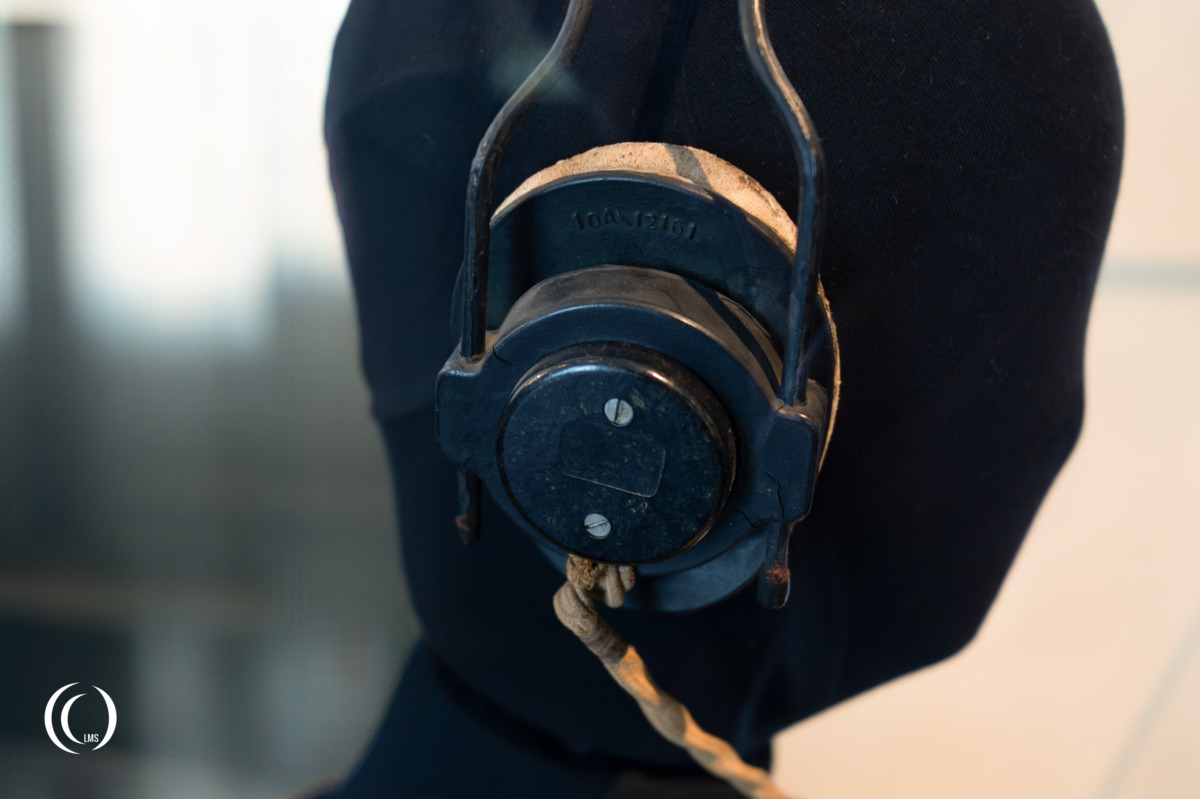
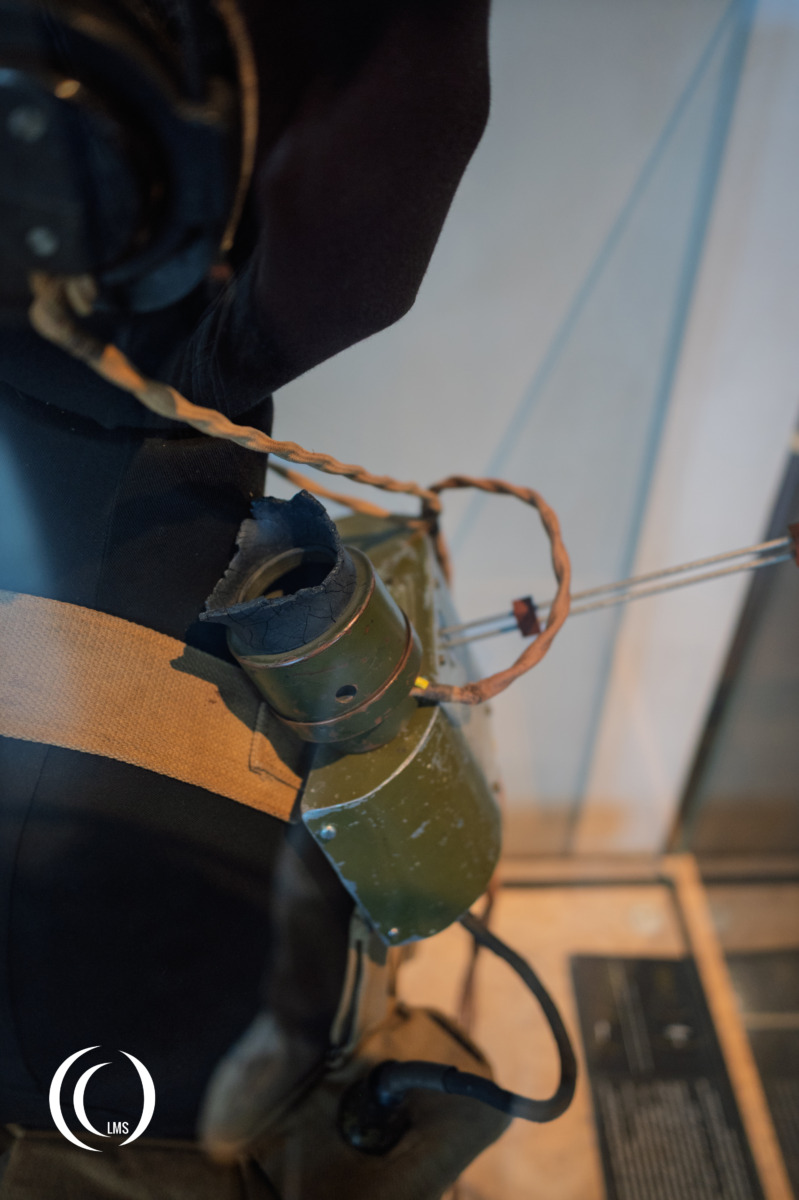
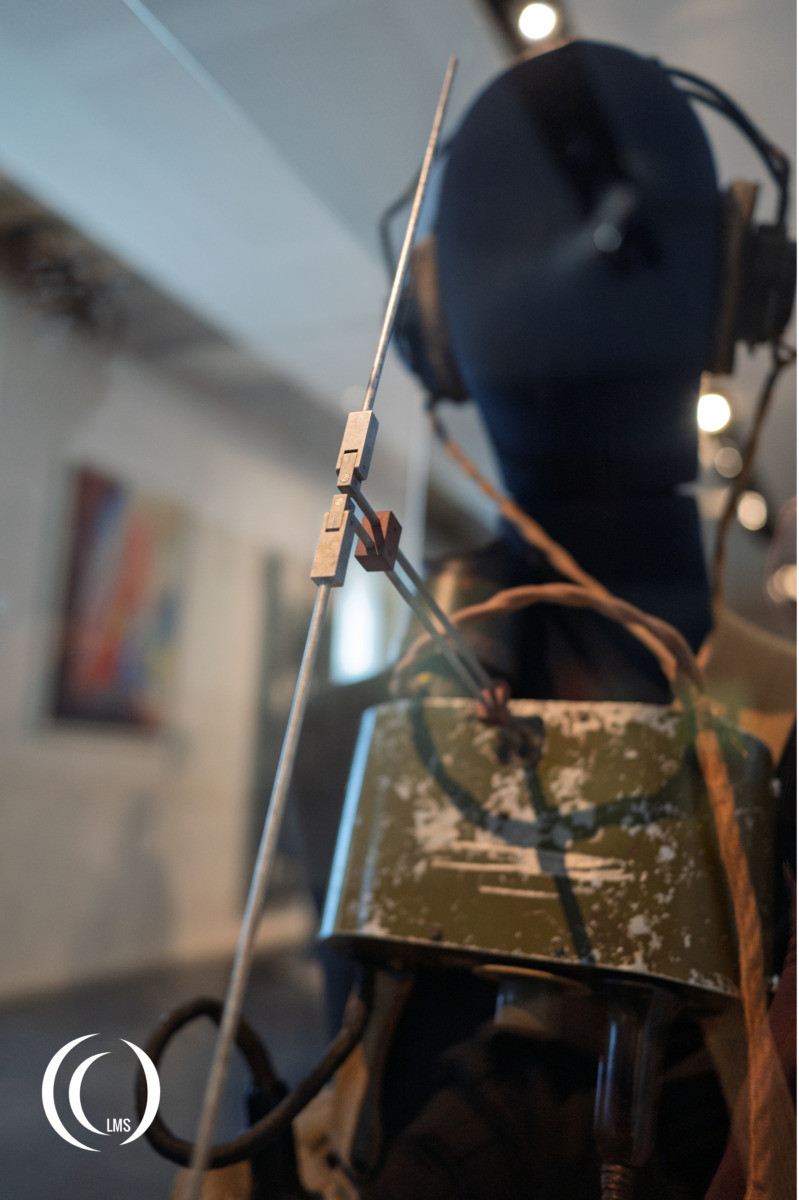
The S-Phone on the photographs is a Type 13 Mk. IV of 1943. It is on display at the Musée de l’Armée at Hôtel des Invalides in Paris, France.
