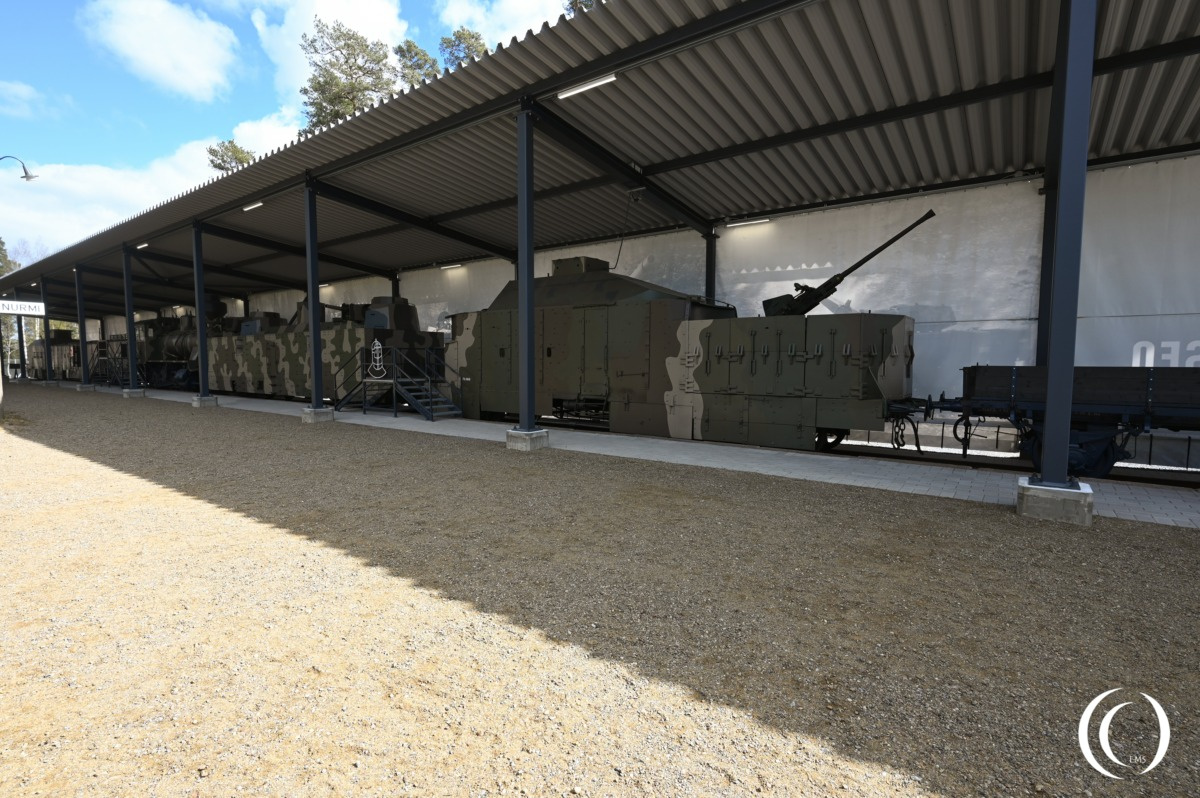
From left to right in the photo above; 3-Axle Artillery Wagon, Kitchen Wagon, Tk3 Locomotive with tender, PL-37 Light Artillery Wagon, 4-Axle OK-Type Artillery Wagon, Flatcar.
Short History
Finnish history for the use of armored trains lies in the Finnish civil war from January to May 1918. Two factions, the White army and the Red Guards divided the country with hostilities and both sides used all kinds of equipment. The Reds had connections with Russia who also used armored trains, although limited in numbers Russian gun wagons found their way into Finland. But the Fins also used Soviet captured trains and wagons during World War Two.
Over the years the trains stayed in Finland and although upgraded and adjusted several times they saw action during the Winter War and the Continuation war. The Fins used two armored trains during the war, Armored train 1 and Armored train 2.
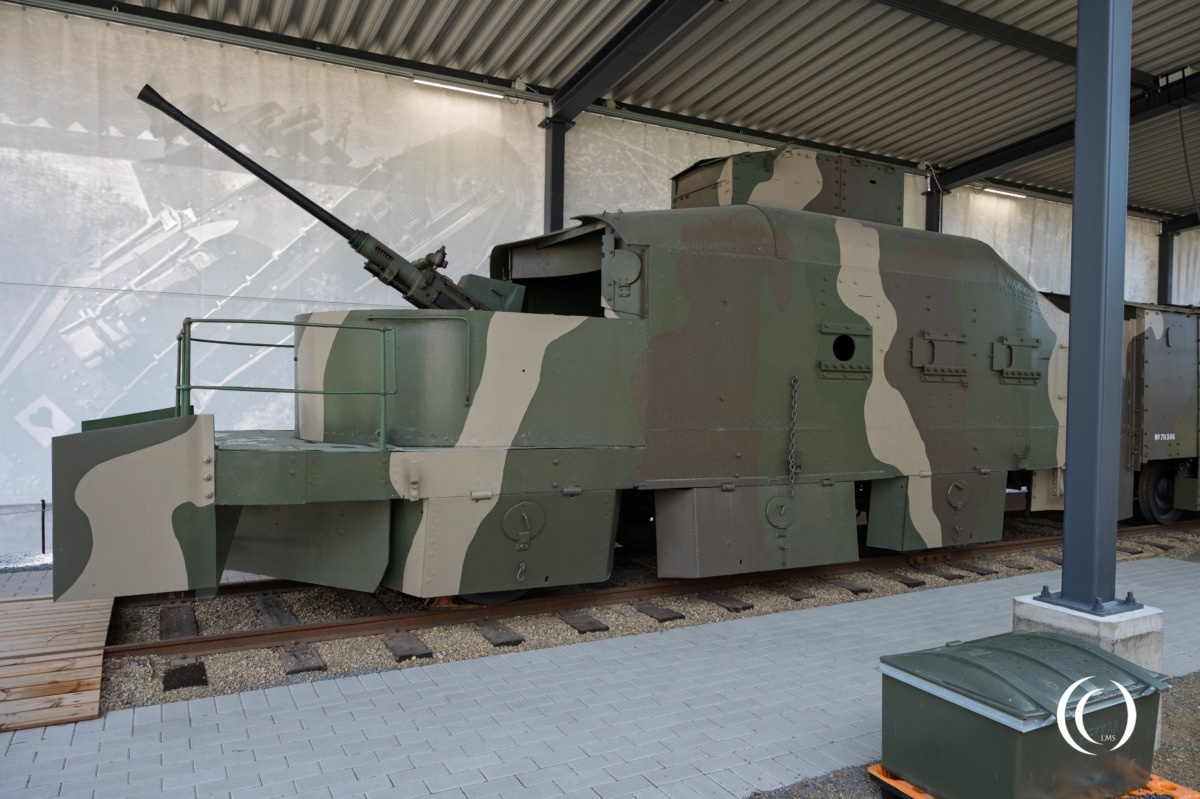
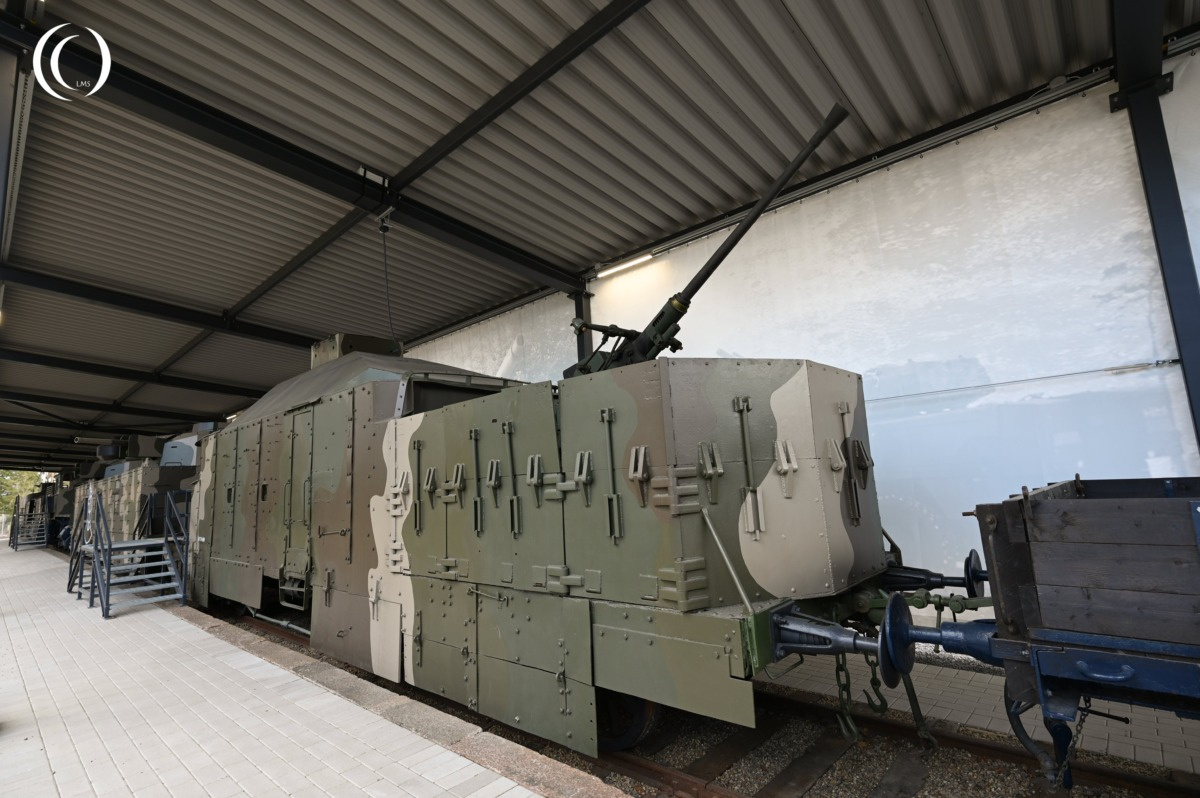
During the Continuation War, the Finnish Army used specialized railway rolling stock including a 3-axle artillery wagon mounted with a 40mm Bofors anti-aircraft gun. These armed rail platforms provided mobile air defense for armored trains along vital operational routes.
The propulsion of the armored train
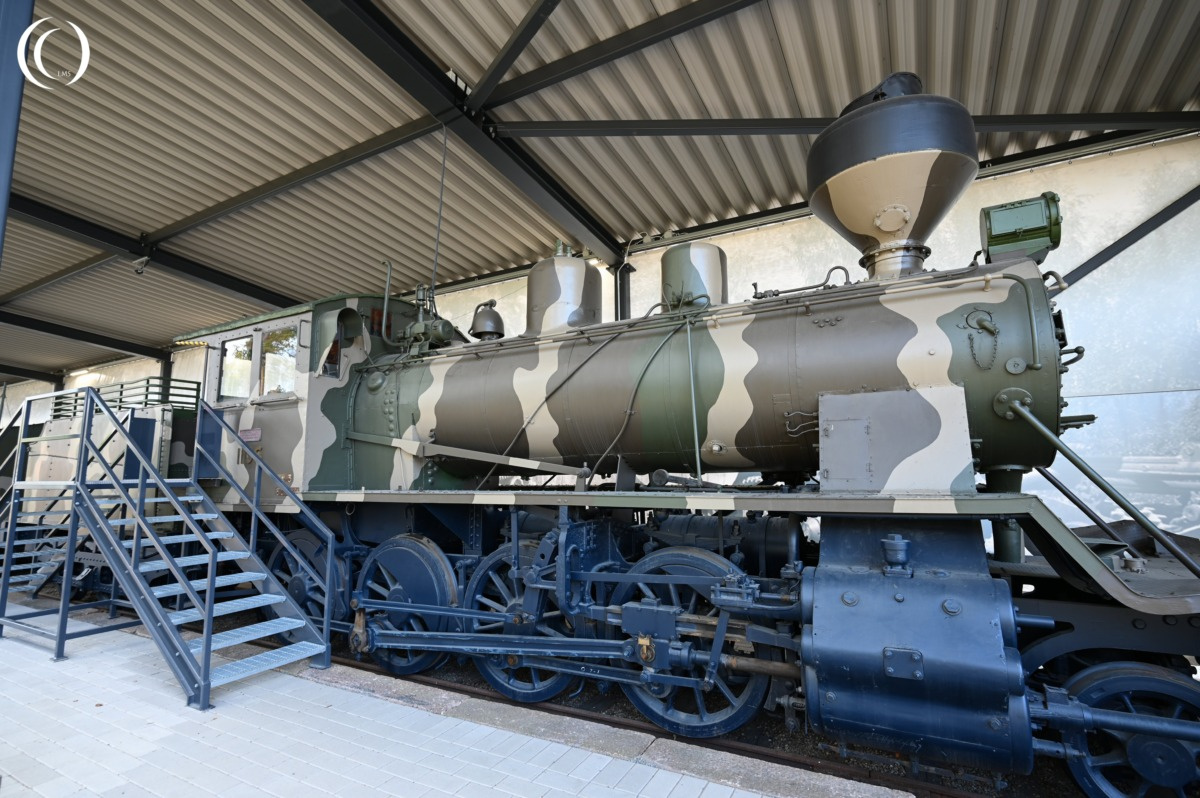
The propulsion of the armored train was provided by the Tk3 Pikku Jumbo steam train with a maximum speed of 60 km/h.
Armored Train defenses
The armored train’s air defense component essentially consisted of two types of wagons: a three-axle wagon equipped with anti-aircraft weaponry and a four-axle variant also featuring anti-aircraft defenses. The Finnish Bofors 40 ItK/39 B variant, together with several water-cooled 7.62mm Maxim M/09 machine guns, provided air and local cover for the armored train.
Armored Train fire power
The armored train’s greatest offensive power lay in the PL-37 Light Artillery Wagon with two 76.2 mm M1902/30 field guns and several 7.62mm Maxim M/09 machine guns.
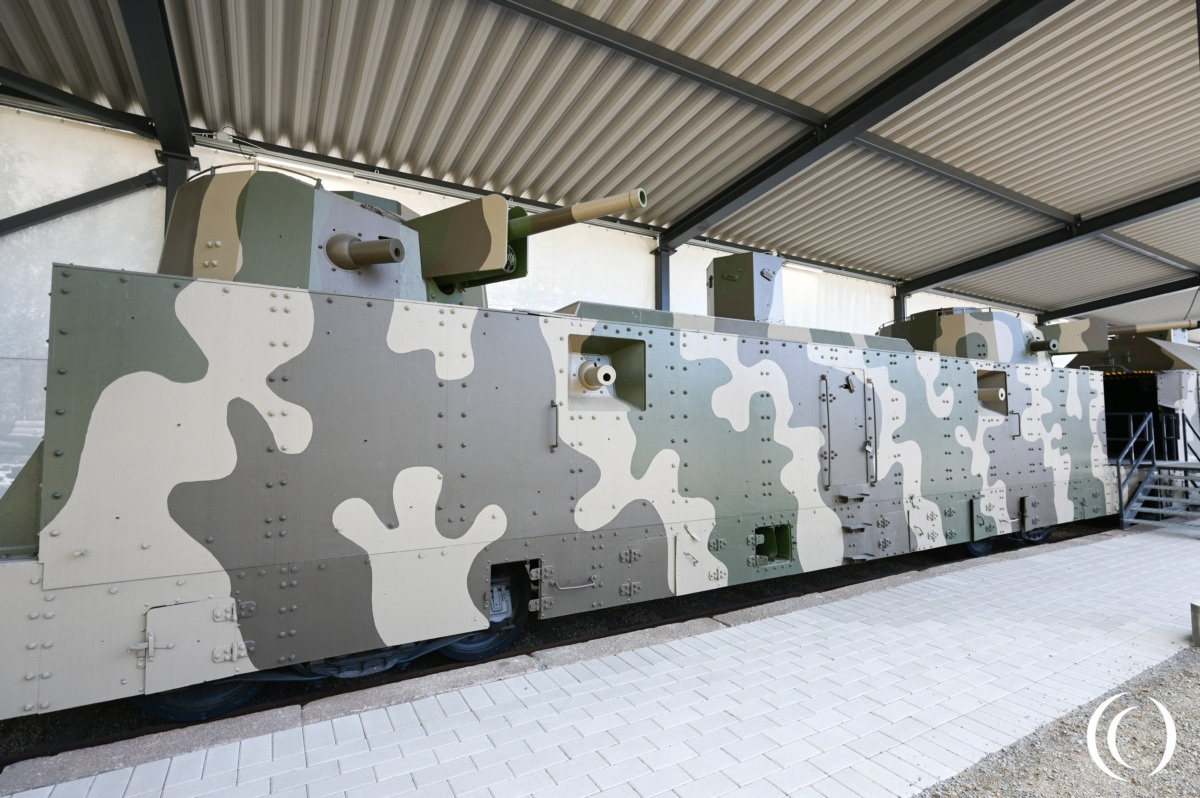
Machine gun Wagon / Kitchen Wagon
To give the train even more firepower extra machine gun wagons and / or a kitchen wagons were added to the armored train. The kitchen wagon provided food and machine gun protection, but had fewer machine guns than a full machine-gun wagon.
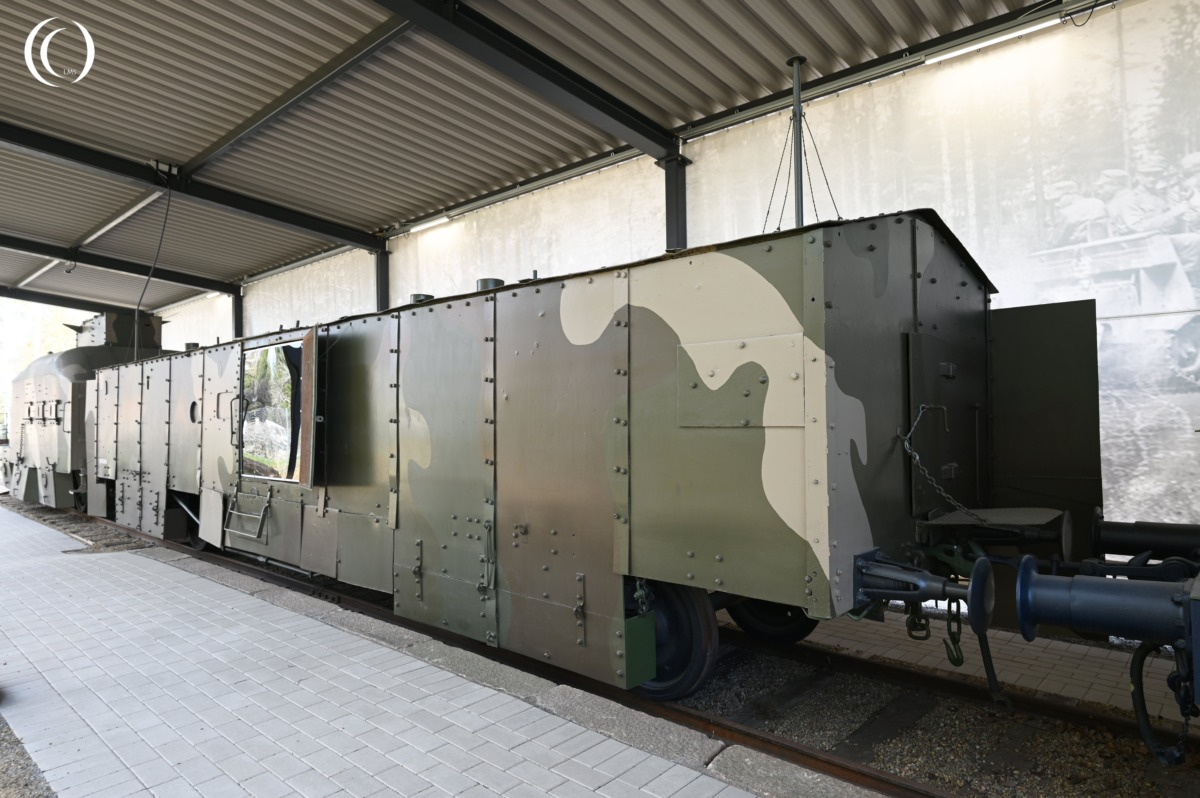
Flatcars on both ends
The armored train had one or more flatcars at both ends, either empty or weighted or filled with gear. These were designed to absorb the impact of mines and sabotage, thereby preventing damage to the armored gun wagons or the locomotive. They were also used to transport tools and materials for repairing damaged tracks.
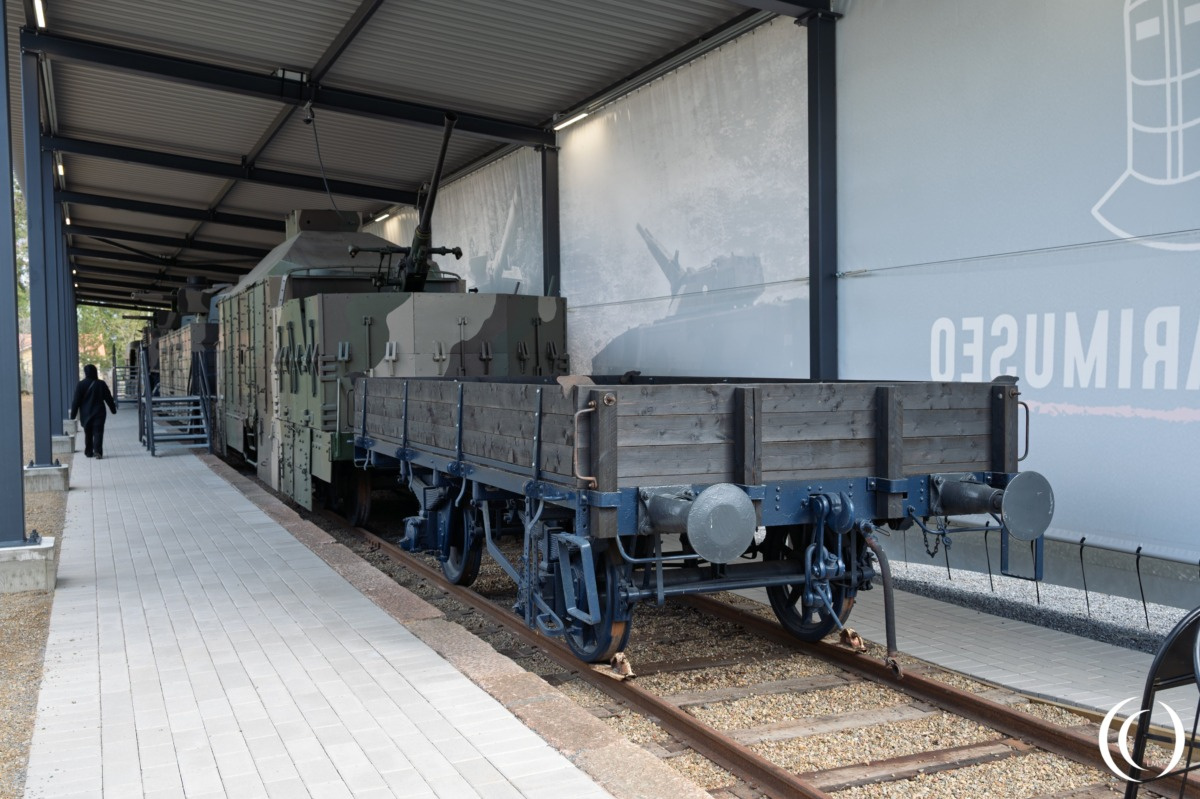
Layout of the Finnish Armored trains
There was a recurring “standard” configuration for the Finnish armored trains and their wagons. However, it is easy to imagine that this could vary depending on the objective or the specific run.
The usual build-up for using whole armoured train was:
- One or two flatcars (protection in case of demolished tracks or mines)
- Artillery Wagon
- Machine gun Wagon / Kitchen Wagon
- Armoured locomotive
- Machine gun Wagon / Kitchen Wagon
- Artillery Wagon
- One or two flatcars (protection in case of demolished tracks or mines)
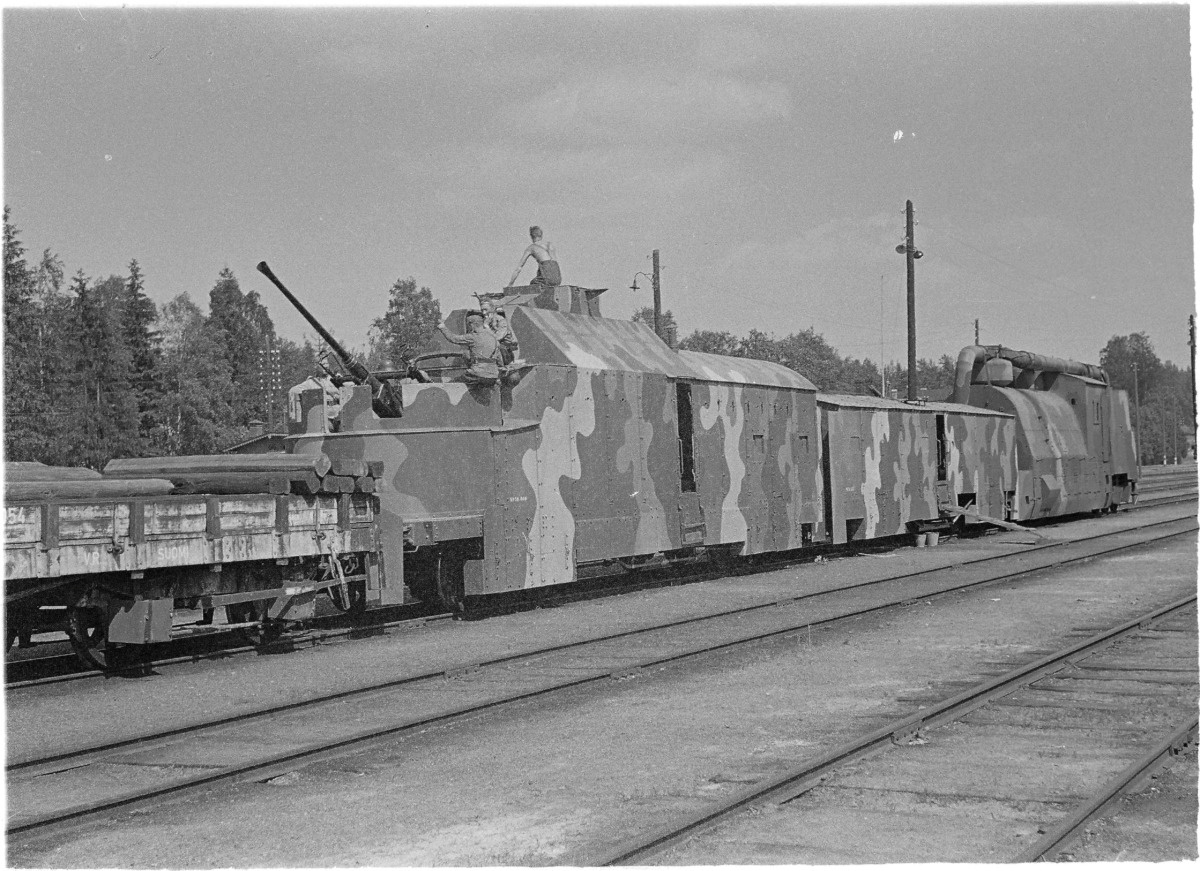
Surviving examples of the train and its carriages have been gathered and put on display at the Parola Tank Museum. The locomotive is a wartime model but lacks the armor plating that would have been fitted to an armored train.
The layout of the armored train and its wagons, arranged in sequence at the Parola Armoured Museum (with links to the separate wagons and locomotive), is as follows:
- One flatcar
- 4-axle Artillery wagon
- Captured Soviet PL-37 artillery wagon
- Unarmored Tk3 series locomotive number 1106
- Open-top armored artillery wagon / Kitchen wagon
- 3-axle Artillery wagon with a 40mm Bofors
Sources:
- Finnish Defence Forces’ Photograph Archive
- jaegerplatoon.net
- axishistory.com
- fi.wikipedia.org
- Armoured Trains in Winter and Continuation Wars in Journal of Military History 5 by Paavo Talvio
