Operation Tonga was a British airborne operation conducted during Operation Overlord—the D-Day landings in Normandy—from June 5 to June 7, 1944. The operation involved the combined deployment of paratroopers and Horsa and Hamilcar gliders.
Operation Tonga
Operation Tonga was the British airborne operation carried out during the night before D-Day (starting on 5 June 1944) and into the early hours of 6 June 1944. The mission was to land behind German lines in Normandy, capture important bridges, destroy enemy artillery positions and prevent German reinforcements from reaching the Allied landing beaches on the east side of Caen, securing Sword beach and preventing German panzer reinforcement arriving via the eastern bridges.
The operation involved the British 6th Airborne Division, commanded by Major-General Richard Gale. Paratroopers were dropped from aircraft while other troops arrived in gliders. The landings did not go entirely to plan, as many men were scattered across the countryside in darkness and some equipment was lost. Despite the confusion, small groups of soldiers managed to regroup and continue with their missions. In total 8,500 men, paratroopers, and pathfinders with 95 gliders (Horsa and Hamilcar) were deployed during the operation, divided across various waves and missions.
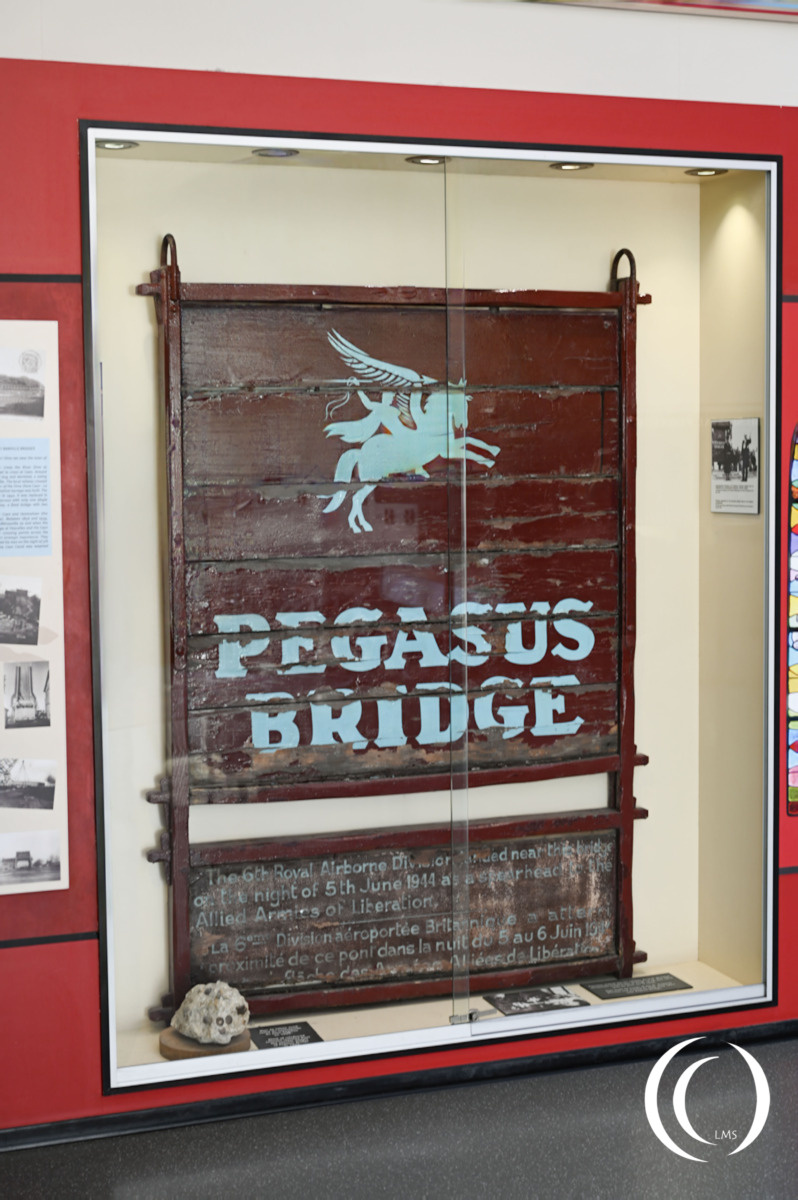
One of the best-known actions was the capture of Pegasus Bridge over the Caen Canal and river Orne, the nearby Horsa Bridge. These bridges were renamed after the war, the original names were the Bénouville Bridge which became the Pegasus bridge and the Ranville Bridge which was renamed to Horsa bridge. Men of the Oxfordshire and Buckinghamshire Light Infantry, led by Major John Howard, landed by glider close to the bridges and quickly took control of them. Holding these crossings was essential to stop German forces advancing towards the beaches and to allow Allied troops to move inland. Other airborne troops were tasked with destroying bridges over the Rivers Dives and Divette to delay German reinforcements.
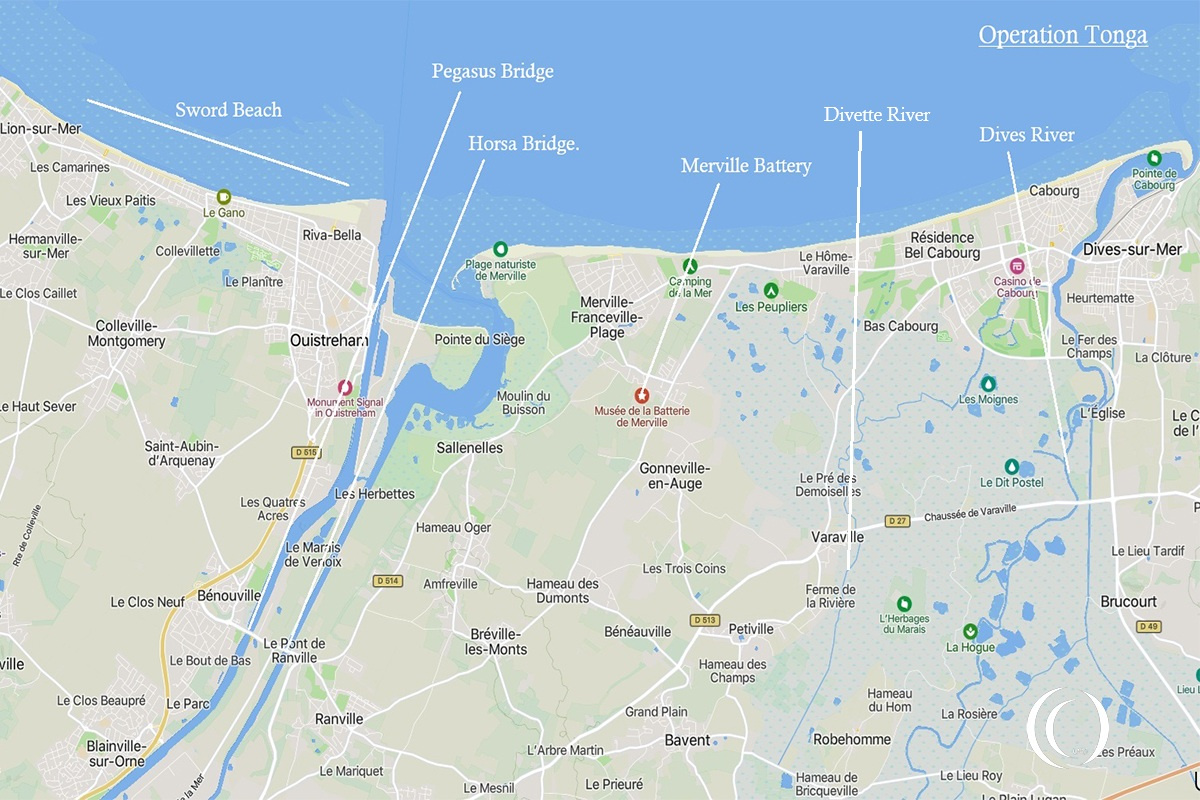
Another important task was given to the 9th Parachute Battalion, which attacked the German gun battery at Merville. Its artillery threatened the British forces landing at Sword Beach. Although the paratroopers suffered heavy casualties and had difficulty gathering their men and equipment, they pressed on and succeeded in neutralising the battery’s guns. The airborne troops then had to defend their positions against repeated German attacks until relieved by the units landed at the invasion beaches.
A brief summary of the planned goals:
• Coup de Main (00:16): Pegasus and Horsa Bridges, 6 Horsa gliders launched the assault to capture the crucial bridges over the Caen Canal and the River Orne.
• First main force (00:50): 17 Horsa gliders carried heavy equipment for the 3rd and 5th Parachute Brigades.
• Second main force (03:20): 69 gliders (65 Horsa gliders and 4 large Hamilcar gliders) transported the divisional headquarters and an anti-tank battery to Normandy.
• Merville Battery (04:30): 3 Horsa gliders were specifically tasked with landing directly on top of the heavily defended Merville Battery.
In total 95 planned gliders left England, 92 of which ultimately landed in Normandy or were released, some had to return to England early due to technical issues.
Immediately following Operation Tonga 5 to 6 june 1944 came Operation Mallard. Operation Mallard took place on the evening of June 6, involving an additional 250 gliders to transport the remainder of the division and heavy vehicles.
Pegasus Bridge
Pegasus Bridge is a famous bridge in Normandy, France, which played an important role during World War II. On 5 June 1944, before the day of the D-Day landings, British soldiers were given the dangerous task of capturing the bridge from German forces. The mission was important because the Germans could use the bridge to stop Allied troops from moving further into France.
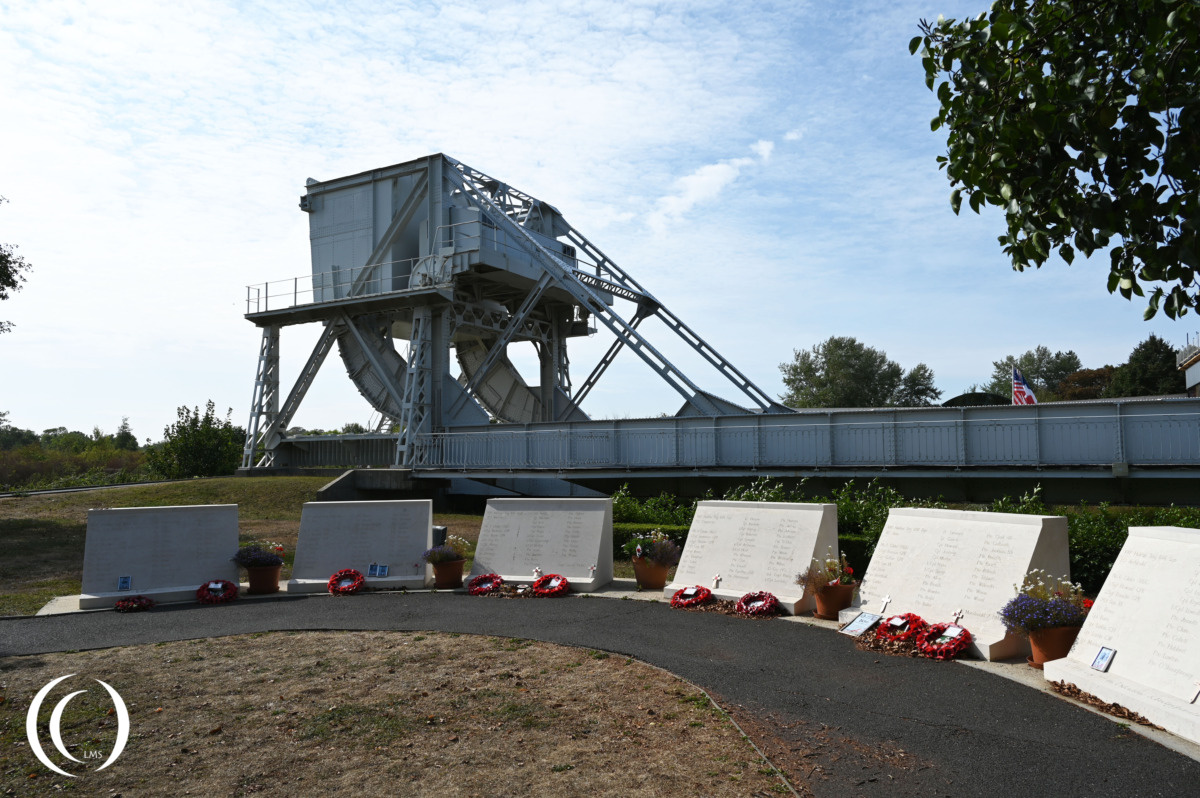
The operation was led by Major John Howard and his soldiers. They travelled in gliders and landed close to the bridge during the night. The soldiers managed to surprise the German defenders and capture the bridge within minutes. Their quick action helped protect the Allied troops landing on the nearby beaches. The bridge was originally called Bénouville Bridge. It was later renamed Pegasus Bridge after the Pegasus symbol worn by British airborne soldiers. Although the mission was successful, it was still dangerous, and several soldiers lost their lives during the fighting.
Horsa Bridge
The Ranville or Horsa Bridge was equally important and in the same action to take control over the Pegasus bridge the British paratroopers from the 6th Airborne Division landed in the area during the night to capture and hold the bridge.
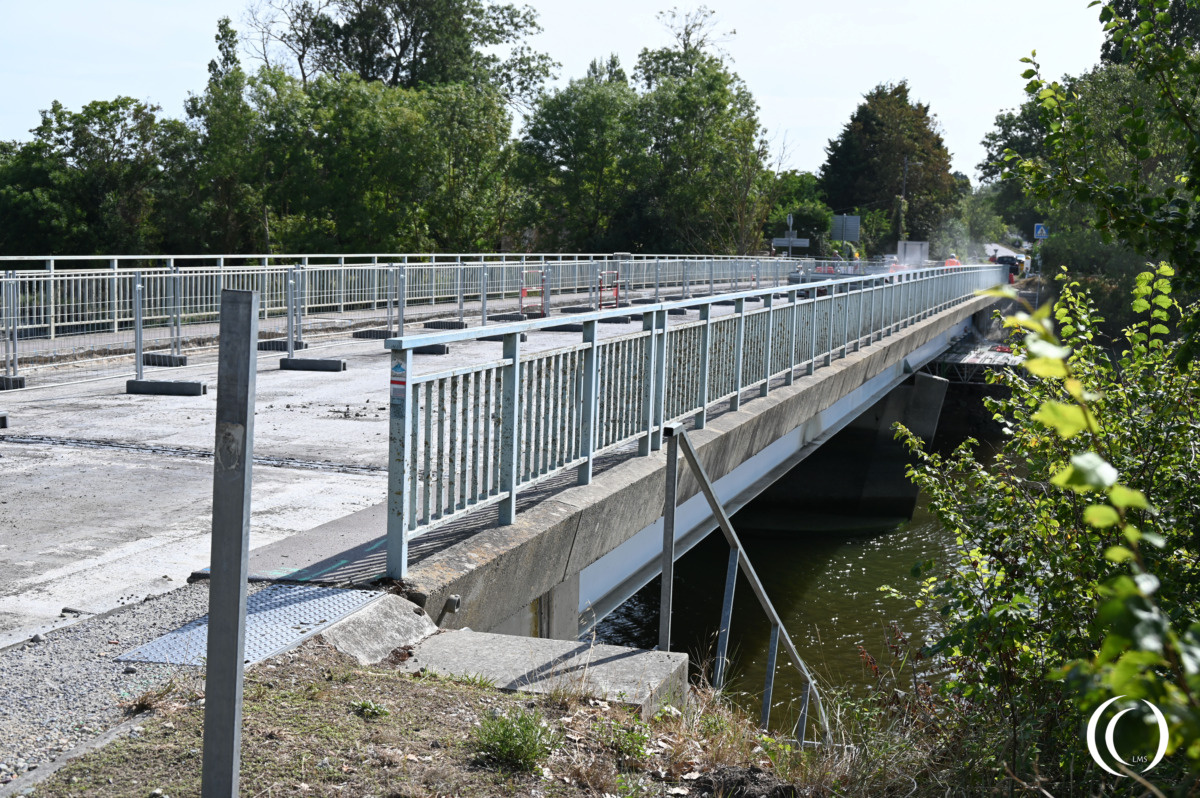
The mission on both bridges was carried out by British glider troops led by Major John Howard. They landed near the bridges during the early hours of D-Day and surprised the German defenders. Capturing both bridges was important because it allowed Allied forces to move across the canal and helped protect the troops landing on Sword Beach. The area around Ranville was important because the soldiers needed to secure roads and crossings to stop German forces from attacking the Allied troops. Ranville became one of the first villages in France to be liberated on D-Day.
The navigation error (Périers-en-Auge)
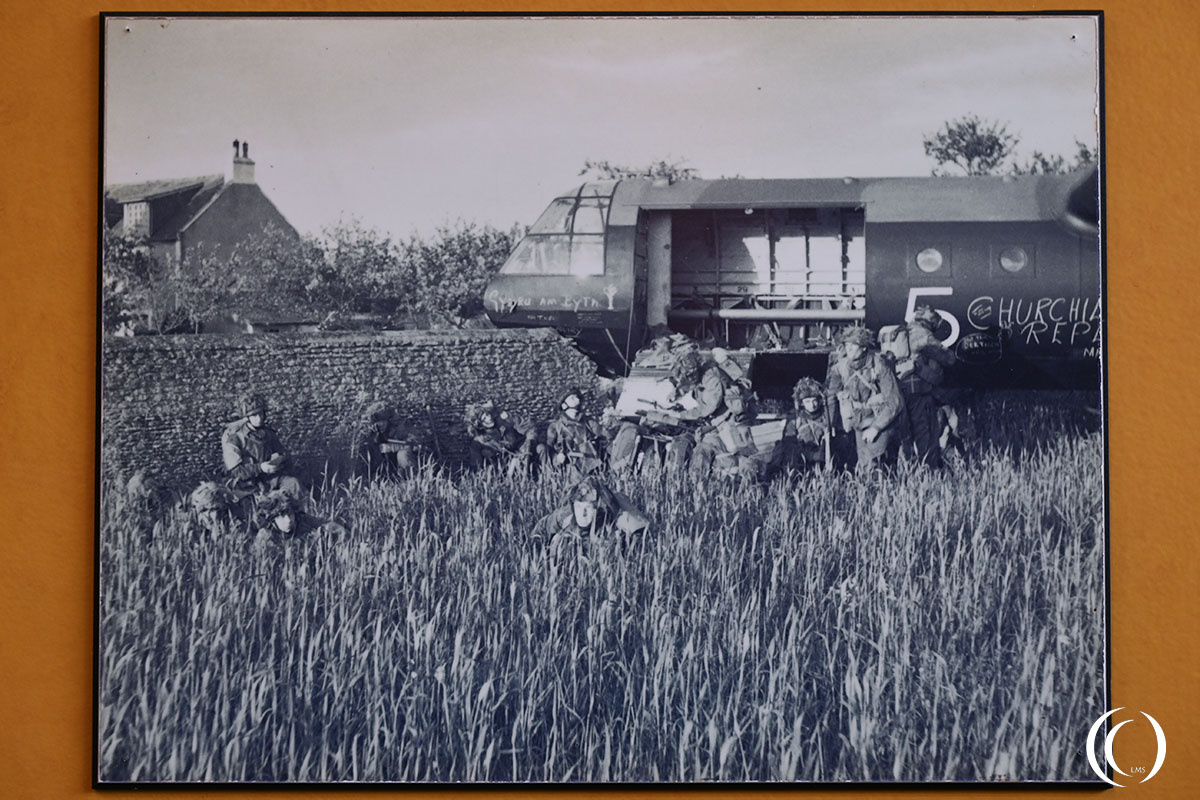
In addition to the planned demolitions, another bridge location on the Dives is linked to the operation due to a historical navigation error. One of the Horsa gliders, which was intended to capture the Horsa Bridge over the River Orne intact, went off course. The pilots accidentally landed 10 miles away, near the bridges over the Dives in the vicinity of Périers-en-Auge (near Cabourg). Despite this, the troops captured the bridge and subsequently fought their way back to their own lines.
Merville Gun Battery
The Merville Gun Battery was a large German coastal gun battery, during World War II. British paratroopers were given the task of attacking and securing the guns before the Allied soldiers landed on the nearby beaches. The coastal battery was a major threat because its guns could reach the invasion beaches and fire at troops landing on Sword Beach.
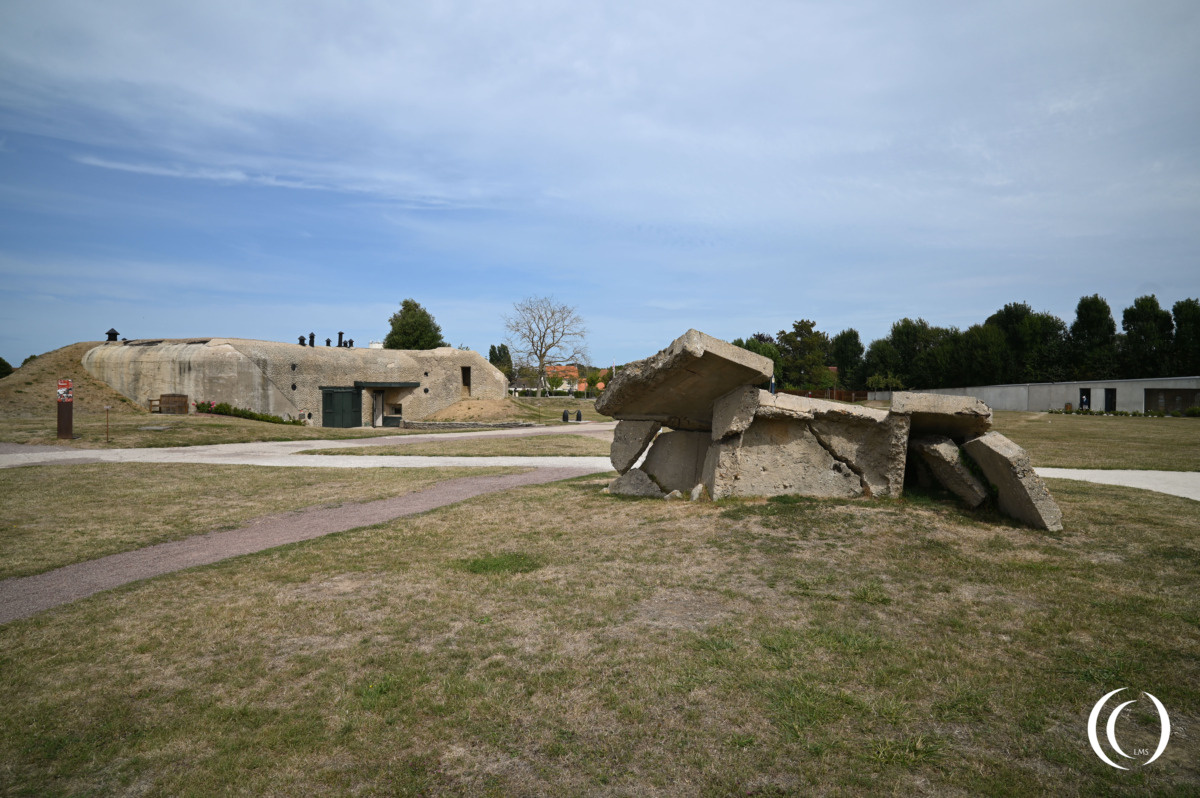
The attack was led by Lieutenant Colonel Terence Otway and the 9th Parachute Battalion. The mission was very difficult because many soldiers landed in the wrong places during the night. They also lost some of their equipment and had trouble finding each other. Despite these problems, the paratroopers continued towards the battery. The attack began early in the morning, and the British soldiers fought their way into the German position. They managed to capture the battery, although the fighting was dangerous and several soldiers were killed or wounded.
Destroying Bridges over the River Dives and Divette
British Airborne soldiers carried out the mission to destroy bridges over the river Dives and the smaller adjacent river Divette. During Operation Tonga, five specific bridges over the River Dives and its smaller tributary, the Divette, were slated for destruction. The objective was to protect the eastern flank and prevent German armored forces from reaching the landing beaches.
The locations of these bridges in Normandy, France, are as follows:
• Troarn: The road bridge over the Dives was blown up by the 8th Parachute Battalion and the Royal Engineers.
• Bures-sur-Dives: Two bridges (a railway bridge and a road bridge) were destroyed here by the 8th Parachute Battalion.
• Robehomme: The bridge over the Dives was blown up by the 1st Canadian Parachute Battalion.
• Varaville: A bridge over the smaller, parallel River Divette was also destroyed by the Canadians.
German response Kampfgruppe von Luck
Kampfgruppe von Luck was a German battle group commanded by Major Hans-Ulrich von Luck during the Allied invasion of Normandy in June 1944. It belonged to the 21st Panzer Division and played an important role in German counter attacks against British airborne forces east of the River Orne.
Hans von Luck immediately grasped the gravity of the situation and requested permission from his divisional commander, Generalmajor Edgar von Feuchtinger, to launch an immediate counter attack against the British paratroopers before they could dig in.
Feuchtinger, however, flatly refused. Due to the rigid German chain of command, the armored reserve could not be deployed without direct authorization from the German high command (the OKW or Hitler himself). Consequently, Von Luck and his men were forced to stand by helplessly for hours as the British secured the vital bridges.
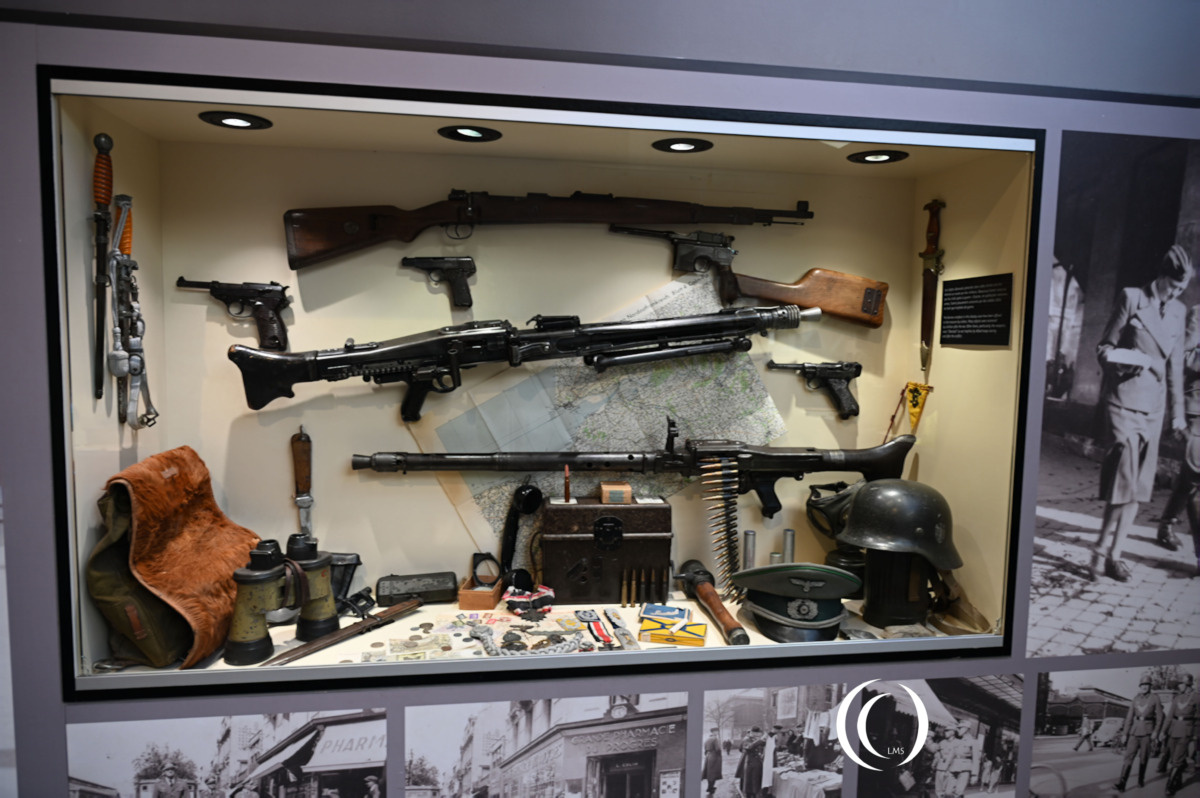
Kampfgruppe von Luck consisted mainly of infantry from Panzergrenadier Regiment 125, supported by elements of Panzer Regiment 22, assault guns, artillery, reconnaissance troops, and engineers. Its exact composition changed during the fighting.
On 6 June, von Luck’s forces prepared and launched counter attacks against British airborne positions around Ranville and the Orne bridges. The Germans attempted to push the British paratroopers back and regain control of strategically important ground. Further attacks followed over the next several days, including an assault on 9 June.
Despite German armoured support and repeated attacks, the British airborne troops held their positions. Allied reinforcements strengthened the bridgehead, preventing the Germans from eliminating it.
Kampfgruppe von Luck failed to recapture the bridges or destroy the British airborne bridgehead. After the war, Hans von Luck returned to Pegasus Bridge and became friends with Major John Howard. Together, they gave presentations about the operations and their experiences during Operation Tonga.
Further reading on Operation Tonga
Sources
- 6juin1944.com
- mechtraveller.com
- Cornelius Ryan: The Longest Day
- memory-tracks.fr
- Wikipedia