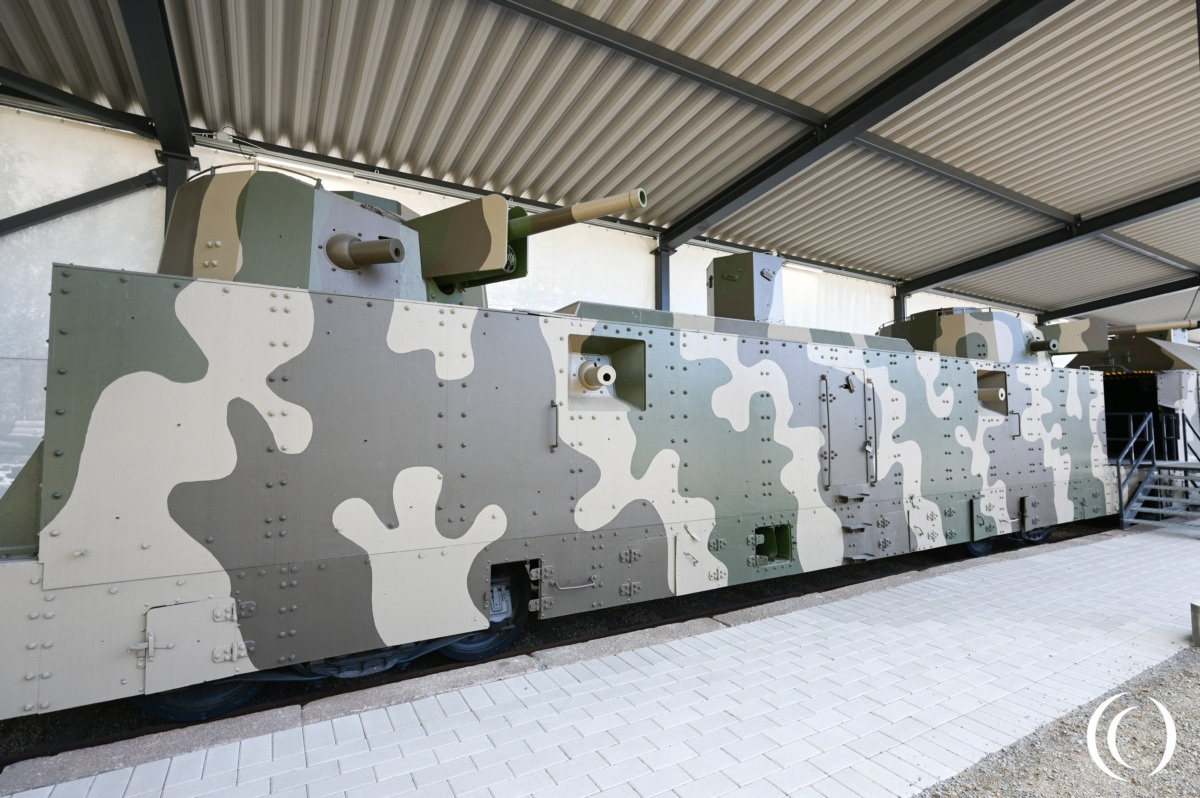
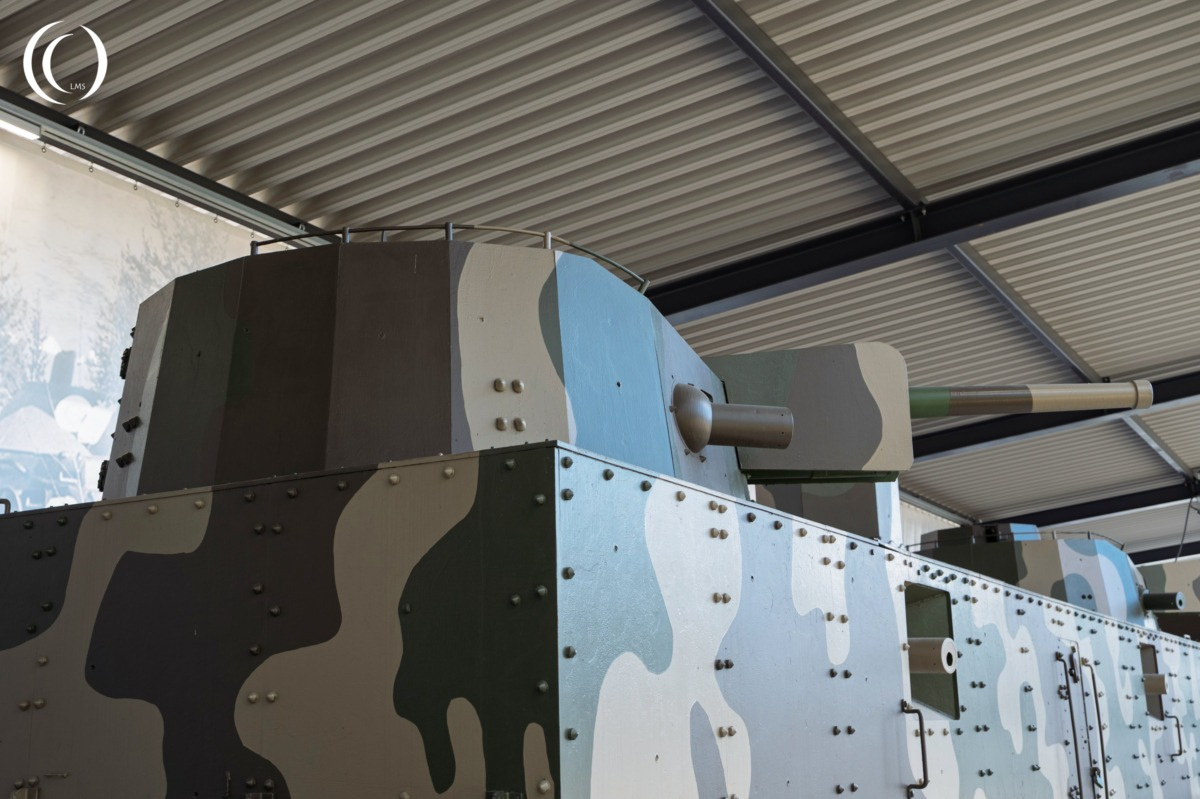
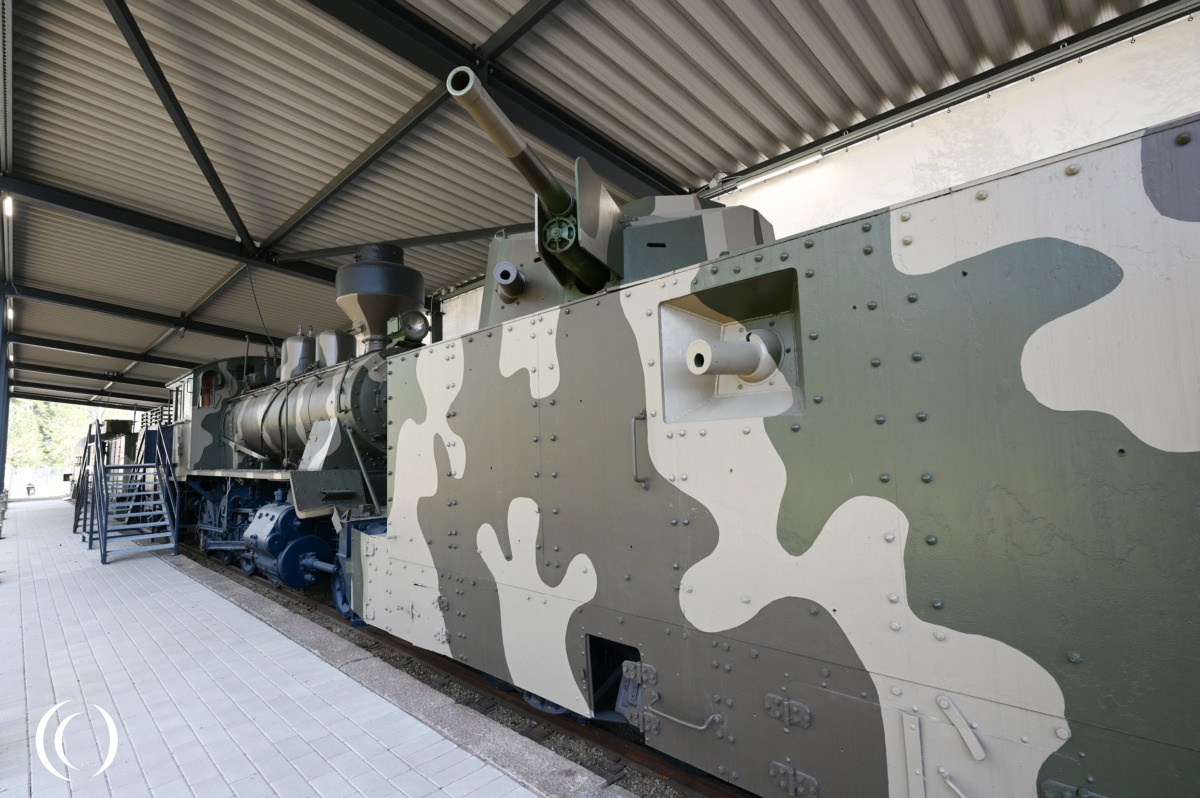
The PL-37 Легкая бронеплощадка ПЛ-37 (Eng. Light Armored Platform PL-37) was a Soviet armored railway vehicle developed in the late 1930s to strengthen the Red Army’s armored train units. Introduced in 1939, it formed part of the BP-35 armored train system, which combined artillery, machine guns, and an armored locomotive into a mobile fighting force. The PL-37 was designed to provide powerful fire support while operating on railway lines, making it useful for defending strategic routes, supporting infantry, and attacking enemy positions.
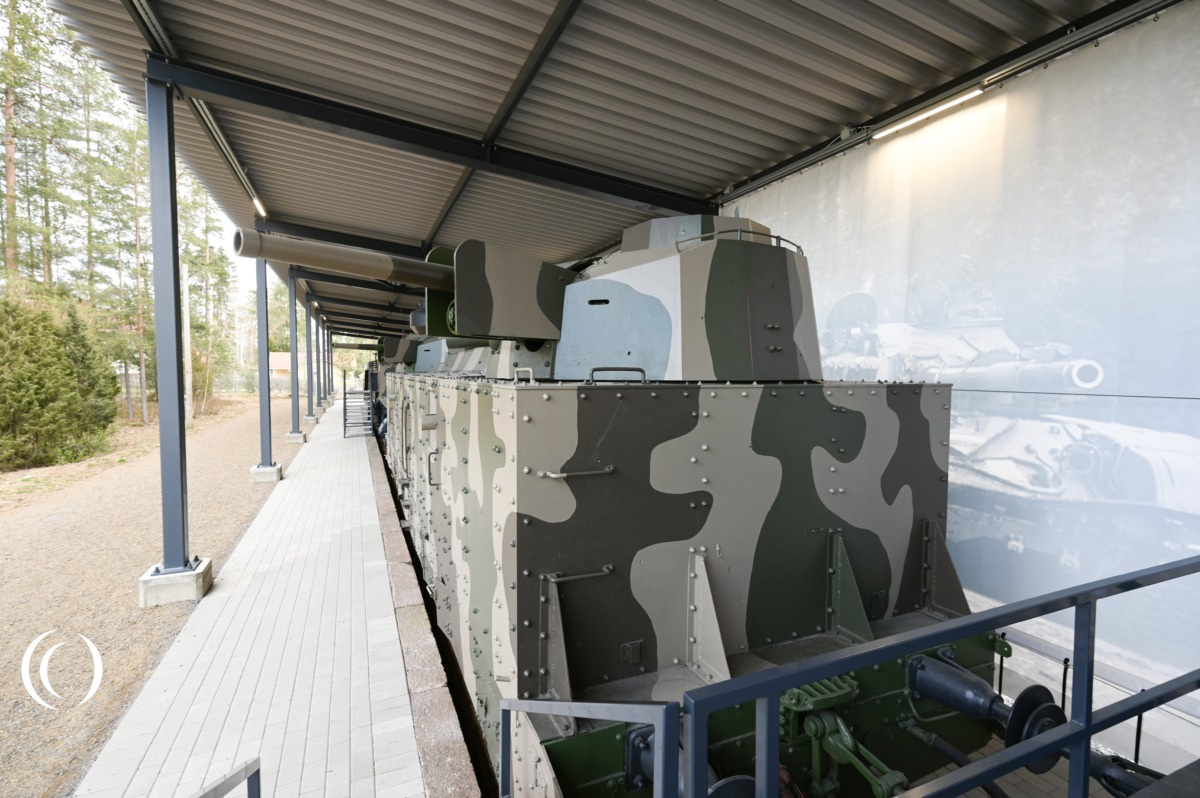
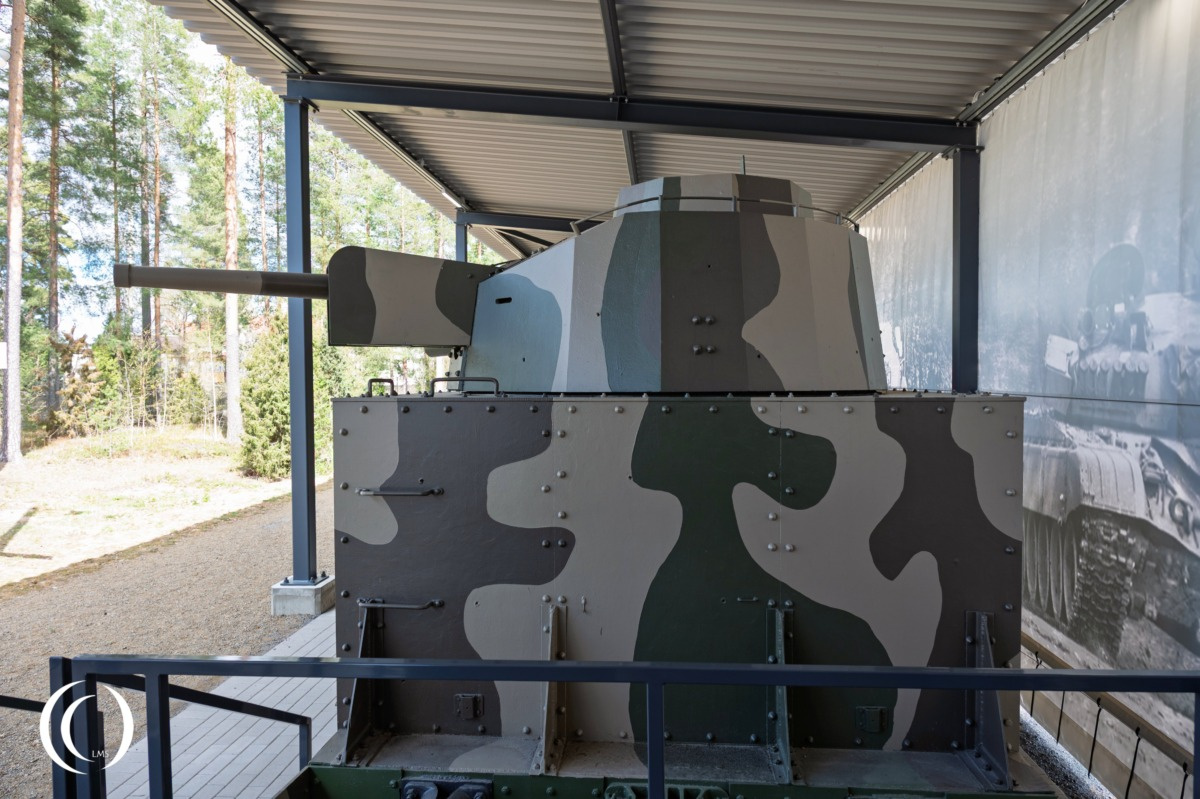
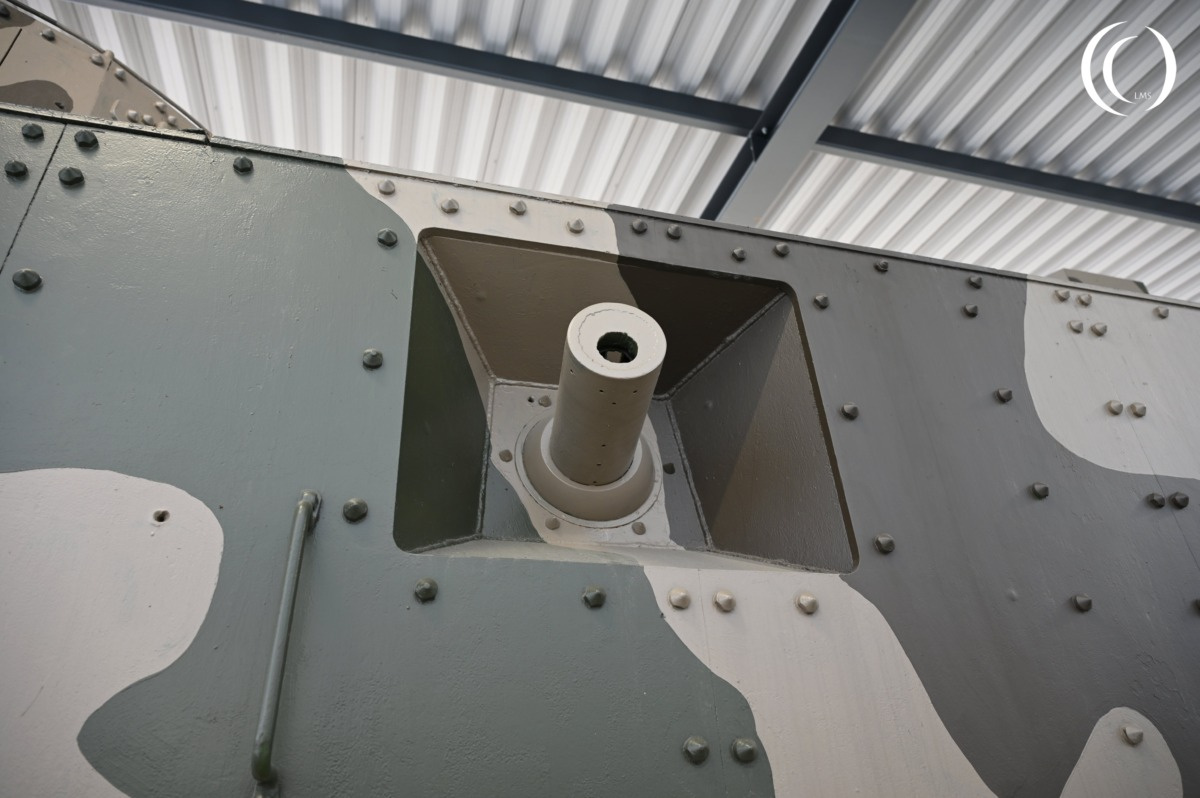
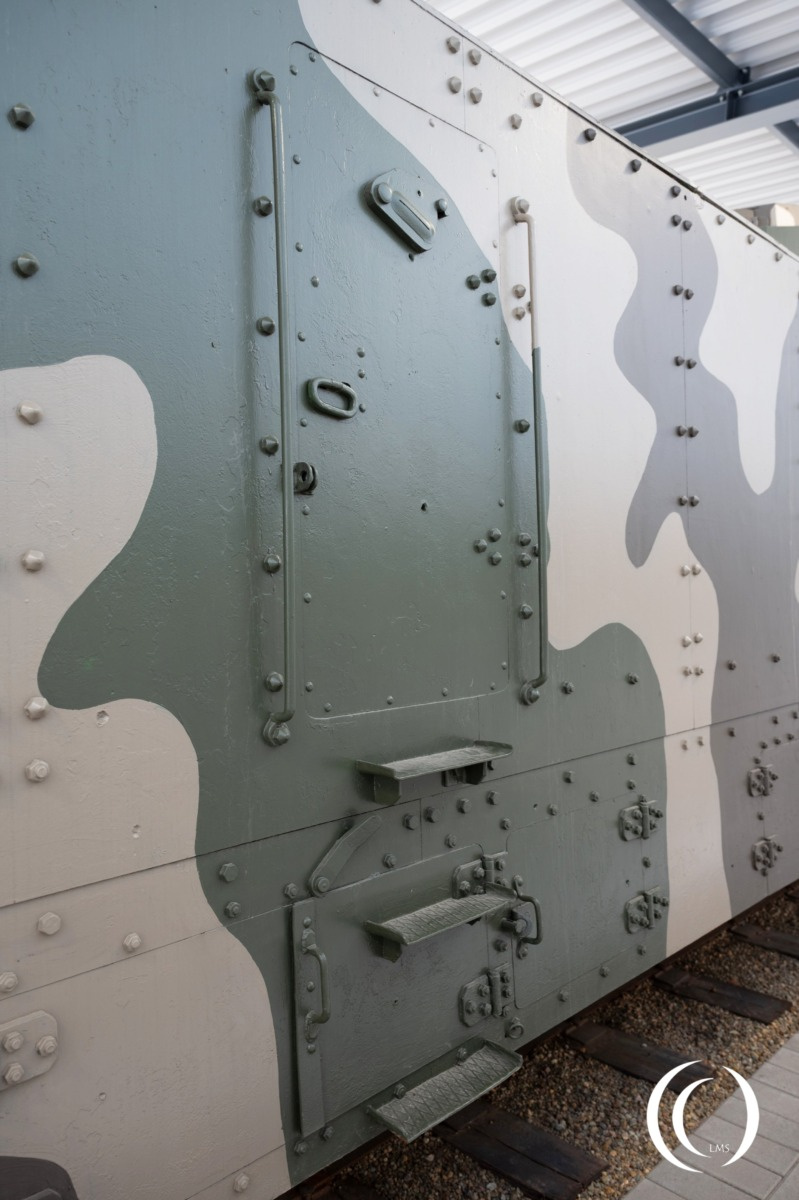
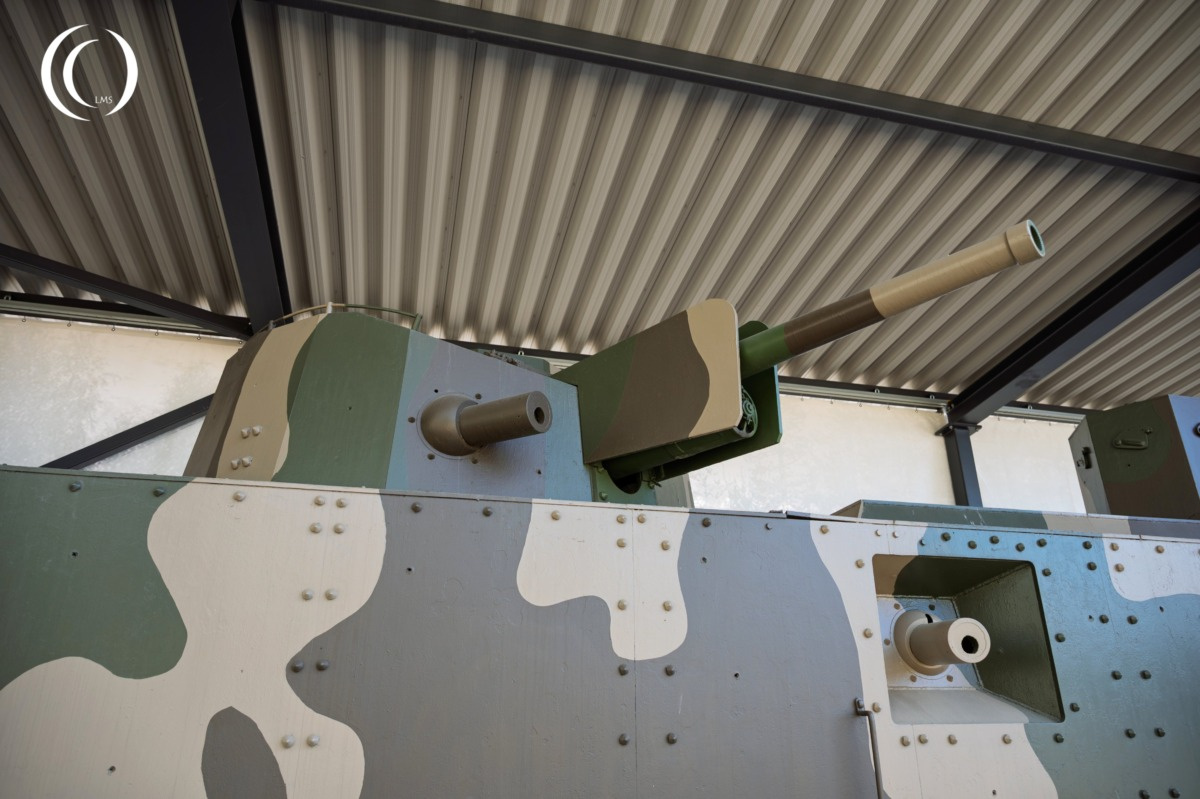
The wagon was protected by steel armor up to about 20 mm thick and carried a crew of approximately 30 men. Its main armament consisted of two 76.2 mm field guns mounted in rotating armored turrets, one at each end of the vehicle, allowing it to engage targets in multiple directions without turning the train. It also carried several 7.62 mm Maxim machine guns for close-range defense against infantry.
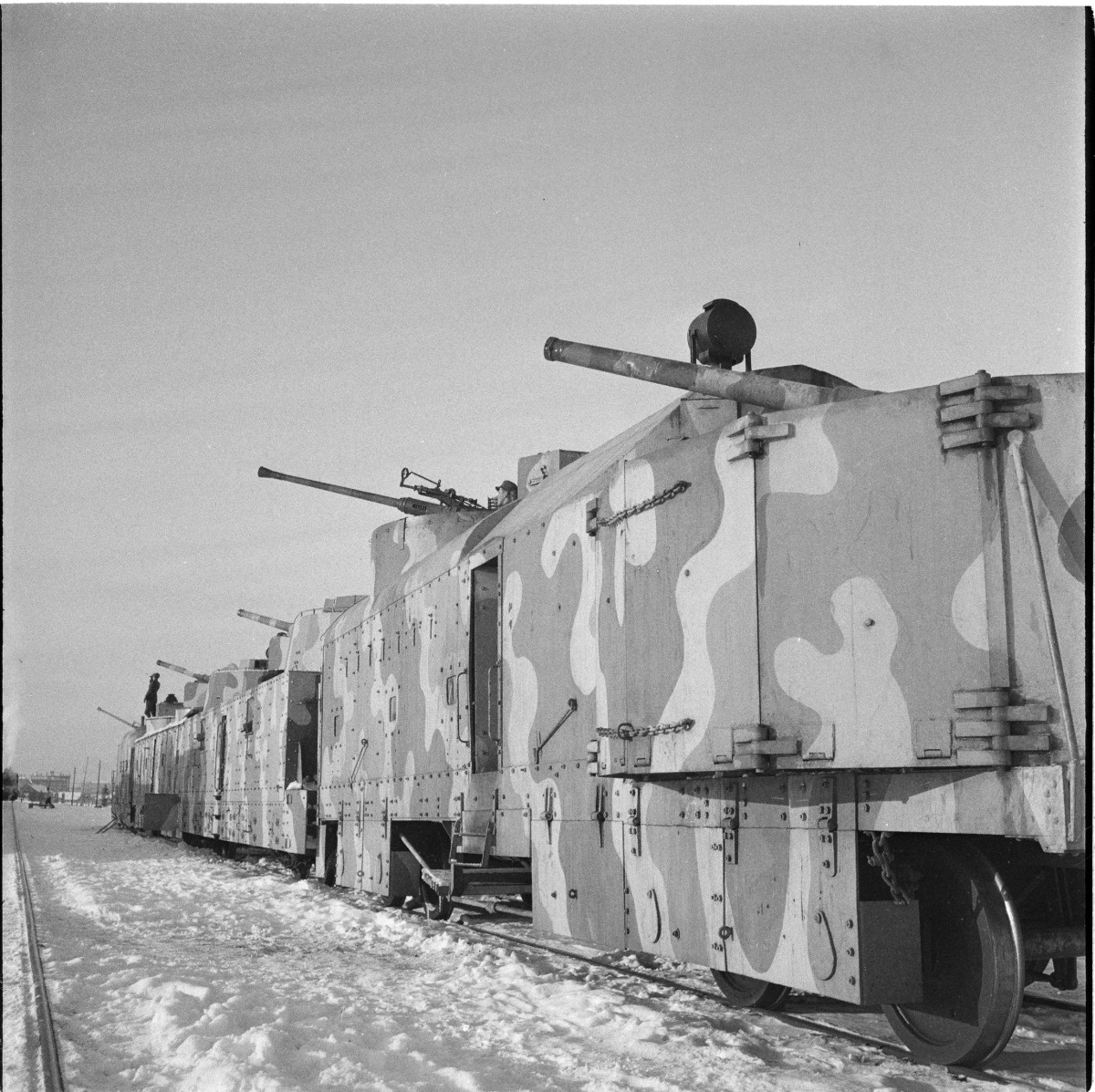
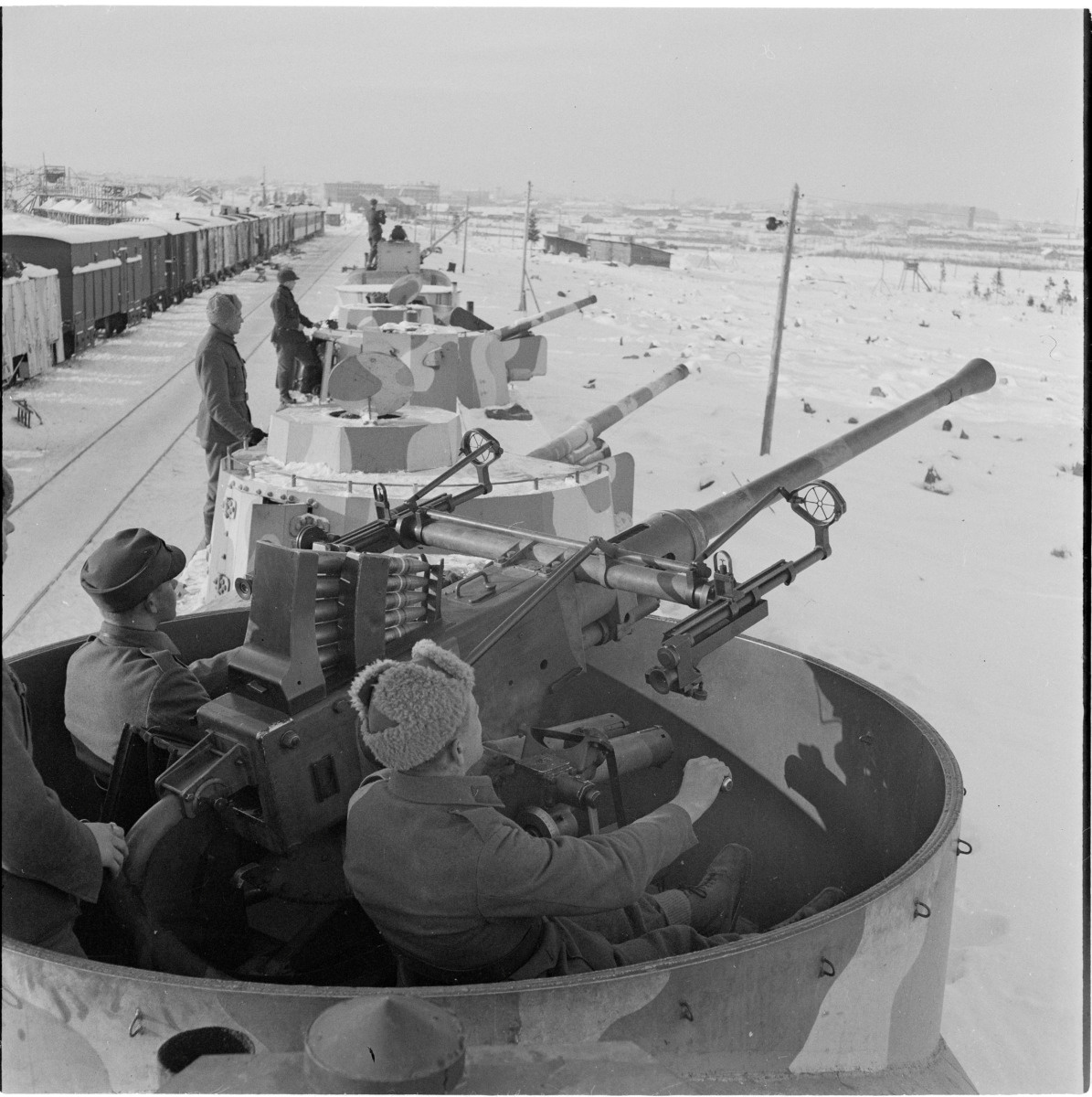
During the early years of World War II, especially after Germany launched Operation Barbarossa in 1941, PL-37 wagons saw combat on the Eastern Front. They proved effective against infantry, light vehicles, and fortified positions, but their reliance on railway tracks made them vulnerable to destroyed bridges, damaged rail lines, and air attacks. As the war progressed and mobile armored warfare became more dominant, armored trains such as those equipped with the PL-37 became less significant, although they continued to serve in defensive and security roles in some sectors.
Specifications
Country: Soviet Union (USSR)
Production: 1939–1941
Manufacturer: Krasny Profintern Plant, Bryansk
Number built: Approximately 24
Crew: 30
Weight: About 55–77 tonnes (depending on source and configuration)
Length: 14.7 m (48 ft 2 in)
Armament:
2 × 76.2 mm M1902/30 field guns mounted in rotating armored turrets (one at each end of the wagon)
6 × 7.62 mm Maxim machine guns for close defense
Carried approximately:
560 rounds of 76.2 mm ammunition
30,000 rounds for the machine guns
Armor:
Side armor: about 20 mm (0.78 in)
Roof armor: about 15 mm (0.59 in)
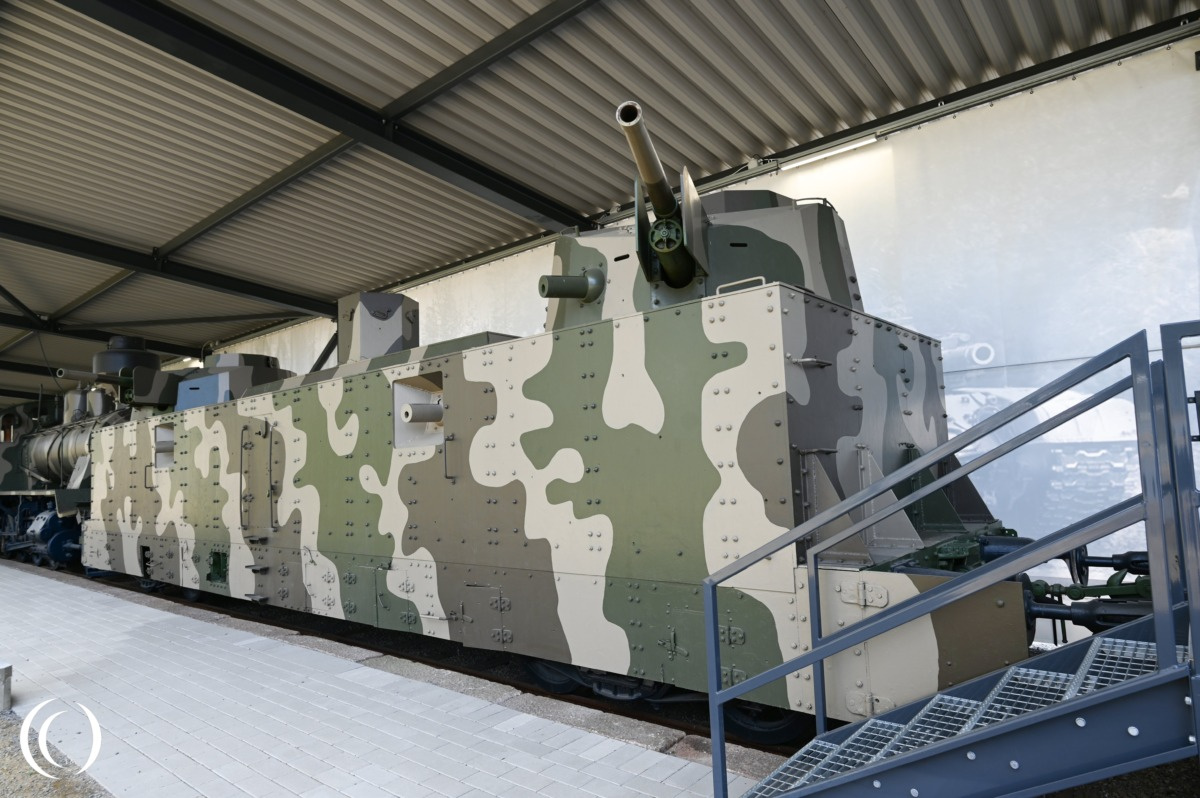
The wagon also featured an elevated armored observation cupola for the commander with vision blocks and a panoramic periscope. Both Germany and Finland used the PL-37 if they captured it, employing it in their own armored trains against the Soviet Union.
