Background
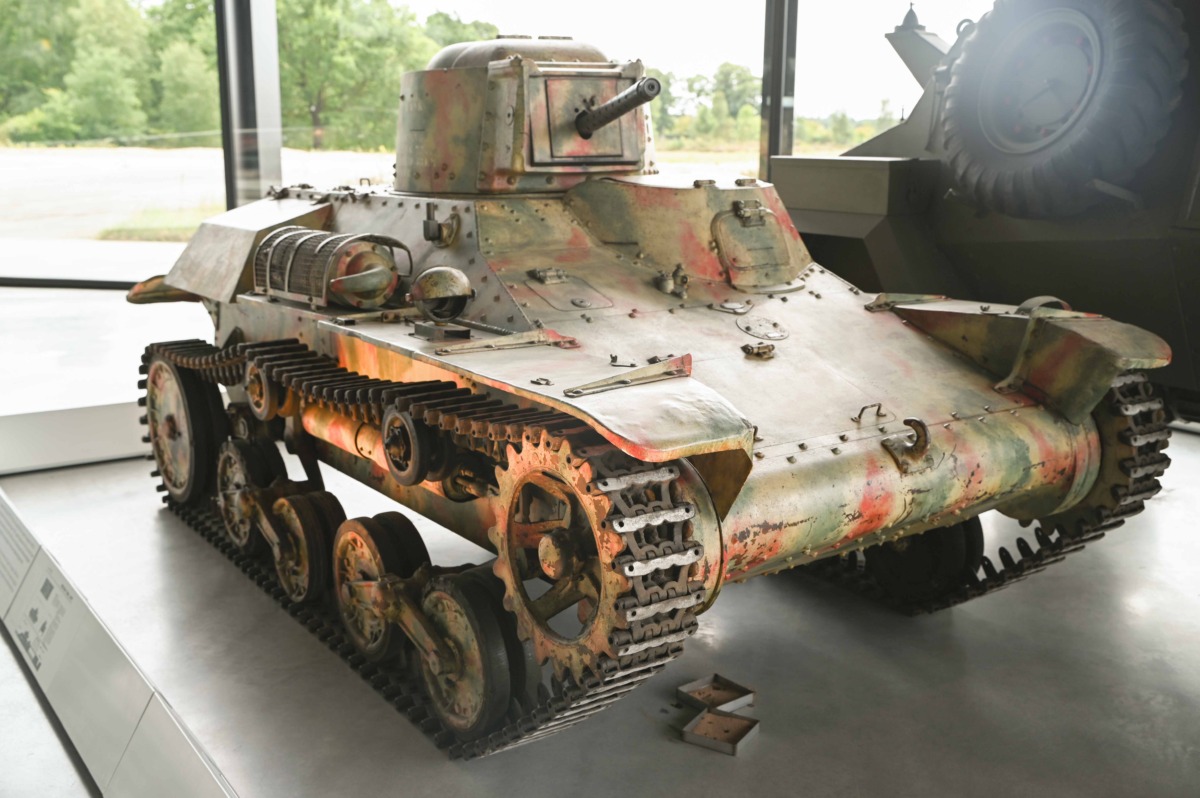
The Type 97 Te-Ke was a Japanese light armored vehicle, tankette, used during World War II, developed as a replacement for the earlier Type 94 tankette. Entering service in 1938, it featured a small rotating turret with a 37 mm gun and a crew of two. Production of the Type 97 Te-Ke light tank began in 1937. It was produced in large numbers and was Japan’s most widely used tankette. Like the Type 94, the Type 97 was also used for towing supply trailers. Some vehicles were equipped with a 7.7mm Type 97 machine gun instead of the 37mm cannon. The Type 97 was deployed in pairs to support infantry units and was very frequently used as armored tractors and supply vehicles. By 1943, most Type 97s had been completely withdrawn.
The chassis was identical to its predecessor, the Type 94 light tank. The engine was placed in the rear section, positioning the commander and driver side by side and allowing for much better consultation. Although its main gun of 37 mm was not suited for tank combat, the tank was too small to carry more crew, which limited the commander, who had to load and fire in addition to determining tactics. Furthermore, it was possible that heavy-caliber small arms could penetrate the armor.
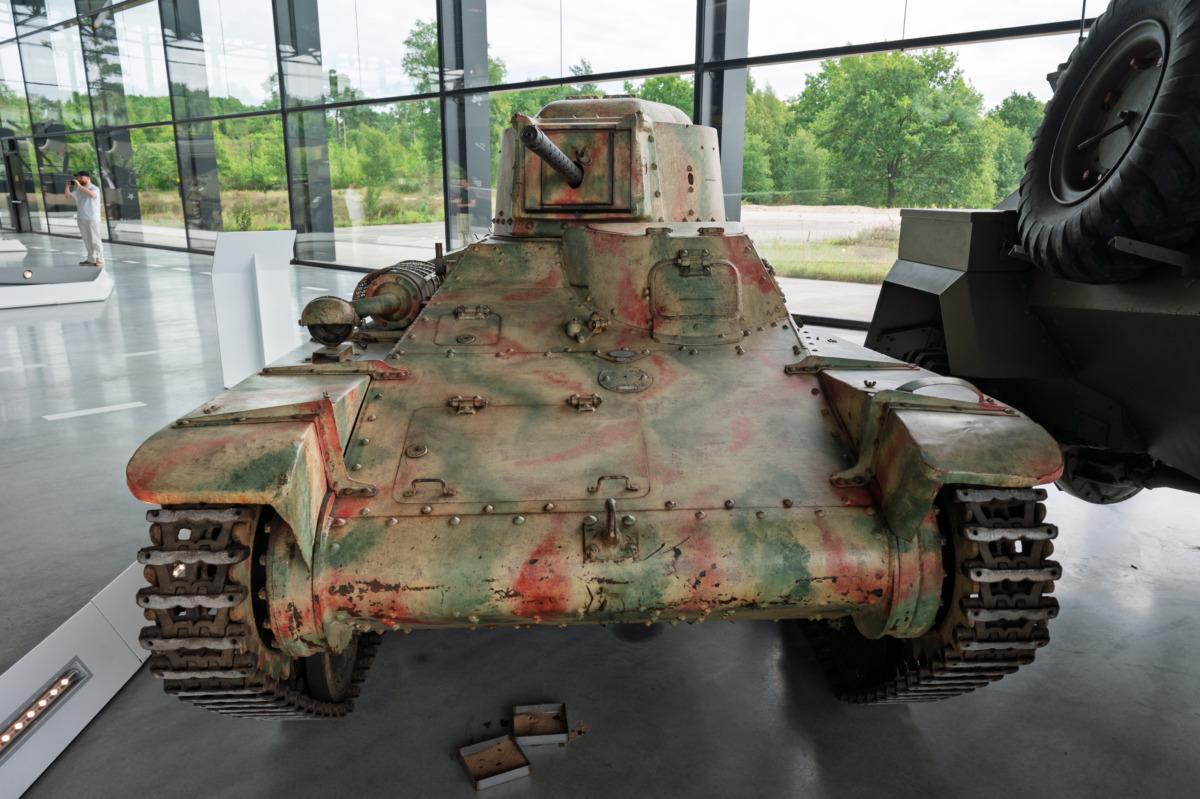
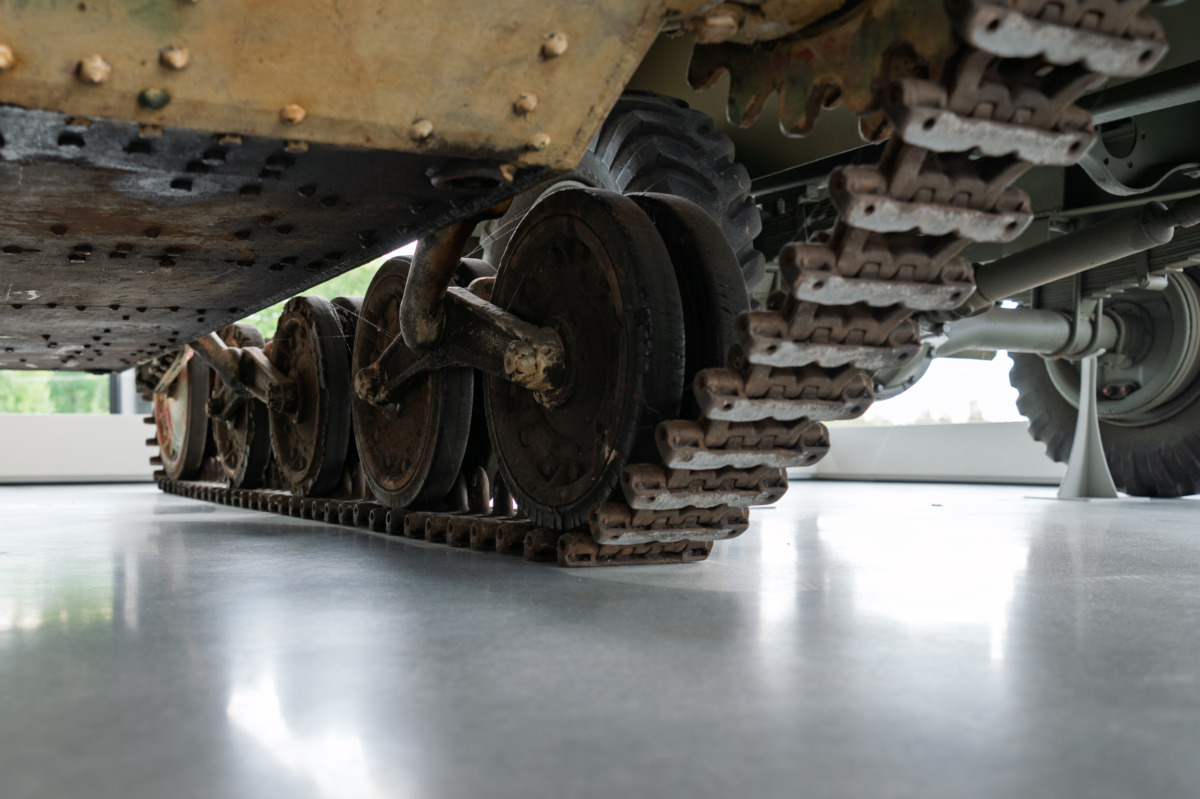
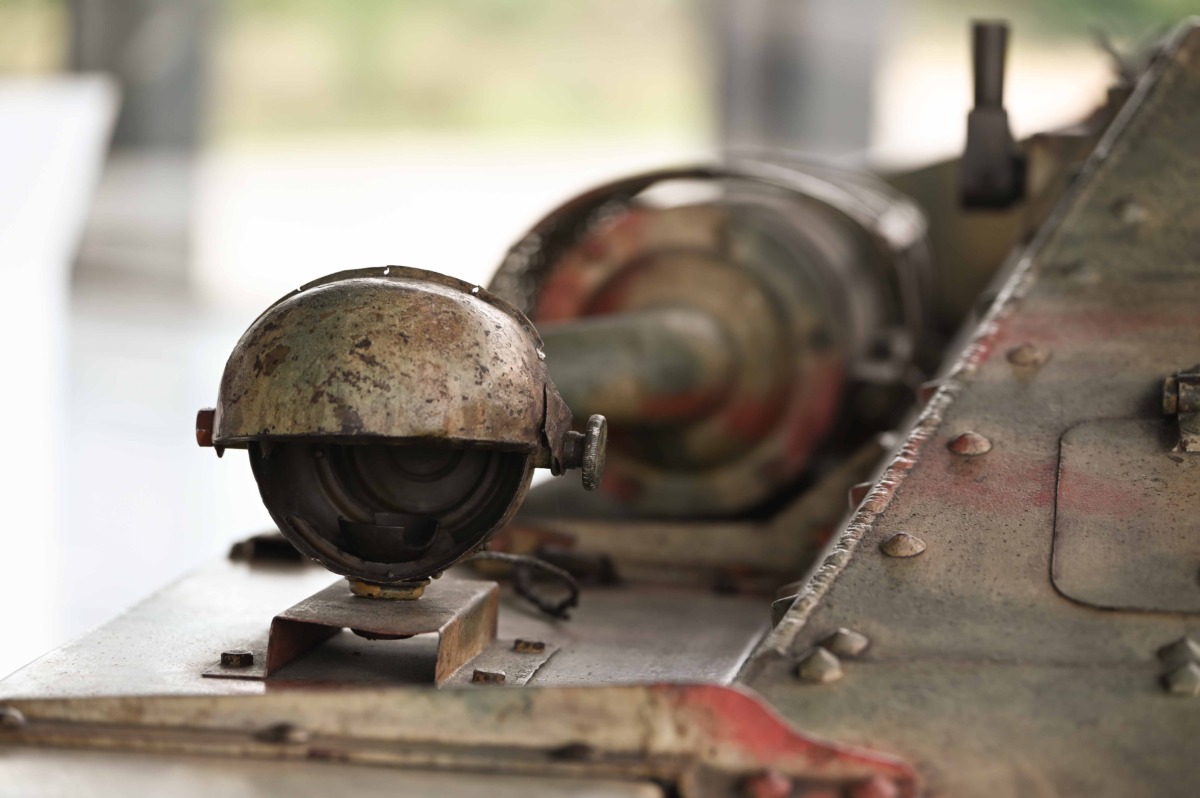
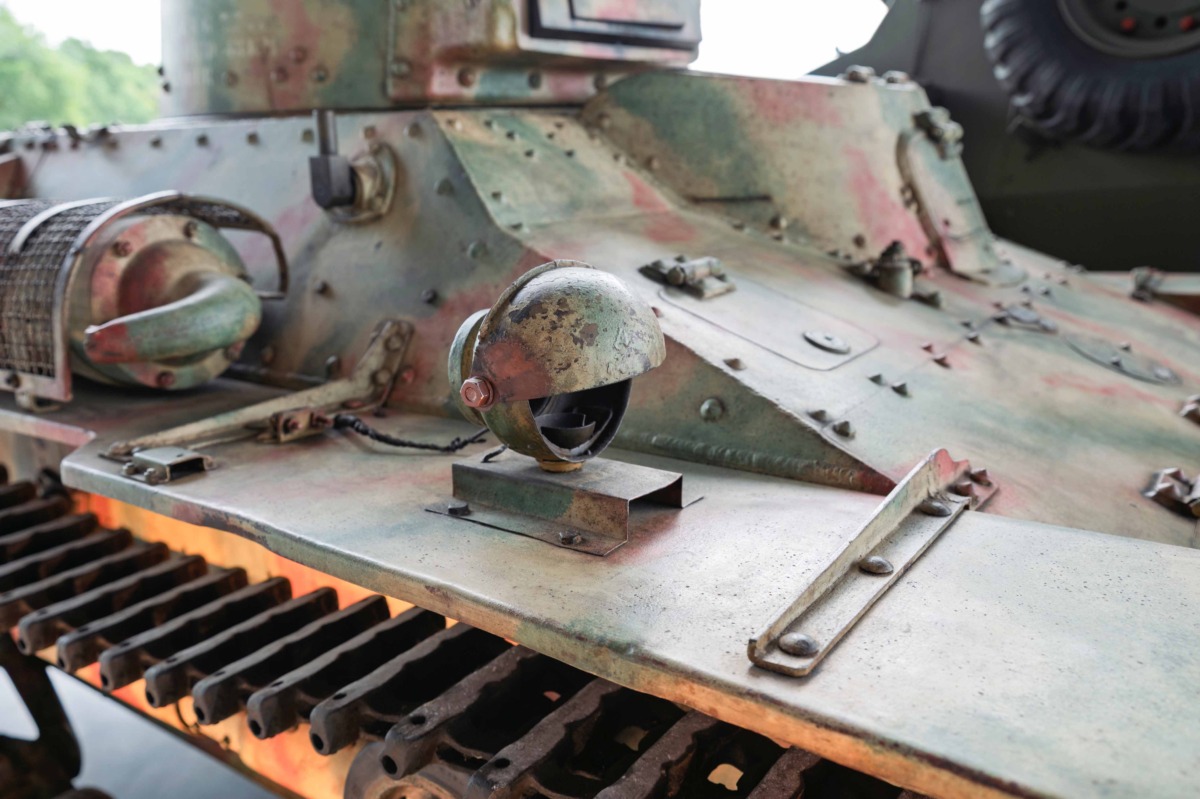
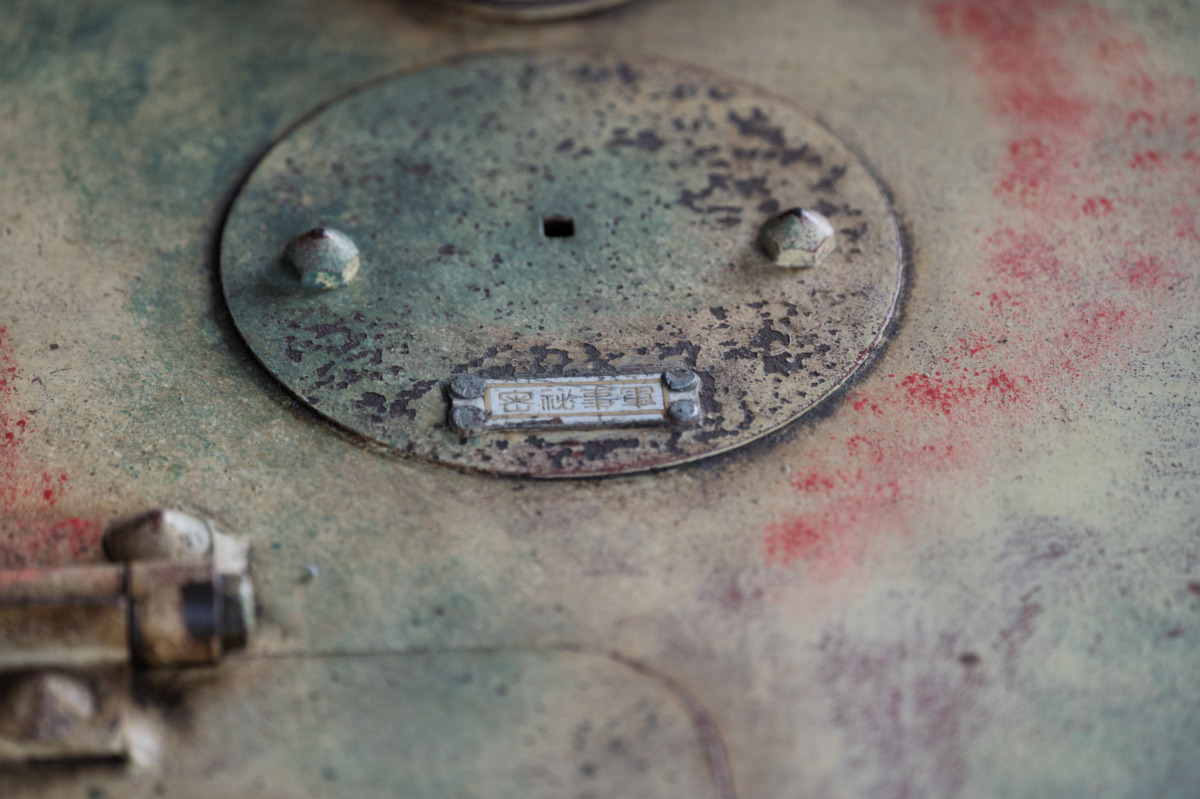
Lightly armored and fast, it was mainly used for reconnaissance, infantry support, towing a supply trailer and operations in areas like China and Southeast Asia, due to their light weight, they could easily be transported across seas or rivers. While effective early in the war against the Chinese army who used the Italian CV33 tankettes it became obsolete against better-armed Allied tanks later on.
Technical Specifications
The Type 97 Te-Ke was manufactured by Tokyo Gasu Denki and had a crew of 2, one commander/ gunner and one driver. It was 3,8 meters long, 1,9 meters wide and 1,8 meters high and weighed 4,7 tons. Its armor thickness was 4 to 16 mm – 12 mm on its turret and was a light protection effective against small arms and schrapel.
Its main gun was a 37 mm Type 94 tank gun with 66 rounds or on some tanks its main armament was a 7,7 mm machine gun. It did not have secondary armament.
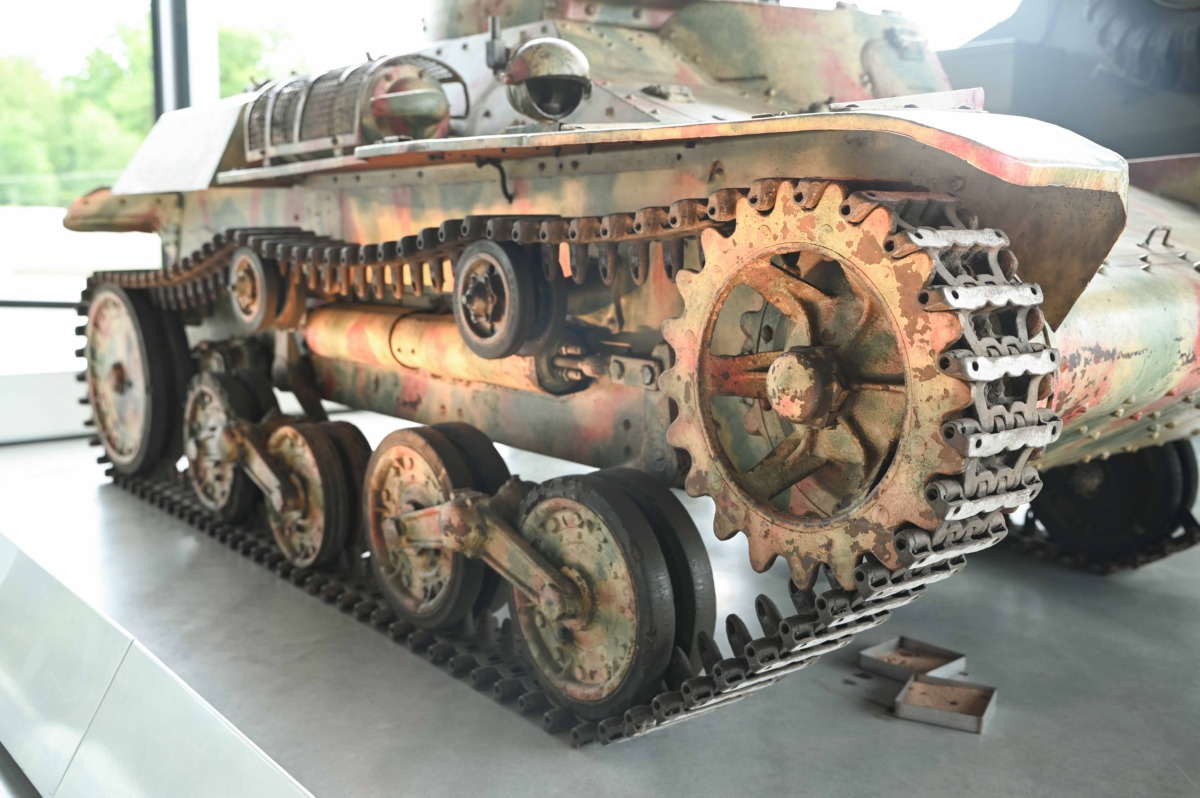
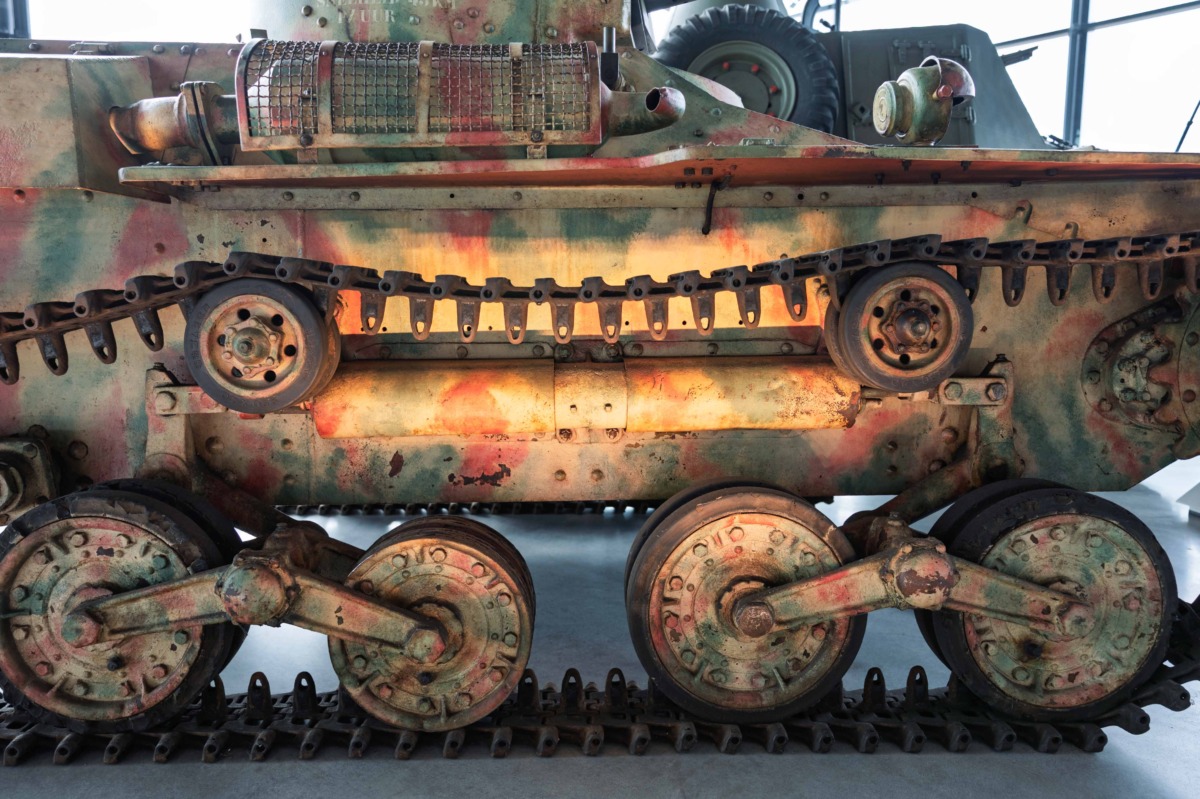
The Type 97 Te-Ke had a 4-cylinder Ikega Kuurei diesel engine with 65 hp and a Bell crank suspension used in earlier Japanese designs. it reached a topspeed of 42 km/h on roads with a range of 250 kilometers. It had good mobility and reliability for rough terrain.
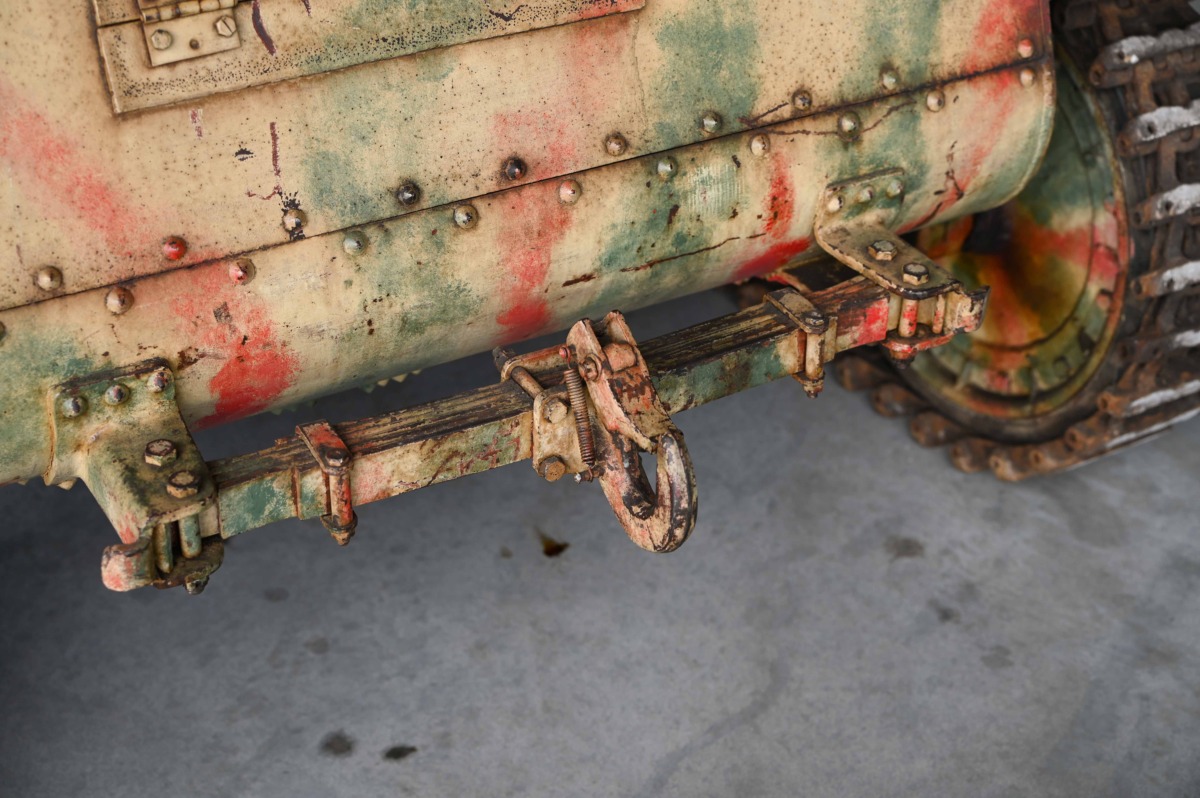
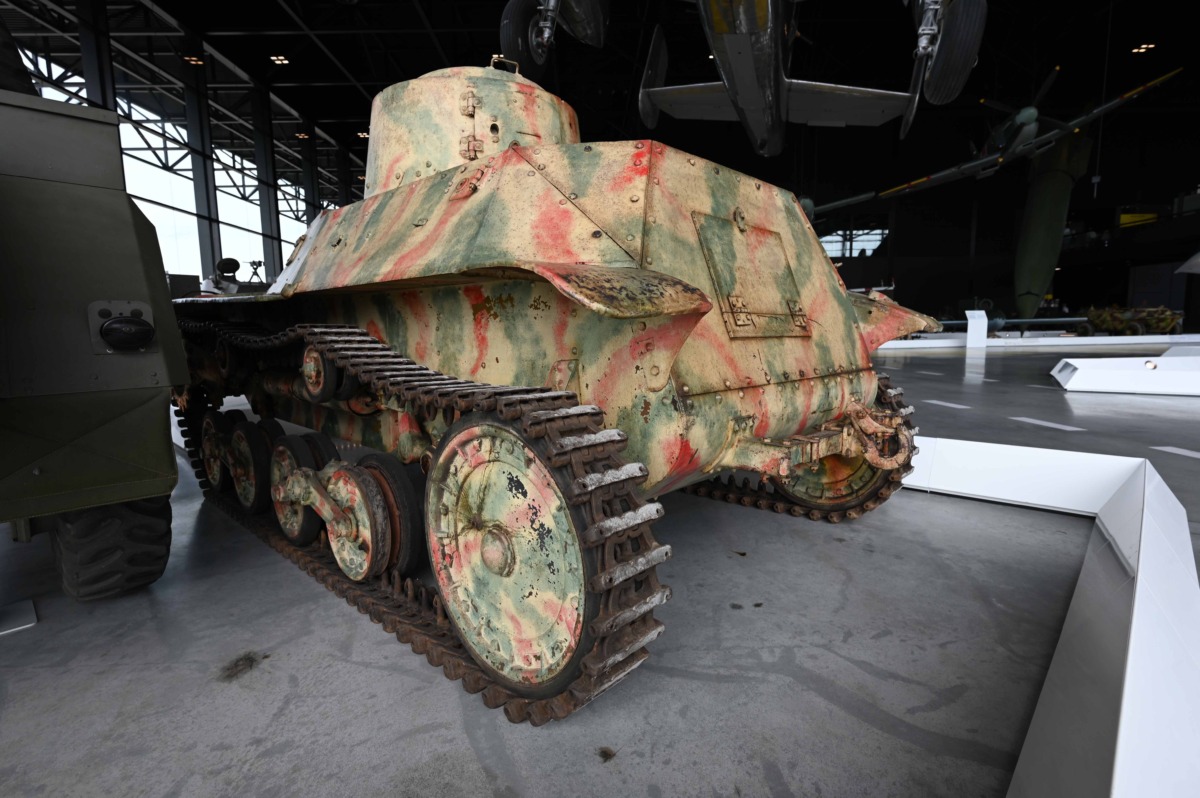
This Specific Type 97 Te-Ke
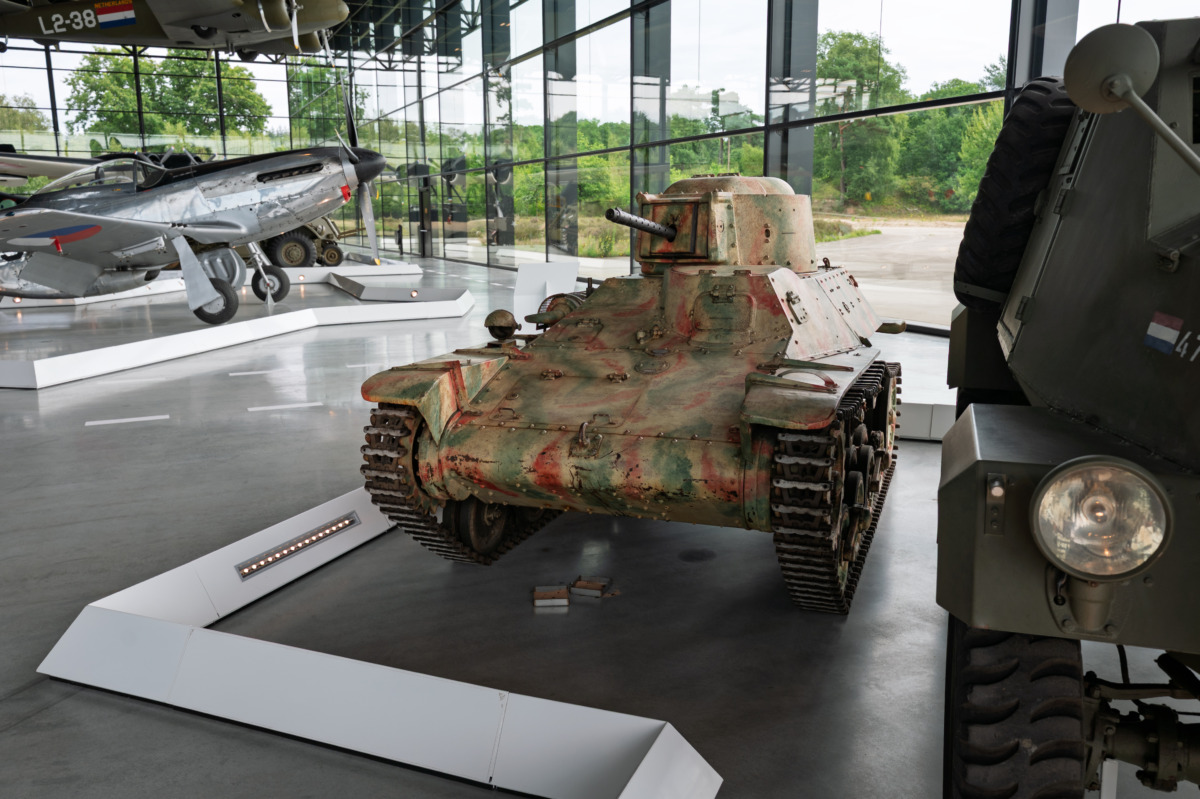
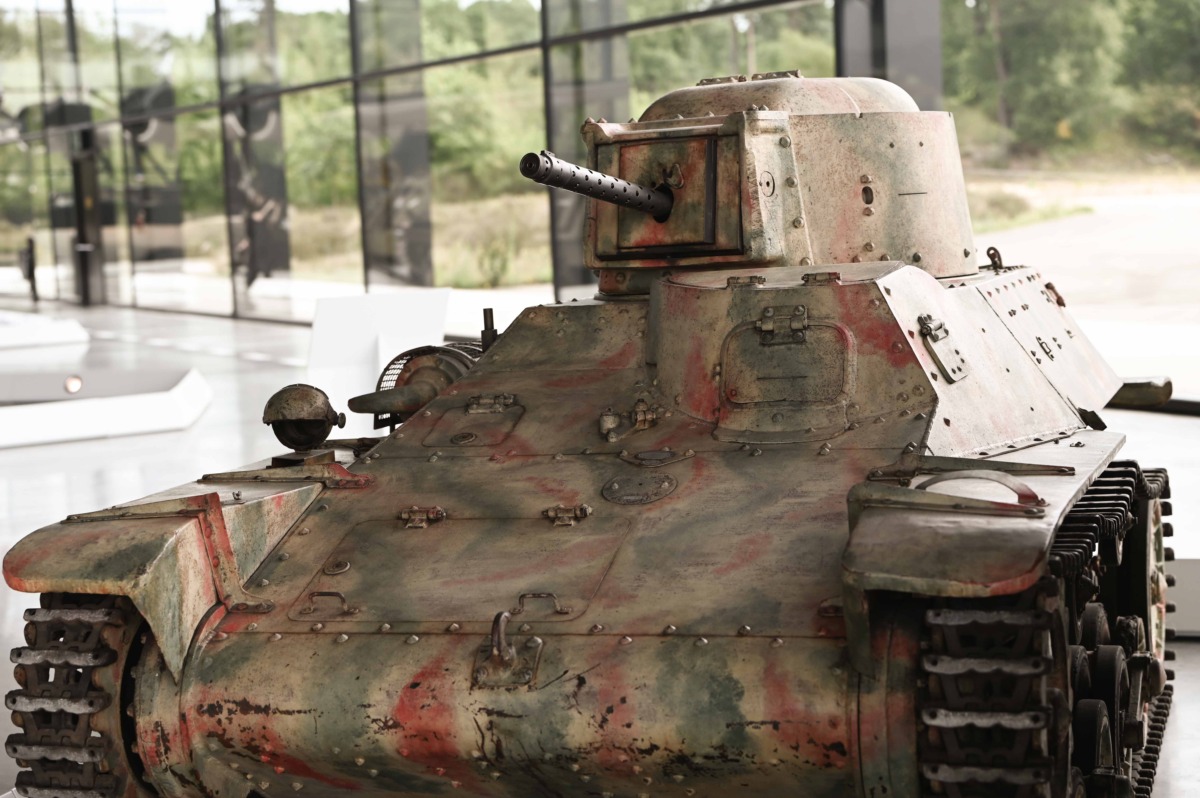
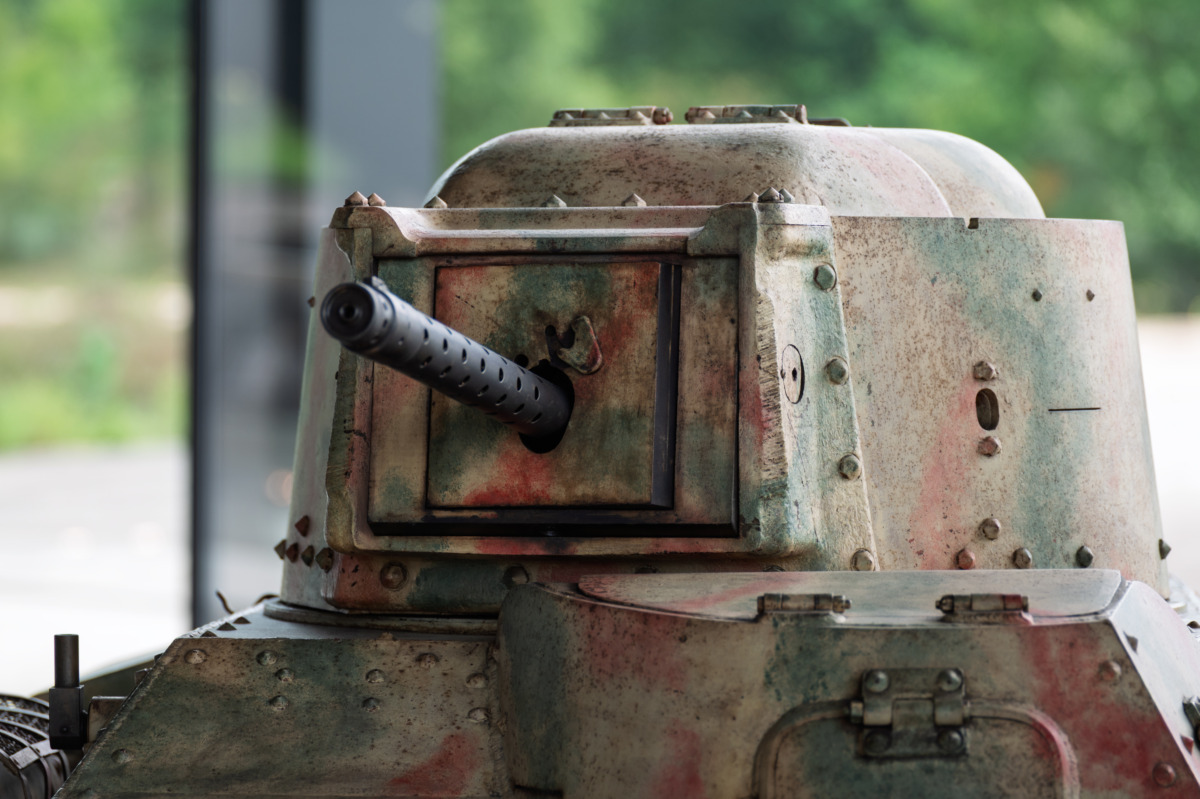
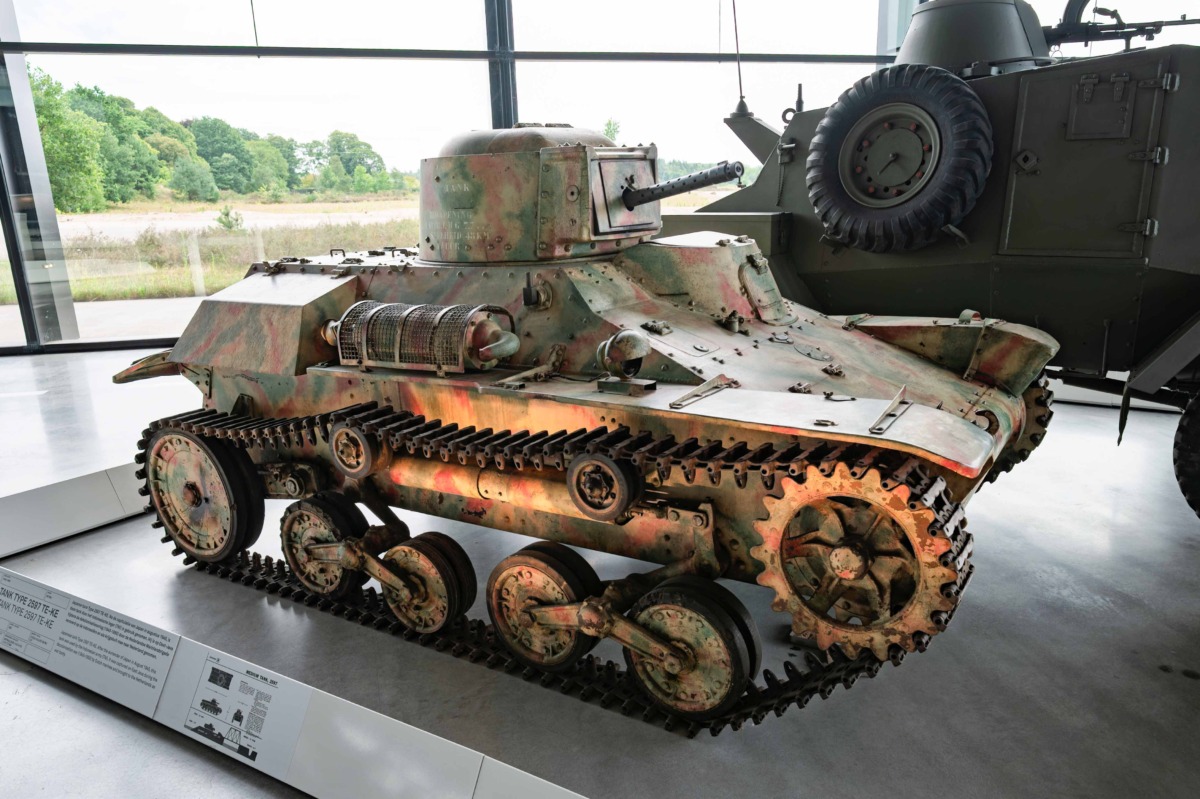
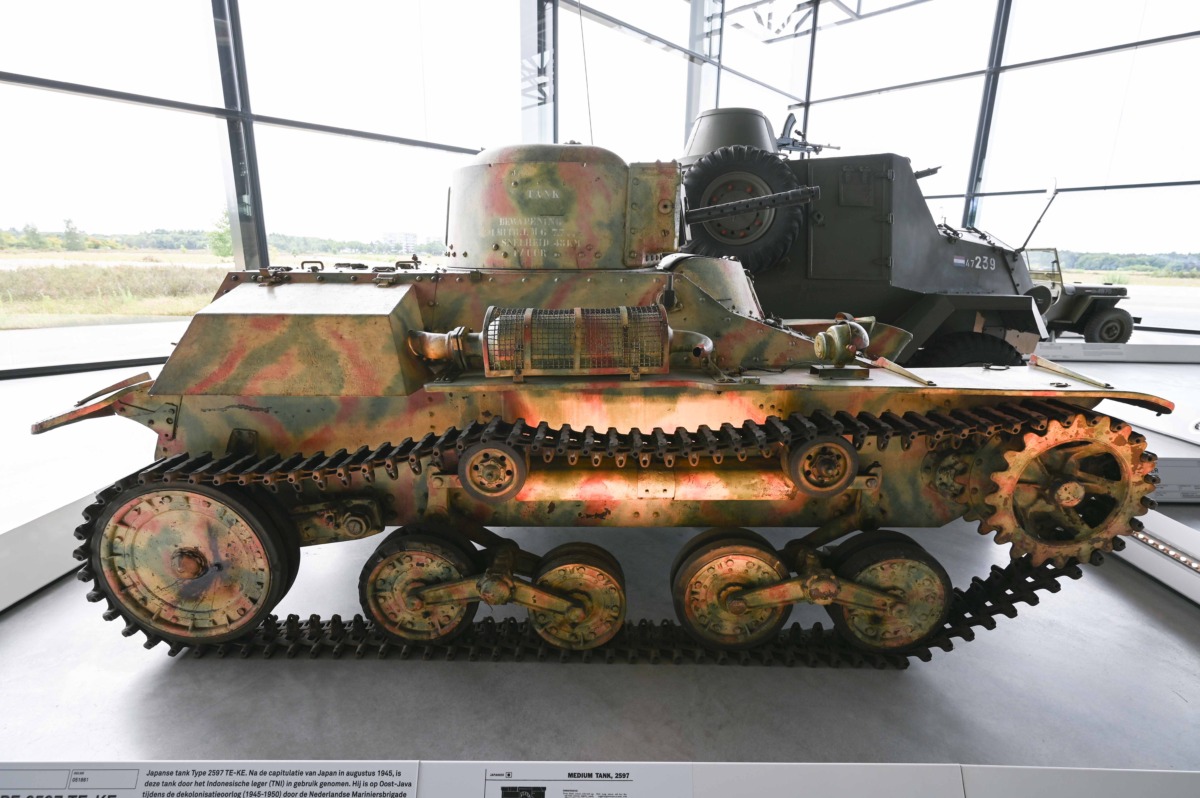
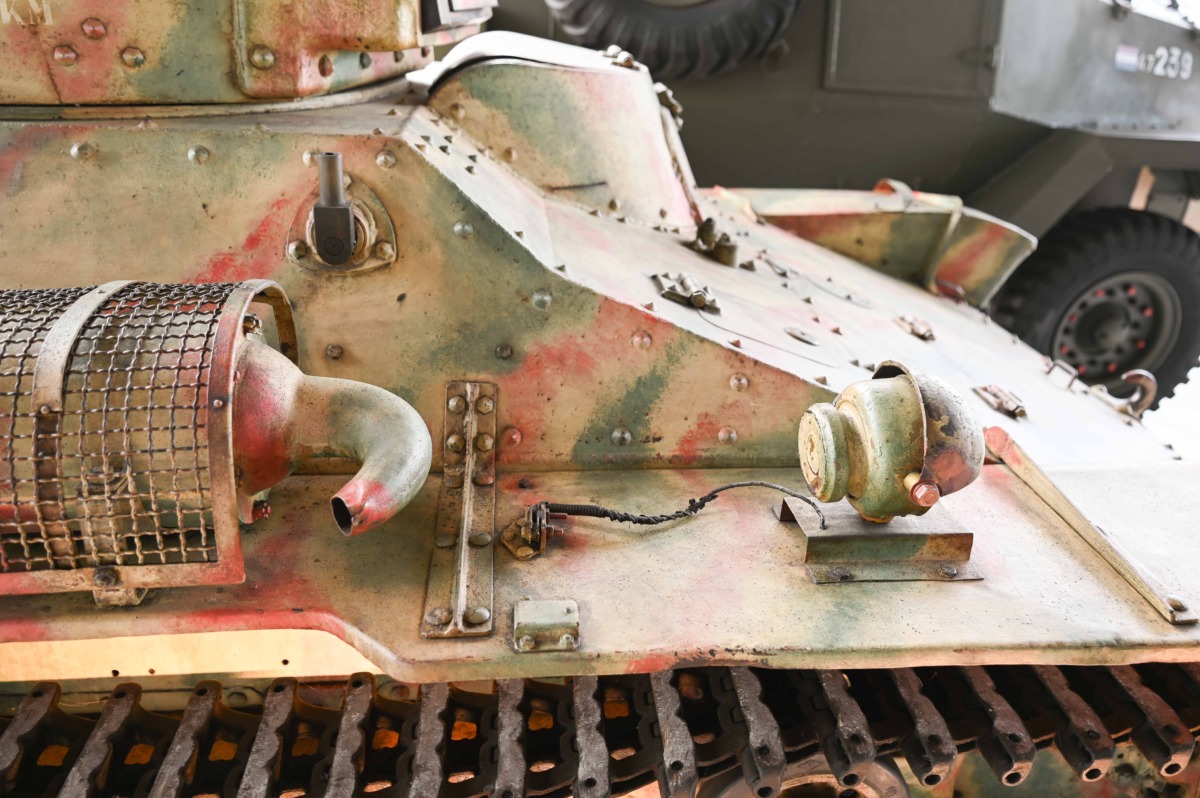
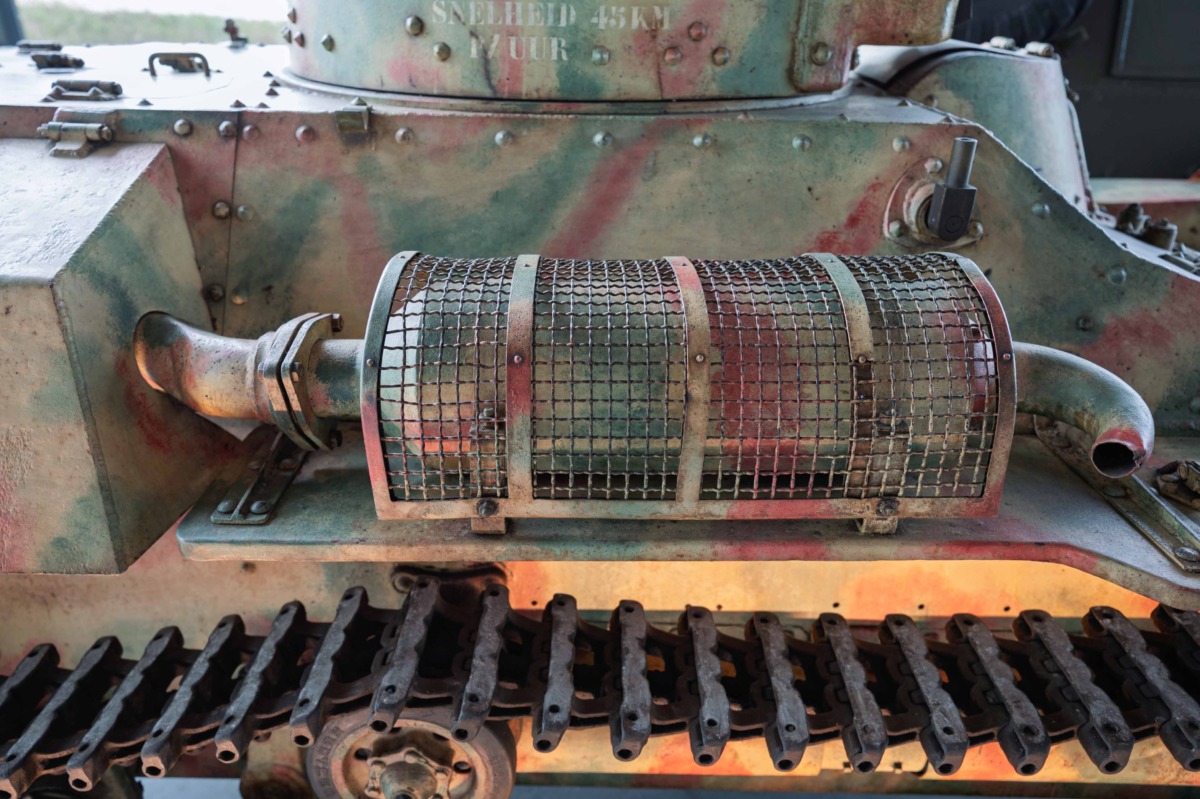
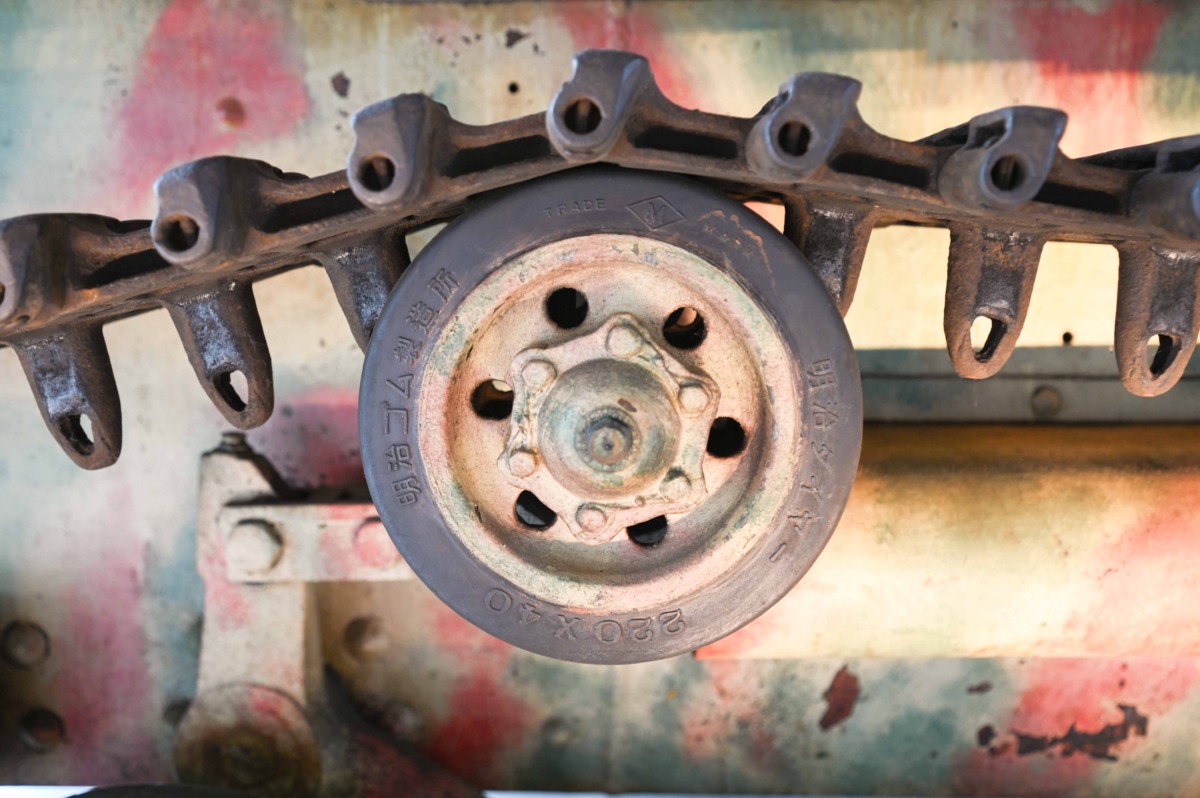
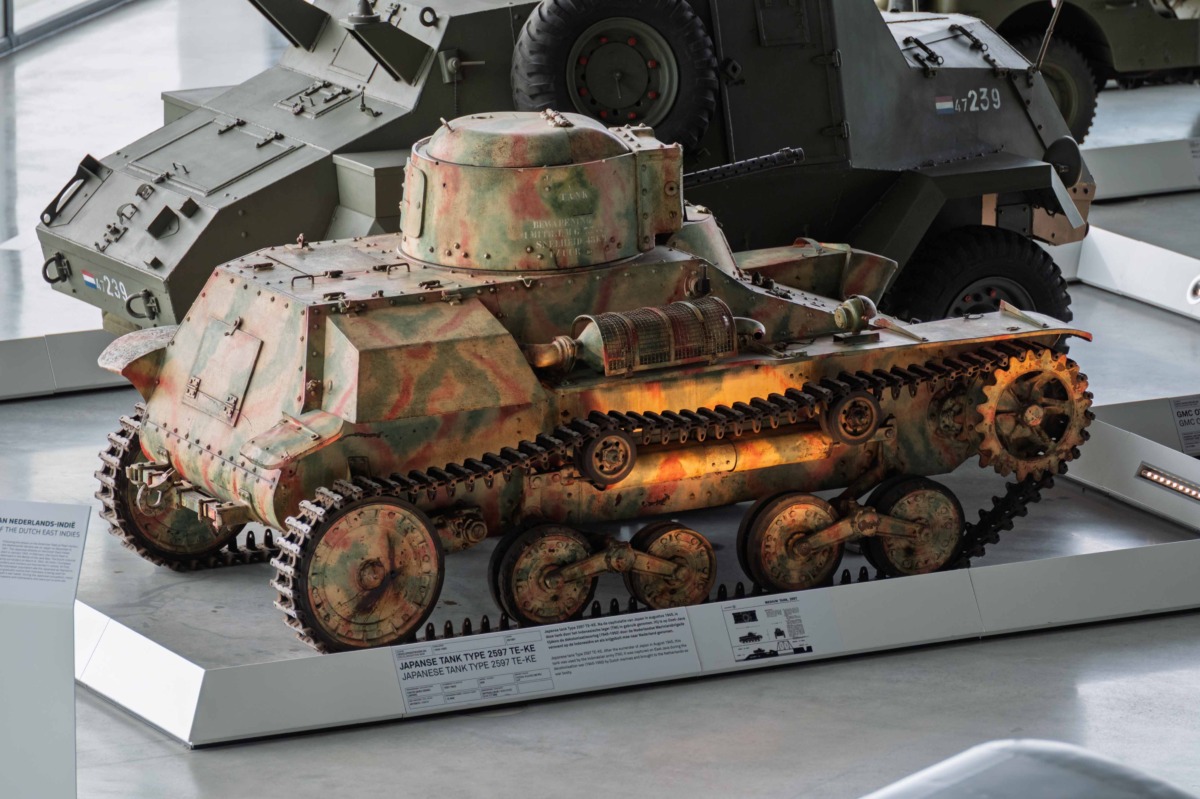
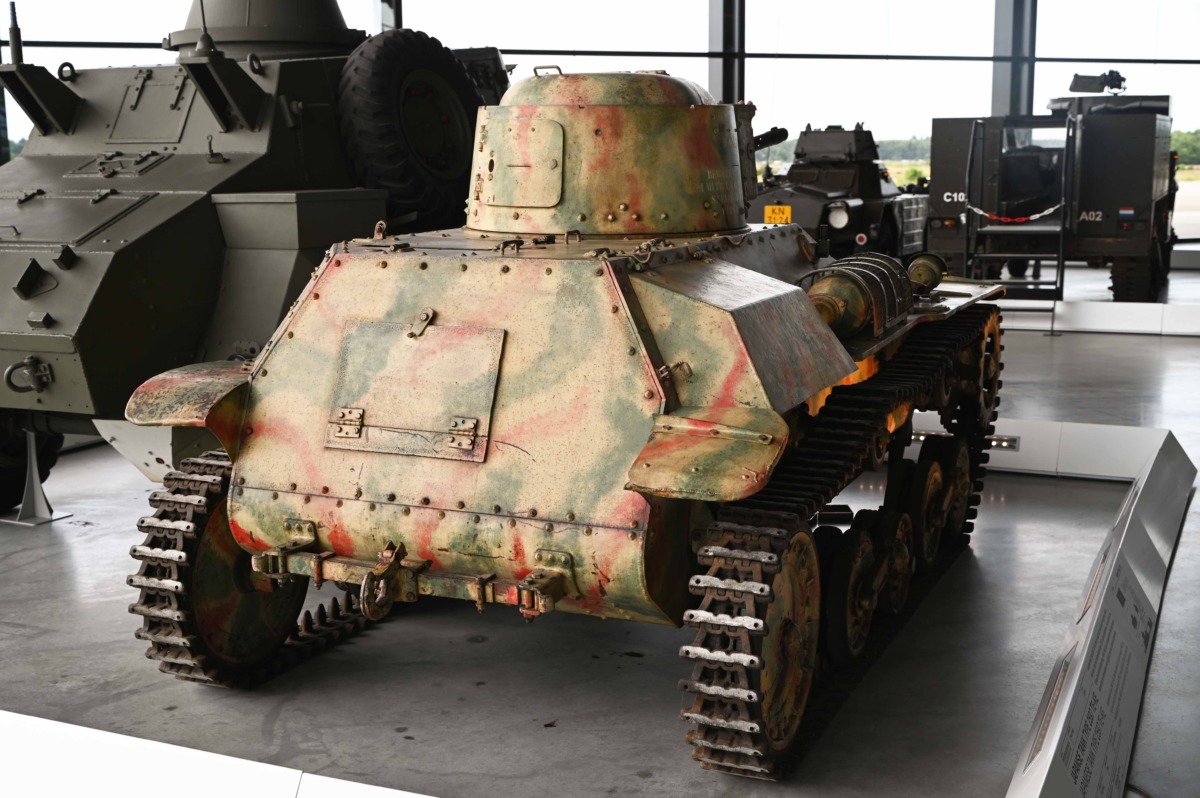
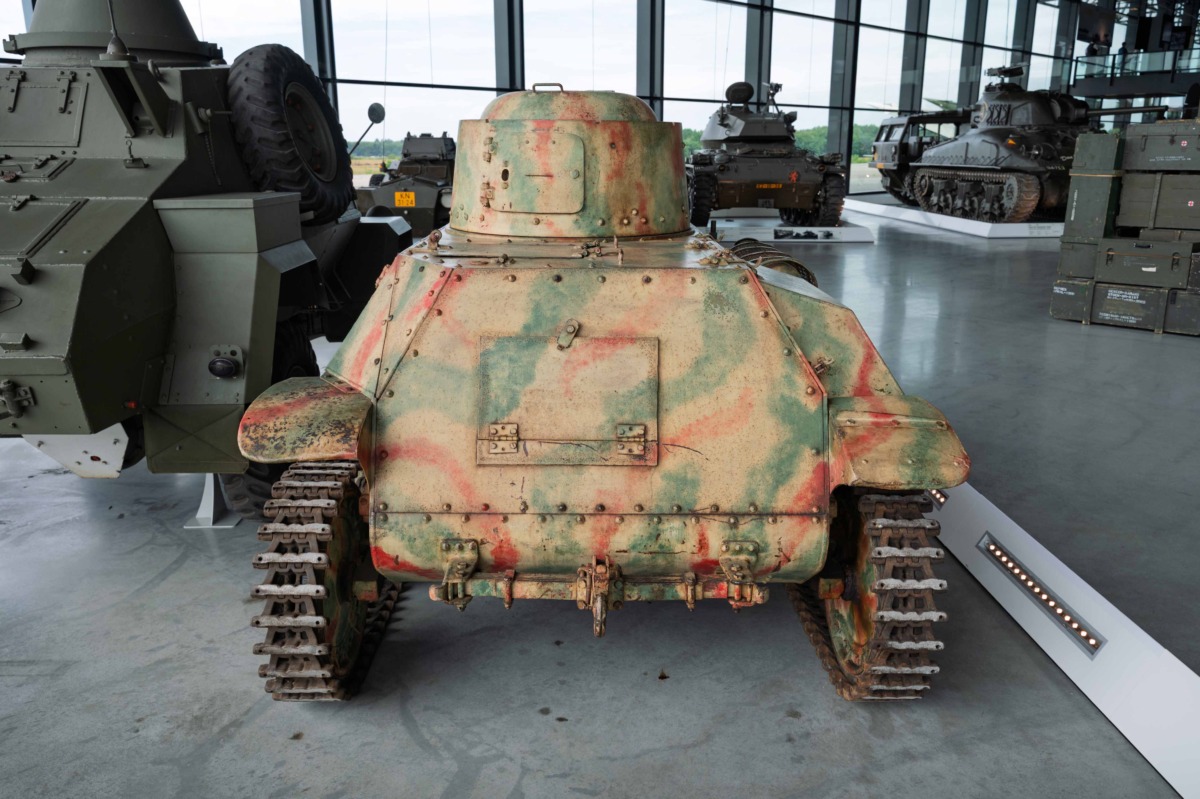
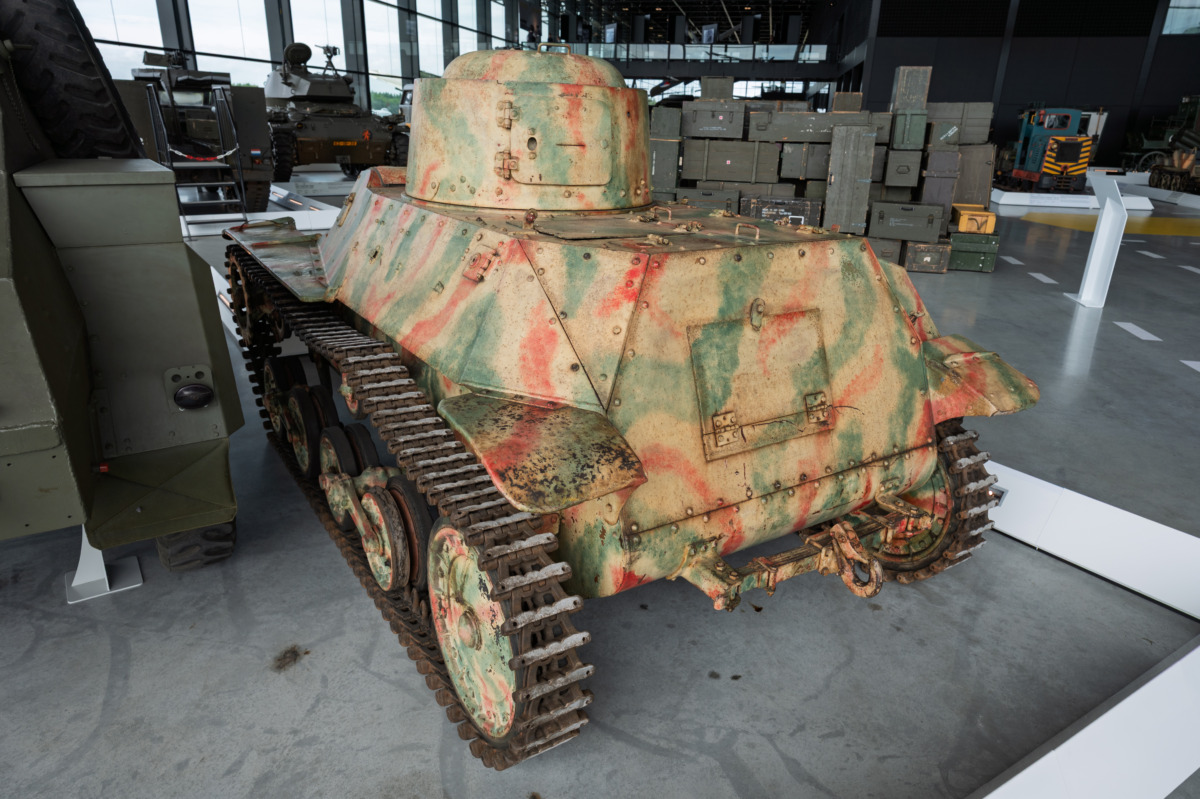
The Type 97 Te-Ke was photographed in the Nationaal Militair Museum, in Soesterberg, the Netherlands. The Japanese vehicle was built in Japan during WW2. After the defeat of Japan 1945, it was left behind in Indonesia and became part of the Indonesian army. In 1947, it was captured by the Dutch marines on East-Java, during the Indonesian National Revolution (decolonisation war 1945-1950) and was shipped back to the Netherlands. The camouflage isn’t Japanese, it was applied by the Indonesians after the Decond World War, the tankette is armed with the 7,7 mm machine gun instead of the 37 mm gun.
