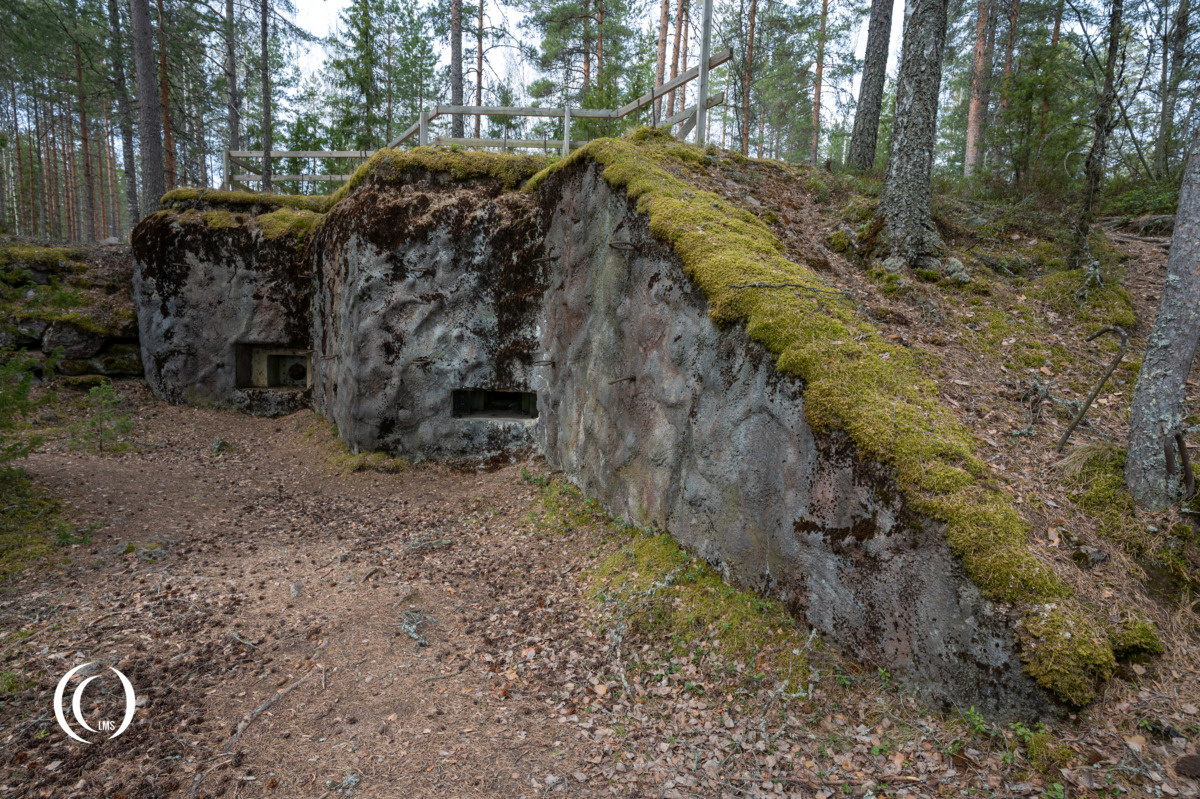
The Salpa Line is a chain of fortifications following Finland’s eastern border. Constructed between 1940 and 1944, its purpose was to protect Finland against a possible attack by the Soviet Union during World War Two. The line stretches 1,200 kilometers from the Gulf of Finland in the South to Lapland in the North and consists of a mix of permanent bunkers and field fortifications rather than a single continuous defensive structure. Until the armistice with the Soviet Union in September 1944, 728 reinforced concrete bunkers, 3,000 wooden field fortifications, about 225 km of multi-row anti-tank lines and more than 300 km of barbed-wire obstacles were constructed.
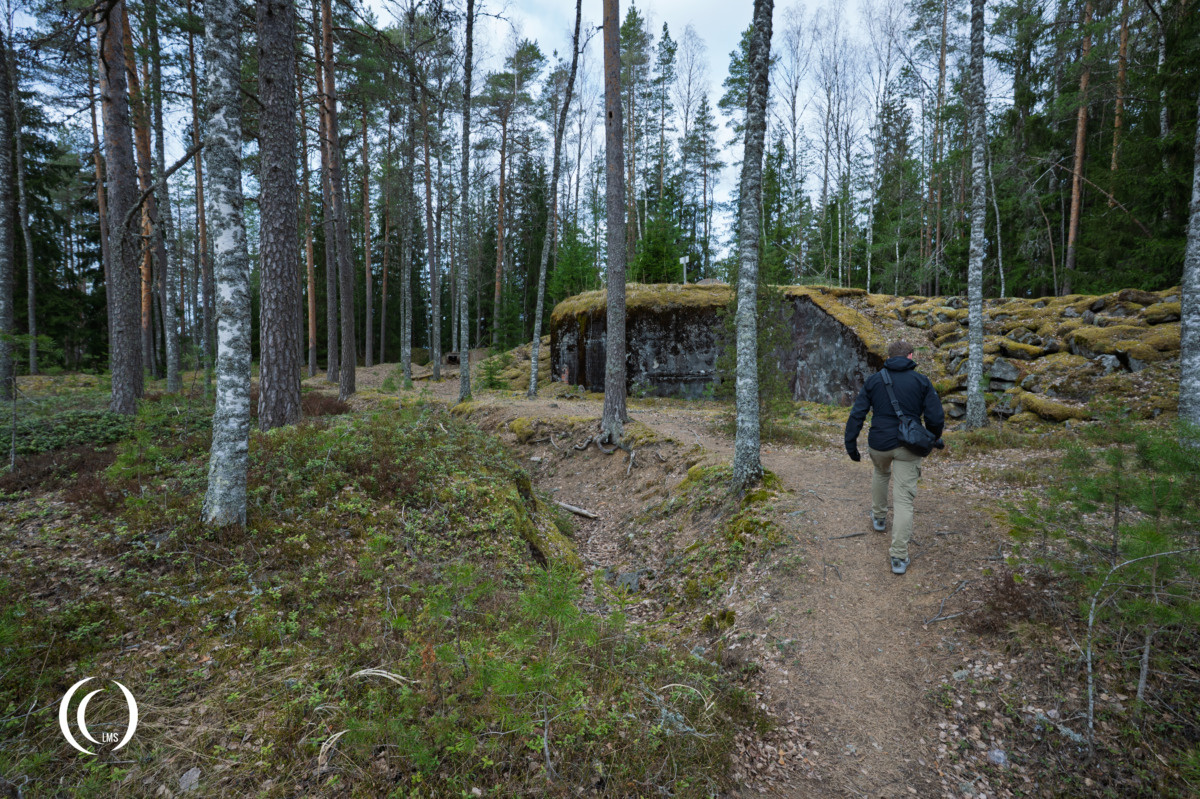
The strongest fortifications were built between the Gulf of Finland and Lake Kivijärvi, with additional positions protecting important roads and the narrow land corridors between waterways. The Salpa Line was never reached by major fighting, allowing much of it to survive to the present day. Today, it stands as a monument to Finland’s wartime history and is comparable to other major European defensive systems of the Second World War, like the Maginot Line, the Atlantic Wall or the Alpine Wall.
The defensive concept was based on slowing and stopping an advancing enemy with anti-tank obstacles, while engaging troops with machine-gun crossfire and artillery. The fortifications were carefully positioned to take advantage of the terrain and waterways and were extensively camouflaged.
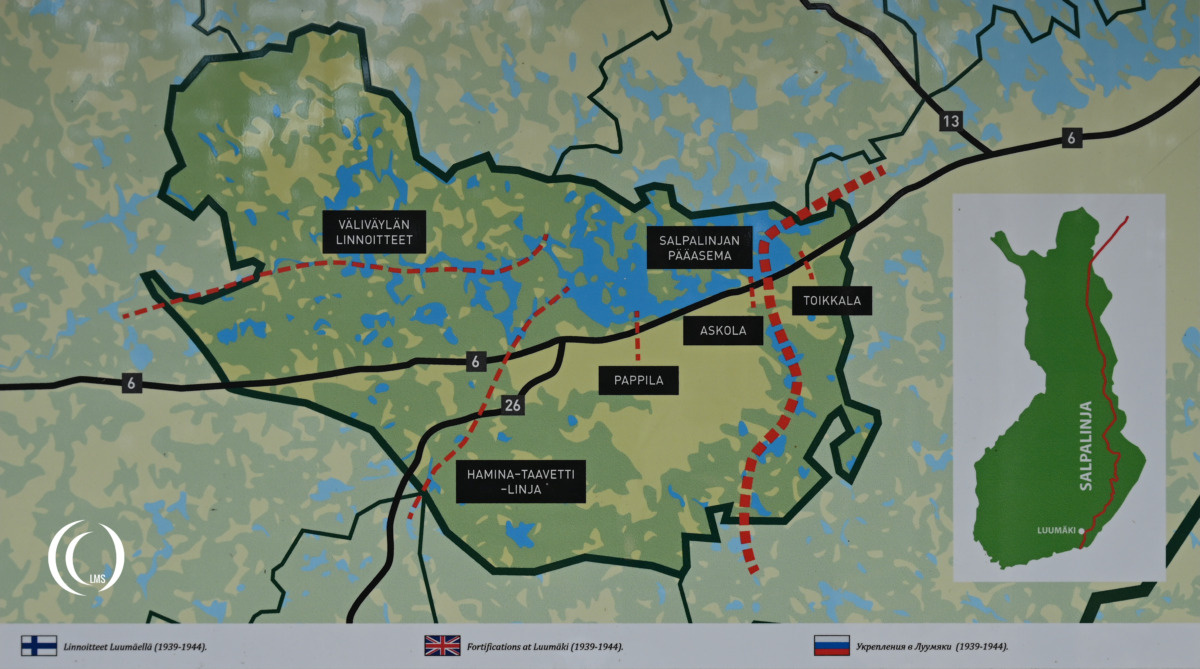
Luumäki Region
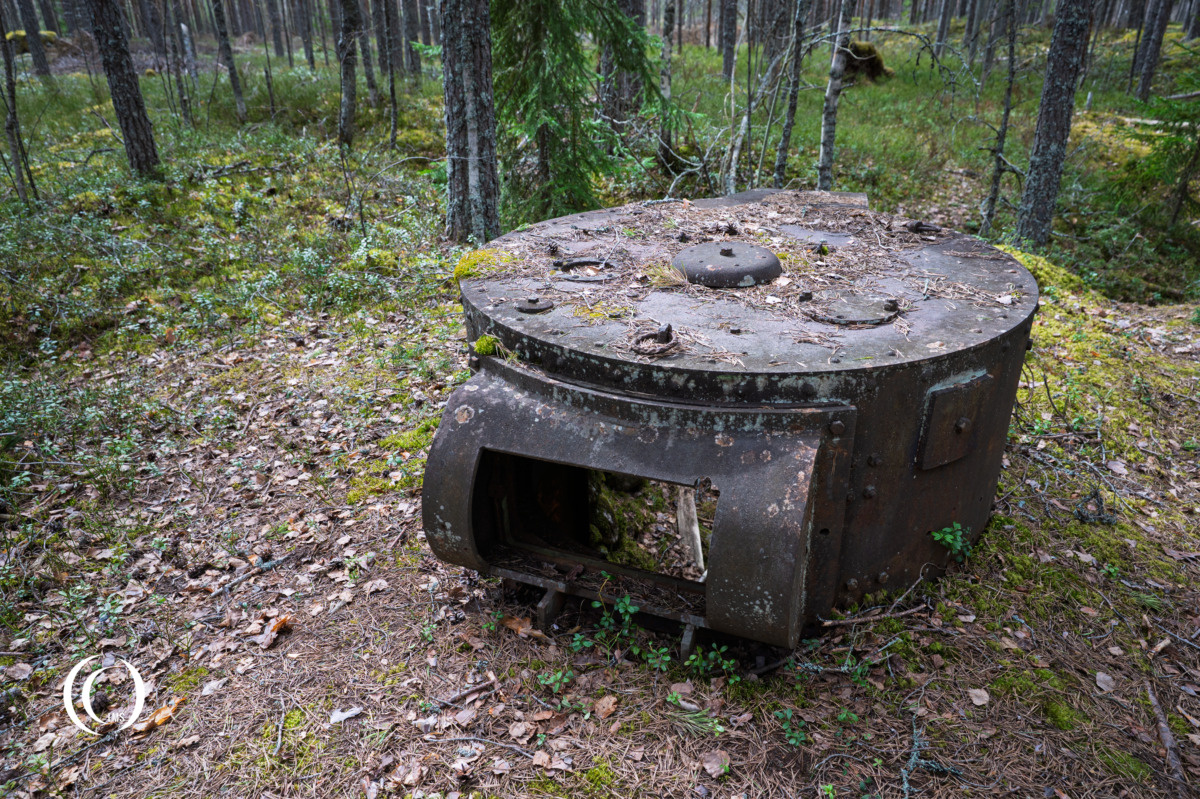
Luumäki was one of the most heavily fortified areas of the Salpa Line, with more than 120 different structures. Most of these were reinforced-concrete machine-gun bunkers and bunkers equipped with armoured machine-gun cupolas. Most of the reinforced-concrete structures were built during the interim peace of 1940–1941.The area also contained accommodation, observation and command bunkers, together with kilometres of anti-tank obstacles, trenches and other field fortifications. In 1944, the defences were strengthened with steel positions constructed from tank turrets.
Askola position
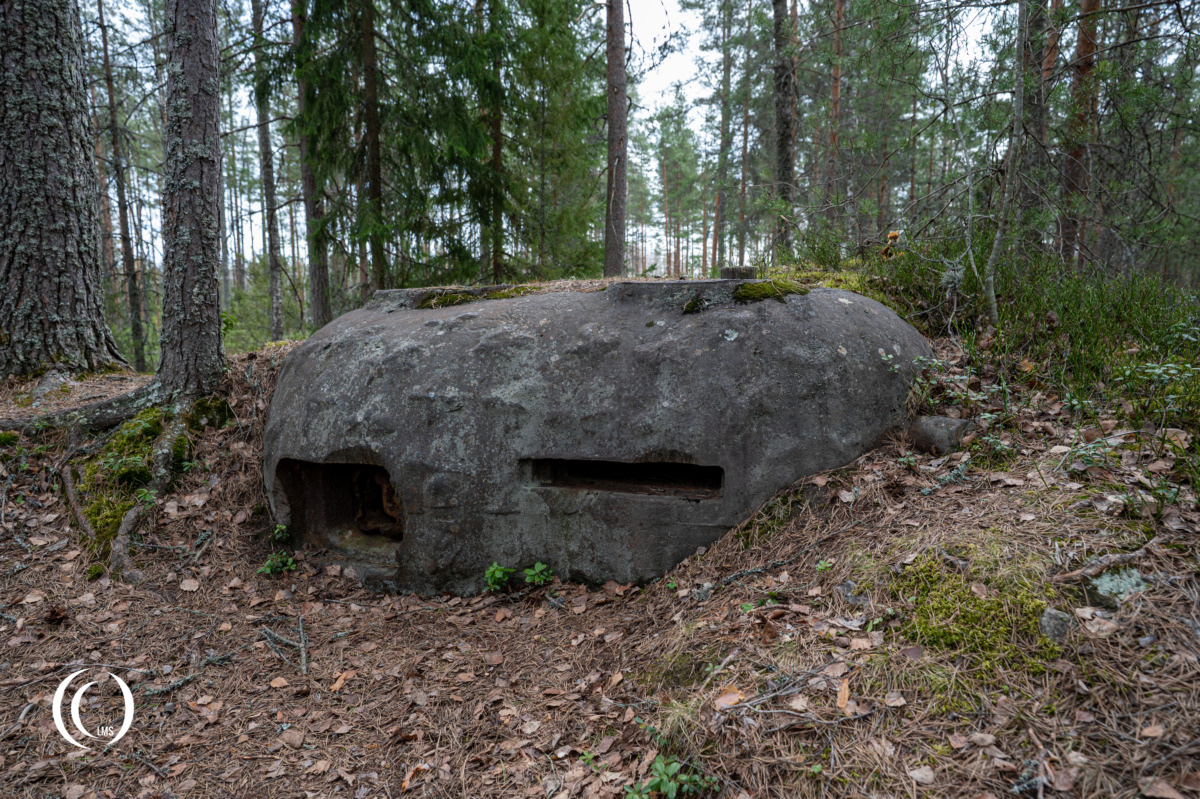
The Salpa Line position in the area between Lake Kivijärvi and Lake Suur-Urpalanjärvi contains 33 reinforced-concrete structures representing four main types: combined anti-tank gun and machine-gun bunkers, machine-gun bunkers, machine-gun cupola positions and accommodation bunkers. One machine-gun bunker is also protected by a steel position made from a tank turret. The bunkers are located in sandy, forested terrain on the Salpausselkä ridge. The main direction of defence was east, towards Highway 6 and the railway between Lappeenranta and Kouvola.
In front of the main defensive position at Askola, to the east, lies the Toikkala Line, which served as a delaying position. Behind it, at Huomola, is the Kivijärvi–Suur-Urpalanjärvi flooding system, complete with bunkers. At this point, the defensive system has a depth of approximately three kilometres.
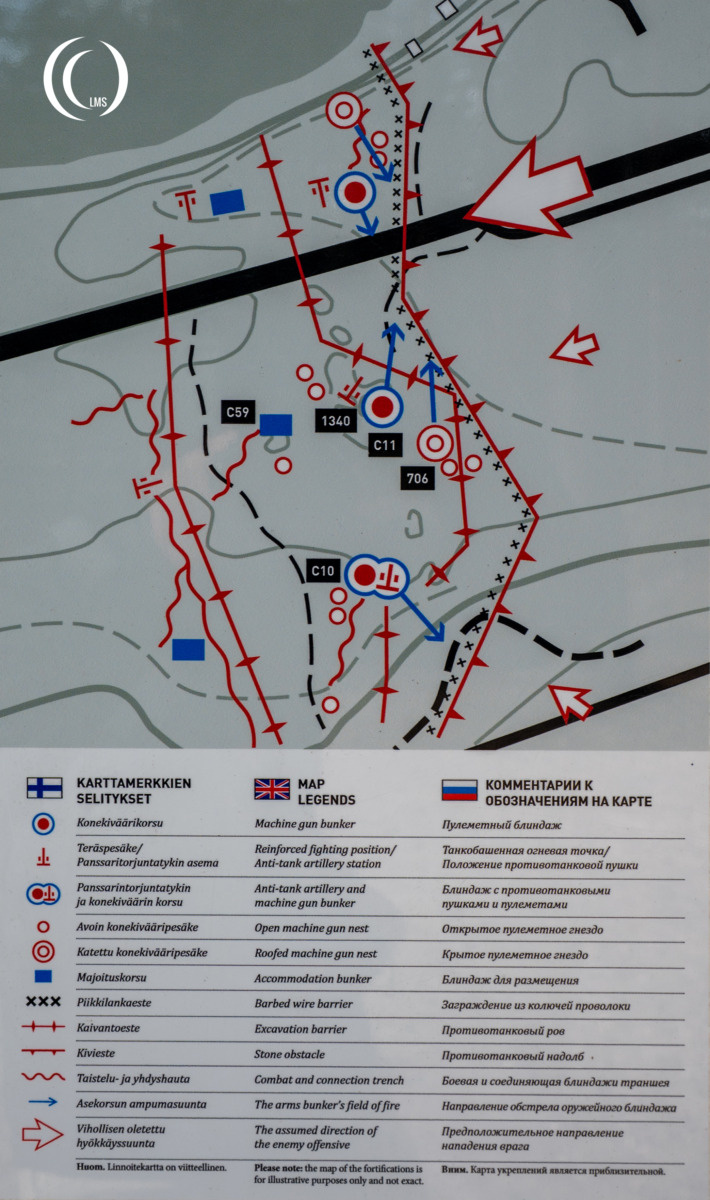
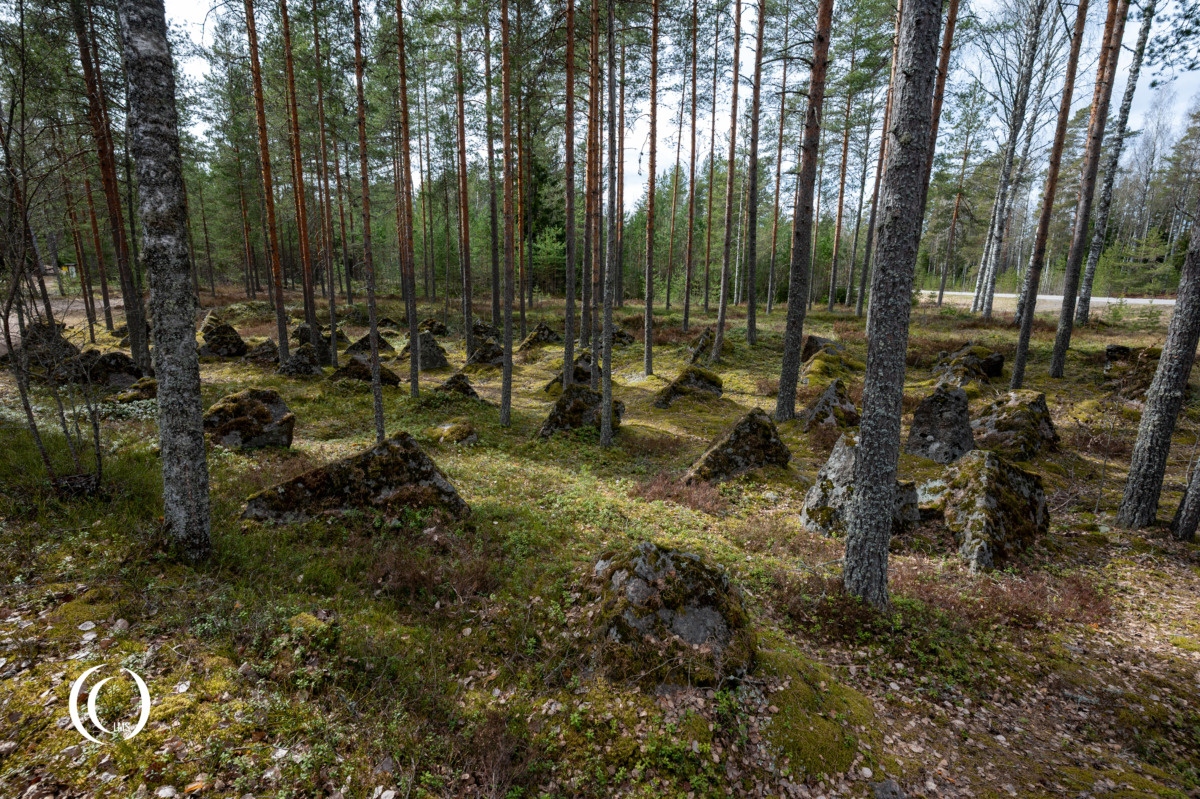
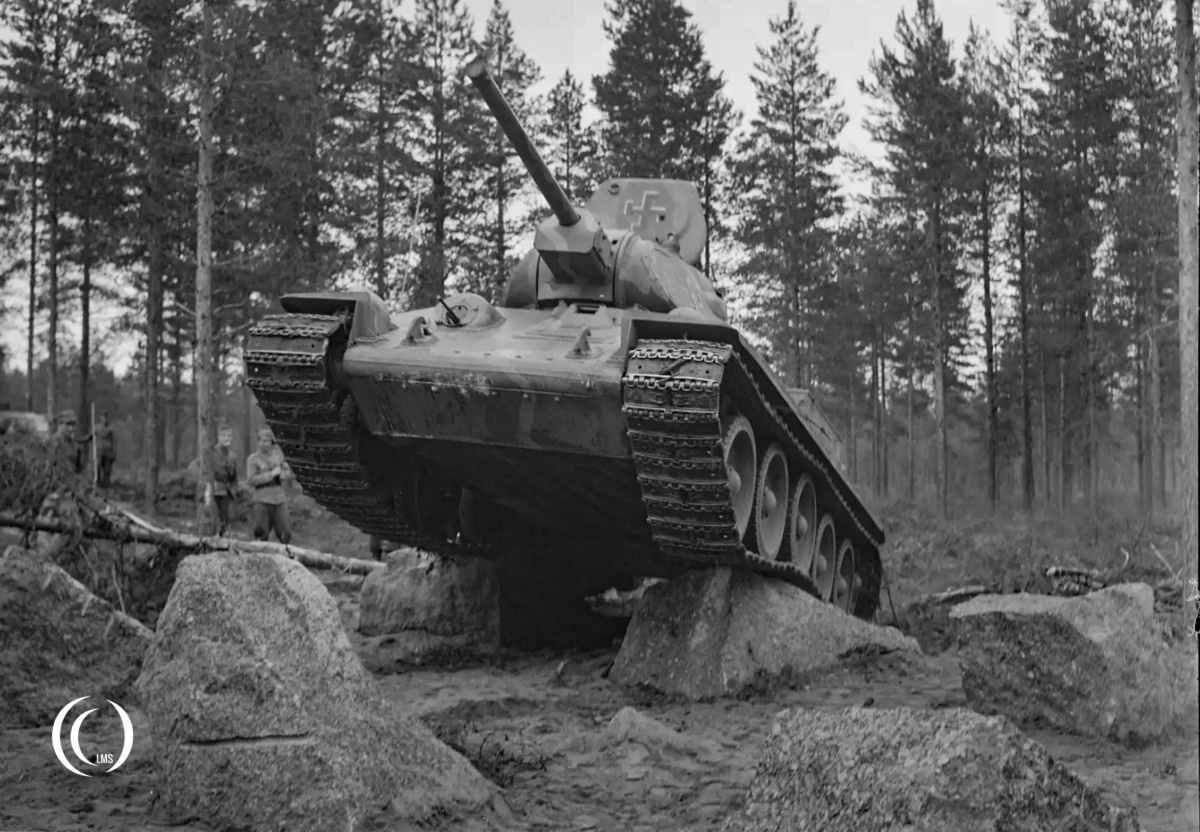
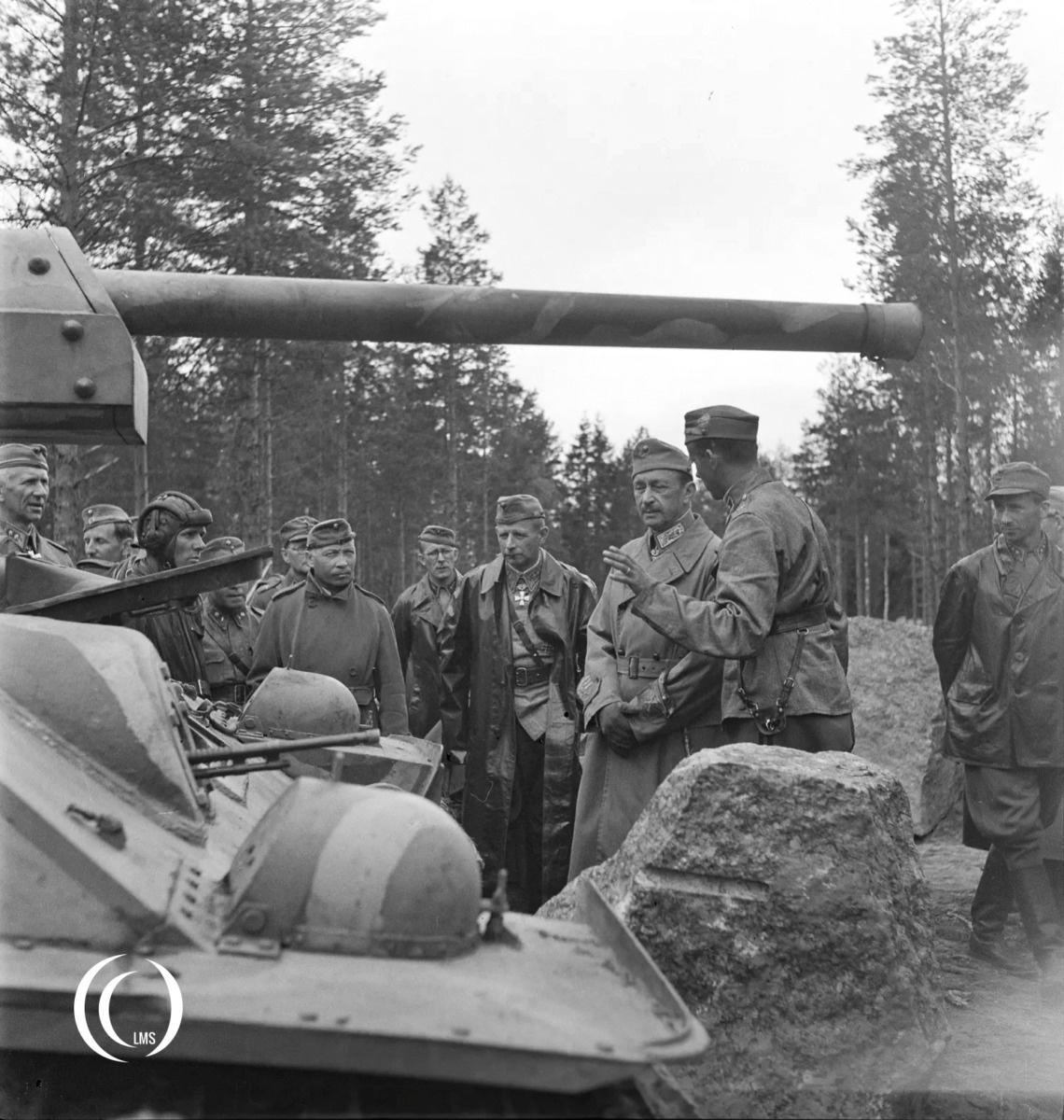
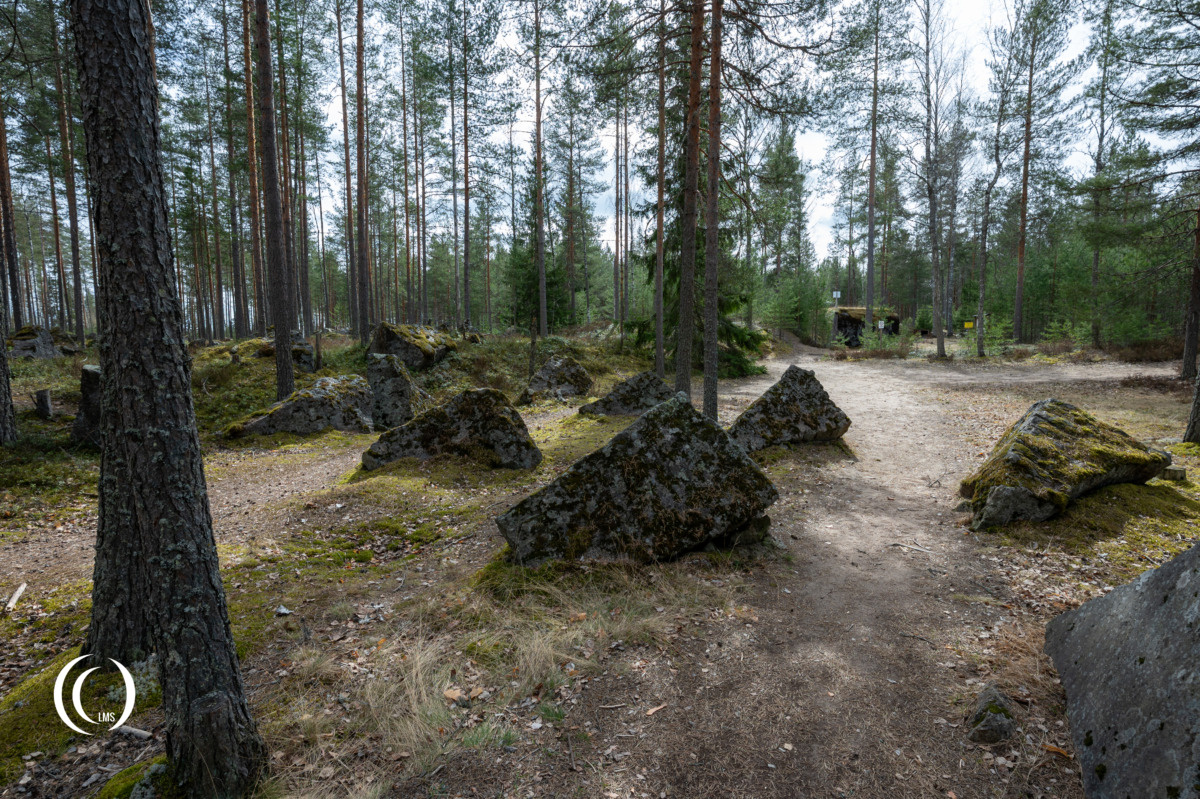
The eastern side of the position was protected by a four-row anti-tank barrier constructed of granite stone obstacles. Initially, these stones were placed vertically, but experiments in June 1943 at Luumäki demonstrated that horizontally laid stones were most effective. The stones were subsequently rearranged and placed in trenches approximately one metre deep, two metres apart. At just over 80 cm high, they were considerably lower than the 130 cm stones previously used.
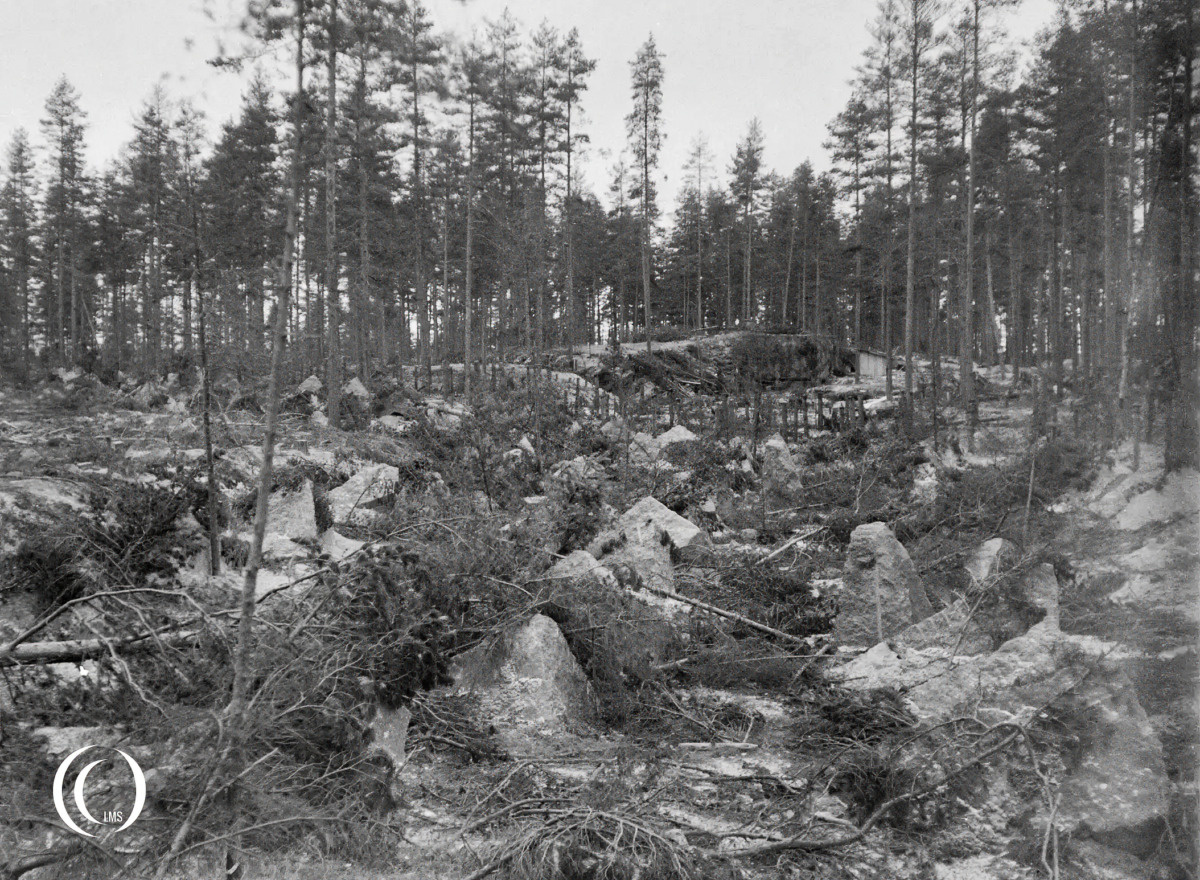
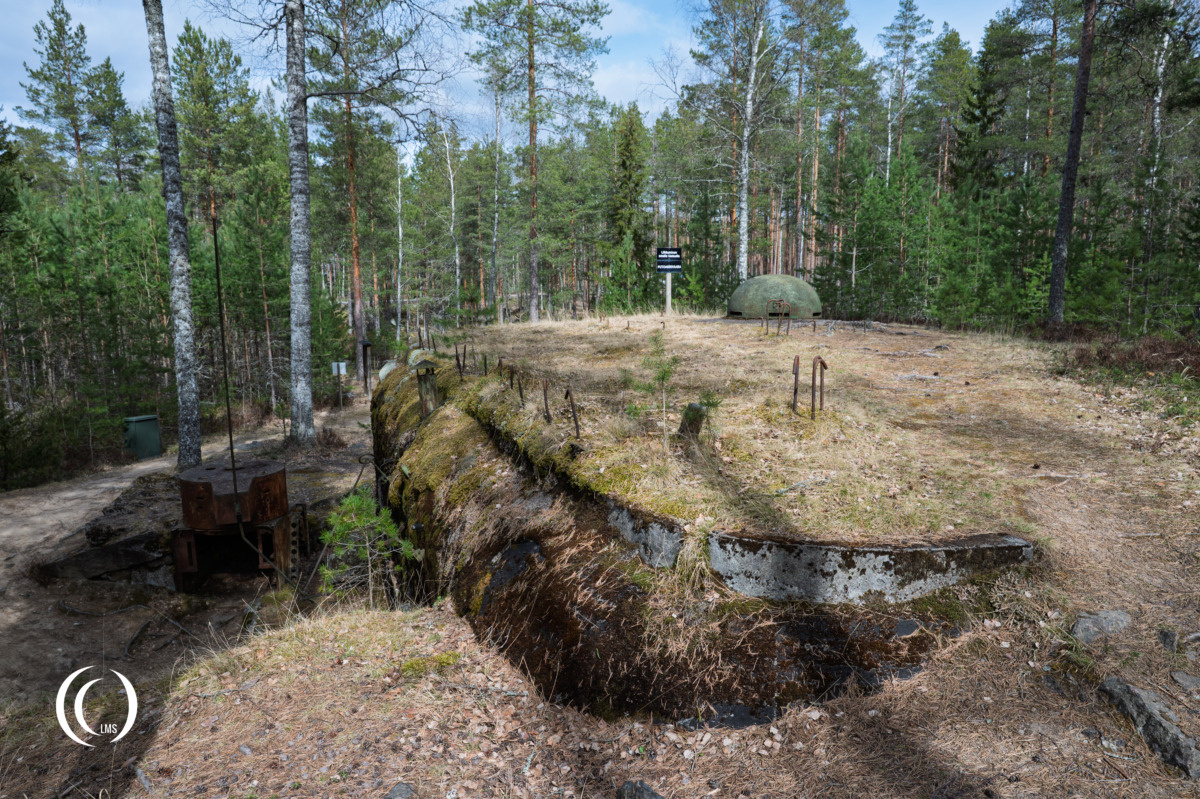
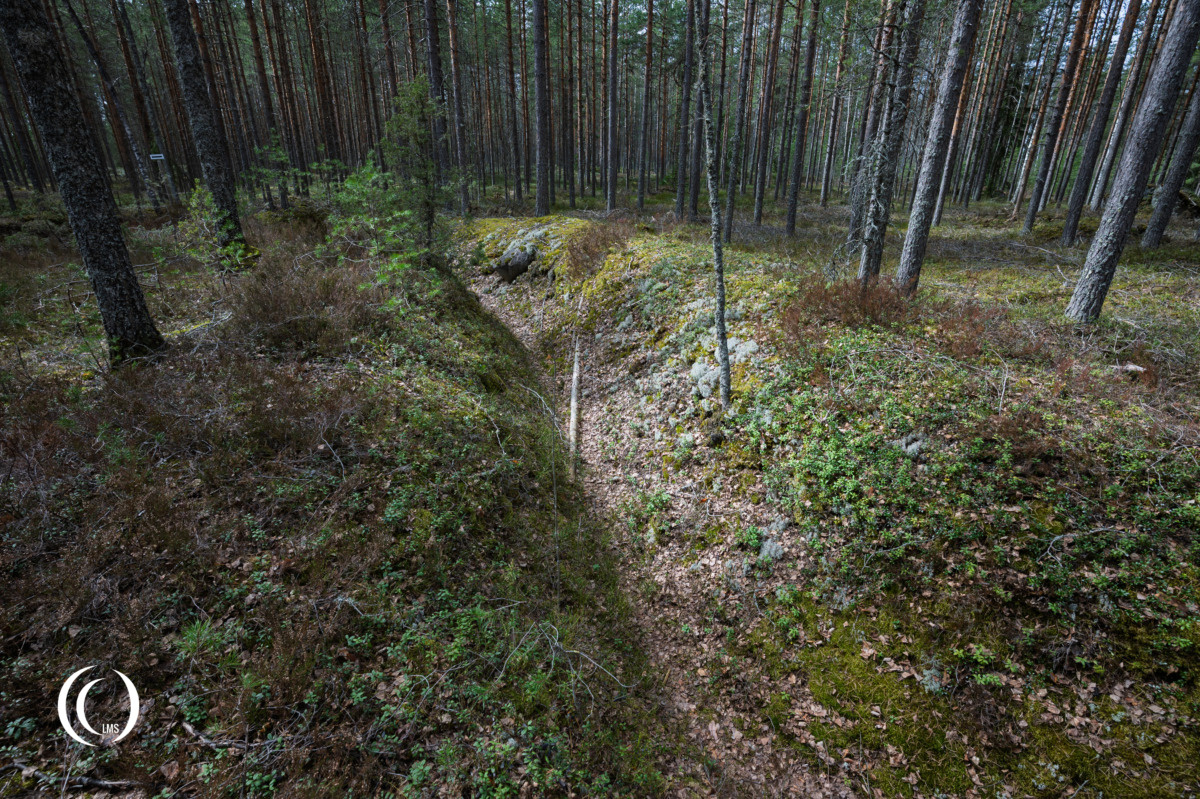
Barbed-wire obstacles between the stone barrier and the bunkers further slowed advancing infantry. Behind the obstacles stood reinforced-concrete firing bunkers armed with machine guns, anti-tank guns, or both. Communication trenches connected the positions, while accommodation bunkers and additional field fortifications were located further to the rear. Several bunkers still retain original interior fittings alongside later additions.
Visit
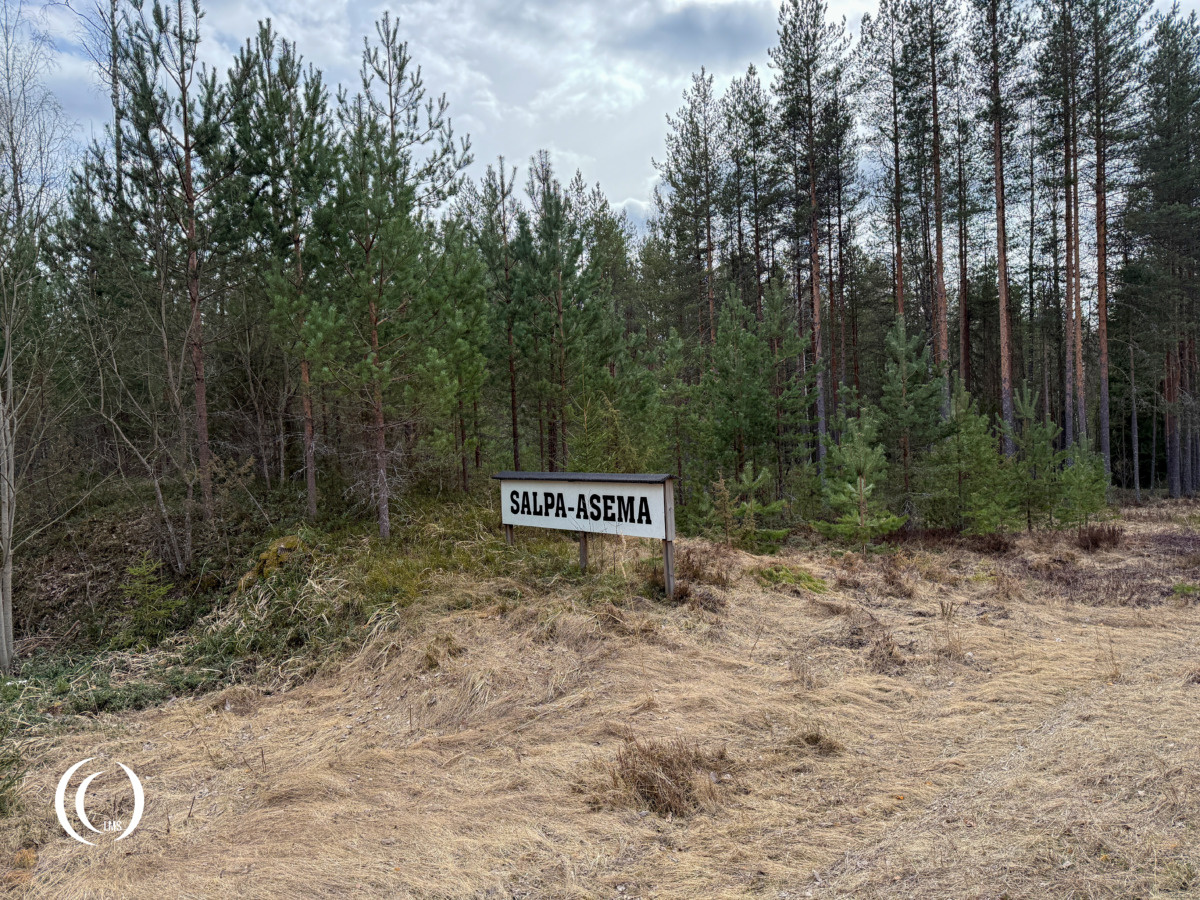
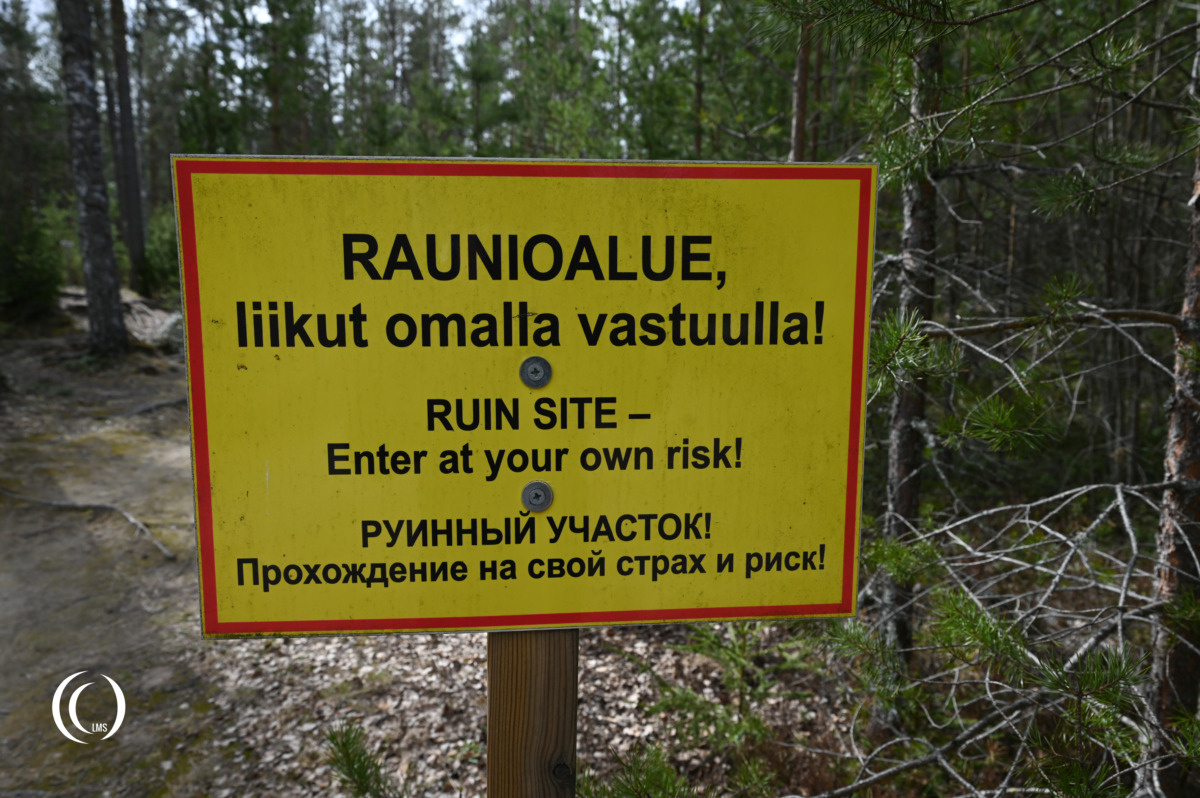
You can visit this part of the Salpa Line at Askola in the Luumäki region along Highway 6 between Lappeenranta and Kouvola. You can park your car freely near the position and walk into the woods.
Sources
- wikipedia.com
- sa-kuva.fi
- salpalinjamuseo.fi
- visitfinland.com
